

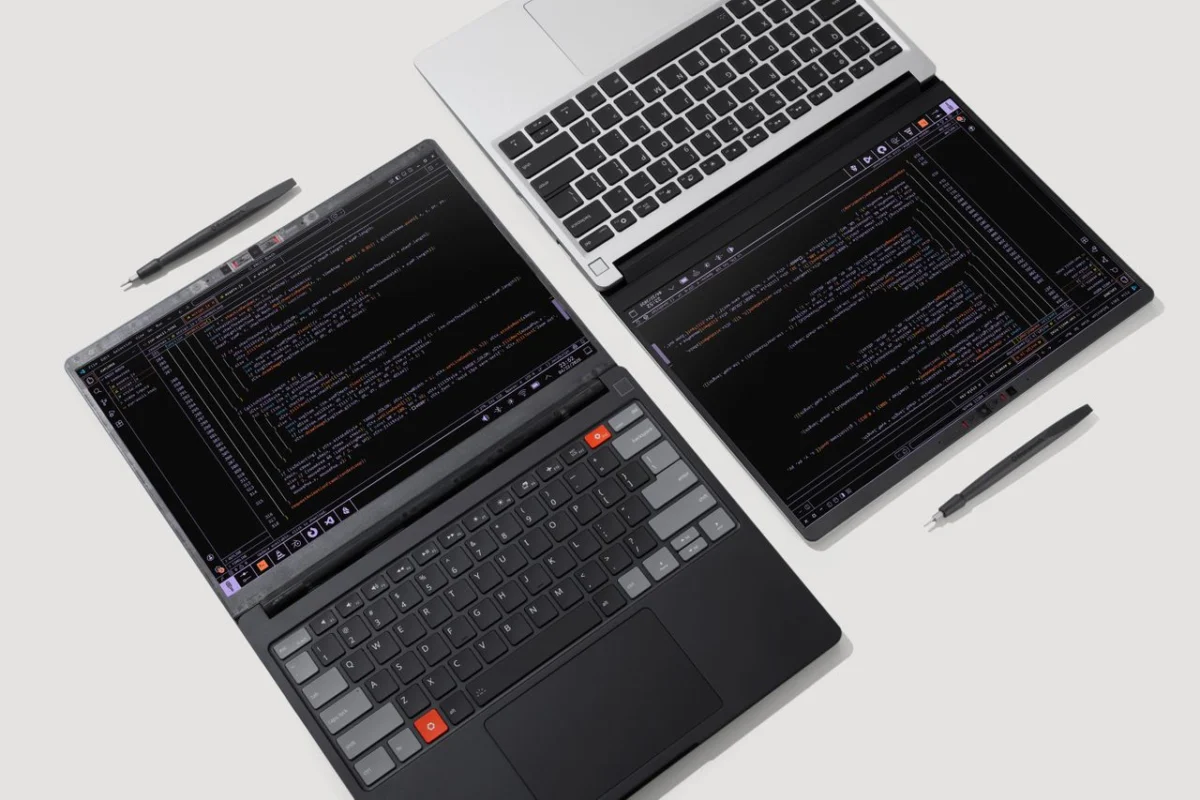
The modular computing landscape, led by the innovative hardware company Framework, is facing a significant test of its business model. Framework, a company built on the principles of repairability, sustainability, and transparency, has recently been forced to navigate a period of severe supply chain instability. In a candid update to its community, CEO Nirav Patel revealed that the company is adjusting its pricing and configuration strategies for the highly anticipated Framework Laptop 13 Pro, citing a dramatic, unexpected surge in costs for critical components—specifically LPCAMM2 memory modules.
This development serves as a stark reminder that even companies prioritizing consumer-friendly, modular designs are not immune to the ruthless fluctuations of the global semiconductor and memory markets. As the industry grapples with the fallout of these cost spikes, Framework’s response provides a unique case study in how a brand balances its core mission with the harsh realities of manufacturing in a volatile economic climate.
The Core of the Conflict: LPCAMM2 Memory
The primary driver of the current crisis is the cost of LPCAMM2 (Low Power Compression Attached Memory Module) memory. This technology is a critical component of the Intel Core Ultra Series 3 version of the Framework Laptop 13 Pro. Unlike the AMD Ryzen AI 300-based versions of the laptop, which utilize standard SO-DIMM slots, the Intel iteration relies on this newer memory standard to achieve its performance and power-efficiency targets.
According to Framework’s internal communications, the company’s supplier recently updated its pricing to more than double the cost of the previous inventory. CEO Nirav Patel noted that the company had forecasted a "low-to-mid double-digit percentage increase" between the second and third quarters of the year. Instead, the reality was a staggering price hike that exceeded all projections, forcing the company to rethink its pricing structure to avoid placing its financial operations at risk.
A Chronology of the Crisis
The situation developed rapidly, forcing Framework to pivot in real-time to maintain its delivery schedules and manage customer expectations.
- Initial Projections: During the planning phase for the Intel Core Ultra Series 3 launch, Framework factored in moderate, predictable increases in memory component costs, consistent with industry trends for emerging memory standards.
- The Price Shock: The supplier communicated a sudden, massive increase in the cost of LPCAMM2 modules, effectively rendering original pricing models unsustainable.
- Inventory Assessment: Upon receiving the news, Framework analyzed its existing stock to determine how many orders could be fulfilled without passing on the full extent of the cost increase.
- The Adjustment Phase: Framework initiated a re-configuration plan for pending pre-orders, prioritizing the fulfillment of existing stock for earlier batches while adjusting configurations for later batches to maintain price points.
- Public Transparency: On the company’s official blog, Nirav Patel went public with the challenges, detailing the exact nature of the supply chain issues to ensure customers were fully informed about the adjustments.
Supporting Data: The Impact on Consumers and Inventory
The logistical puzzle Framework faces is complex. To honor its commitment to customers, the company is managing its remaining inventory of 64GB, 32GB, and 16GB LPCAMM2 modules with surgical precision.
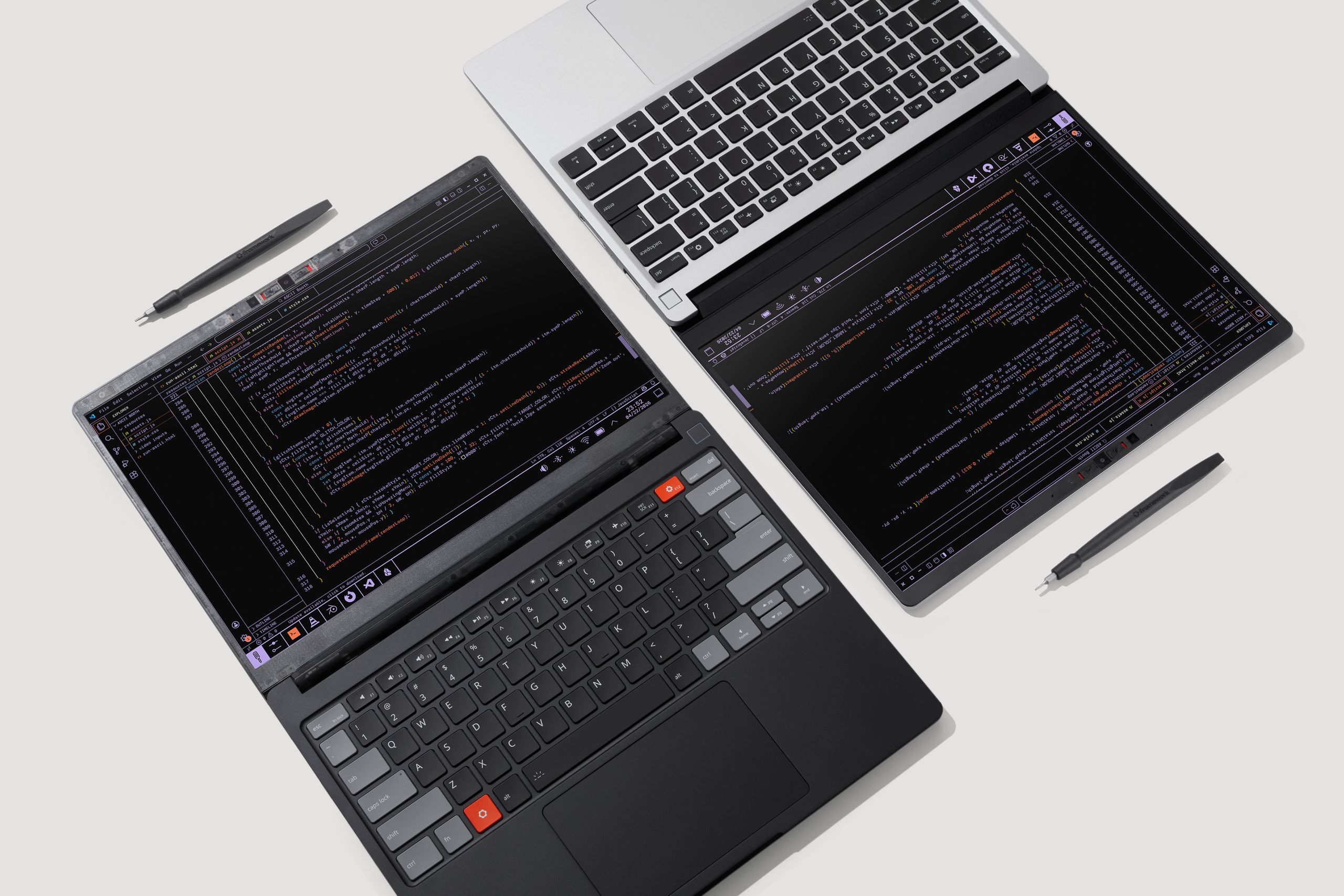
For pre-orders of the Framework Laptop 13 Pro, the company is operating on a sliding scale of availability:
- Batches 1–4 (Laptops) and Batch 7 (Mainboards): These early orders are prioritized. Framework possesses enough 64GB modules to fulfill these, ensuring customers receive the specifications they originally requested.
- Beyond Initial Batches: For orders configured with 64GB of memory beyond these batches, the company is automatically updating the configuration to a 32GB module, charging the customer only for the original 32GB price.
- Further Adjustments: Following the depletion of 32GB stock, orders configured with 32GB will be downgraded to 16GB modules, again at the original 16GB price point to mitigate the impact on the consumer’s wallet.
These changes are significant. The standalone price for a 32GB LPCAMM2 module has risen from $439 to $800, while the 64GB module—formerly $849—has jumped to a staggering $1,600. These figures illustrate the extreme nature of the market volatility currently affecting the niche memory sector.
Official Responses and Strategic Pivot
Nirav Patel’s response to the crisis has been characterized by an unusually high degree of transparency. In the tech industry, where supply chain issues are often obfuscated behind vague corporate statements, Framework’s willingness to detail the exact percentages and logistical hurdles has been noted by analysts and consumers alike.
"After evaluating a number of possible paths forward, we’re proceeding on the one that we believe minimizes the impact of this challenge," Patel wrote. "We have enough 64GB modules in inventory to cover pre-order batches through Batch 4 of laptops and Batch 7 of Mainboards."
Patel also acknowledged that the company is monitoring other components. While some costs have risen—including Windows licensing and specific silicon for the Ryzen AI 300 series—Framework has successfully negotiated lower costs for other components, such as 48GB DDR5 modules and specific high-capacity SSDs like the WD SN850X 8TB. The company has pledged to pass these savings on to the customer by lowering prices for pre-orders that have not yet been fulfilled, provided those components are part of the build.
Implications for the Modular Hardware Ecosystem
The broader implications of this situation are twofold: they reflect the fragility of specialized hardware supply chains and the maturity of Framework as a company.
1. The Risks of Cutting-Edge Components
The use of LPCAMM2 memory highlights the "early adopter" tax. While this memory standard offers superior performance and power management, its status as a newer technology means fewer suppliers and higher price volatility. When a company relies on a single or limited supplier for a specialized part, any disruption—whether due to natural disasters, trade policy, or manufacturing yields—can cascade through the entire production line.
2. Trust as a Currency
Framework’s decision to communicate openly about the "rocky ecosystem" of component sourcing is a calculated move to preserve customer trust. By proactively adjusting configurations and offering to lower prices on components where costs have decreased, the company is signaling that its relationship with the consumer is prioritized over short-term profit maximization. In the context of the repairable laptop market, where customer loyalty is built on the shared values of longevity and modularity, this transparency is likely a strategic asset.
3. Future-Proofing the Business
Moving forward, this crisis will likely push Framework to diversify its supply chain and perhaps reconsider the speed at which it adopts niche standards in its entry-level and mass-market configurations. While the modular nature of the laptop allows for future upgrades, the initial purchase price is still governed by the current market, and the company will need to develop more robust buffers to shield consumers from future, similar shocks.
Conclusion: A Test of Resilience
As the first batch of the Framework Laptop 13 Pro approaches its July shipping date, the company faces a high-pressure week. The success of this launch will depend on how effectively they manage the transition for customers in later batches and whether the broader market for LPCAMM2 memory stabilizes in the coming months.
The tech industry is watching closely. Framework is currently the primary proof-of-concept for the viability of modular, sustainable consumer electronics. By navigating this supply chain storm with a policy of radical transparency, the company is demonstrating that even when the market throws a curveball, the core values of the business can remain intact. Whether this approach is enough to sustain the long-term growth of the company remains to be seen, but for now, Framework is setting a new standard for corporate communication in the face of adversity.
As consumers, the lesson is clear: in an era of globalized, complex manufacturing, the "price" of a product is a moving target. Framework’s ability to navigate this volatility while keeping its community in the loop is not just a logistical necessity—it is the cornerstone of its brand identity. Whether this level of candor will be enough to keep the modular revolution on track during a period of rising hardware costs is the next great question for the industry.











