In the quiet, smog-choked expanse of the American Midwest, the concept of "optimism" has become a radical, almost subversive act. Six years removed from the seismic shifts of 2020, the societal psyche remains tethered to a survivalist mantra: "Hope for the best, expect the worst." It is a mindset forged in the crucible of a global pandemic and hardened by the relentless, daily barrage of environmental crises and geopolitical volatility. Yet, in the face of an increasingly dystopian reality, a growing chorus of cultural critics and viewers are finding an unlikely antidote in the gentle, hand-drawn frames of Studio Ghibli’s 1988 masterpiece, My Neighbor Totoro.
The Context: A Landscape of Careworn Negativity
To understand why a decades-old animated film about two sisters in the Japanese countryside is resonating so deeply today, one must first confront the current landscape of public sentiment. The author, currently visiting a hometown in Michigan, describes a reality that is emblematic of much of modern America—a place where the air itself has become a witness to global decline.
During a recent family birthday celebration at a state park, the scenery was not one of idyllic nature, but of "eerie toxic haze." The sun, filtered through smoke originating from Canadian wildfires, cast a "dystopian orange" hue over the landscape—a phenomenon that has become terrifyingly routine in the Pacific Northwest and is now encroaching on the heartland. When even the trees, through the tragic and statistically anomalous deaths of local residents, seem to turn against the inhabitants, the cynical defense mechanism—the refusal to be hopeful—becomes a self-protective instinct.
This is the "modern onslaught of bullshit" that defines our era. Whether it is the chemical legacy of industrial hubs like Midland, Michigan, or the persistent threat of climate-driven catastrophe, the reflex to assume the worst is not merely anxiety; it is a logical response to a world that feels increasingly unmoored.
Chronology of a Shifting Perspective
The journey toward re-evaluating My Neighbor Totoro began not as a scholarly endeavor, but as a personal encounter with nostalgia that transformed into a profound psychological reset.
- The Initial Viewing: Years ago, as a child, the film was a straightforward, magical adventure. It was a story of sisters and spirits, enjoyed without the weight of adult skepticism.
- The Pandemic Shift: Between 2020 and 2026, the film’s narrative—moving to a new home, dealing with a family crisis (a mother’s illness), and facing the unknown—began to mirror the collective human experience of the last half-decade.
- The Fathom Event: A recent re-watch in a theater setting, intended to be a lighthearted nostalgic exercise, revealed a hidden layer. As the viewer moved from the age of the children (Satsuki and Mei) to the age of their father, the focus of the magic shifted. It was no longer about the spirits; it was about the resilience of the mundane.
Supporting Data: The Anatomy of Resilience
My Neighbor Totoro functions as a masterclass in narrative tension and release. For the adult viewer, the film is a series of "what-if" scenarios that almost always lead to the worst, yet the film consistently pivots toward the best.
The "Death" Myth vs. Reality
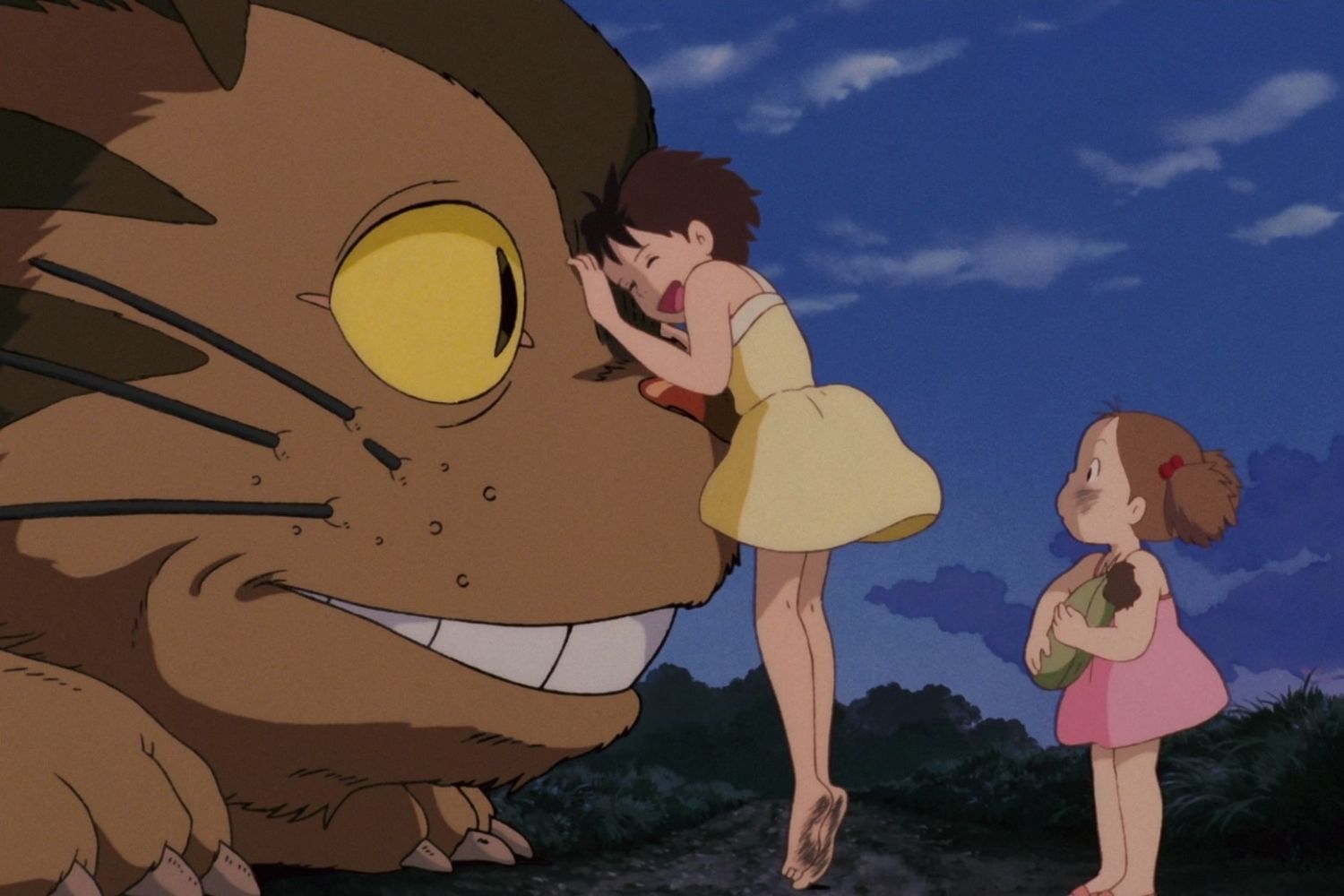
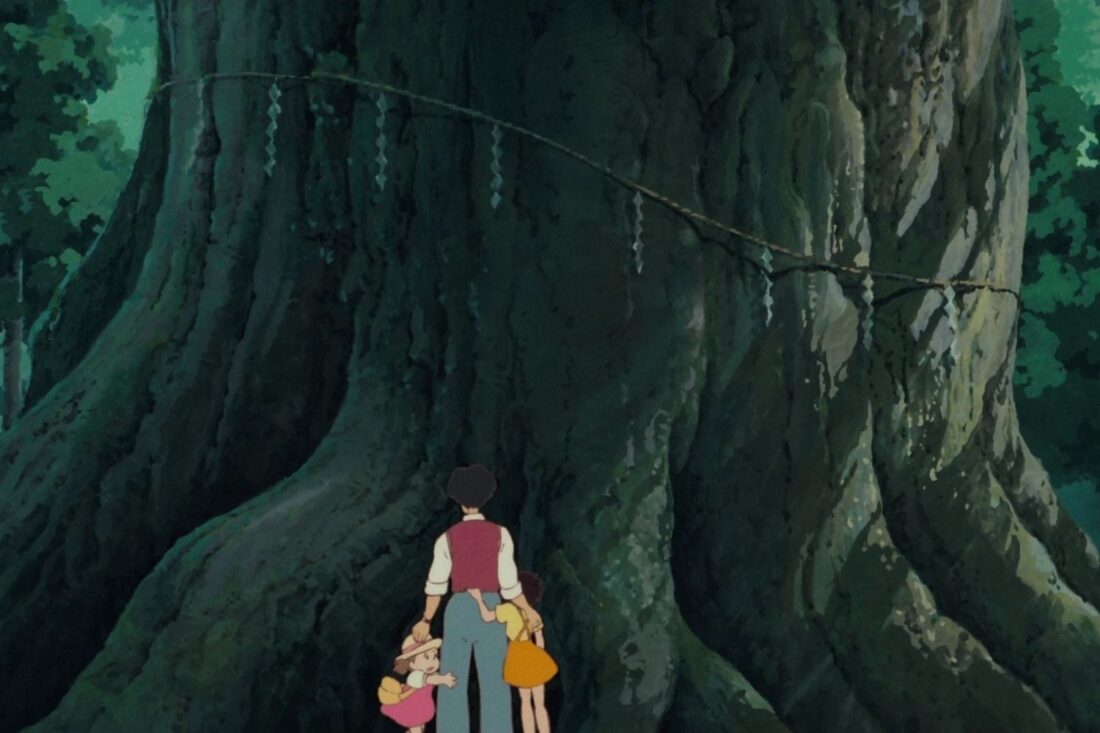
For years, internet subcultures have peddled "fridge-horror" theories, suggesting that the film is a dark allegory for death—that Totoro is a God of Death and the girls actually perish midway through. These theories, while fascinating, serve as a mirror for our own societal inability to accept unadulterated hope. We assume the "cemetery" marker on the Catbus indicates a transition to the afterlife, when in fact, the film’s own internal logic is consistently, stubbornly life-affirming.
The Mundane Miracles
The film’s power lies in its defusal of potential tragedies:
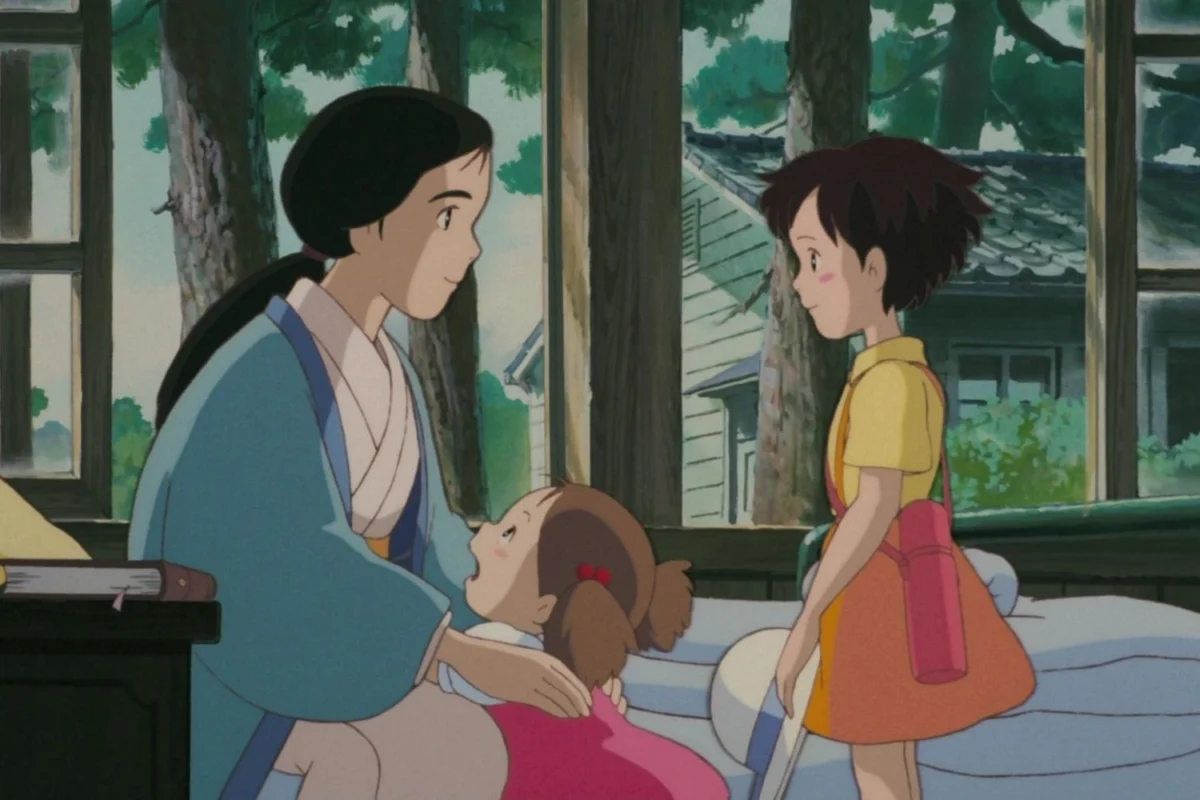
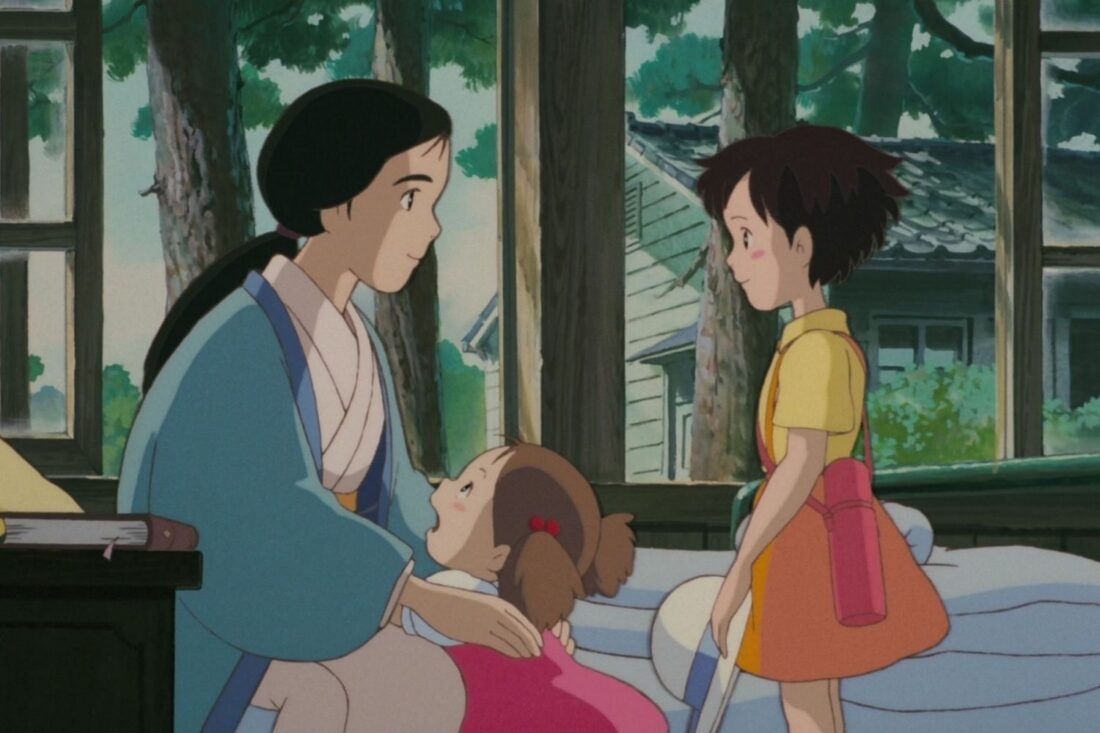
- The Mother’s Health: Despite the persistent, looming threat of the mother’s respiratory illness, the film ends with her recovery, the birth of a new sibling, and a return to domestic bliss.
- The Missing Child: When Mei goes missing, the search is framed with genuine peril. Yet, the resolution—finding her safe by a row of Jizo statues—reaffirms that the world, even in its scary moments, is ultimately protective.
- Environmental Harmony: Unlike modern stories where the forest is a setting for war or exploitation, here, the forest is a sanctuary. It is a reminder that humans and nature were once, and could be again, partners.
Official Responses and Cultural Implications
Cultural psychologists have long noted that "cynical shielding" is a psychological defense against disappointment. By expecting the worst, we aim to lessen the blow of reality. However, this defense mechanism has a high cost: it robs us of the capacity for joy.
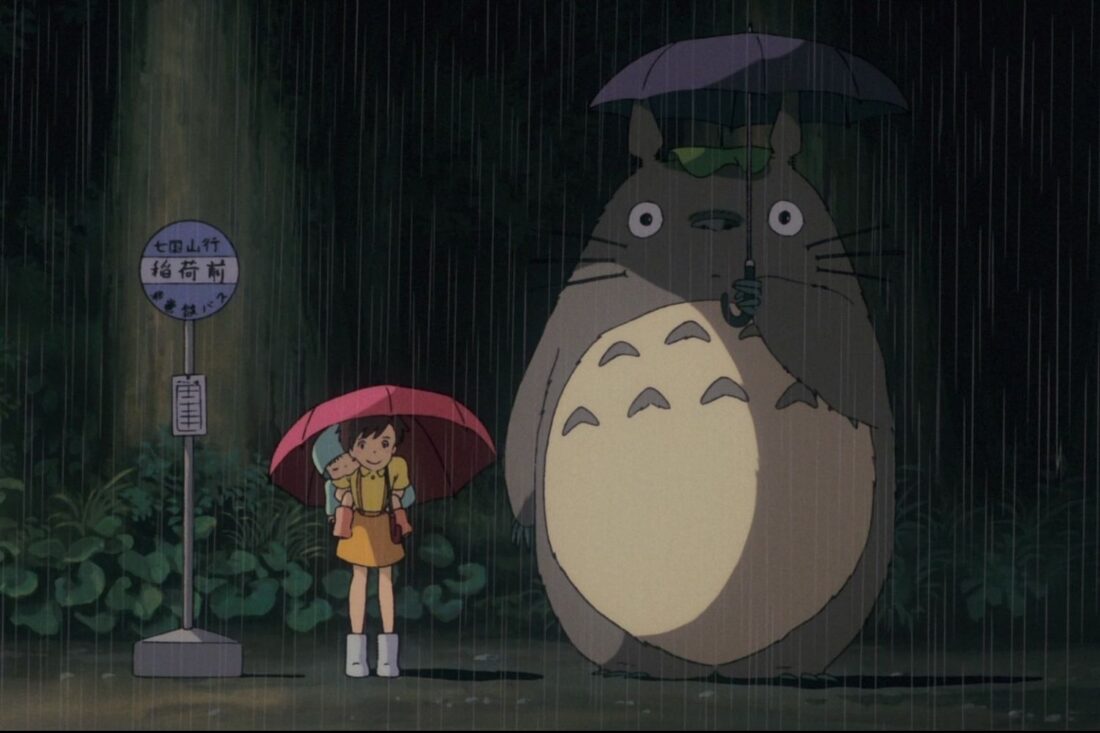
In the world of Totoro, characters do not engage in "blind" optimism. The father, while clearly aware of the stressors around him, does not dismiss his children’s beliefs. He validates their sense of wonder. This is the crucial takeaway for the modern adult: imagination is not an escape from reality; it is an essential tool for surviving it.
The translation debate mentioned—where the English subtitles change "the umbrella is crying" (a poetic, observant, and emotional statement by Mei) to "there are holes in it" (a literal, cold, and mundane description)—perfectly encapsulates our societal loss. We have traded the poetic, beautiful, and "childish" observations of the world for a rigid, utilitarian, and sterile simplicity. By recovering that sense of wonder, we reclaim our ability to cope with the "endless inventive disasters" of the modern world.
Implications for the Future: Planting Seeds of Hope
The final, lasting image of the film—and the one that offers the most comfort to the modern viewer—is the act of planting seeds. The characters nurture a patch of earth, hoping for growth, even when the immediate world feels uncertain.
In the context of today’s environmental and social climate, the "Totoro approach" is not about ignoring the fires, the haze, or the dangers. It is about the deliberate choice to focus on the immediate, the local, and the nurturing. When we are caught in the "beam of a rapidly changing world," we often freeze, overwhelmed by the scale of the destruction. We stand on our lawns, metaphorically eating cake, paralyzed by the enormity of our problems.
My Neighbor Totoro suggests a different path. It suggests that we can address the "worst" by refusing to let it be the only thing we see. If we can learn to see the forest god at the bus stop, perhaps we can learn to see the possibility of a better tomorrow in our own backyards.
The film serves as a testament that, despite the overwhelming evidence to the contrary, the bus will arrive, the rain will stop, and the ones we love will come home. It is not an invitation to ignorance, but a strategy for endurance. In a world that demands we be cynical, choosing to be a neighbor to the magic is the ultimate act of defiance. We may not be able to stop the world from burning, but we can, like Satsuki and Mei, plant the seeds for something new to grow in the ashes. That is not just a lesson for children; it is the most essential, hard-won wisdom for the adults of today.