Rifan Muazin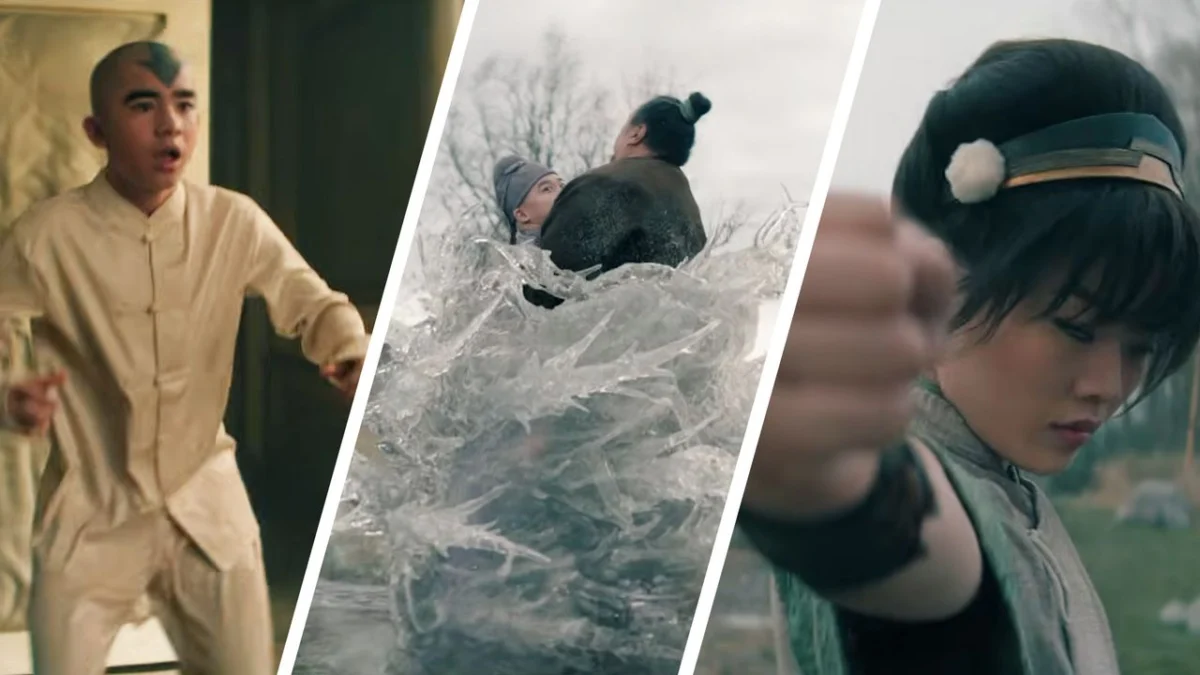
The transition from a beloved two-dimensional animation to a high-fidelity live-action series is a perennial tightrope walk for production studios. For Netflix’s Avatar: The Last Airbender, the primary hurdle was never just casting or set design—it was the physics of the impossible. How do you visualize the bending of elements that are, by nature, either transparent or inherently chaotic?
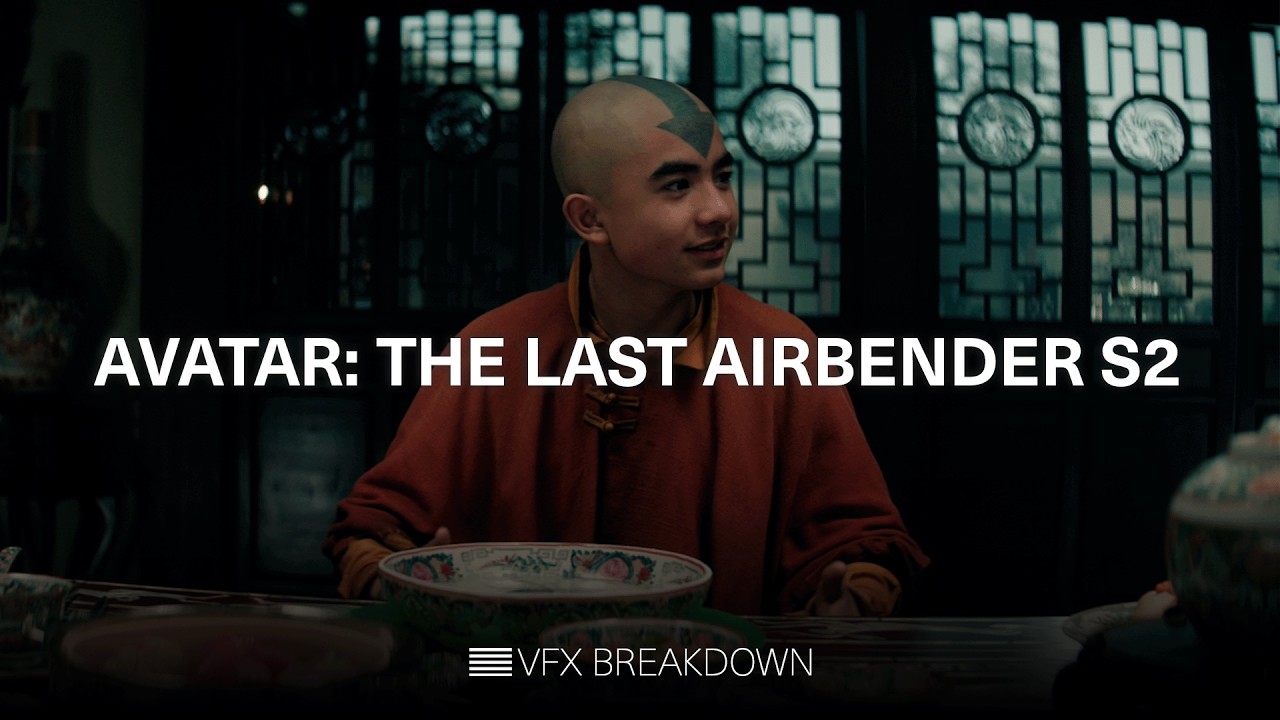
With the arrival of the second season, the visual effects (VFX) team at Outpost has once again captivated audiences, proving that the secret to "bending" isn’t just in the choreography, but in the intricate digital simulation of physics. By grounding the magical elements of the Water Tribes, the Earth Kingdom, the Fire Nation, and the Air Nomads in real-world phenomena, the studio has set a new benchmark for fantasy cinematography.
The Challenge of the Invisible: Defining Airbending
The most daunting task for any VFX artist working on the Avatar franchise is the depiction of airbending. Unlike fire, which provides its own luminescence, or earth, which offers solid, tangible mass, air is invisible. Relying on stylized "wind lines" common in anime would have shattered the grounded, cinematic aesthetic Netflix aimed for.
To overcome this, the team at Outpost turned to aerospace engineering for inspiration. VFX Supervisor Laurent Joel Gillet and his team studied the heat distortion and refractive index shifts caused by F-22 Raptor jet engines. By analyzing how high-velocity exhaust gases warp the light behind them, the team developed a proprietary "airbending look" that relies on environmental displacement.
This effect gives the air a sense of physical weight and velocity. Rather than seeing "wind," the audience sees the atmosphere itself being pushed, compressed, and distorted. This development, which began during the production of the first season, has become the standardized visual language for airbending across the entire series, providing a tactile quality to Aang’s movements that feels both powerful and grounded in natural law.
Chronology of Craft: From Concept to Screen
The visual identity of Avatar was not achieved overnight. It was the result of a multi-year collaborative effort between showrunners and the technical wizards at Outpost.
Phase 1: The Foundation (Season 1)
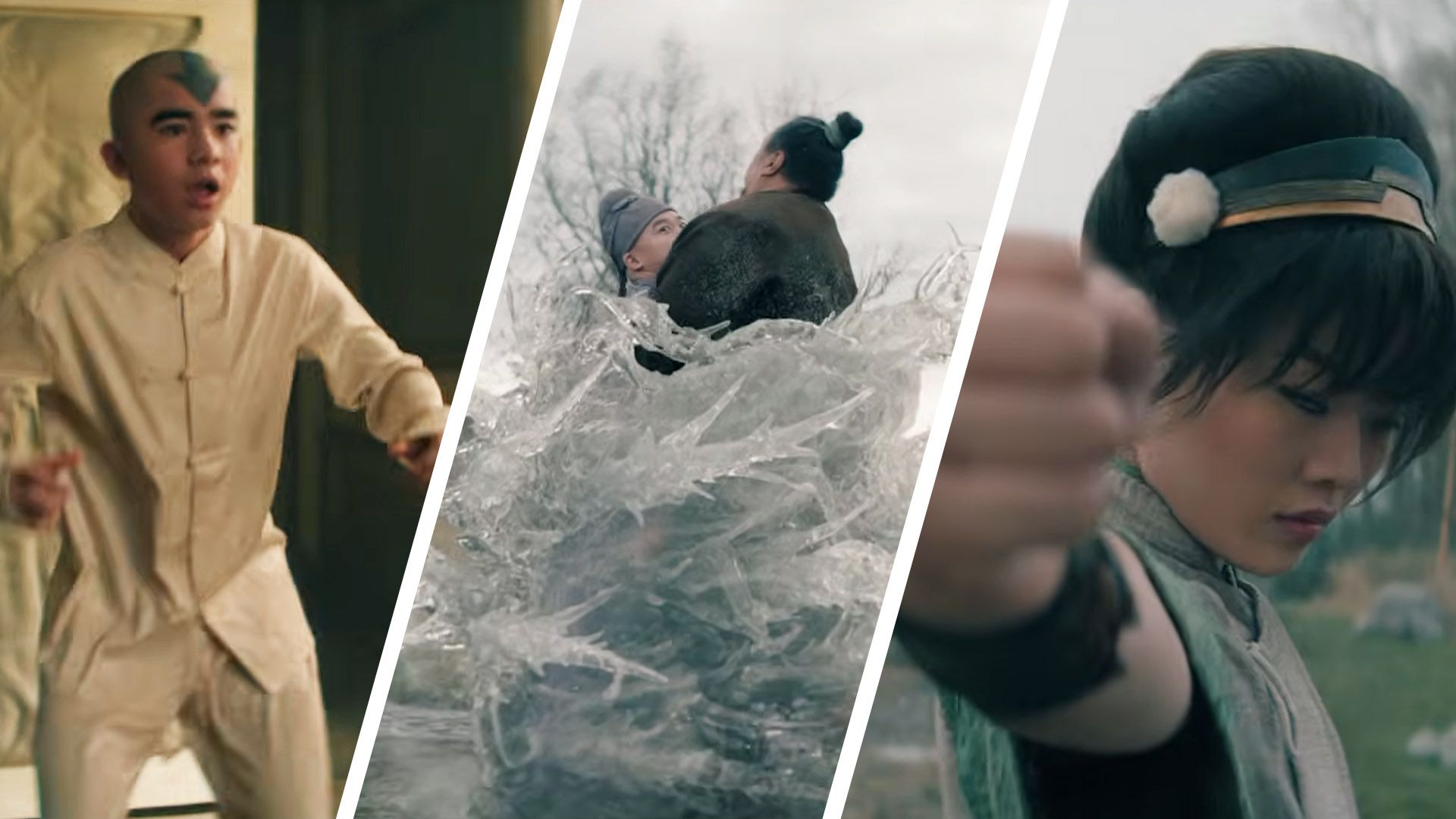
The groundwork was laid during the production of the first season, specifically the high-stakes confrontation between Aang and King Bumi in episode four. This sequence served as the studio’s "stress test." The scene required a chaotic blend of earth, air, and water—elements that, in the real world, would interact with different viscosities and densities.
Producer Caitlin Gilbert noted that the primary challenge was the "multi-layered simulation" requirement. When an earthbender throws a boulder that an airbender then deflects, the digital assets must interact at a granular level. The dust from the rock must be caught in the air currents, and the resulting collision requires complex physics-based sims where every particle has to behave according to the laws of motion.
Phase 2: Refinement and Evolution (Season 2)
Building on the lessons of the first season, the second installment pushed for greater interactive lighting and environmental integration. The team focused on making elemental powers feel like they occupied the same physical space as the actors. For firebending, this meant implementing interactive light-mapping; when a character casts a fireball, the glow must dynamically react to the actor’s skin and clothing, ensuring that the fire feels like a light source within the scene rather than an overlay applied in post-production.
Earth and Soil: The Science of Impact
The depiction of earthbending underwent a significant iterative process. Initially, the VFX team experimented with a "sandy" aesthetic—a common trope in fantasy films—but quickly realized that it lacked the necessary "punch" required for the show’s combat choreography.
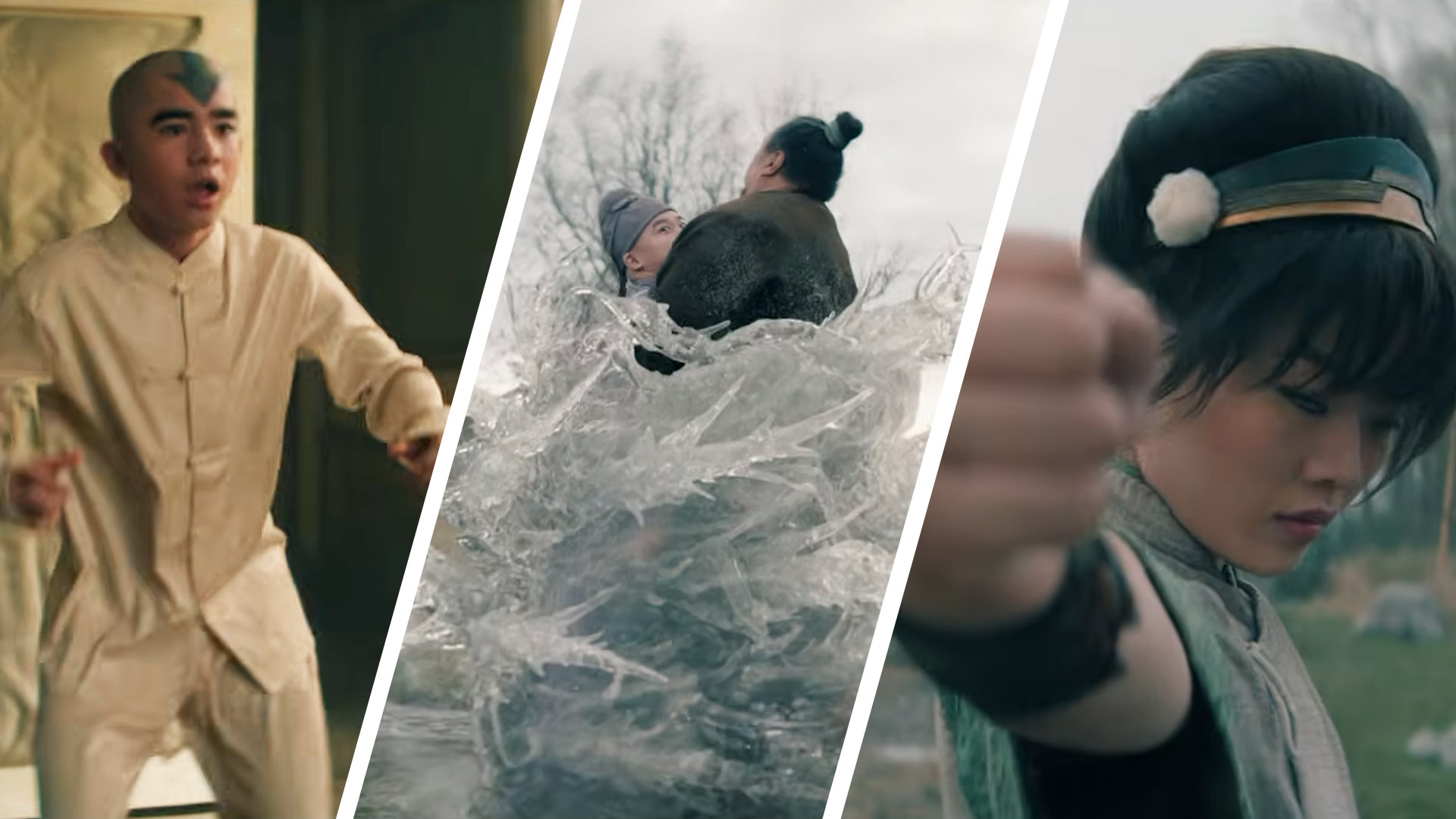
"We started originally with a very sandy look with buried hard rocks," Laurent Joel Gillet explained. "But we ended up going towards a more amalgamated dry sand look which crumbles as it breaks." The final product mimics the behavior of compacted dry soil. When these "rocks" are manipulated, they don’t just move; they shed layers, crumble under pressure, and leave behind realistic debris. This attention to texture—treating earth as a material with mass and frailty—is what allows the audience to feel the weight of the combat.
Supporting Data: The Complexity of Simulation
While the casual viewer enjoys the spectacle, the technical requirements behind these scenes are staggering. Modern VFX pipelines for a series of this caliber involve:
- Particle Density Analysis: To simulate the airbending distortion, thousands of individual particles are mapped to track light refraction.
- Fluid Dynamics: Waterbending requires the simulation of both high-velocity water jets and the delicate "surface tension" of water droplets, ensuring they do not look like generic, flat liquid sprites.
- Interactive Lighting: Each elemental effect is treated as a light source. In a dark environment, a firebender’s movements must correctly illuminate the surrounding geometry, a process that requires real-time ray tracing during the compositing phase.
- Collision Detection: Every time an element touches a surface, the VFX team must calculate the impact physics. Whether it is earth hitting wood or water hitting stone, the "interaction" is a distinct simulation layer.
Official Perspectives: The Philosophy of Outpost
The philosophy guiding the team at Outpost is one of "invisible intervention." The goal is not to show off the CGI, but to make the impossible look inevitable.
Caitlin Gilbert emphasized that the complexity of these sequences often requires the team to act as both artists and engineers. By briefing the team on real-world analogues—such as jet engines for air or geological erosion for earth—they ensure that the magic feels like a natural extension of the world rather than a digital add-on.
"The director and client-side production team had a very clear idea of where they wanted to go with it," Gillet noted. "Which made it a lot easier for us to translate those ideas into effects on screen." This alignment of vision between the show’s directors and the technical leads is arguably the "secret sauce" that prevented the show from falling into the "uncanny valley" that plagues many big-budget adaptations.
Implications for the Future of Fantasy VFX
The success of Avatar: The Last Airbender provides a blueprint for future fantasy productions. It signals a move away from the "magic-as-a-particle-effect" era and toward a more mature "magic-as-physics" approach.
1. The Death of Generic Magic
By grounding elemental powers in real-world physics—refraction, gravity, friction, and combustion—the show has made it significantly harder for future fantasy projects to rely on generic glowing animations. Audiences are becoming increasingly sophisticated; they expect to see how a magical element interacts with the environment.
2. The Rise of Hybrid Production
The integration of Outpost’s VFX work into the filming process—ensuring that actors are lit correctly in real-time—demonstrates the necessity of early-stage collaboration. VFX is no longer a "fix-it-in-post" solution; it is a fundamental pillar of pre-production.
3. Setting a New Standard for Adaptation
The Avatar series proves that if a studio respects the source material while utilizing modern technological advancements to ground that material in physical reality, the results can be both critically and commercially successful. The "weight" given to the elements in the show acts as a storytelling tool; when a character struggles to bend, the audience sees the physics failing, and thus, understands the stakes.
Conclusion
The visual magic of Avatar: The Last Airbender is a testament to the fact that great VFX is rarely about how much detail you can add, but about how well you understand the world you are simulating. By looking at a jet engine to understand the wind, or at a collapsing cliffside to understand earth, Outpost has managed to do the impossible: they have made the invisible, visible.
As the series continues, the bar has been set exceptionally high. Audiences now expect more than just lights and colors; they expect to feel the heat of the fire, the weight of the rock, and the unseen pressure of the air. Through the rigorous application of physics and a deep commitment to naturalism, the team has ensured that Aang’s world feels as real as our own—even when he is soaring through the clouds.

 Ammar Sabilarrohman
 Asro
Asro