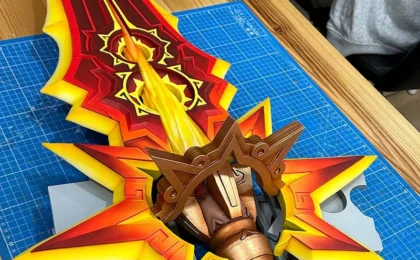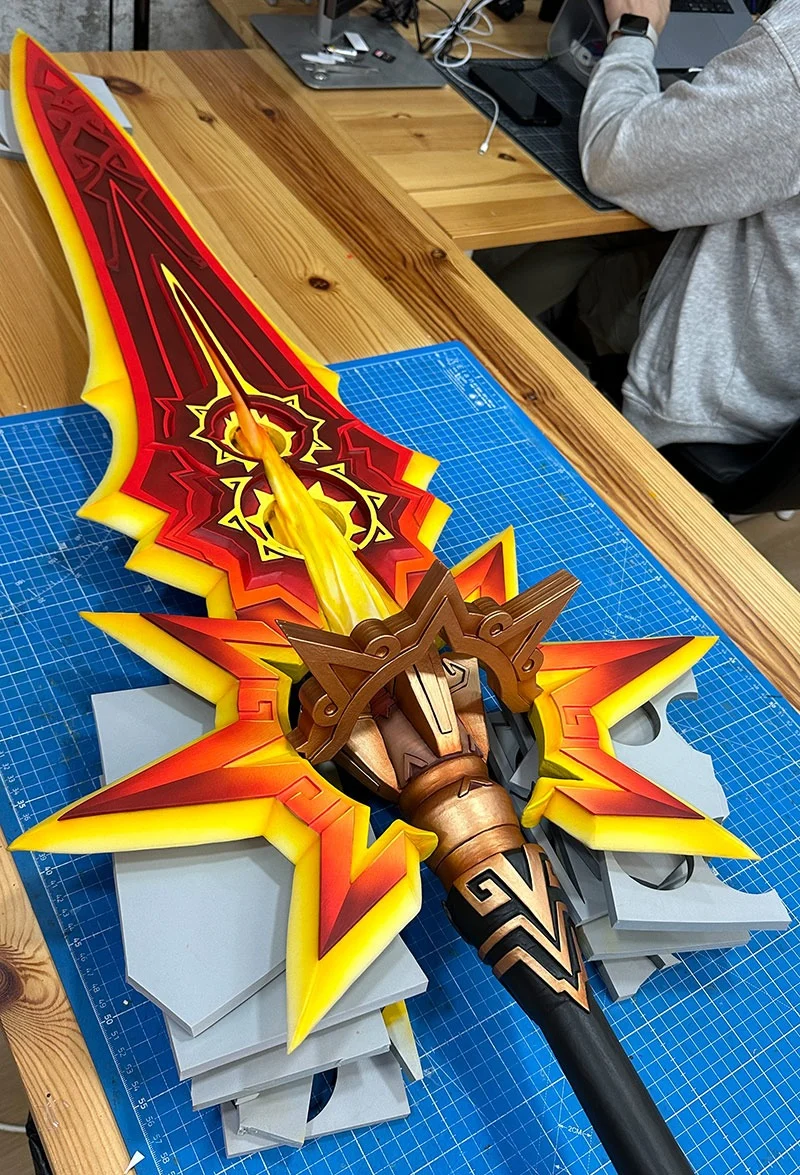
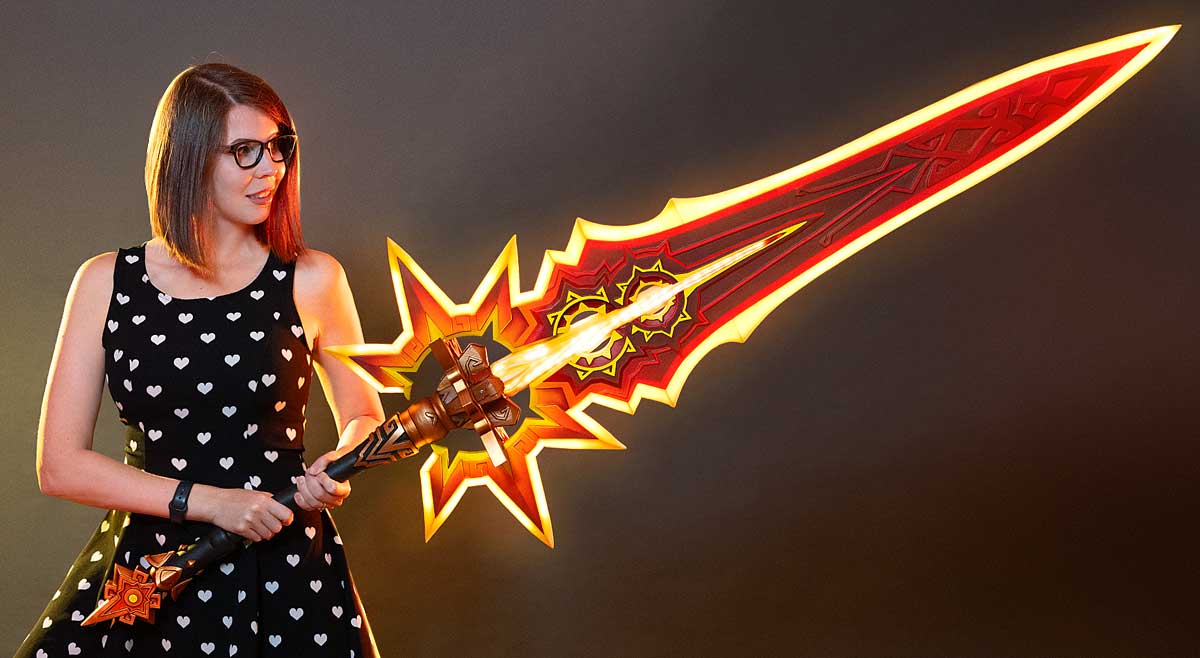
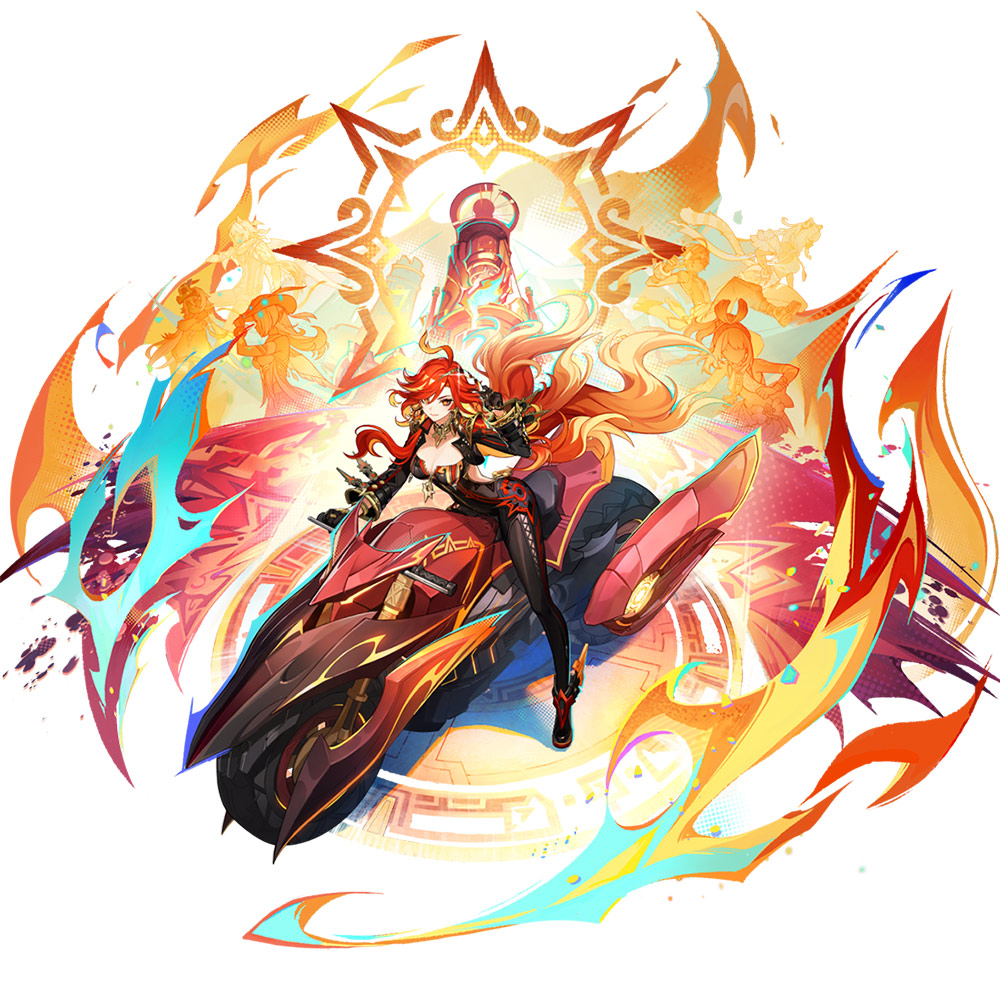
In the intricate world of professional cosplay, few names carry the weight and technical prestige of Kamui Cosplay. Known for pushing the boundaries of EVA foam engineering and integrated electronics, the studio has recently unveiled its latest magnum opus: a life-sized, light-up replica of "A Thousand Blazing Suns," the iconic greatsword wielded by Mauvika, the Fire Archon from the global phenomenon Genshin Impact.
This project represents more than just a creative endeavor; it is a high-stakes convergence of fan passion, advanced material science, and official industry collaboration. Commissioned by HoYoverse to celebrate the release of the new Natlan character, the project highlights the evolving relationship between game developers and the content creators who amplify their intellectual properties.
The Convergence of Passion and Professionalism
Cosplay is fundamentally an exercise in translation—taking a digital asset from a screen and manifesting it in physical space. For Kamui, the allure of the Fire Archon was immediate. “Cosplay is all about combining passions,” the artist notes. Having previously mastered complex builds for characters like Yelan and Beidou, the sheer design complexity of Mauvika’s weapon offered a new frontier.
The timing of the project was serendipitous. As the artist finalized plans to tackle the sword, HoYoverse reached out to coordinate an official promotional campaign. The result was a symbiotic partnership: the developer gained high-quality, authentic promotional content, and the creator received the platform to showcase the extreme lengths to which modern cosplayers go to honor their favorite characters.
Chronology: From Digital Mesh to Physical Reality
The creation of "A Thousand Blazing Suns" followed a rigorous, four-phase production schedule that spanned several weeks of intensive labor.
Phase I: The Blueprint and Scaling Strategy
The foundation of any high-end prop is the blueprint. While visual references from Genshin Impact provide the initial silhouette, the team at Kamui utilized official 3D assets sourced from aplaybox.com. Accessing these files requires navigating Chinese-language portals, a task the team navigated with digital translation tools.
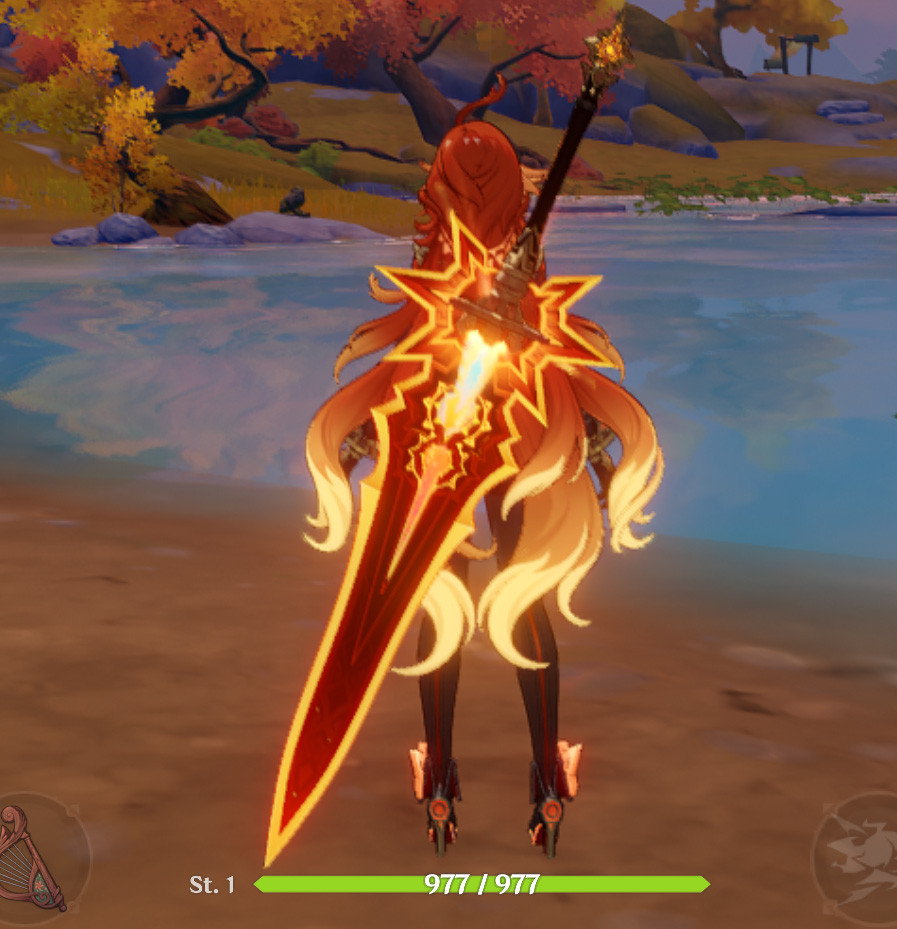
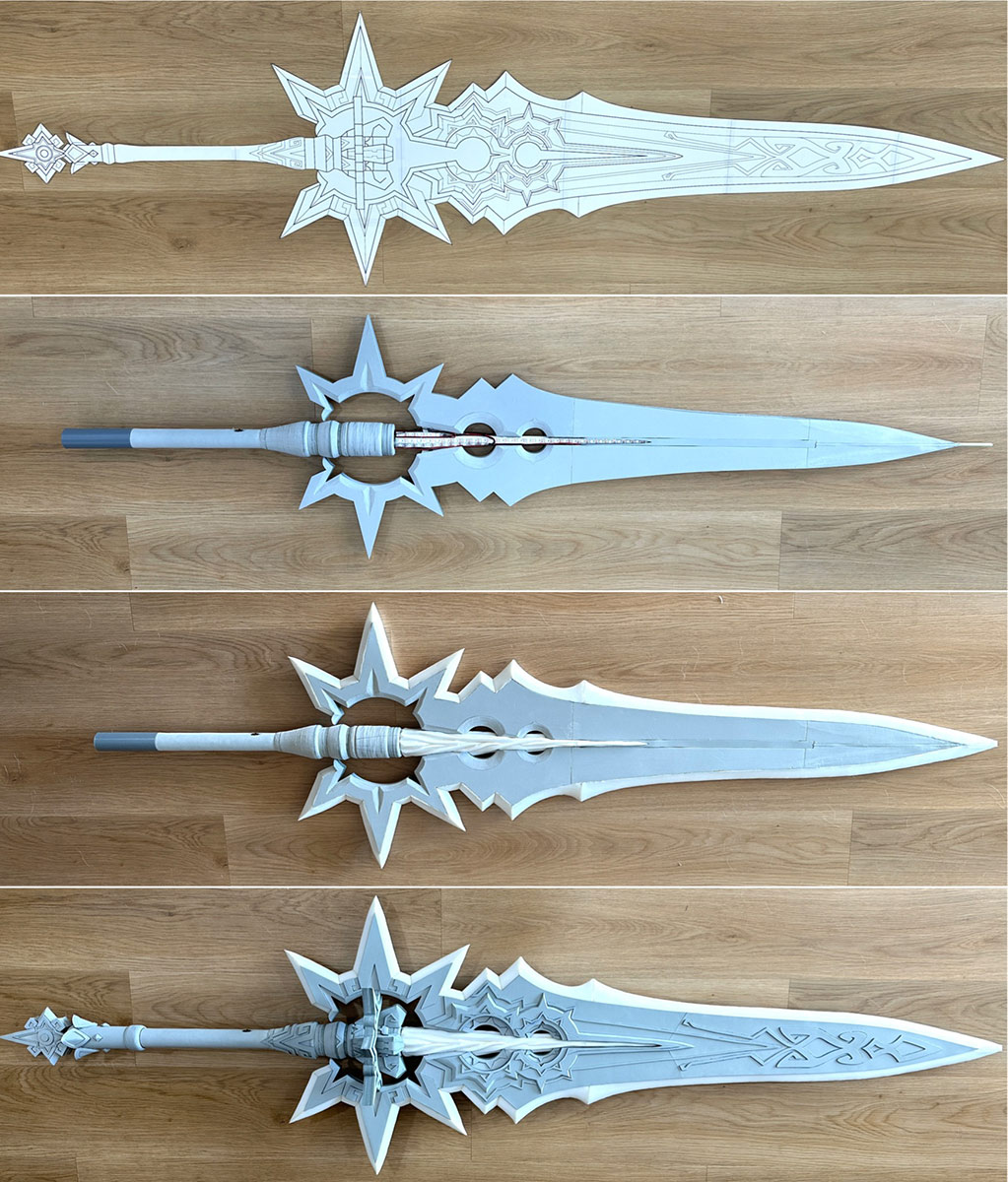
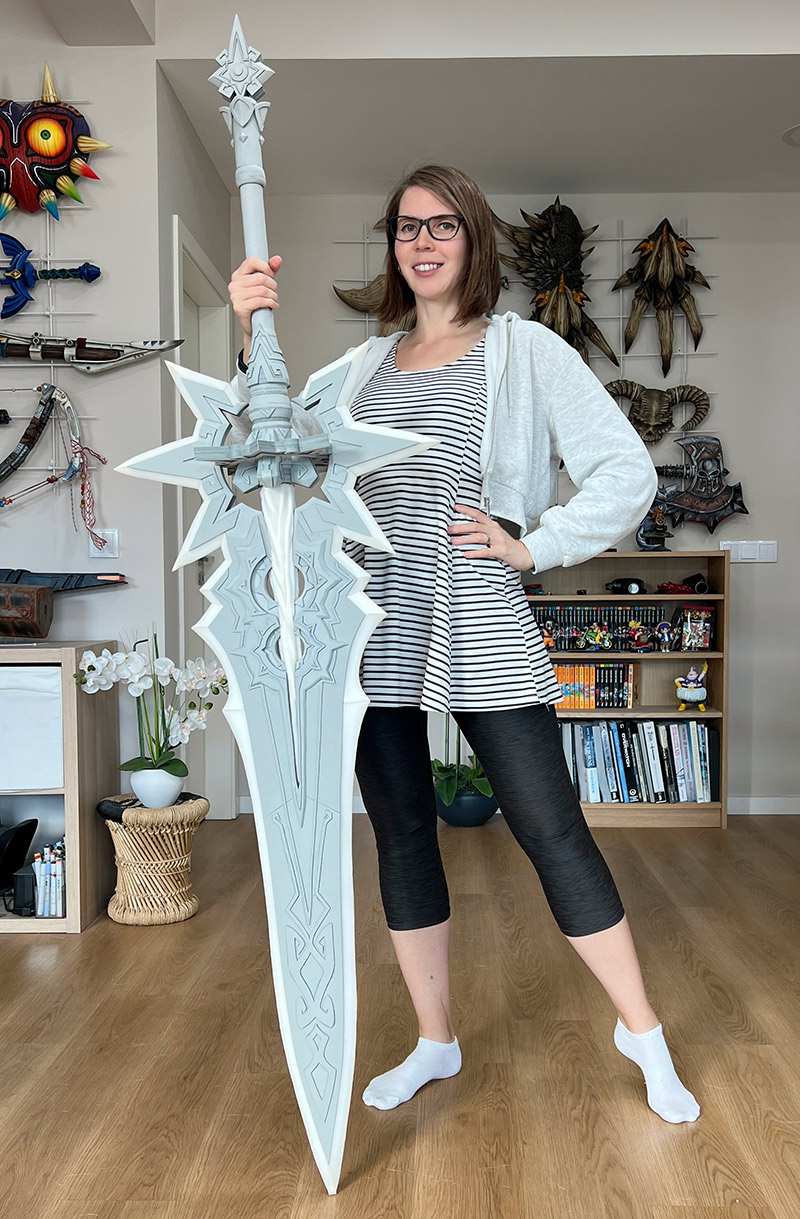
Scaling was the first technical hurdle. The original in-game weapon is proportionally gargantuan, suited for the hyper-stylized nature of anime-inspired 3D models. To make the prop functional for a human, the team opted for a two-meter length—a "natural" size that retains the weapon’s imposing presence while remaining manageable. The resulting blueprints served not just as a visual guide, but as a structural map for the internal load-bearing components.
Phase II: Structural Foam Crafting
The sword’s core design—a burning, rocket-engine aesthetic—required a hybrid build. A heavy-duty PVC pipe was utilized as the central spine to ensure the two-meter structure remained rigid. Around this, multiple layers of high-density EVA foam were sculpted to replicate the weapon’s intricate armor plating.
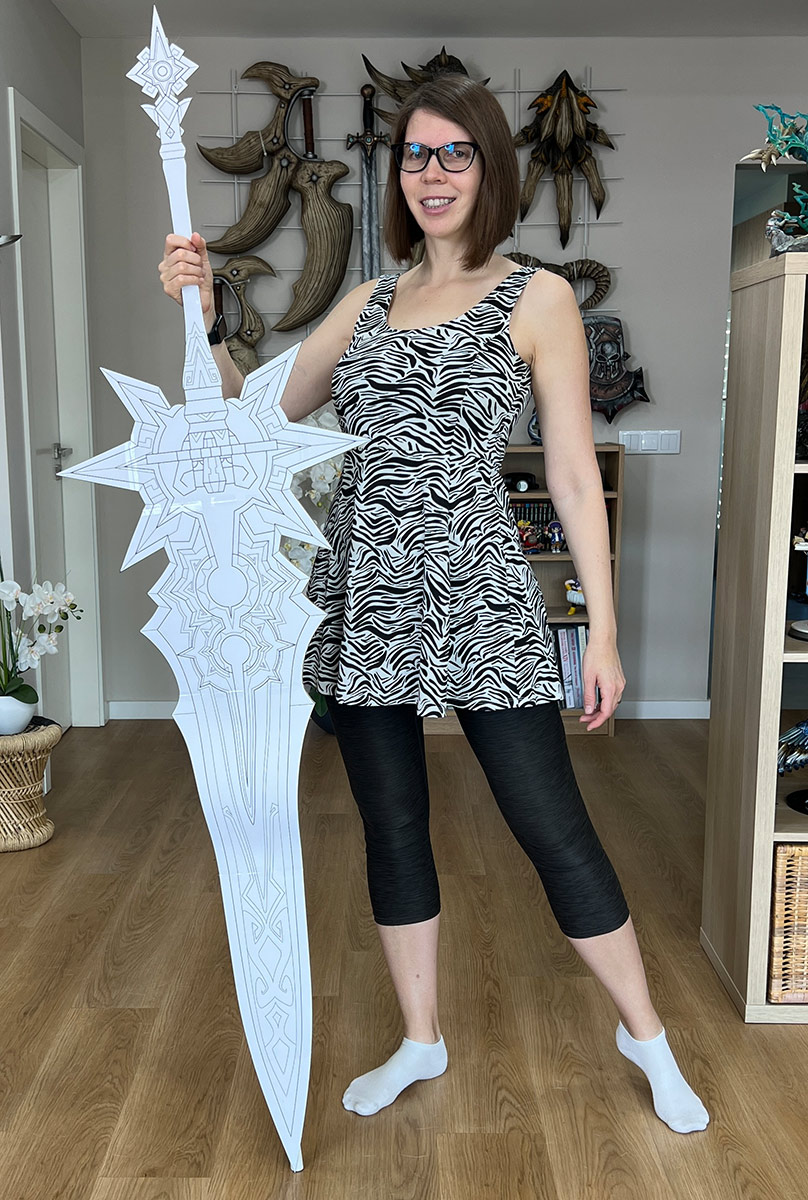
To maximize efficiency, the team transitioned from manual box-cutter techniques to laser cutting, utilizing vector files derived from their initial blueprints. This transition, while requiring significant prep work, allowed for surgical precision in the assembly of the rocket-engine core, which was designed specifically to house an elaborate LED array.
Phase III: The Integration of Electronics
The defining feature of the sword is its light-up animation, designed to mimic the elemental fire of the Archon. The electronics suite included:
- Controller: Adafruit Prop-Maker FeatherWing.
- Power: A custom battery setup concealed within the hilt.
- Lighting: Approximately 300 addressable LED pixels.
The programming involved a sophisticated trigger system: the weapon utilizes a motion-sensitive sequence where a ground-strike "stomp" interrupts the ambient flickering fire animation, causing the sword to flare into a brilliant, solid white light. The complexity of this setup is a testament to the "Book of Light and Sound Effects" methodology pioneered by the studio, where physical triggers and microcontrollers transform a static prop into a responsive piece of performance art.
Phase IV: The Marathon Paint Job
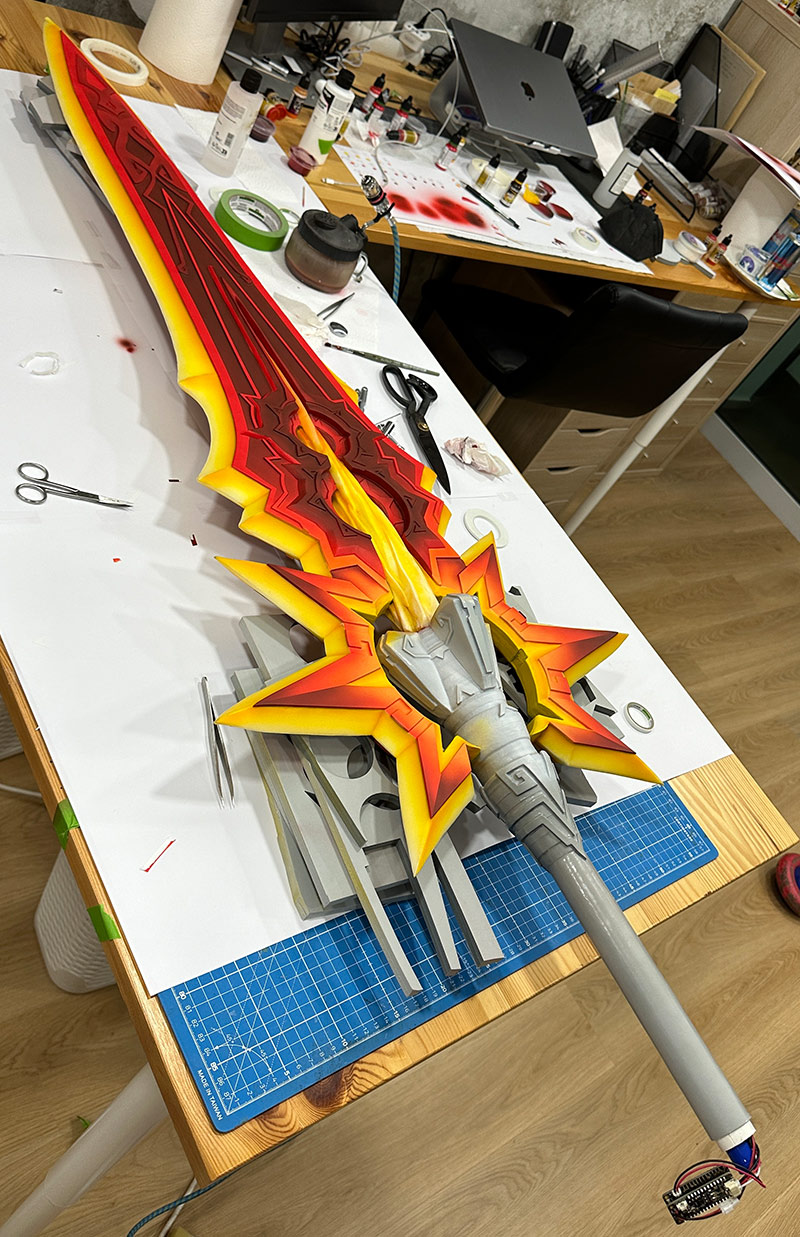
The final, most taxing phase was the aesthetic finishing. To achieve the translucent, glowing effect, the team utilized airbrushing with high-pigment, flexible paints. This process required a grueling application of masking tape to preserve sections for layering. Because the tape had to be removed within a 12-hour window to prevent damage to the underlayers, the painting phase became a "marathon and a sprint," concluding at six in the morning after twelve continuous hours of work.
Supporting Data: Material and Technical Specifications
The success of the project relies on the selection of high-grade materials and professional-grade tooling:
- Materials: High-density EVA foam, sourced from specialist retailers like cosplayshop.be, provided the structural integrity needed to withstand the weight of the LED housing.
- Tooling: An airbrush system with a 0.3mm needle allowed for the fine gradients required to transition from the vibrant oranges of the sword’s core to the deep, weathered reds of the outer casing.
- Software: The use of vector-based design software for laser cutting ensures that the prop can be reproduced or modified, providing a blueprint for the wider cosplay community to attempt their own builds.
Official Responses and Industry Implications
The collaboration between Kamui Cosplay and HoYoverse represents a growing trend in the gaming industry: the formalization of "fan-made" content as a marketing pillar. By sponsoring creators to build high-fidelity props, developers are effectively outsourcing high-quality, long-form content creation that resonates more deeply with the hardcore fan base than traditional, high-budget cinematic trailers.
For HoYoverse, the implication is clear: community engagement is not merely about social media interaction; it is about providing the tools—such as 3D model access—that allow professional creators to validate the game’s aesthetic design in the real world. For the cosplay community, this validates the industry as a legitimate career path, where technical skills in engineering, programming, and fine art are recognized and utilized by major multinational corporations.
Conclusion: The "A Thousand Blazing Suns" Legacy
The completed sword stands as a synthesis of modern manufacturing techniques and traditional crafting grit. While the project demanded a high toll in terms of energy and time, the final result—a fully functional, illuminated, and precisely scaled recreation of the Fire Archon’s weapon—serves as a benchmark for what is possible in contemporary prop-making.
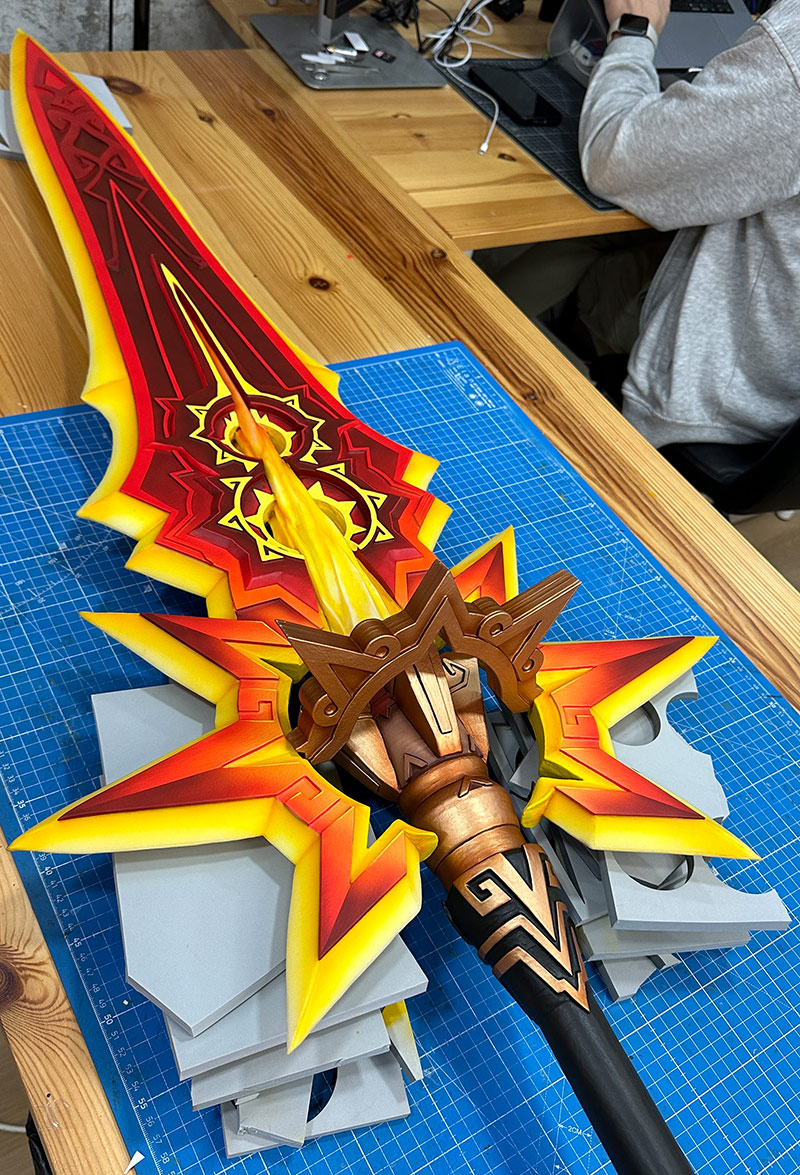
By sharing the "making-of" journey, from the initial 3D mesh retrieval to the final hand-painted details, the studio has provided more than just a showcase; they have provided a roadmap. As the line between digital assets and physical craftsmanship continues to blur, projects like this remind us that the most impactful creations are those that treat the fictional world with the same respect as a professional engineering project.
For those looking to follow in these footsteps, the message is clear: the path to creating legendary items requires not just the right tools, but a willingness to embrace the "addictive" nature of complexity. Whether through mastering the intricacies of LED programming or the endurance required for a twelve-hour painting session, the pursuit of authenticity remains the cornerstone of the craft.