Rifan Muazin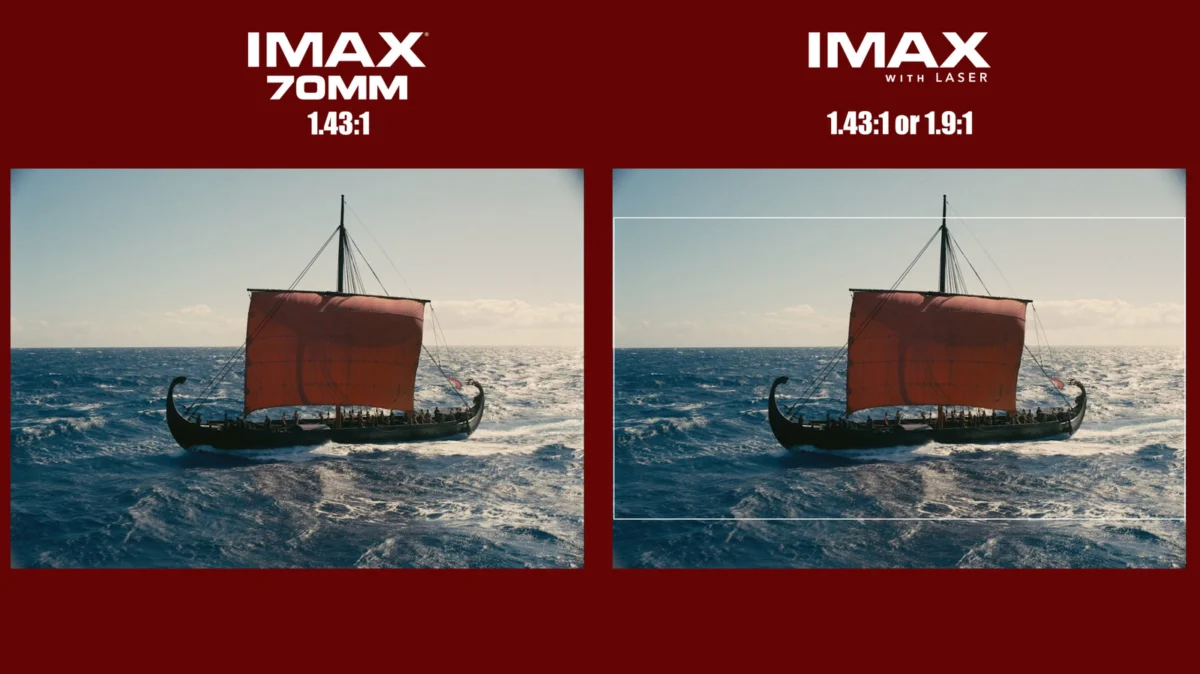
The theater experience is no longer a monolithic concept. For decades, the local multiplex offered a standardized, if unremarkable, way to consume stories. However, the resurgence of celluloid—championed by visionary directors like Christopher Nolan—has bifurcated the landscape of premium cinema. With the release of The Odyssey, the first feature film captured entirely using IMAX 70mm film cameras, the debate between "true" film projection and modern digital laser systems has reached a fever pitch.
While marketing materials often blur the lines between various "IMAX" experiences, the reality for the cinephile is nuanced. To understand why a dedicated audience will travel hundreds of miles to sit in a specific theater, one must look beyond the brand name and into the mechanics of light, frame size, and resolution.
The Hierarchy of Formats: Main Facts
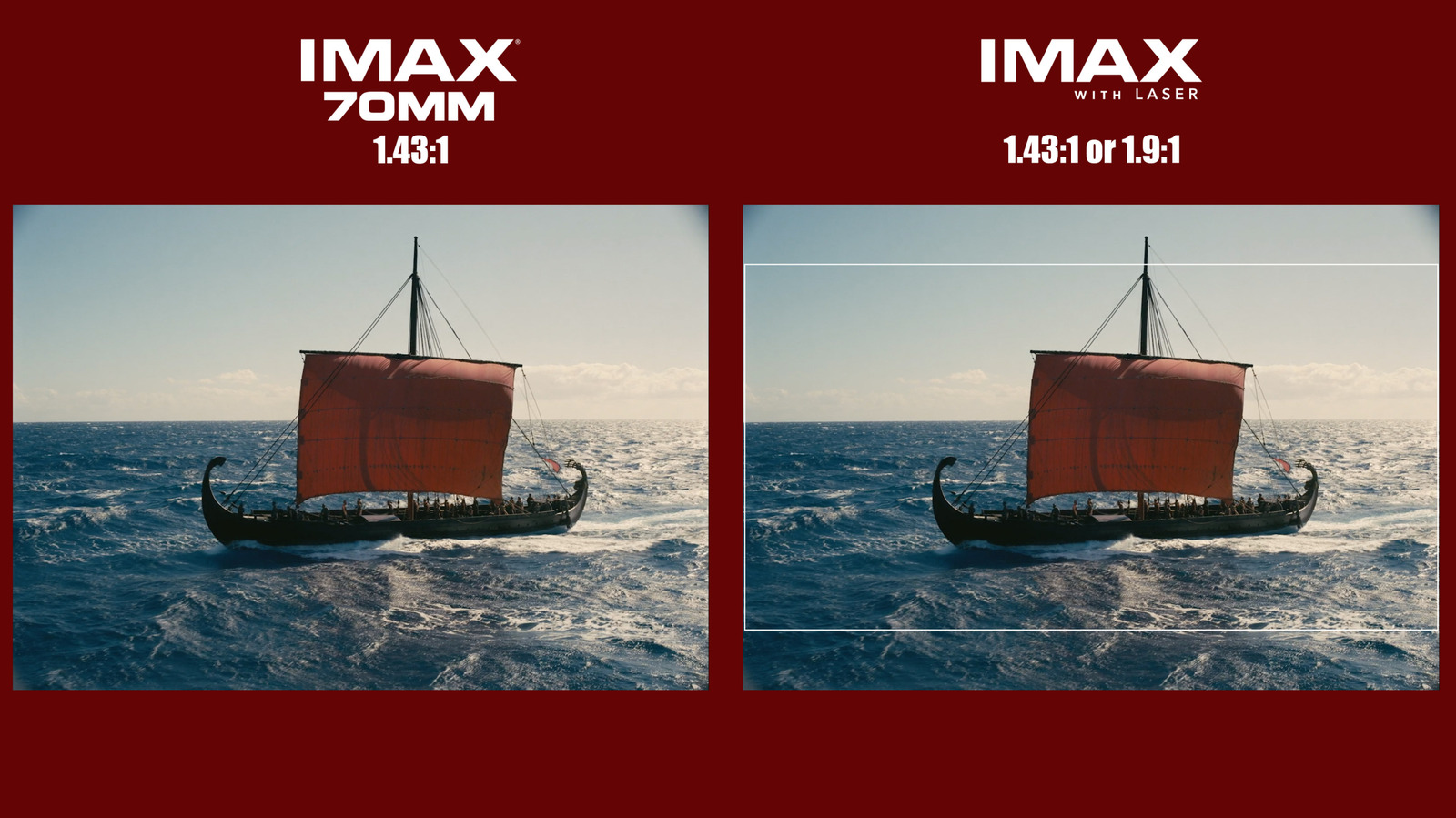
At the top of the hierarchy sits IMAX 70mm, a format that remains the gold standard for cinematic fidelity. It utilizes a massive 15-perforation-per-frame (15/70) capture and projection process. When projected, it delivers an image with an aspect ratio of 1.43:1, filling a vertical space that far exceeds the standard widescreen formats of modern television and typical cinema.
Conversely, IMAX with Laser is the modern digital successor. While it lacks the raw, organic resolution of a 70mm film print, it introduces superior contrast ratios, deep blacks, and consistent brightness through high-powered laser light engines. Understanding these differences requires looking at how images move from the camera to the screen.
A Chronological Evolution of Large Format Cinema
The history of large-format film is a testament to the industry’s desire for "immersion" before the term became a digital buzzword.
- The 1960s & 70s (The Birth of 70mm): Before IMAX, Super Panavision 70mm became the hallmark of epic filmmaking. By shooting on 65mm negative and projecting on 70mm print, filmmakers could achieve a sharpness and clarity that 35mm simply could not touch.
- The Rise of IMAX (1970–2000s): IMAX originally debuted as a specialty format for museums and science centers. It was never intended for narrative feature films until the format began to expand into commercial theaters, slowly proving that audiences craved the "giant screen" experience for blockbusters.
- The Digital Transition (2008–2015): As digital projection became cost-effective, IMAX began installing digital xenon-bulb projectors. While convenient, these systems significantly reduced the image scale and resolution compared to the original film prints, leading to the creation of the term "LieMAX" among internet enthusiasts.
- The Laser Era (2015–Present): To combat the loss of quality, IMAX introduced dual-laser projection. This allowed digital theaters to regain the 1.43:1 aspect ratio and provided a significant leap in brightness, bridging the gap between digital convenience and the "true" IMAX experience.
Supporting Data: Resolution, Brightness, and Scale
To appreciate the technical disparity, one must look at the data points that define these systems.
The IMAX 70mm Advantage
The 15/70 film frame is roughly 69.8mm wide and 48.5mm tall. This massive surface area allows for an effective resolution often cited by experts as equivalent to 18K digital capture. When projected using 15kW water-cooled xenon bulbs, the light output is roughly 7.5 times that of a standard theater. This intensity is necessary to push light through the dense film stock and illuminate a screen that can stand up to 79 feet tall.
The Digital Laser Reality
Digital IMAX with Laser utilizes dual 4K projectors. While 4K is the current consumer standard, it pales in comparison to the 18K equivalent of film. However, the trade-off is in "dynamic range." Laser projectors can achieve "true black" by turning off pixels (in the case of some high-end displays) or by utilizing sophisticated light-steering optics. This provides a level of contrast that film—which inherently has a slight "noise" or grain floor—cannot match.
The Production Bottleneck: Why "True" IMAX is Rare
The primary reason you don’t see every blockbuster in IMAX 70mm is simple: economics and physics.
The Cost of Excellence
The Odyssey represents a massive financial undertaking. The production required the development of a new, quieter camera system to ensure that the sound of the 70mm film mechanism—which is essentially a mechanical monster—did not interfere with dialogue recording. Furthermore, a single 70mm IMAX print costs upwards of $80,000 to manufacture and ship. These prints are massive, weighing hundreds of pounds and requiring specialized projectionists to assemble and run.
The Scarcity of Infrastructure
There are fewer than 40 theaters globally capable of projecting 15/70 film prints. This scarcity turns a movie screening into an "event," comparable to a live concert. The infrastructure requires a massive booth, a vertical screen orientation, and a highly skilled staff, making it unsustainable for the vast majority of suburban multiplexes.
Official Industry Perspectives
Representatives from IMAX Corporation have long argued that the digital experience is not "inferior," but rather "consistent."
"Our goal with Laser was to ensure that a viewer in a small market receives the same high-contrast, bright, and immersive experience as a viewer in a major metropolitan hub," says an industry insider. While they acknowledge the historical significance of 70mm, the company maintains that the future of the format lies in the stability and accessibility of laser technology.
Conversely, directors like Christopher Nolan argue that the "soul" of the image resides in the photochemical process. From their perspective, the slight imperfections, the grain, and the sheer physical depth of a film print create an emotional connection that digital pixels—no matter how sharp—cannot replicate.
Implications for the Future of Filmmaking
The continued existence of 70mm IMAX film is not merely a nostalgic hobby; it is a vital check on the digital industry. By maintaining a high-water mark for quality, filmmakers like Nolan, Denis Villeneuve, and others force digital camera manufacturers (like Arri and Panavision) to innovate, pushing sensors to capture more dynamic range and finer detail.
How to Choose Your Experience
For the average viewer, the implications are practical:
- Seek out 15/70 Film: If you are within driving distance of a theater playing The Odyssey (or similar titles) in true 70mm, prioritize this. It is a dying art form and a singular human experience.
- Opt for GT Laser (1.43:1): If 70mm is unavailable, search for "IMAX with Laser" theaters that support the 1.43:1 aspect ratio. These are the "second tier" of quality and offer a fantastic, high-contrast, high-brightness experience.
- Standard 70mm (5/70): If you cannot access an IMAX screen, standard 70mm is still vastly superior to 35mm or 2K digital projection. It offers a warmth and detail that remains unmatched in the digital sphere, even if it lacks the massive vertical height of IMAX.
Ultimately, the format you choose dictates the story you receive. While the digital revolution has made cinema more accessible, the analog resurgence proves that in an age of infinite convenience, audiences still crave the rare, the massive, and the tangible. Whether you are staring at a 18K film projection or a high-contrast 4K laser display, the goal remains the same: to disappear into the screen. As cinema continues to evolve, the distinction between these formats will remain the most critical factor in defining the future of the big-screen experience.

 Ali Ikhwan
 Asep Darmawan