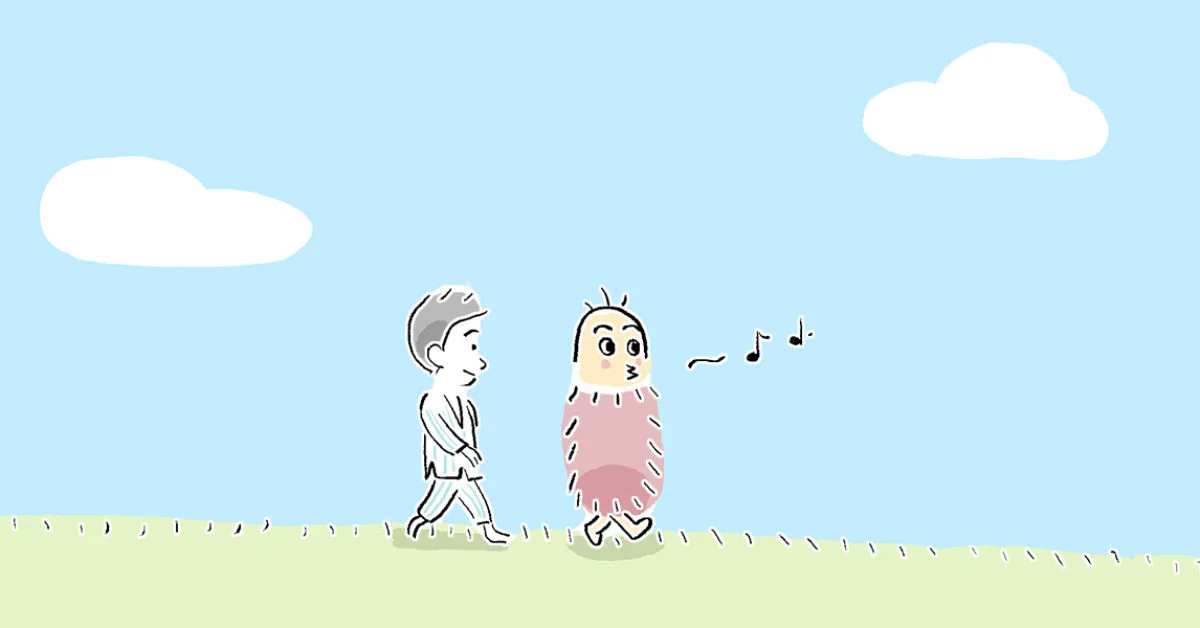
The global media landscape is undergoing a profound transformation, driven largely by the meteoric rise of the South Korean webtoon industry. Once considered a niche digital format characterized by vertical scrolling and mobile-first aesthetics, webtoons have emerged as the primary source material for some of the most compelling narratives in modern entertainment. Standing at the forefront of this shift is the upcoming digital drama adaptation of Big See, a critically acclaimed series from Lezhin Comics, which promises to redefine how audiences engage with serialized storytelling through a bold hybrid of live-action and animation.
Main Facts: A New Frontier in Digital Dramaturgy
Lezhin Entertainment, under the leadership of CEO Lee Sung Eob, officially announced that Big See—a poignant and visually striking webcomic—will be adapted into a ten-episode digital drama series by Kakao M. The project represents a significant departure from traditional episodic formats, utilizing a short-form structure with episodes clocking in at under 15 minutes each. This format is specifically optimized for the mobile-first environment of the KakaoTalk platform, catering to a generation of viewers who consume content on the go.
The series features a stellar cast, headlined by Ji Soo, known for his work in My First First Love, alongside Lee Seol. Behind the camera, the production is equally formidable. Kim Dong-ha has been tapped to direct the live-action sequences, while the animated segments—a crucial component of the show’s aesthetic—are being helmed by Han Ji-won, widely regarded as one of Korea’s foremost animators. This convergence of talent aims to create what producers describe as a "new reality," effectively bridging the gap between the grounded, harsh nature of the story and the ethereal, dreamlike qualities afforded by animation.
Chronology: From Digital Panels to the Global Screen
The journey of Big See from a digital comic strip to a high-profile production is a testament to the power of the source material. Written by the acclaimed author Kim Botong, Big See made history as the first title to ever be awarded the prestigious "Manhwa of the Day" prize in South Korea. The story, which chronicles the final, deeply personal journey of a young man diagnosed with terminal cancer, resonated with a massive audience, eventually accumulating over 20 million views worldwide.
The project follows in the footsteps of Kim Botong’s other successful work, D.P Dog’s Day, which is currently in pre-production for a major Netflix adaptation. The acquisition of Lezhin Studio by Lezhin Entertainment in 2018 acted as the catalyst for this expansion. Since that acquisition, the studio has sought to bridge the gap between static webtoon panels and the fluid medium of television, producing successful dramas such as Method and Chomi’s Interest. As of mid-2020, the studio is actively balancing a high-profile slate, including Method: A Second Attempt and the highly anticipated Netflix original series Hell.
Supporting Data: The Webtoon Phenomenon
To understand the magnitude of the Big See adaptation, one must look at the data driving the webtoon industry. Webtoons have become the dominant comics format in South Korea and are rapidly gaining traction in international markets. By utilizing a vertical scrolling dynamic designed specifically for the aspect ratios of smartphones, the medium has circumvented the barriers of traditional print comics, which often feel cumbersome on smaller screens.
The success of Big See is not an outlier but a symptom of a larger trend. With tens of millions of active users worldwide, webtoon platforms like Lezhin Comics have created a pipeline of intellectual property that studios are aggressively competing to secure. The "webtoon-to-screen" pipeline is now a cornerstone of the K-Drama industry, offering established fanbases and proven narrative arcs that mitigate the risks associated with original screenplays.
Furthermore, the decision to produce Big See as a hybrid of live-action and animation is a strategic response to the source material’s artistic intent. By utilizing animation to depict the protagonist’s internal state, dreams, and the deterioration of his physical reality, the production team is able to convey complex emotional beats that might be lost in a standard live-action adaptation.
Official Responses and Creative Vision
The creative team behind the project has been vocal about the unique challenges and opportunities this adaptation presents. A representative from Lezhin Studio noted that the blending of mediums is essential to the show’s identity.
"We are incredibly excited to see the performances of Lee Seol and Ji Soo combined with the fantastic atmospheres and environments only possible through animation," the representative stated. "Our goal is to create a new reality that dives deep into the horizon between the real world and dreams. This is not just an adaptation; it is a re-imagining of how we perceive the narrative."
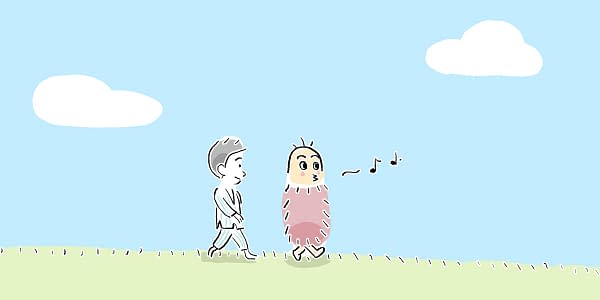
Director Kim Dong-ha and animator Han Ji-won are working in close collaboration to ensure that the transition between the two mediums feels seamless rather than jarring. The animation is intended to serve as a psychological mirror, shifting in tone as the protagonist’s illness progresses, thereby grounding the viewer in the character’s subjective experience.
Implications: The Future of Short-Form Content
The Big See adaptation signals a shift toward a more fragmented, platform-specific future for television. By designing a series specifically for the KakaoTalk platform, the producers are acknowledging that the future of serialized content is not tethered to traditional broadcast schedules or 60-minute blocks.
This model offers several implications for the industry:
- Lower Barrier to Entry: By keeping episodes under 15 minutes, the production lowers the barrier for viewers, making it easier to consume the content during commutes or short breaks.
- Platform Integration: The integration of content directly into a social and messaging app like KakaoTalk creates a symbiotic relationship between content consumption and social sharing, potentially accelerating the virality of the show.
- Creative Freedom: The hybrid animation/live-action format proves that digital dramas are willing to take creative risks that major network television might deem too experimental.
- IP Monetization: For companies like Lezhin Entertainment, the transition from webtoon to digital drama is the ultimate proof of concept for their intellectual property, turning a static digital asset into a multi-dimensional brand.
Conclusion
As Big See prepares for its release, it stands as a marker for a new era of storytelling. The project is more than just a translation of a popular comic; it is a sophisticated exploration of how modern technology can be used to tell deeply human stories about mortality, dreams, and the fragility of life.
With Lezhin Studio’s track record of producing successful dramas and the continued support of the burgeoning webtoon industry, Big See is poised to become a benchmark for future digital adaptations. As audiences continue to shift away from traditional media consumption, the success of this series will likely dictate how studios approach the vast library of untapped webtoon narratives waiting to be brought to life. Whether through the lens of a camera or the strokes of an animator, the horizon between the real world and the dream world is becoming increasingly blurred, and in the case of Big See, that blur is exactly where the beauty lies.