Ali Ikhwan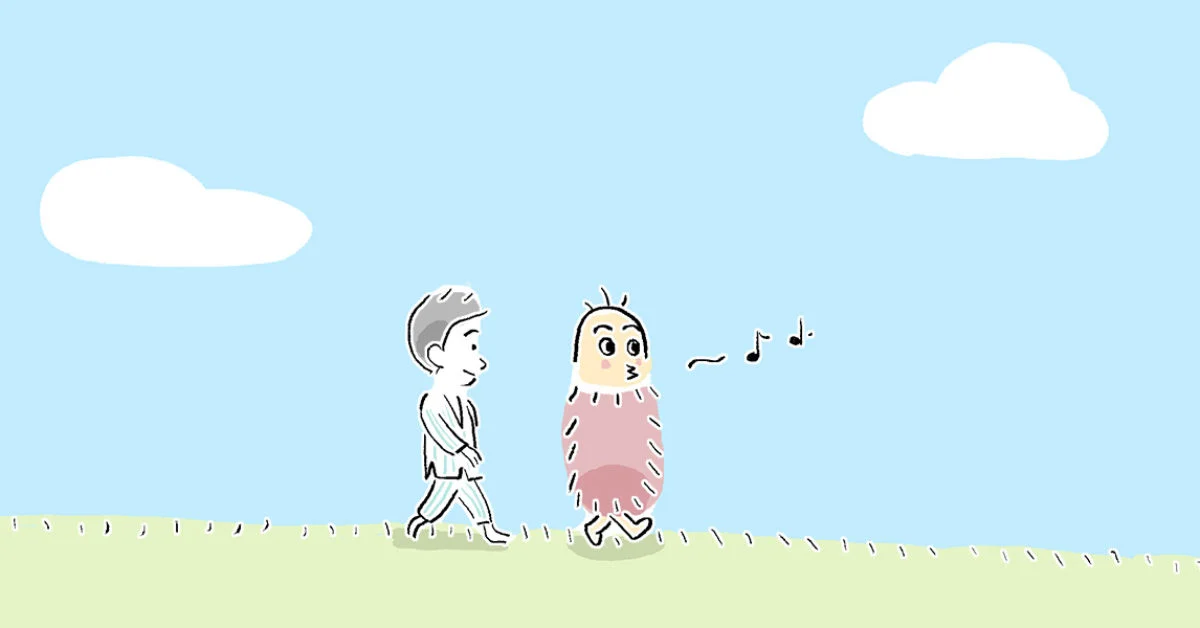
The landscape of global entertainment is undergoing a tectonic shift, moving away from traditional broadcast television and toward the agile, high-engagement world of digital-first content. At the forefront of this revolution is the South Korean webtoon industry—a powerhouse of creative IP that has successfully transitioned from vertical-scrolling smartphone comics to the streaming giants of the world. The latest project to bridge this divide is the digital drama adaptation of Big See, one of Lezhin Comics’ most beloved titles, which is currently being developed by Kakao M.
This adaptation is not merely another "comic-to-screen" project. It represents a bold experiment in hybrid storytelling, blending live-action cinematography with high-end animation to capture the ethereal, poignant nature of the original source material.
The Core Narrative: A Journey Through the Horizon of Life
At its heart, Big See is a profoundly emotional narrative. Written by the critically acclaimed Kim Botong, the story follows a young man grappling with the terminal stages of cancer. Rather than descending into the tropes of standard medical drama, the series explores the "horizon between the real world and dreams." It is a meditation on mortality, legacy, and the human capacity to find beauty in the shadow of an impending end.
The source material’s success is undeniable, boasting over 20 million views globally. It holds the distinction of being the first title to ever be awarded the prestigious "Manhwa of the Day" prize in South Korea, cementing its status as a cultural touchstone. Its transition to the screen is highly anticipated, largely because Kim Botong has established himself as a master of character-driven, melancholic storytelling—a reputation further bolstered by his other hit, D.P. Dog’s Day, which is currently in production for Netflix.
A Chronology of the ‘Big See’ Adaptation
The journey of Big See from a digital scroll to a multi-platform drama has been a calculated strategic move by Lezhin Entertainment.
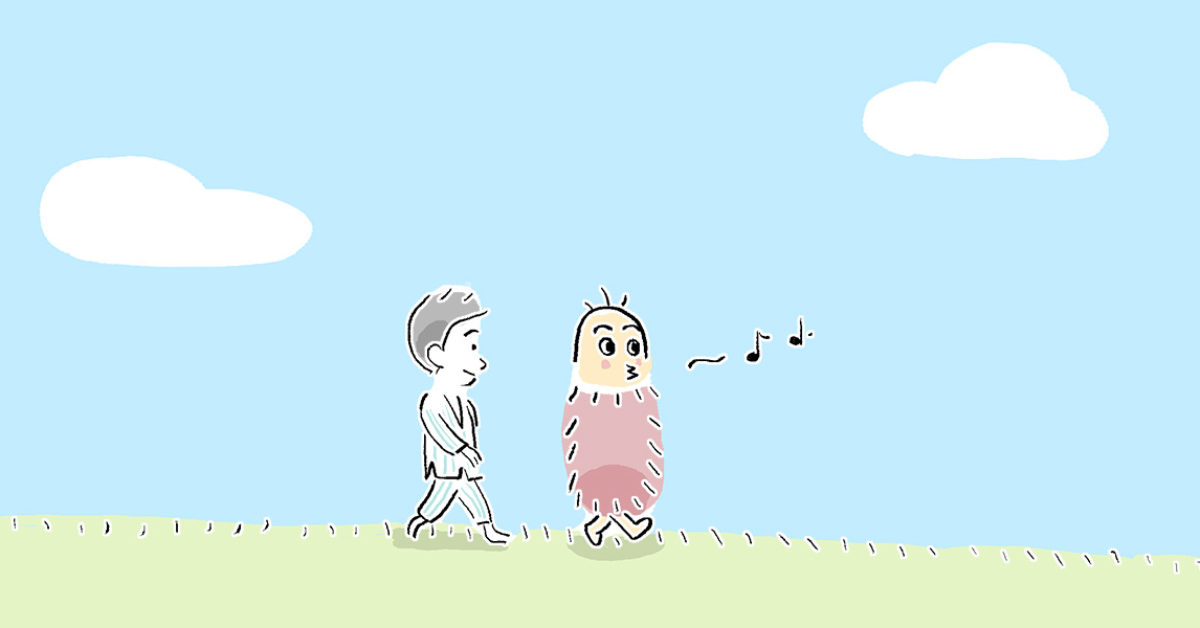
- 2018: The Consolidation: Lezhin Entertainment acquires the film production company Lezhin Studio. This move was designed to internalize the adaptation process, allowing the company to retain greater creative control over its intellectual properties.
- Early 2020: Development Phase: Lezhin Studio begins internal pre-production, focusing on how to translate the unique visual language of a webtoon into a medium that feels native to mobile devices.
- August 4, 2020: The Official Announcement: Lezhin Entertainment officially confirms that Big See will be adapted into a ten-episode digital drama series, with Kakao M as the primary distributor.
- Late 2020: Target Release: The production timeline was slated for the latter half of 2020, with the series optimized specifically for the KakaoTalk video platform.
The Creative Engine: Bridging Realism and Imagination
What sets the Big See adaptation apart is its ambitious visual strategy. The production has enlisted a two-pronged creative team to ensure the "dream-like" quality of the webtoon is preserved:
- The Live-Action Lens: Director Kim Dong-ha has been tapped to helm the live-action sequences. Known for his grounded approach to storytelling, Dong-ha is tasked with grounding the emotional weight of the protagonist’s illness in the real world.
- The Animated Dimension: To represent the protagonist’s internal state and the surreal boundaries between life and death, the production brought in Han Ji-won, one of Korea’s most prominent animators. By weaving animation into the live-action narrative, the show creators aim to manifest the abstract imagery found in the original comic.
The cast is equally pivotal. Starring Ji Soo (known for My First First Love) and Lee Seol, the series relies on their ability to carry the heavy emotional load of the script. As the Lezhin Studio representative noted, the synergy between these two actors and the shifting, fantastical environments created through animation is designed to "create a new reality."
Industry Context: The Webtoon Dominance
To understand the significance of Big See, one must look at the meteoric rise of the webtoon format. Originating in South Korea, webtoons are engineered for the smartphone era. Their vertical-scrolling interface, vibrant color palettes, and episodic release schedules have garnered tens of millions of loyal readers worldwide.
Lezhin Entertainment, under the leadership of CEO Lee Sung Eob, has been a critical player in this ecosystem. By establishing Lezhin Studio, they have successfully pivoted from being a content aggregator to a full-service production house. Their portfolio is growing rapidly; beyond Big See, they are working on Method: A Second Attempt and the highly anticipated Netflix original series Hell. This transition signals a broader trend: webtoons are no longer just "side content" for comic fans; they are the primary source material for the next generation of global prestige television.
Official Responses and Strategic Implications
The partnership between Lezhin and Kakao M is a masterclass in platform synergy. By opting to release the show on the KakaoTalk video platform—a massive, ubiquitous ecosystem in South Korea—the producers are ensuring that the show reaches its target demographic: mobile-native users who are accustomed to consuming high-quality content in short, digestible bursts.
The decision to limit the series to ten episodes, each under 15 minutes, is a deliberate choice. It acknowledges the changing attention economy. In an era where viewers are often overwhelmed by "binge-watch" culture, Big See offers a "micro-dosing" experience—a short, intense emotional encounter that fits perfectly into a daily commute or a quiet moment of reflection.
The Broader Implications for Global Streaming
The success of projects like Big See has profound implications for the international media landscape:
- Democratization of IP: The "Webtoon-to-Drama" pipeline allows for a diverse range of stories that might have been rejected by traditional, risk-averse television networks to find an audience.
- Visual Hybridity: The use of animation in live-action series is becoming more mainstream. We are moving toward a future where the line between "animated" and "filmed" content is porous, allowing for a more fluid visual language.
- Mobile-First Production: As smartphone screens become the primary television for millions, production houses are rethinking cinematography. Wide-angle shots are being replaced by intimate close-ups, and pacing is being adjusted to ensure engagement on smaller displays.
Conclusion: A New Frontier
As the industry watches the release of Big See, it is clear that the project is a bellwether for the future of digital entertainment. By marrying the profound, heart-wrenching storytelling of Kim Botong with the technical innovation of Lezhin Studio and the distribution might of Kakao M, the series is poised to do more than just entertain. It seeks to redefine how we consume digital drama.
Whether it succeeds in its mission to blur the lines between the real world and the dream world remains to be seen. However, one thing is certain: the webtoon revolution is far from over. If Big See hits the mark, it will provide a blueprint for countless other digital creators, proving that the most powerful stories are often those that start with a single, vertical scroll on a smartphone screen. As the horizon between our devices and our reality continues to shrink, Big See stands as a testament to the enduring power of the human narrative, no matter the medium in which it is told.

 Sagoh
Sagoh
 Layla Zulfa