Layla Zulfa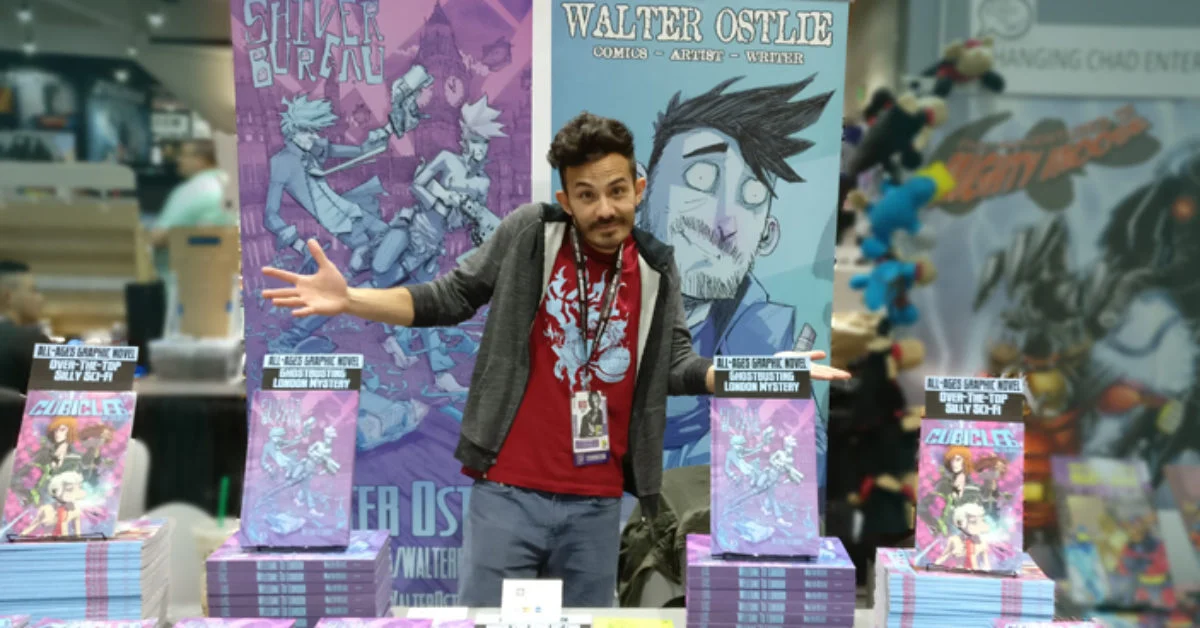
In the ever-evolving landscape of modern sequential art, few creators have managed to bridge the gap between traditional print media and the digital-first revolution as effectively as Walter Ostlie. A self-taught polymath of the comic medium, Ostlie’s career serves as a blueprint for the contemporary independent creator—one who balances the rigorous demands of weekly web-serialization with the high-stakes, fan-funded world of Kickstarter graphic novels.
From his breakout work on Cubicles to the absurdist, high-octane success of Metalshark Bro, Ostlie has remained a consistent force in the industry. In an exclusive conversation with fellow creator Greg Anderson Elysee, Ostlie peels back the curtain on the technical, professional, and personal hurdles that define life as a full-time comic professional in 2020 and beyond.
A Chronology of Artistic Persistence
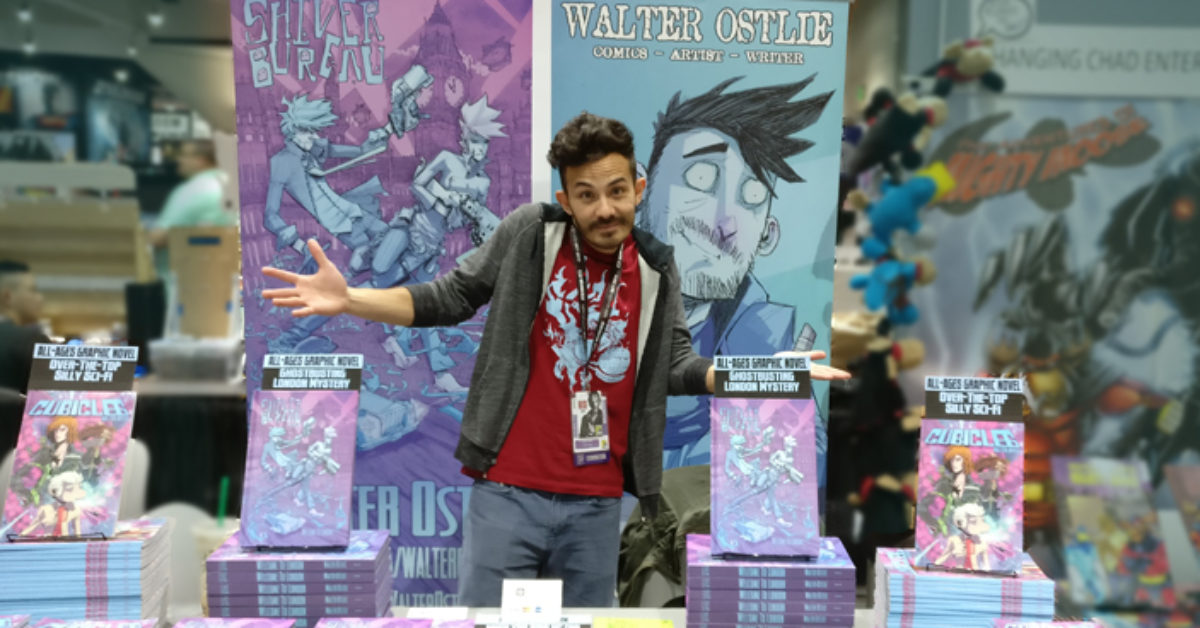
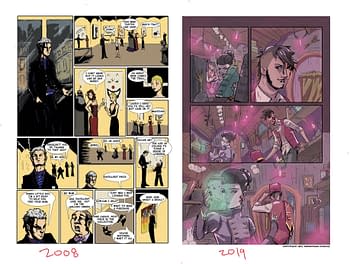
Walter Ostlie’s journey into the comic industry began in 2008, a period characterized by intense self-study. By 2011, he had successfully launched his first graphic novel, Cubicles, published by Red5 Comics. This initial success provided the foundation for his sophomore effort, Shiver Bureau, a project that would prove pivotal in his career trajectory.
Shiver Bureau, a Victorian-esque supernatural tale set in an alternate London, became a benchmark for independent success when it raised over $13,000 on Kickstarter. The book’s success eventually caught the eye of Scout Comics, leading to a wider distribution deal that introduced Ostlie to a broader audience.
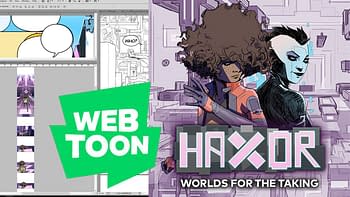
However, it was his transition into the Webtoon ecosystem that marked the most significant shift in his career. His project Haxor captured the attention of Webtoon’s editorial staff, leading to a "Featured" designation. This professional milestone provided the stability required for Ostlie to make the life-changing decision to quit his 9-to-5 employment and transition into full-time, self-employed comic creation—a leap he finalized in late 2017.
The Webtoon Revolution: A Paradigm Shift
For many creators accustomed to the traditional American comic model, the Webtoon platform represents a "game-changer." As Ostlie explains, the platform operates on a model that blends the accessibility of YouTube with the high-production values of professional streaming services.
"Webtoon is webcomics, but to the power of a million," Ostlie notes. "Anyone can make a comic, post to Webtoon, and potentially make ad revenue. However, Webtoon is also like Netflix in that they fund comics—their ‘Originals.’ They pay the creators a publishing fee, and importantly, the creators retain their Intellectual Property (IP)."
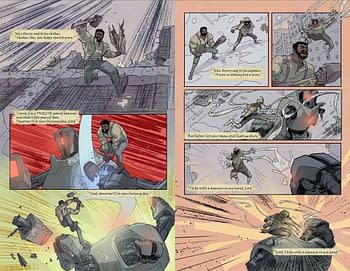
The shift from print to the "infinite vertical scroll" format required a fundamental restructuring of Ostlie’s storytelling techniques. He describes the process as "reprogramming" everything he knew about traditional pacing. While wide splash pages and complex, multi-tiered panels are the staples of physical comic books, the vertical format allows for a different kind of character study—one where a creator can utilize ten consecutive panels of a single face, slowly shifting an expression from confusion to horror, effectively building emotional depth in a way that traditional layouts struggle to accommodate.
The Technical Reality of a Full-Time Creator
The demands of a weekly Webtoon schedule are notoriously intense. A single episode can equate to 6–8 traditional comic pages, requiring the creator to handle writing, penciling, inking, coloring, and lettering on an unrelenting deadline. This necessity for efficiency has fundamentally shaped Ostlie’s artistic style.
"Speed may be the catalyst for my art style," Ostlie admits. "I started making comics while working a 9-to-5. There just wasn’t a lot of time. So, I found ways to simplify my art to make the process faster and churn out more creations."
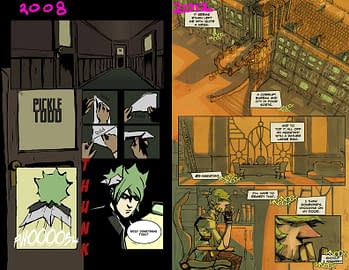
Contrary to the belief that artistic growth only comes from slow, methodical study, Ostlie argues that the "obstacle course" of comic creation—constantly forcing oneself to draw hands, faces, buildings, and monsters on a deadline—is the ultimate teacher. "You can’t walk away from a 100-page comic without having grown in some way," he asserts.
Supporting Data: The Kickstarter Phenomenon
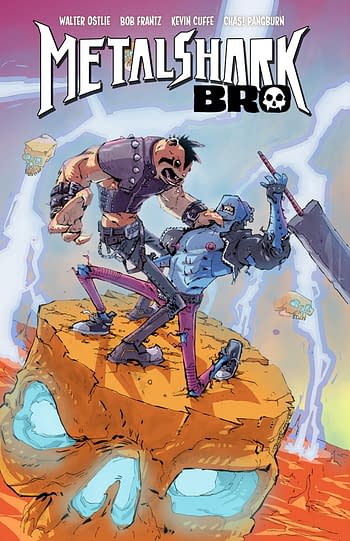
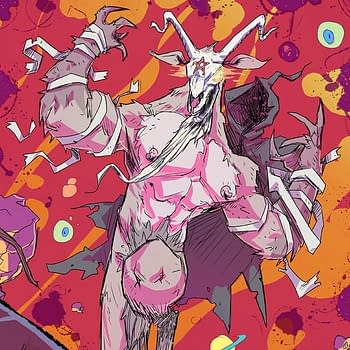
If Webtoon provided the infrastructure for a steady career, Kickstarter provided the capital for ambition. Metalshark Bro, Ostlie’s most recent high-profile project, serves as a testament to the power of community-driven funding. Raising over $50,000, the project—a "were-shark battling demons"—defies standard genre classification.
The success of Metalshark Bro also highlights the importance of collaborative synergy. Working with writers Bob Frantz and Kevin Cuffe, and under the editorial guidance of Chas Pangburn, Ostlie found the freedom to explore the "ridiculous" and "stupid" in the best possible way. This project, now distributed through Scout Comics, underscores a growing market trend: audiences are increasingly hungry for high-concept, creator-owned works that prioritize fun and unique visual language over corporate-mandated "prestige" narratives.
Professional Advice: The Writer-Artist Relationship
During his discussion with Greg Anderson Elysee—himself an award-winning writer known for Is’nana the Were-Spider—the pair touched on the often-fraught relationship between writers and artists. Ostlie offers a simple, yet essential, piece of advice for the industry: Open the dialogue.
"A writer needs to be okay with telling an artist that something isn’t right. An artist needs to be okay with telling a writer that a scene doesn’t work," Ostlie explains. He emphasizes that the "translation" of a vision is the hardest part of the process. When a writer provides a script that says "there is a box," the artist is forced to fill in the gaps: the lighting, the texture, the atmosphere. When a creator writes and draws their own work, that vision is inherent. When working with others, the communication must be precise to avoid friction.
Implications for the Future of Comics
As Ostlie looks toward 2021 and beyond, he maintains a strict boundary regarding his workload, choosing to avoid additional freelance projects to focus on his own, as-yet-unannounced, big-ticket project. His career trajectory highlights several key implications for the future of the medium:
- The Death of the Gatekeeper: With platforms like Webtoon and crowdfunding sites like Kickstarter, creators no longer need to wait for traditional publishers to validate their work.
- The Rise of the Stylized Aesthetic: As seen in Ostlie’s admiration for artists like Skottie Young, Ben Templesmith, and Daniel Warren Johnson, the industry is moving away from the "standard" hyper-realistic house style of the 90s in favor of work that is uniquely alien and deeply personal.
- Educational Transparency: Ostlie’s YouTube channel, which has amassed thousands of subscribers, signals a shift in how knowledge is passed down. Rather than hoarding techniques, the new generation of comic creators is building a community of open-source knowledge, simplifying the "technical and mundane" aspects of the job to help others break into the industry.
Conclusion
Walter Ostlie represents a new archetype in the comic industry: the sustainable creator. By managing a rigorous "old person schedule" (7 AM wake-ups, disciplined work blocks, and a dedicated day for YouTube content), he has successfully navigated the pitfalls that typically claim indie creators. Whether he is drawing a were-shark, a spider-hero, or a Victorian ghoul-hunter, Ostlie remains driven by the same compulsion that started him in 2008—not necessarily for grand artistic meaning, but because the act of creation is as mundane and essential to him as breathing.
For those looking to follow his path, his message is clear: focus on your output, embrace the technical challenges, and never stop building your own engine.

 Lina Irawan
 Lina Hope