Suro Senen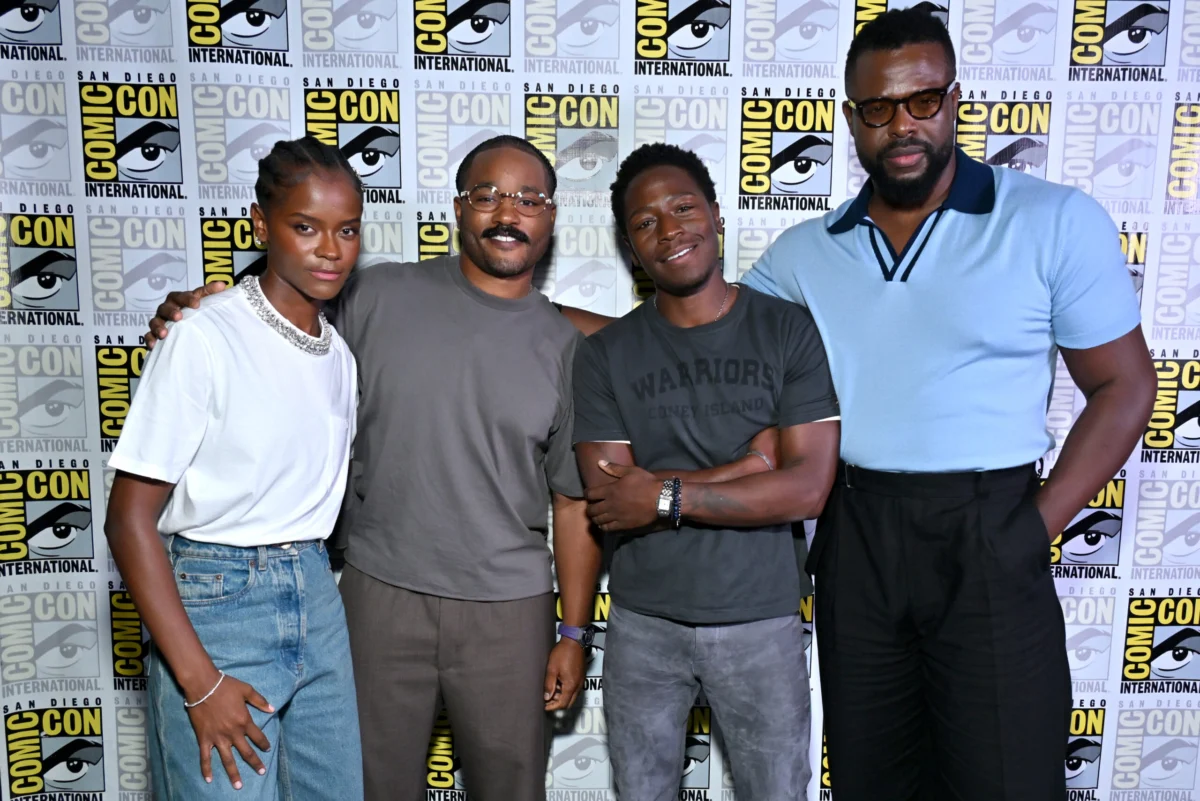
The Marvel Cinematic Universe is poised for a significant evolution as the studio officially pulls back the curtain on the future of its most prestigious franchise. During a high-octane Hall H presentation at San Diego Comic-Con, Marvel Studios confirmed that the mantle of the Black Panther will be carried forward by rising star David Jonsson in the highly anticipated Black Panther 3.
For months, industry insiders and fans alike speculated on how the studio would navigate the post-Wakanda Forever landscape. Now, with the official announcement that Jonsson will portray Prince T’Challa II—the son of the late King T’Challa—the path forward for the kingdom of Wakanda is finally clear.
The Secret Meeting: An Instinctual Casting Choice
The casting process for a role as culturally and commercially significant as the Black Panther is typically a months-long, exhaustive operation involving rigorous screen tests and boardroom deliberations. However, according to Marvel boss Kevin Feige, the search for the next lead was interrupted by an act of creative intuition that bypassed the traditional red tape.
In an exclusive interview with Empire, Feige revealed that the decision to cast David Jonsson, known for his compelling turns in The Long Walk and Industry, was driven almost entirely by the singular vision of director Ryan Coogler.
"We hadn’t started a search yet," Feige admitted. "Ryan was working on Sinners, and when Ryan works on a project, he’s all in. The presumption was that we would sit with him after Sinners came out, after the Academy campaign. We were waiting until after the Academy Awards to sit with Ryan and begin that process."
That timeline was abruptly accelerated when Coogler reached out to Feige with a definitive proclamation: "I found him."
The subsequent meeting between Coogler and Jonsson was shrouded in absolute secrecy. Describing the encounter, Feige noted, "He had a secret meeting with him under the cloak of darkness in a hotel somewhere, and called me afterwards and said, ‘He’s the guy, he’s the guy. I felt it in my soul. He’s a good man, and he is the next Black Panther.’ And I got chills, and I got a little welled-up and said, ‘Let’s do it.’ So we’ve been sitting on this secret for a good five or six months."
Chronology of a Legacy: From 2018 to 2028
The journey of the Black Panther franchise has been one of the most remarkable chapters in modern cinematic history. Understanding the weight of the casting news requires looking back at the foundation built over the last decade.
- 2018: The original Black Panther, directed by Ryan Coogler, premieres to near-universal acclaim. It breaks box office records, grossing $1.3 billion worldwide, and becomes the first superhero film to be nominated for a Best Picture Academy Award.
- 2020: The industry and the world are devastated by the passing of Chadwick Boseman, the original T’Challa, at the age of 43 following a private battle with colon cancer.
- 2022: Black Panther: Wakanda Forever is released. The film serves as both a tribute to Boseman and a transition for the franchise, with Letitia Wright’s Shuri officially assuming the mantle of the Black Panther to defend her nation.
- 2024–2025: Marvel Studios enters a period of development for the third installment, with Ryan Coogler focusing on other creative endeavors, including his project Sinners.
- Early 2028: The secret meeting between Coogler and Jonsson occurs, finalizing the creative direction for the third film.
- July 2028: Marvel officially announces David Jonsson as the lead during San Diego Comic-Con.
- December 15, 2028: The scheduled global theatrical release of Black Panther 3.
Supporting Data: The Economic and Cultural Impact
The Black Panther franchise is more than a series of films; it is a global cultural phenomenon. The economic success of the series has provided Marvel with the capital and the platform to take bold creative risks, such as casting relative newcomers in marquee roles.
With a lifetime gross exceeding $2 billion across the first two films, the pressure on Black Panther 3 to perform is substantial. However, the choice of Jonsson—a critically lauded actor whose work spans prestigious television and independent film—signals a move toward a more character-driven, emotionally nuanced performance.
Furthermore, the return of core cast members Letitia Wright and Winston Duke provides a bridge between the previous era and the new. Wright’s performance as Shuri proved that the audience was ready for a shift in leadership, and her presence in the third film suggests a mentorship dynamic between the established hero and the maturing Prince T’Challa II.
Official Responses and Creative Direction
The reaction from the creative team has been one of immense pride and excitement. Ryan Coogler, who has been the architect of the franchise’s success, has remained steadfast in his commitment to the soul of the story. His decision to trust his instincts over a corporate casting process speaks to the level of autonomy he has earned within the Marvel ecosystem.
For the fans, the announcement marks the beginning of a new chapter. Prince T’Challa II represents the future of the kingdom—a bridge between the traditions of the past and the technological advancements of the future. The "coming-of-age" narrative arc, as described in the official press release from the San Diego Comic-Con panel, promises a film that balances the scale of a summer blockbuster with the intimacy of a family drama.
Implications: The New Guard of the MCU
The casting of David Jonsson has significant implications for the future of the Marvel Cinematic Universe. By focusing on the growth of a new hero rather than attempting to replicate the specific energy of the previous iteration, Marvel is signaling that the franchise is capable of evolution.
1. Diversification of Talent
By elevating an actor with Jonsson’s background, Marvel continues its trend of identifying high-caliber talent from the independent circuit and placing them in massive, high-stakes environments. This approach has historically yielded strong results, grounding fantastical superhero stories in relatable, human performances.
2. A Shift in Tone
The transition from Shuri’s grief-fueled journey in Wakanda Forever to the "coming-of-age" story of T’Challa II in the upcoming sequel suggests a tonal shift. Audiences can expect a film that explores the burden of legacy, the pressure of leadership, and the discovery of identity.
3. Long-Term Franchise Stability
With a December 2028 release date, Marvel is positioning Black Panther 3 as a centerpiece of its late-decade strategy. This gives the studio ample time to integrate the new Panther into other potential crossover projects, ensuring that the character remains a pillar of the MCU for years to come.
Conclusion
As we look toward December 2028, the excitement surrounding David Jonsson’s debut is palpable. The "secret meeting" that brought him into the fold is a testament to the trust Marvel places in its directors and the lengths to which they will go to protect the creative integrity of their most prized intellectual property.
In the end, the success of Black Panther 3 will not be measured solely by its box office returns, but by its ability to honor the legacy of those who came before while carving out a distinct, meaningful path for the future. With Ryan Coogler at the helm and David Jonsson wearing the mantle, the throne of Wakanda appears to be in steady hands. The world waits with bated breath to see how the Prince becomes the King.

 Nana Wu
 Jia Lissa