Nila Kartika Wati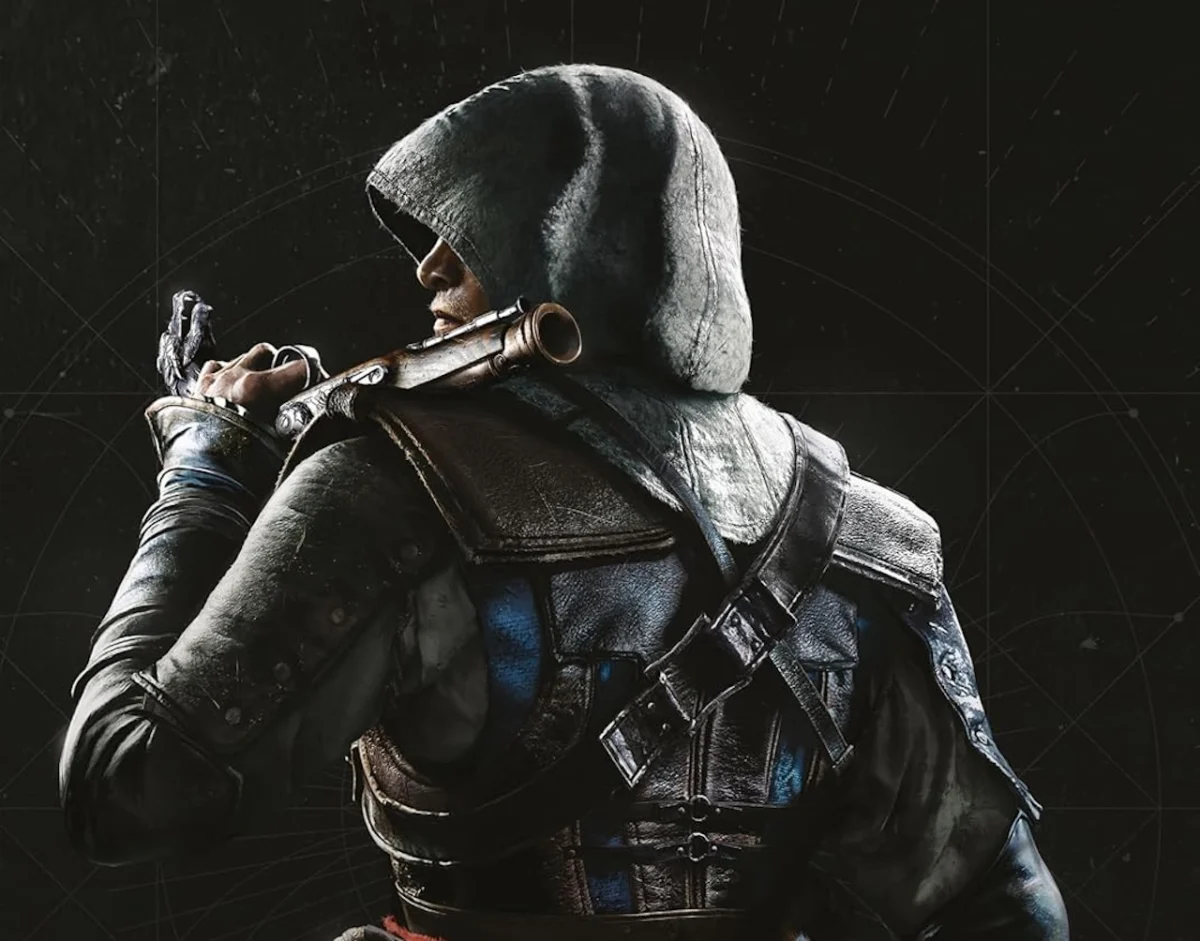
For nearly two decades, the Assassin’s Creed franchise has served as Ubisoft’s flagship vessel, navigating through the Italian Renaissance, the icy fjords of the Viking Age, the philosophical landscapes of Ancient Greece, and the fires of the American Revolution. Yet, among this vast armada of titles, 2013’s Assassin’s Creed IV: Black Flag remains a cultural touchstone. It redefined the open-world pirate experience, offering a masterclass in naval combat, island exploration, and the complex, morally grey intersection of the Assassin Brotherhood and the Templar Order.
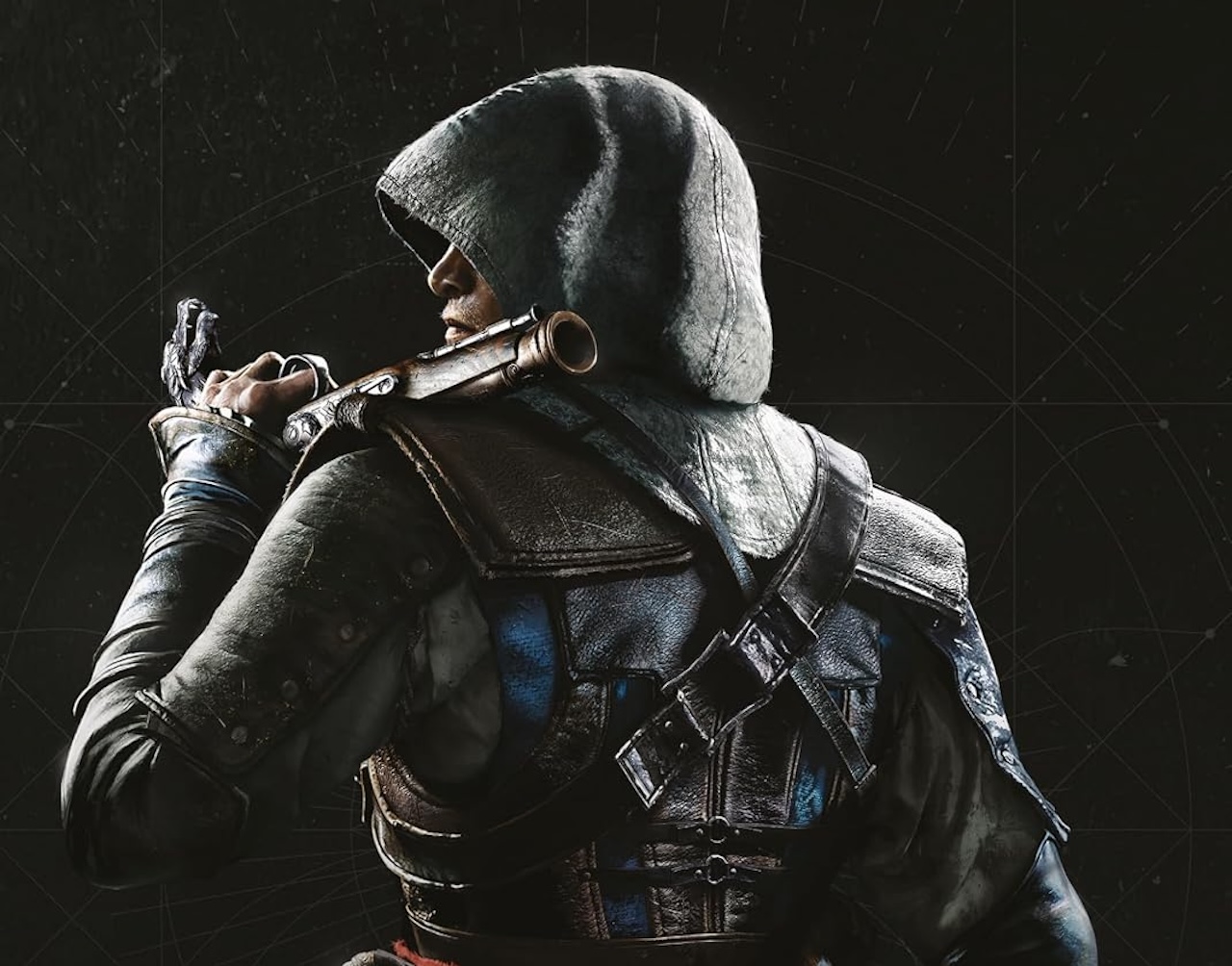
With the release of Assassin’s Creed: Black Flag Resynced, fans are once again invited to set sail on the high seas. To accompany this modern reimagining, Titan Books has released The Art of Assassin’s Creed: Black Flag Resynced, a massive compendium intended to document the craft behind the remake. However, while the book succeeds as a visual feast, it often founders when it comes to providing the substance and development context that a $50 price point demands.
Main Facts: A Visual Treasure Trove
At its core, The Art of Assassin’s Creed: Black Flag Resynced is an unapologetic celebration of artistic labor. In an industry where developers and digital artists frequently operate behind the veil of corporate non-disclosure agreements, this book serves as a vital acknowledgment of their contributions. The volume is sprawling, packed with exhaustive model sheets, environment concepts, and character renders that highlight the staggering amount of work poured into the "Resynced" project.

The layout is, without question, the book’s strongest asset. Titan Books has clearly prioritized the aesthetic experience, utilizing large-format pages and high-fidelity printing to ensure that the intricate brushwork of Ubisoft’s art team takes center stage. The book is segmented into distinct chapters focusing on locations, character design, and the game’s signature naval combat.
Chronology: From the Golden Age to the Present
To understand the significance of this book, one must look at the timeline of the Assassin’s Creed franchise. Since the debut of the original game in 2007, the series has undergone a metamorphosis from a stealth-action title to a sprawling, live-service-adjacent RPG model. Black Flag represented a pivotal turning point—a moment where the franchise mastered the "sandbox" philosophy.
- 2007: The original Assassin’s Creed introduces the Animus and the secret war.
- 2013: Assassin’s Creed IV: Black Flag is released, shifting the focus to naval warfare and open-world maritime exploration.
- 2026: Assassin’s Creed: Black Flag Resynced launches, aiming to bring the classic title up to current-gen technical standards.
- Present: The release of this art book aims to bridge the gap between the nostalgic roots of the 2013 title and the technical advancements of the modern remake.
Despite this clear historical arc, the book largely fails to capitalize on the opportunity to compare the two. Readers looking for a retrospective on how the series has evolved—or how the Resynced version alters the visual DNA of the original—will find themselves wanting. The book treats the remake as a siloed entity rather than a continuation of a legacy, missing a prime opportunity to contextualize the evolution of Ubisoft’s creative philosophy over the last 13 years.
Supporting Data: The Cost of Content
The economic reality of The Art of Assassin’s Creed: Black Flag Resynced presents a significant barrier to entry. Priced at $50, the book positions itself as a premium collector’s item. However, the depth of the text does not match the depth of the imagery.
The most glaring issue is the sparsity of information regarding the development process. For a project as ambitious as a full-scale remake of a fan-favorite, one would expect deep-dive interviews with creative directors, lead artists, and engine architects. Instead, the book offers thin, often repetitive captions that offer little insight into the "why" or "how" of the creative choices.
Critical Analysis of Content Distribution:

- Naval Combat Section: The highlight of the book. It features stunning, frame-worthy depictions of pirate ships engaging in skirmishes with British and Spanish armadas. This is where the book truly shines.
- Environment Design (Nassau): While technically impressive, this section suffers from over-saturation. It consumes a disproportionate amount of page count, leaving little room for more nuanced discussions.
- Character Development: The "glow-up" of Edward Kenway is glossed over. Fans of the character are left wondering about the design iterations, the discarded concepts, or the technical hurdles of recreating his iconic look for modern hardware.
Official Responses and Industry Context
Ubisoft has, in recent years, faced a challenging reputation within the gaming community, ranging from public discourse regarding their corporate culture to the mixed reception of their recent live-service titles. Consequently, the release of an art book for a "Resynced" title feels like a corporate-mandated effort to lean into nostalgia.
While there have been no official rebuttals from the publisher regarding the content density, the tone of the book suggests a defensive, surface-level approach. By keeping the commentary light and the "fun facts" limited to generic history—facts that most fans of the pirate genre already know—the book avoids the risks associated with discussing the actual, messy realities of game development. It is a "sanitized" view of the creative process, which, while visually pleasant, feels hollow to those seeking a genuine "behind-the-scenes" experience.
Implications for the Future of Franchise Art Books
The trajectory of this release poses a question for the industry: What is the purpose of an art book in the digital age? If an art book is simply a gallery of pre-existing assets that could be viewed in higher resolution on an ArtStation portfolio, then its value proposition is inherently weak.

The implication here is that publishers are increasingly prioritizing "coffee table" appeal over literary or educational substance. For a franchise as lore-heavy as Assassin’s Creed, this is a missed opportunity. Fans are not just buying art books for the pretty pictures; they are buying them for the narrative of the game’s creation. They want to know why a specific island layout was changed, how the physics of the water were tuned, and how the art team handled the transition from old-gen to current-gen rendering.
Conclusion
The Art of Assassin’s Creed: Black Flag Resynced is a beautiful book that hits the aesthetic mark but misses the intellectual one. For the die-hard fan who simply wants to gaze upon the lush, vibrant seas of the Caribbean and the detailed rigging of the Jackdaw, it is a successful purchase. The layouts are top-tier, the printing quality is excellent, and the art itself is nothing short of breathtaking.
However, for the reader seeking a comprehensive history of the game’s development or a critical analysis of the remake process, the book feels like a shallow dive. At $50, it is a luxury item that feels incomplete. It is a testament to the incredible talent of the individual artists at Ubisoft, but it is also a reminder that when it comes to the "Art of" series, the industry needs to provide more than just ink and paper—it needs to provide the story behind the canvas. Until publishers realize that context is just as valuable as content, these books will continue to navigate in troubled, shallow waters.

 Sagoh
Sagoh
 Ammar Sabilarrohman