Iffa Jayyana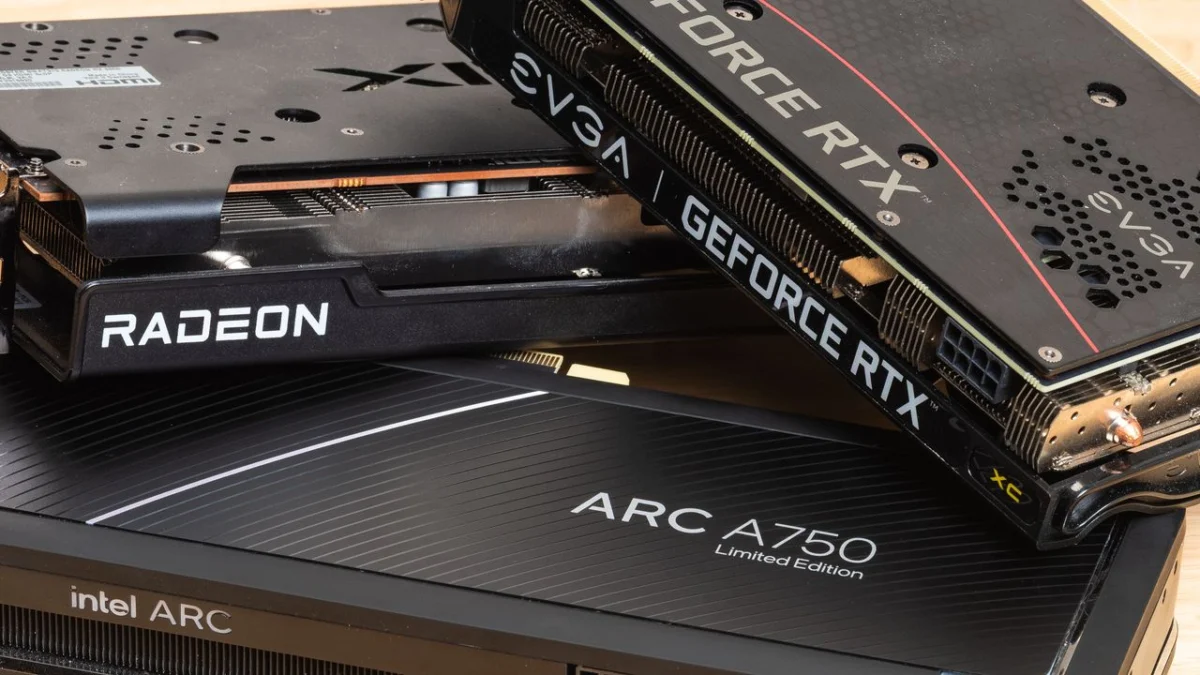
The global hardware landscape is currently weathering a turbulent storm that threatens to derail the aspirations of gamers and professional creators alike. As the component supply chain struggles to keep pace with insatiable demand, manufacturers have been forced to implement aggressive price hikes across their entire graphics card lineups. Recent disclosures from major hardware players MSI and Colorful have confirmed what many in the enthusiast community feared: the cost of entry for next-generation gaming has reached an all-time high, with some RTX 50-series cards now retailing for up to 59% above their original Manufacturer’s Suggested Retail Price (MSRP).
This volatility is not contained within a single brand or a specific geographical region. While the most stark data points emerge from the Chinese market, the inflationary pressure on GDDR6 and GDDR7 memory modules is a global phenomenon. From the entry-level RTX 5050 to the flagship-class RTX 5090 D, the cost of silicon is climbing, and it shows no sign of receding.
The Anatomy of the Price Hike: A Chronology of Escalation
The recent price adjustments are the culmination of a year-long squeeze on semiconductor components. Industry observers first noted the tightening of supply in early 2024, as the massive investment in AI infrastructure began to cannibalize the production capacity previously allocated for consumer-grade graphics processing units.
Phase One: The Initial Squeeze
Early last year, the market remained relatively stable, though subtle price creeping was observed. Manufacturers, operating on thin margins, absorbed initial increases in raw material costs. However, by the third quarter, the cost of VRAM—the critical memory component that dictates the performance ceiling of modern GPUs—began to spiral. Reports indicate that the price per memory module spiked by approximately $20. While that figure may seem modest in isolation, when compounded across the high-density memory arrays required for 16GB and 24GB cards, the impact on total production cost becomes profound.
Phase Two: Official Adjustments
The situation reached a breaking point this month when MSI and Colorful released updated pricing schedules for the Chinese market. MSI’s internal documentation provided a transparent, albeit alarming, look at the transition. By comparing the "old" prices—which themselves were already hovering above MSRP—against the newly adjusted figures, we can see a systemic shift. The RTX 5080 Shadow 3X OC, for example, saw a 20% jump in a single week, moving from 10,000 Yuan to 12,000 Yuan.
Phase Three: The Market Response
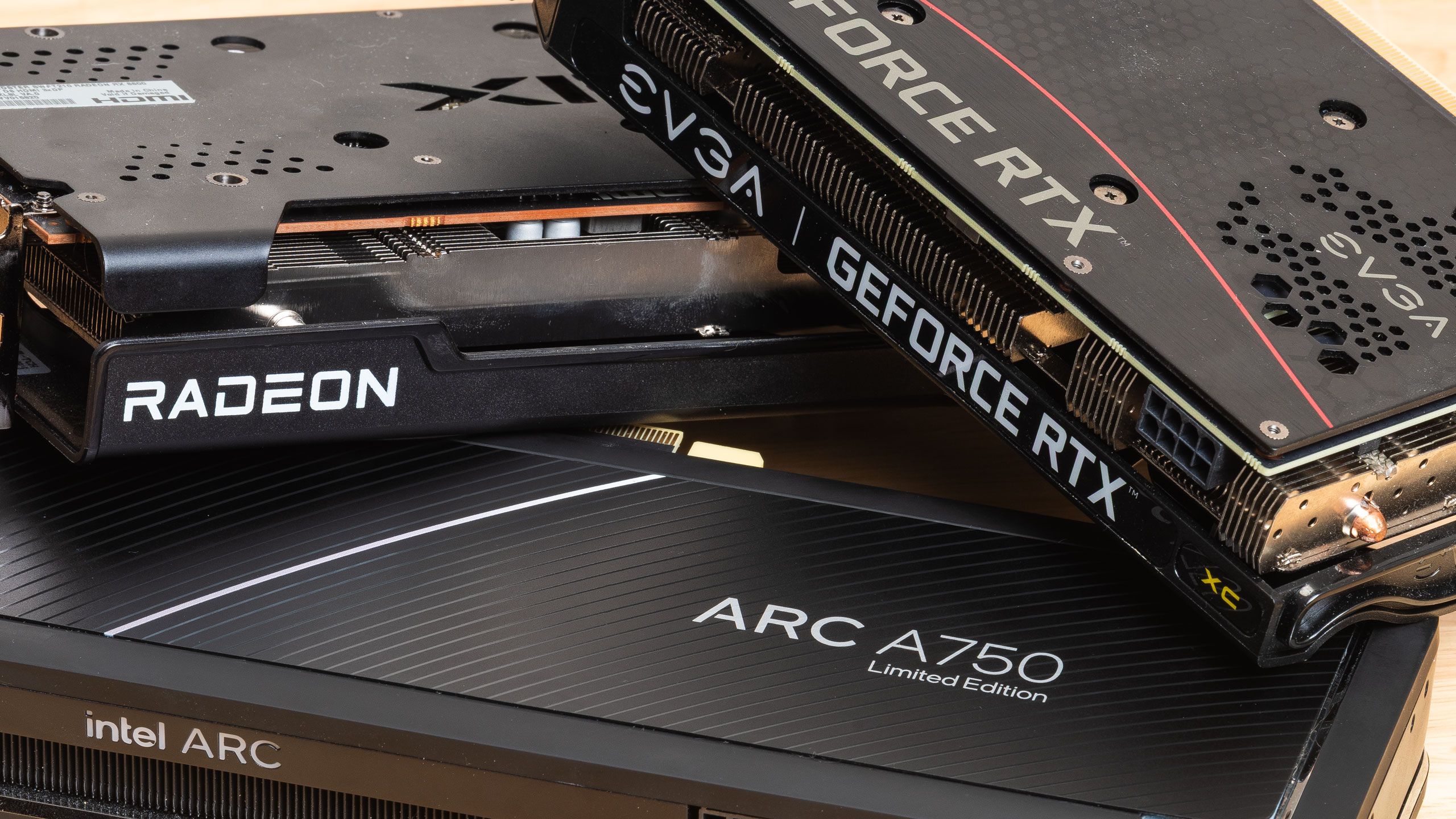
As distributors and retailers adjust their stock to reflect these higher wholesale costs, the "street price" for GPUs from AMD and Intel has also drifted upward. While Nvidia’s Blackwell-based cards are the primary focus of these reports, the market-wide shortage of memory components means that no manufacturer is immune.
Supporting Data: By the Numbers
To understand the severity of this crisis, one must look past the "percentage increase" and focus on the deviation from the intended MSRP. The gap between what a card is supposed to cost and what it actually costs has widened into a chasm.
MSI’s Adjusted Pricing Landscape
MSI’s catalog reveals a tiered approach to these price hikes. The RTX 5090 D V2, a performance-optimized variant for the Chinese market, has seen its price balloon to 57.5% above its MSRP. Similarly, the RTX 5070 Ti Gaming Trio OC now commands a premium of 76% over its base price, making it one of the most inflated assets in the current retail environment.
| Product Model | MSRP (Yuan) | New Price (Yuan) | vs. MSRP |
|---|---|---|---|
| RTX 5090 D V2 24G | 16,499 | 25,999 | +57.58% |
| RTX 5080 16G Gaming Trio | 8,299 | 12,999 | +56.63% |
| RTX 5070 Ti 16G Gaming Trio | 5,499 | 9,699 | +76.38% |
| RTX 5060 8G Gaming Trio | 2,199 | 3,199 | +45.48% |
Colorful’s Market Positioning
Colorful, another titan of the Chinese GPU market, has taken a similar trajectory. Their Vulcan series, which targets the high-end enthusiast segment, demonstrates the "premium penalty" perfectly. The RTX 5080 Vulcan W OC is currently retailing at 13,199 Yuan—a massive 59% increase over the official MSRP of 8,299 Yuan. This data confirms that even for premium-tier cards, where margins are typically healthier, manufacturers are passing the full weight of the component crisis onto the consumer.
The Catalyst: Why VRAM is the "Smoking Gun"
The central narrative behind these price surges is the escalating cost of VRAM. Modern gaming requires high-bandwidth memory to handle textures and compute loads for titles and applications. Industry analysts have highlighted a convergence of factors contributing to this specific bottleneck:
- AI Prioritization: SK Hynix, Samsung, and Micron have redirected significant portions of their output to High Bandwidth Memory (HBM) production, which is essential for the AI servers fueling the current industry boom. This has effectively throttled the supply of standard GDDR6 and GDDR7 chips.
- The "Module Tax": With a $20 increase per module, a standard 8GB card (which typically utilizes multiple modules) sees a production cost increase of nearly $100 after factoring in the associated taxes and logistics. A 16GB card, which carries twice the memory overhead, is seeing its base production cost rise by upwards of $180 before the card even leaves the factory.
- Supply and Demand Equilibrium: The combination of constrained supply and persistent consumer demand has created a "perfect storm." As supply fails to meet demand, retailers feel little pressure to offer competitive pricing, leading to the current state of market inflation.
Official Responses and Industry Sentiment
While manufacturers have not issued broad apologies, they have been vocal about the "constraints" of the current market. Nvidia CEO Jensen Huang has famously remarked on his affinity for these "constraints," arguing that they force the industry to innovate and focus on the highest-value products. However, for the average consumer, this translates to a market where "choice" is being replaced by "availability at any price."
Lobbying groups representing semiconductor giants like Micron and Samsung have also been active, pushing back against potential government intervention in the memory market. These groups argue that price caps or subsidies could disrupt the natural market cycle and potentially worsen the supply situation. Instead, they have suggested that tax deductions for consumer electronics might be a more effective way to shield the end-user from the brunt of these costs.
The Long-Term Implications for the Consumer
The immediate question for gamers is whether this is a temporary blip or a "new normal." Based on current industry reports, there is little reason to believe that relief is on the horizon.
The Death of the "Budget" Card
The most concerning trend is the rapid disappearance of the entry-level GPU. As the cost of memory modules rises, the "floor" for pricing is being raised significantly. When an entry-level RTX 5060 is priced 45% above its MSRP, it effectively moves that card into the mid-range price bracket, leaving a void where affordable gaming hardware used to reside.
The "Buy Now" Mentality
Fearmongering has become a standard marketing tool. Manufacturers and retailers are effectively signaling to the public that waiting for prices to drop is a losing strategy. The narrative is clear: buy now, because the cost of silicon is only heading in one direction.
The Shift Toward Cloud Gaming and Integrated Graphics
If this trend continues, the hardware market may see a permanent contraction. If the price of a dedicated graphics card remains prohibitive for the average gamer, we may see a migration toward cloud-based gaming services or a renewed focus on high-performance integrated graphics, which are becoming increasingly capable.
Conclusion: A Market in Flux
The current state of the GPU market is a stark reminder of the fragile nature of our global tech infrastructure. A single bottleneck in the production of memory modules has triggered a cascade of price hikes that has effectively dismantled the traditional MSRP model. While manufacturers are currently insulated by the high demand for AI-adjacent technology, the gaming community is left to navigate a landscape where high-performance hardware is becoming an increasingly exclusive luxury.
For now, the advice from industry analysts remains consistent: monitor the market, understand the real costs of the components involved, and manage expectations. The era of cheap, accessible high-end gaming hardware is currently in hiatus, and until the production capacity of the memory sector catches up with the massive demand for both AI and gaming, the consumer is unlikely to see a return to the price points of years past.

 Nana Wu
 Ammar Sabilarrohman