Ammar Sabilarrohman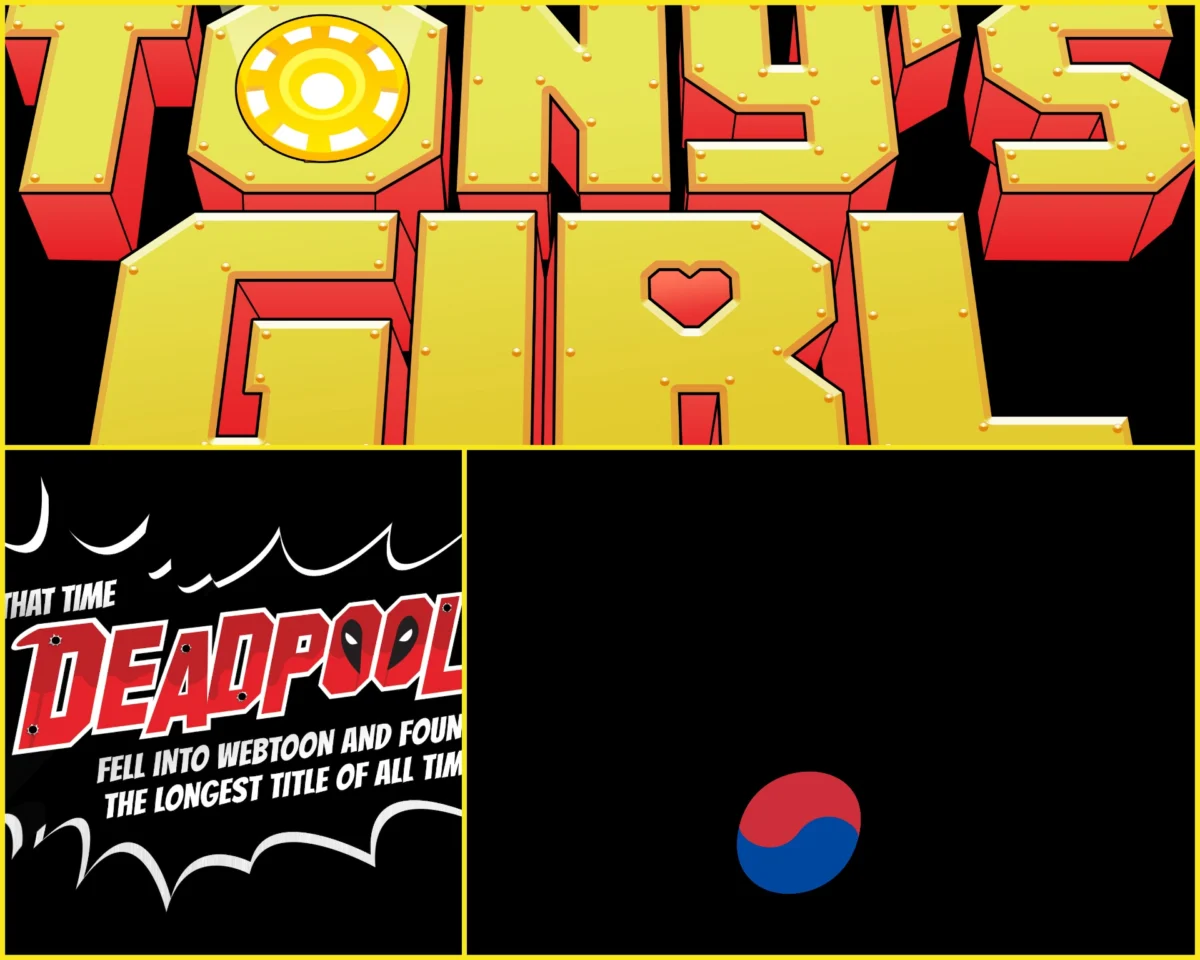
The landscape of digital comics underwent a seismic shift at San Diego Comic-Con (SDCC) 2026, as Marvel Entertainment and WEBTOON officially announced a strategic expansion of their ongoing partnership. Moving beyond the mere digital adaptation of classic print runs, the two entertainment giants unveiled the "Marvel Originals" initiative—a slate of entirely new, original series designed from the ground up to utilize the unique, vertical-scroll format that has defined the global success of the WEBTOON platform.
This collaboration signals a maturation in how legacy comic book publishers approach mobile-first digital media. By marrying the vast, iconic character library of the Marvel Universe with the high-engagement, immersive design philosophy of WEBTOON, Marvel is clearly positioning itself to capture a younger, mobile-native demographic that consumes narratives in snackable, infinite-scroll segments.
The Core Lineup: A Trio of Genre-Bending Narratives
The announcement featured three distinct titles, each leaning into different tropes of the digital comic medium while maintaining the core DNA of Marvel’s intellectual property.

1. Tony’s Girl: The High-Stakes Romance
Written by CRC Payne with art by StarBite, Tony’s Girl reimagines a young Tony Stark in a coming-of-age setting. Set shortly after his graduation from MIT, the story finds a rebellious, arrogant Tony under the thumb of his father, Howard Stark. Frustrated by his son’s reckless public image, Howard forces Tony into etiquette training—a classic "fish out of water" scenario for the future Iron Man.
The narrative hook centers on his encounter with Meredith McCall, the daughter of Howard’s fiercest business rival. In a classic Romeo-and-Juliet dynamic, the pair navigate mutual disdain that slowly unfurls into a forbidden romance. This title is designed to appeal to the massive romance-webtoon audience, utilizing the vertical-scroll format to emphasize emotional facial expressions and slow-burn character development.
2. That Time Deadpool Fell Into WEBTOON…and Found The Longest Title of All Time!!!
True to form, the Merc with a Mouth is breaking the fourth wall—and the digital format itself. Written by Ucheomaaa with art by Annie Huang, this meta-narrative sees Wade Wilson transported into the chaotic, multi-genre ecosystem of WEBTOON.

The series is a self-aware parody of the platform’s most popular tropes. Readers can expect Deadpool to stumble through regency romances, high-octane superhuman tournament arcs, dystopian post-apocalyptic survival stories, and the quintessential "Korean high school drama." It serves as an experimental playground for the creators, allowing them to showcase the versatility of digital storytelling while keeping the tone light and absurd.
3. X-Men Korea: A Localized Evolution
Perhaps the most ambitious project in the lineup, X-Men Korea is developed by the creative team at Studio LICO. The story follows Yeong-seo Go, a high school student whose life is upended when his mutant abilities manifest. He is whisked away to the Hoseok Academy for the Gifted—a clear, culturally relevant homage to the Xavier School.
The series explores themes of identity, corporate conspiracy, and the societal pressures of modern Korea, all viewed through the lens of the X-Men’s core metaphor for prejudice and evolution. This title represents a localized approach to the Marvel brand, demonstrating how the company is moving away from a "one-size-fits-all" storytelling model in favor of regional relevance.

Chronology of the Partnership
To understand the significance of this move, one must look at the timeline of Marvel and WEBTOON’s collaborative history:
- 2021-2022 (The Trial Phase): Marvel began licensing its library of classic print comics to be reformatted for the WEBTOON platform. This was primarily a discovery phase, aimed at testing whether existing Marvel fans would migrate to the mobile app and if webtoon readers would engage with traditional Western comic panels.
- 2023-2025 (Integration and Expansion): Marvel launched its official "Disney" and "Marvel" sections on WEBTOON, featuring titles like Eternals and Black Widow. The success of these titles provided the data necessary to justify the move to "Originals."
- July 2026 (The Paradigm Shift): At SDCC 2026, Marvel officially transitioned from an adapter of existing content to a creator of original digital content, launching the "Marvel Originals" initiative.
Supporting Data: Why Vertical Scroll?
The move to vertical-scroll is driven by hard data regarding consumer behavior. According to industry reports, the "webtoon" format has seen a year-over-year growth in user engagement of over 25% among readers aged 16–30. Unlike traditional comics, which require a "zoom-in, zoom-out" reading experience on mobile devices, vertical-scroll comics are optimized for the natural scrolling motion of a smartphone screen.
Data from the platform suggests that "Originals" (series created specifically for the platform) perform 40% better in terms of reader retention and "daily binge-reading" sessions compared to traditional comics that have been reformatted. For Marvel, this is an opportunity to keep users within their ecosystem for longer periods, turning passive readers into active, daily participants.

Official Responses and Strategic Vision
During the Marvel’s Next Big Thing panel, Marvel representatives emphasized that this move is about "meeting the audience where they live."
"We aren’t just putting comics on a phone," said a spokesperson for Marvel during the panel. "We are reimagining how a Marvel story is paced, how the action flows, and how the reader connects with the character. The vertical scroll is a new language of visual storytelling, and with Tony’s Girl and X-Men Korea, we are finally speaking it fluently."
The leadership at WEBTOON expressed similar enthusiasm, noting that the inclusion of Marvel’s iconic intellectual property provides a "bridge" for traditional comic fans to discover the webtoon medium, while simultaneously introducing Marvel characters to a global audience that may have never stepped foot in a local comic book shop.

Implications: The Future of the Comic Industry
The launch of Marvel Originals has several far-reaching implications for the comic book industry:
1. The Death of the "One-Size-Fits-All" Format
This shift suggests that publishers will increasingly diversify their output. Future Marvel projects may be split: long-form, complex narratives reserved for the print and graphic novel markets, and high-engagement, character-driven serials reserved for the digital-first market.
2. The Globalization of Characters
By allowing studios like Studio LICO to develop X-Men Korea, Marvel is acknowledging that its characters are global icons. We can expect to see more regionalized iterations of Marvel heroes in the coming years, potentially leading to stories set in India, Brazil, or Southeast Asia, tailored to local storytelling sensibilities.

3. A New Revenue Model for Creators
The WEBTOON model relies on "fast-pass" monetization—where readers pay a small fee to unlock chapters early. If these Marvel Originals prove successful, it could fundamentally change how Marvel compensates its writers and artists, potentially moving toward a royalty-based system tied to digital engagement and unlocking statistics rather than traditional print sales.
4. Competitive Pressure
With Marvel diving deep into the vertical-scroll market, competitors like DC Comics (who have dabbled in digital-first initiatives) will likely be forced to accelerate their own mobile-first strategies. The "digital arms race" has officially begun, and the winner will be determined by who can better capture the attention of the short-form, mobile-addicted reader.
Conclusion
The 2026 San Diego Comic-Con will likely be remembered as the moment Marvel committed to the digital-first future. By embracing the unique constraints and opportunities of the vertical-scroll format, the publisher is ensuring that its stories remain relevant to a generation that experiences life through the screen of a smartphone. Whether through the romantic entanglements of a young Tony Stark or the localized mutant struggles in X-Men Korea, Marvel is proving that even the oldest heroes can learn new tricks—or, in this case, new ways to scroll.

 Nila Kartika Wati
 Dwi Wanna