Layla Zulfa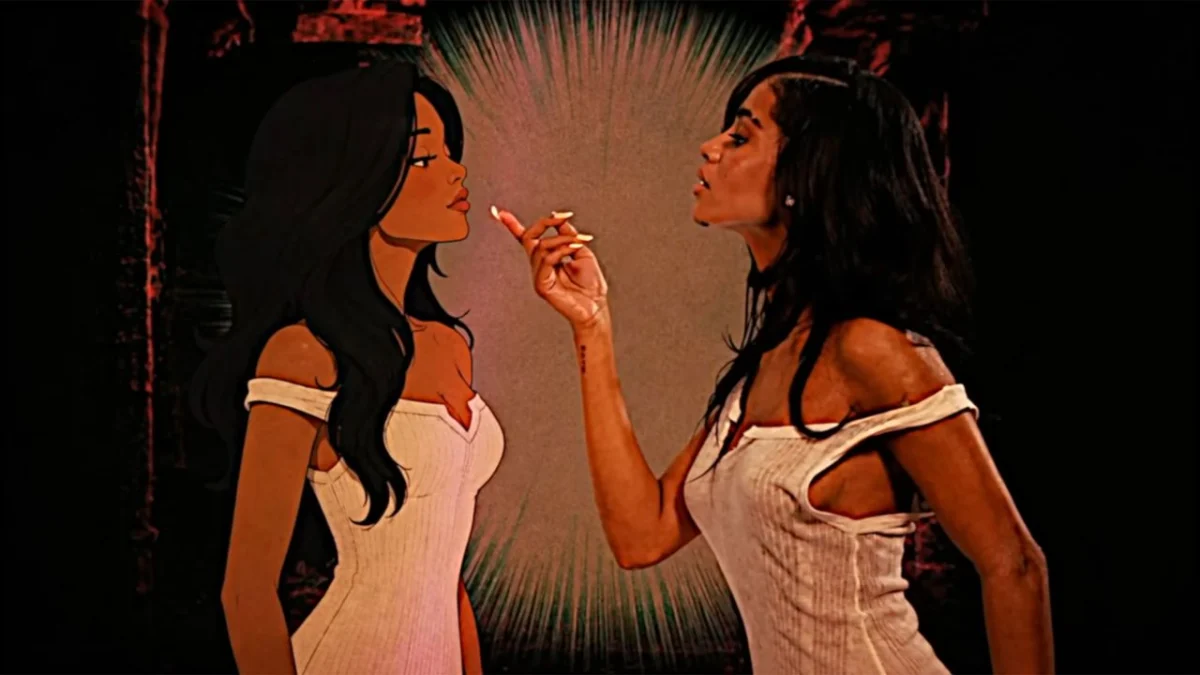
The release of a music video is typically a moment of celebration for an artist—a visual expansion of their sonic world. For South African singer-songwriter Tyla, however, the debut of her latest music video for the track "THAT GIRL" has ignited a firestorm of controversy that extends far beyond the realm of pop music. Instead of focusing on the melody or the choreography, the internet has turned its collective gaze toward the animation style, sparking a heated debate regarding the alleged use of generative Artificial Intelligence (AI) in professional creative production.
The controversy highlights a growing tension between high-budget artistry and the rapid, often controversial, adoption of AI tools. As viewers scrutinize the video frame by frame, they are uncovering a deeper, more systemic anxiety about the role of human labor in the creative industries.
The Catalyst: A Retro Aesthetic Under Fire
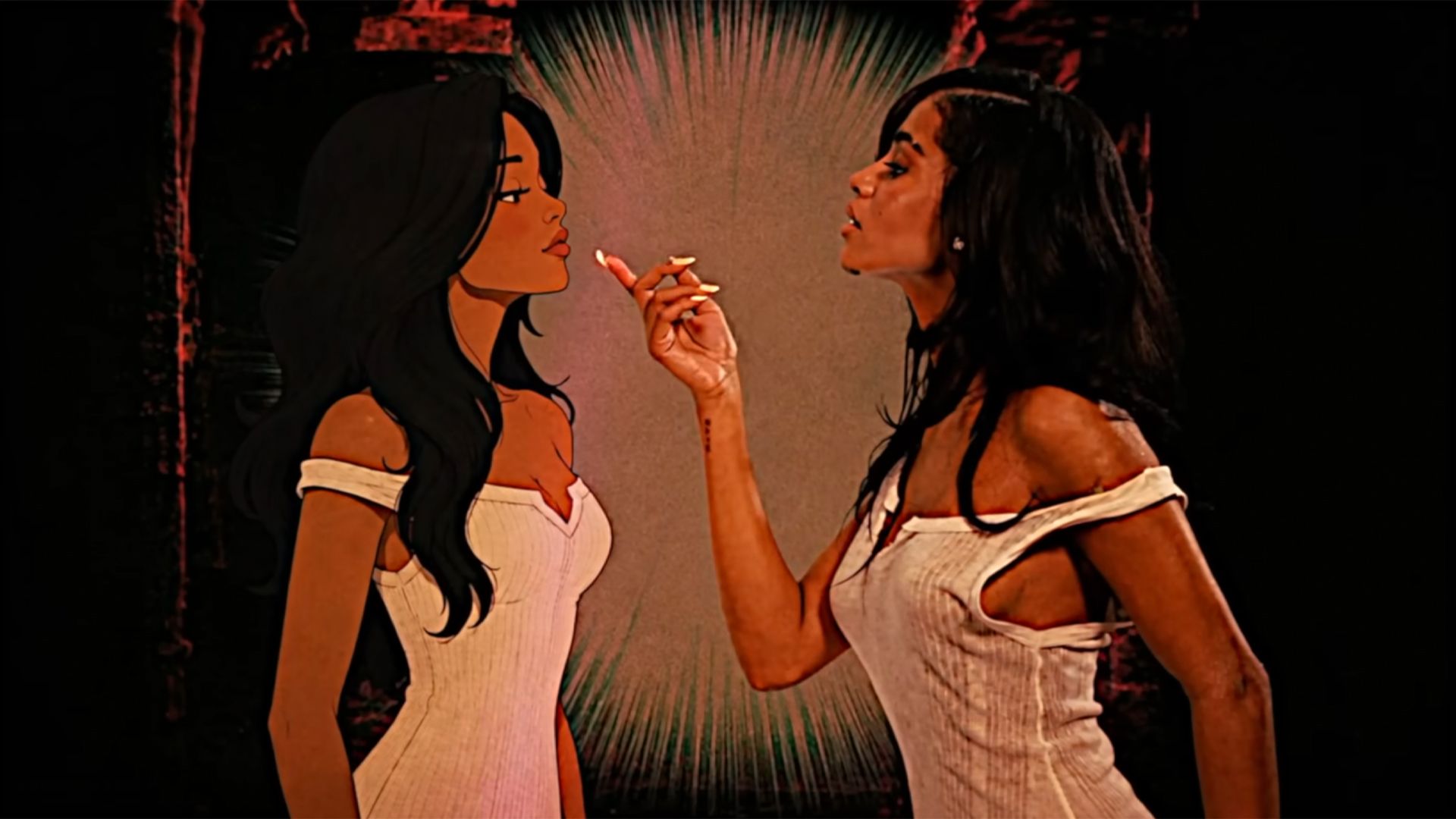
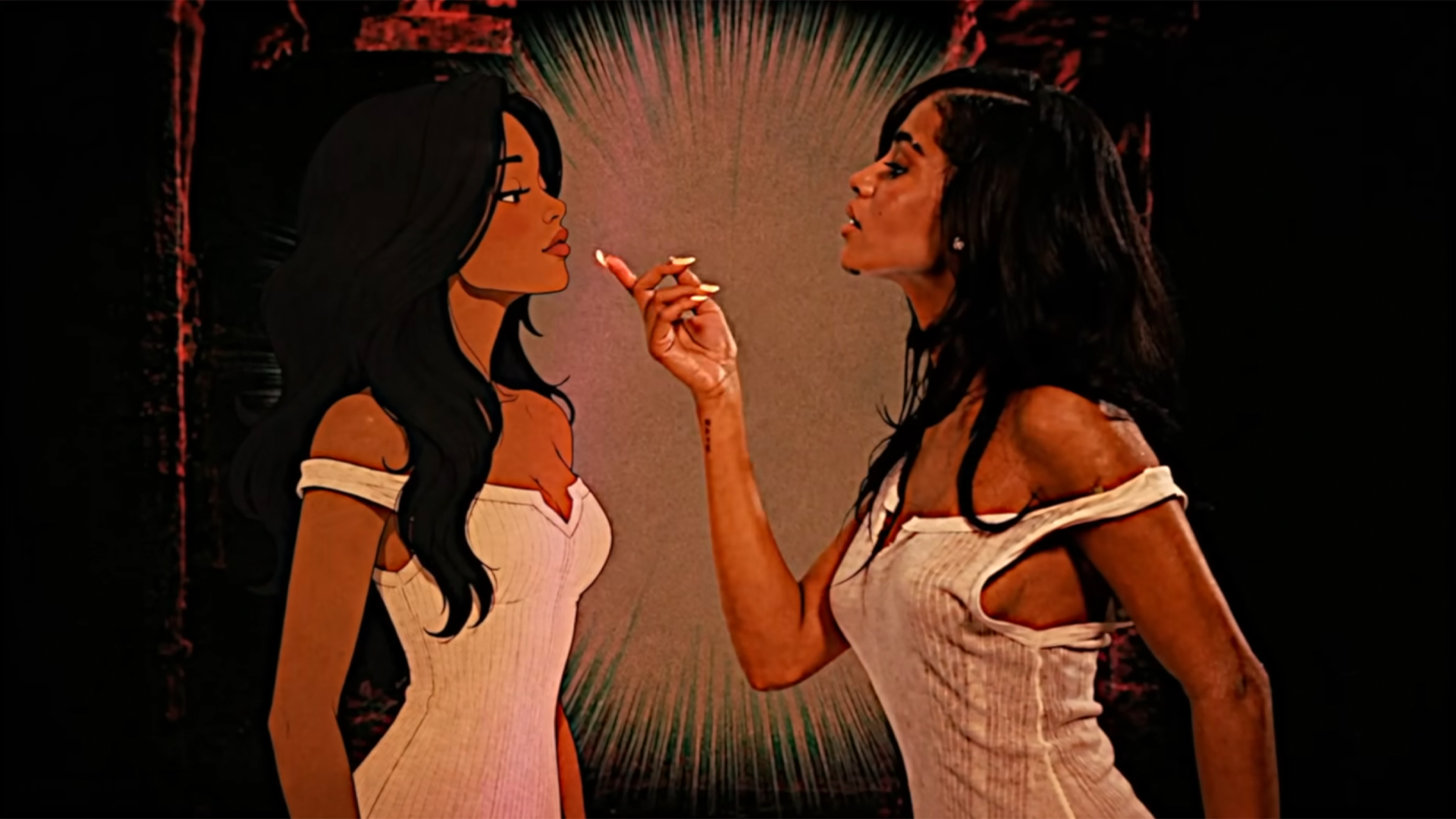
The "THAT GIRL" music video is visually striking, heavily inspired by the neon-drenched, surrealist aesthetic of the 1992 cult classic film Cool World. The video features Tyla navigating a stylized, animated landscape, engaging with vibrant characters and shifting environments that echo the mid-90s obsession with blending live-action and traditional 2D animation.
However, almost immediately after its release, eagle-eyed fans and animation enthusiasts began to point out inconsistencies that felt "off." Critics noted fluctuating character designs, erratic lighting transitions, and the hallmark "AI glitch"—the anatomical impossibilities, such as morphing limbs or, most notably, the infamous extra finger phenomenon.
While the visual style was clearly intended to pay homage to a bygone era of animation, the execution led many to conclude that the production had relied on AI image generators rather than traditional hand-drawn or frame-by-frame digital animation.
Chronology of the Outcry
The backlash did not materialize in a vacuum; it followed a specific trajectory that mirrors other recent controversies in the digital design space.
- The Premiere: Upon the video’s release, the initial reception from fans was generally positive, with many praising the song’s catchiness and the bold aesthetic choice.
- The Detection Phase: Within hours, viewers began sharing side-by-side screenshots on X (formerly Twitter) and Reddit, highlighting moments where the "Tyla" character appeared to change facial structure between shots.
- The Investigative Turn: Sleuths quickly turned their attention to the production company behind the project, Biuro. Users discovered that the studio had previously been associated with projects that utilized AI, fueling the speculation that "THAT GIRL" was not the product of human animators, but rather the output of an automated diffusion model.
- The Peak of Discourse: By the following day, the conversation shifted from simple observation to moral condemnation. Critics began calling the work "disgraceful," arguing that a star of Tyla’s caliber should have the budget to hire human artists rather than opting for the "shortcuts" of generative AI.
The "AI Slop" Debate: Beyond the Music Video
The term "AI slop" has become a pervasive, if controversial, label in recent design discourse. It refers to content that is perceived to be low-effort, generated by AI with minimal human intervention, and lacking the soul or structural integrity of human-made art.
The criticism leveled against Tyla’s video is symptomatic of a broader distrust of technology in the creative arts. When developers, animators, and fans see inconsistencies in a high-profile music video, they don’t just see a technical error—they see a threat to the livelihoods of professional artists. If a major label can replace a team of skilled animators with a prompt-based workflow, what does that mean for the future of the industry?
This incident is not isolated. Recent viral moments, such as the criticism surrounding Disney’s "Ozzy Fox" project, suggest that audiences are becoming increasingly sensitive to the presence of AI. This sensitivity often leads to "AI-checking," where the public actively hunts for evidence of machine generation in any visual media, sometimes even misidentifying legitimate human errors as AI-generated glitches.
The Marketing Stunt Theory
As the discourse intensified, a secondary narrative emerged: Was this controversy intentional? A segment of the fanbase has theorized that the use of controversial animation techniques—or the decision to leave "glitches" in the final cut—was a calculated marketing ploy.
"I honestly refuse to believe that the budget is that low," wrote one prominent commenter on a music production forum. "I feel like this may be a marketing strategy to get more eyes on the music video. Since it’s AI, she’s going to get a lot of backlash, and she seems to profit way more when people don’t like what she does."
This theory suggests that in the modern attention economy, negative engagement is still engagement. By leaning into the "uncanny valley" effect of AI, the video generates thousands of social media posts, Reddit threads, and YouTube commentary videos, effectively keeping the song in the news cycle far longer than a "standard" music video would. Whether this is a sophisticated strategy or a simple lack of quality control remains a matter of intense speculation.
The Industry Perspective: Efficiency vs. Artistry
From a production standpoint, the appeal of AI is undeniable. It offers faster turnaround times and lower costs, allowing creators to iterate on complex visual concepts that would otherwise require massive teams and months of labor. However, this efficiency comes at the cost of "polish."
Traditional animation relies on consistency—the character you see in shot A must look identical in shot B. AI, by its very nature, generates each frame independently based on a prompt, which inherently risks the drift and instability observed in the "THAT GIRL" video. When an audience notices these discrepancies, the immersion is broken. The "magic" of the music video is replaced by the mechanical coldness of the algorithm.
Implications for Future Productions
The backlash to "THAT GIRL" serves as a warning shot to the music industry. As generative AI becomes more sophisticated, the line between "useful tool" and "lazy shortcut" will continue to blur. However, the current climate shows that consumers are hyper-aware and increasingly unforgiving.
1. The Demand for Transparency
There is a growing movement calling for "human-made" certifications in creative media. Audiences are signaling that they want to know whether they are viewing the labor of a human artist or the synthesis of a machine.
2. The Risk to Brand Integrity
For an artist, the visual identity is as important as the sound. If the visual identity is perceived as "cheap" or "soulless" because of AI, it can damage the artist’s brand and diminish their perceived value as a high-level creative.
3. The Revaluation of Human Craft
Paradoxically, the backlash to AI may lead to a resurgence in the appreciation of traditional techniques. As the digital space becomes flooded with AI-generated imagery, "handmade" art—whether it’s traditional 2D animation, stop-motion, or high-fidelity CGI—may become a premium commodity, valued precisely because of the human labor required to create it.
Conclusion
The debate surrounding Tyla’s "THAT GIRL" video is a microcosm of the current cultural moment. We are at a crossroads where the technological capability to create is outpacing our social consensus on how that technology should be used.
While the accusations remain unverified, the mere fact that they have taken hold is telling. The audience is not merely watching a music video; they are participating in a larger interrogation of what we value in our art. Whether the video is a victim of an over-zealous production process, a casualty of public paranoia, or a masterclass in engagement-driven marketing, one thing is clear: the era of "hidden" AI in major productions is over. In the future, artists will need to be far more deliberate, and perhaps more transparent, about the role technology plays in their creative process.
As we move forward, the "Tyla case" will likely be cited as a turning point—a moment where the industry realized that while AI can mimic the look of art, it cannot yet replicate the audience’s demand for human intentionality and perfection.

 Asro
Asro
 Sagoh
Sagoh