In the evolving landscape of high-performance computing, the line between a dedicated workstation and a gaming rig has become increasingly blurred. The 2026 Razer Blade 18 stands at the vanguard of this convergence. Marketed as a gaming laptop, it is, in reality, a formidable portable workstation that handles complex 3D rendering, video encoding, and AI-driven creative workflows with a level of ferocity rarely seen in a mobile chassis.
While its price point may necessitate a serious discussion with your accountant, the 2026 Blade 18 justifies its premium by delivering performance that rivals dedicated desktop towers. For the creative professional who requires top-tier computing power in a package that can be tucked into a backpack, this machine is a compelling, if expensive, proposition.
The Core Specifications: A Technical Marvel
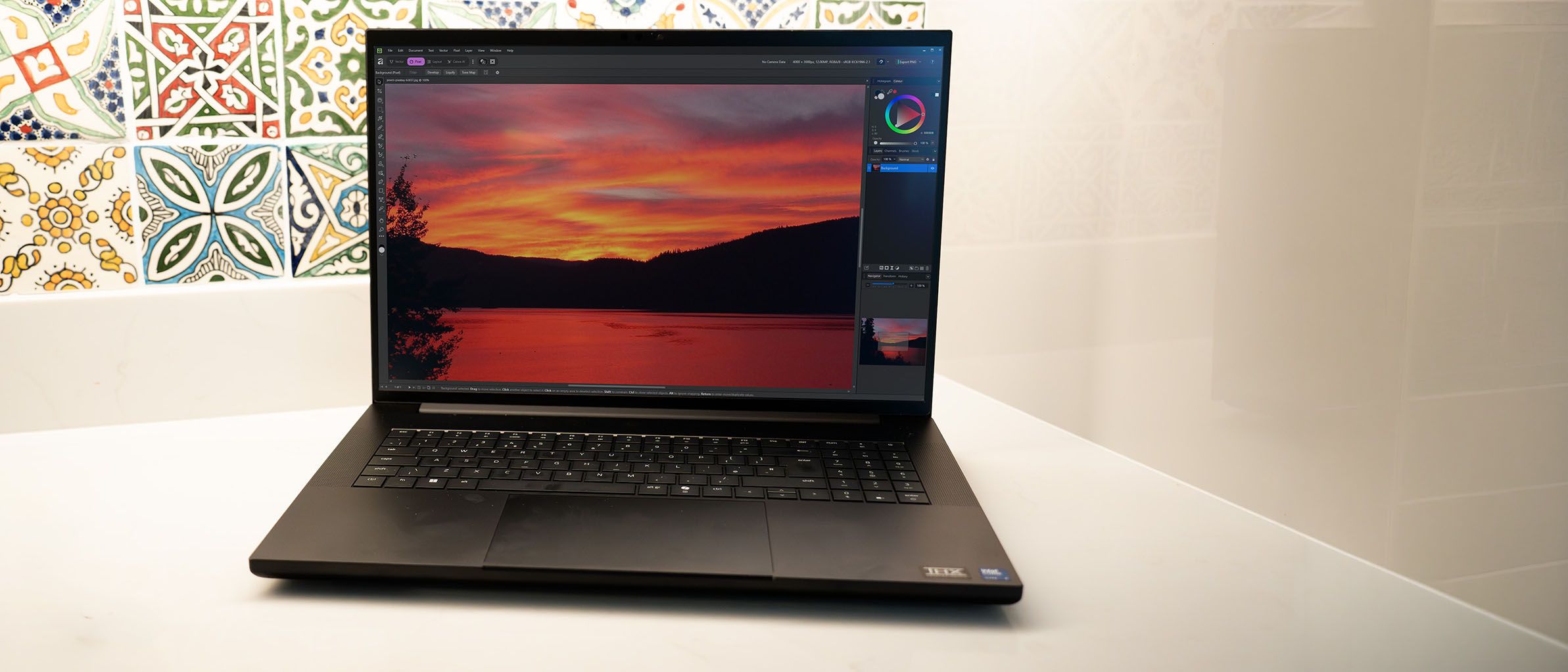
To understand the capability of the 2026 Razer Blade 18, one must first examine the architecture under the hood. The unit is built around the Intel Core Ultra 9 290HX Plus, a chip from the highly anticipated Arrow Lake family. This processor is engineered for extreme throughput, featuring enhanced system-level latency reduction and support for Intel’s Binary Optimization Tool, which dynamically adjusts workloads for maximum efficiency.
Complementing the processor is the Nvidia GeForce RTX 5090, the current titan of mobile graphics, boasting 24GB of dedicated VRAM. When paired with 32GB of high-speed memory and a 2TB SSD, the hardware configuration is designed to eliminate bottlenecks. The display—an 18-inch Dual-Mode IPS panel—offers a 3840 x 2400 resolution at 240Hz, with the ability to toggle into a 1920 x 1200 mode at a staggering 440Hz for competitive gaming scenarios.

| Component | Specification |
|---|---|
| CPU | Intel Core Ultra 9 290HX Plus |
| GPU | Nvidia GeForce RTX 5090 (24GB VRAM) |
| RAM | 32GB |
| Storage | 2TB SSD |
| Display | 18-inch Dual-Mode IPS, 615 nits |
| Connectivity | Thunderbolt 5, Thunderbolt 4, Wi-Fi 7 |
A Chronology of Evolution: From Gaming to Creation
Razer’s trajectory over the last five years has been defined by a consistent design language: the "matte black monolith." The 2026 iteration continues this tradition but refines the internal cooling architecture to accommodate the thermal demands of the latest silicon.
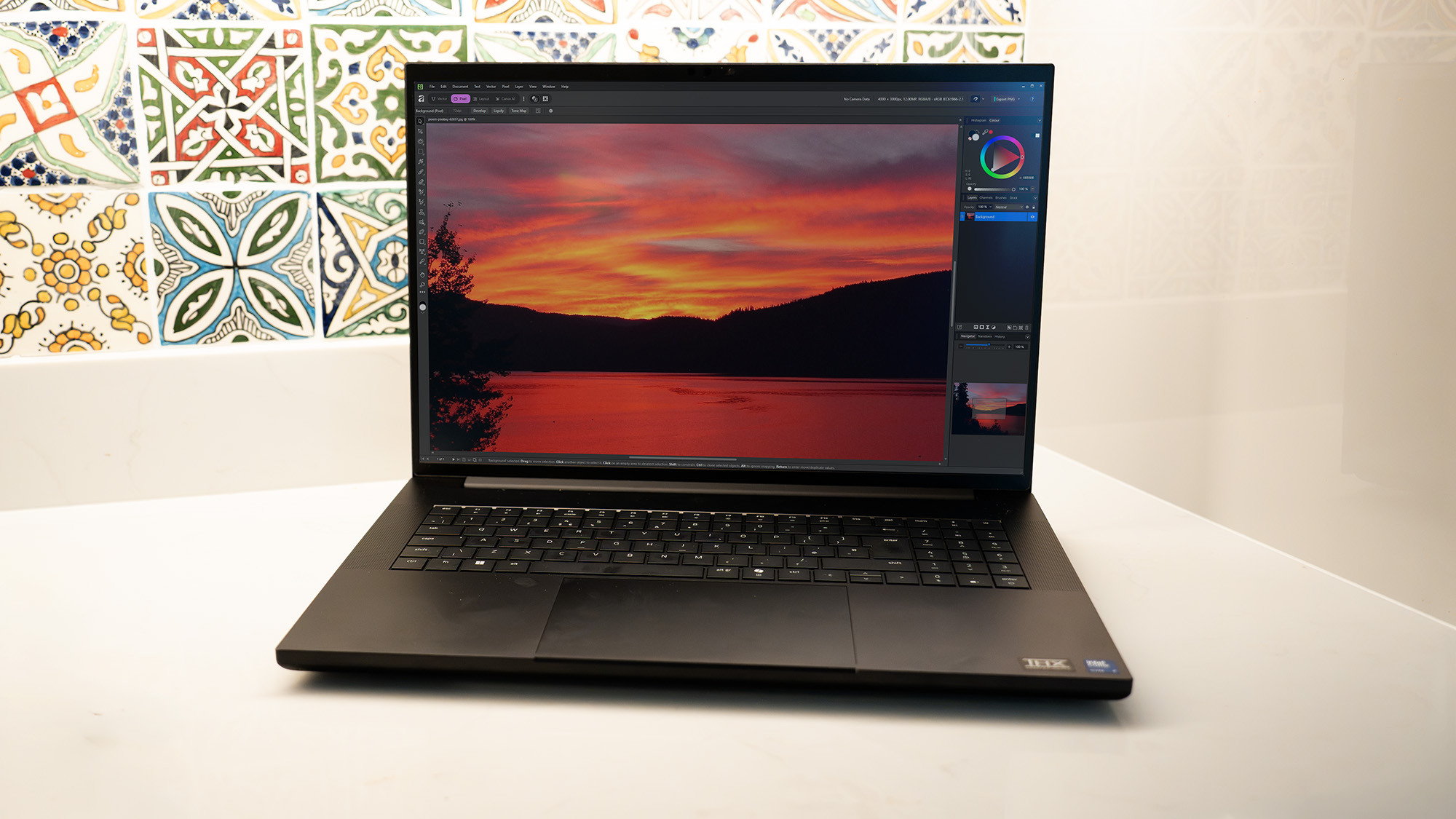
Historically, the Razer Blade series was viewed as a niche enthusiast product. However, as mobile chips have grown in TDP (Thermal Design Power) and capabilities, the Blade 18 has transitioned into the "Desktop Replacement" category. The 2026 model represents the culmination of this shift, incorporating vapor chamber technology and advanced thermal interface materials that allow the system to sustain peak performance for longer durations than its predecessors. This is not merely a laptop for gaming; it is a platform for the modern digital architect.
Performance Benchmarks: The Data Speaks
Our testing suite at Creative Bloq—which includes Geekbench 6, Cinebench, and the PugetBench for Creators suite—reveals that the Blade 18 is, quite simply, in a class of its own.
- Geekbench 6 (GPU): The system consistently places in the top tier of our global database, outperforming almost all mobile competitors.
- PugetBench (Photoshop/Premiere): The machine achieved record-breaking scores in our encoding tests, demonstrating that the combination of the Arrow Lake CPU and RTX 5090 handles heavy-duty creative tasks with ease.
- AI Productivity: Using the Intel AI Boost NPU, the laptop showed significant efficiency gains in image generation tasks and batch photo resizing using ON1 Resize AI, cutting standard processing times by nearly 30% compared to previous-generation hardware.
The cooling system, while effective, is the machine’s most "audible" feature. Three fans work in tandem to dissipate the heat generated by the high-wattage components. While they are necessary to maintain performance, they do produce a noticeable acoustic signature under full load.
Connectivity and Features: The Thunderbolt 5 Advantage
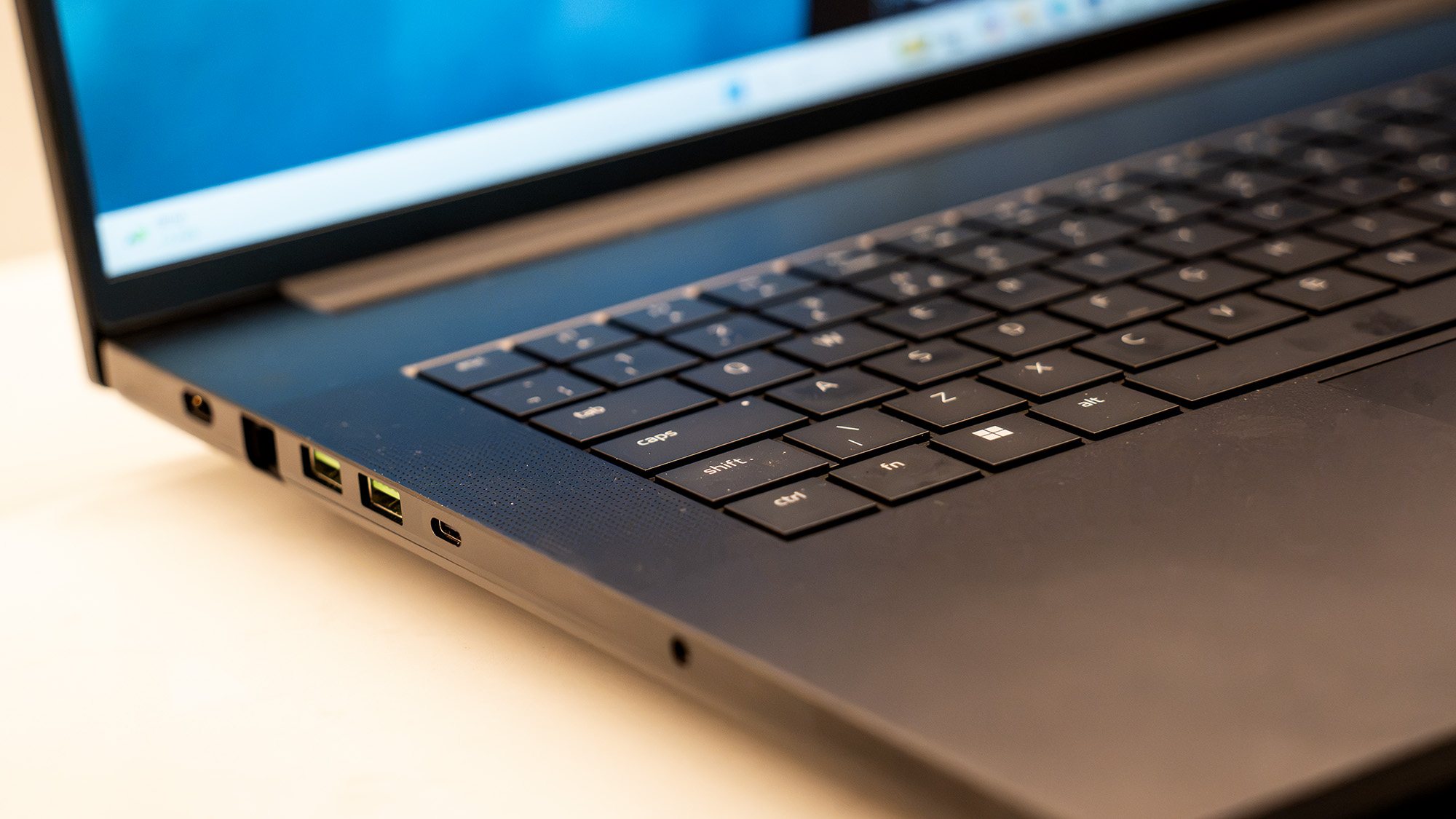
One of the standout features of the 2026 Blade 18 is the inclusion of Thunderbolt 5, a rarity in the current market. This provides massive bandwidth for external storage arrays and high-resolution multi-monitor setups. However, the implementation comes with a caveat: the TB5 port is tied to the discrete Nvidia GPU, while the TB4 port handles the integrated graphics. In our testing, we found this distinction vital for performance-critical tasks, though the lack of clear port labeling on the chassis is a minor oversight that could lead to user frustration.
The inclusion of Wi-Fi 7 ensures future-proof wireless networking, while the six-speaker THX Spatial Audio array provides audio fidelity that is surprisingly rich for a laptop, though professional creators will likely opt for studio-grade monitoring headphones for critical mixing tasks.

Implications for the Creative Industry
The existence of a machine like the 2026 Razer Blade 18 has significant implications for how creative work is performed. We are moving toward a "location-independent" professional model. A 3D artist, video editor, or architectural designer is no longer tethered to a static workstation in an office. With 3.2kg of weight—a "desktop in a bag"—they can transport an entire render farm to a client site, a coffee shop, or a remote studio.
This mobility, however, comes at a high cost. Priced at $5,399.99, the Blade 18 is an investment in professional efficiency. For an agency or a high-level freelancer, the ROI is found in time saved. When a project that previously took four hours to render on a standard laptop completes in under an hour, the machine effectively pays for itself through increased billable output.
Official Stance and Market Positioning
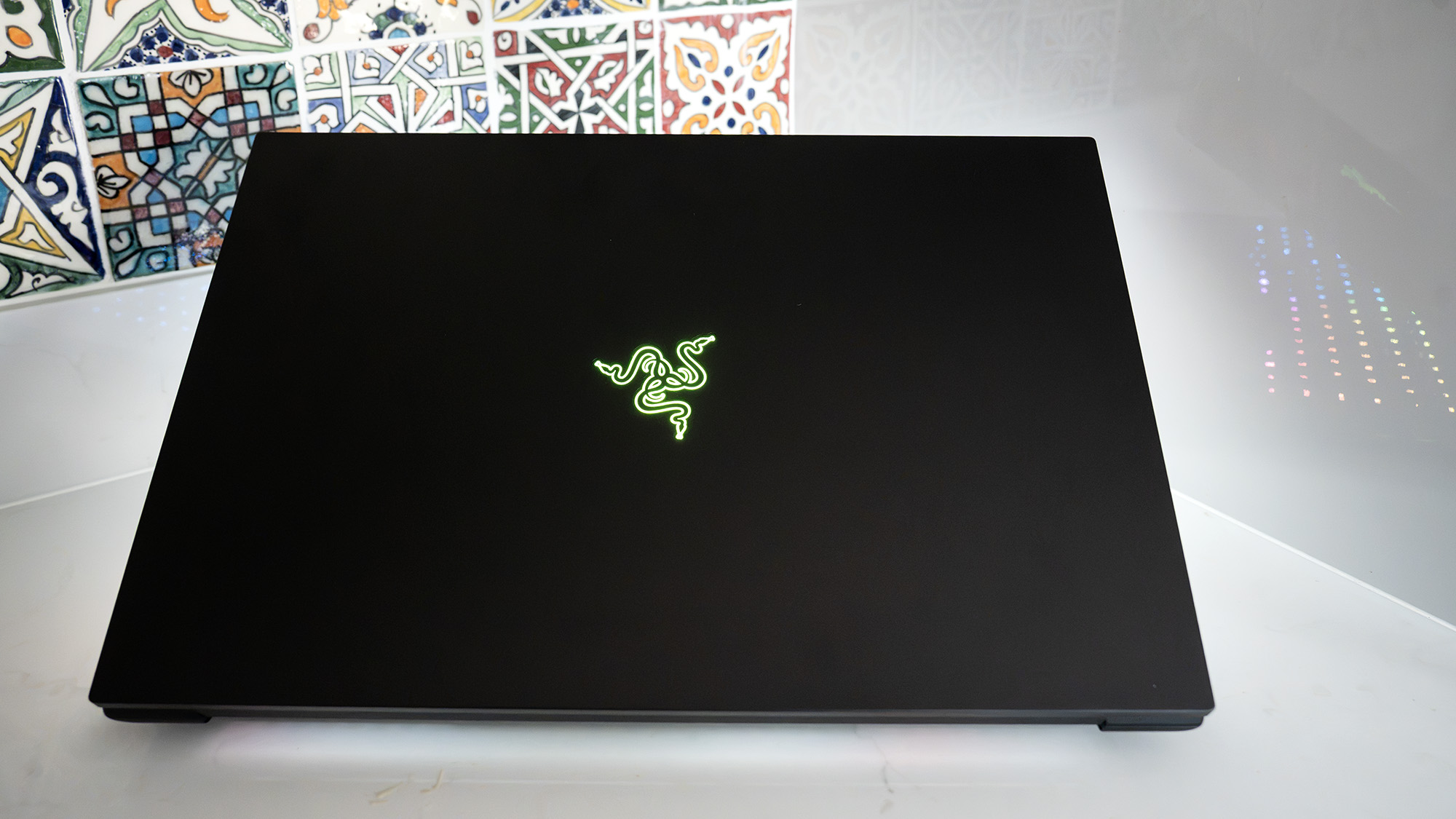
Razer has positioned the 2026 Blade 18 as the ultimate hybrid device. In their official communications, they emphasize that this is a "no-compromise" machine. By prioritizing high-end materials—CNC-milled aluminum and a premium matte finish—and pairing them with the most powerful off-the-shelf components available, Razer is targeting the "power user" segment.
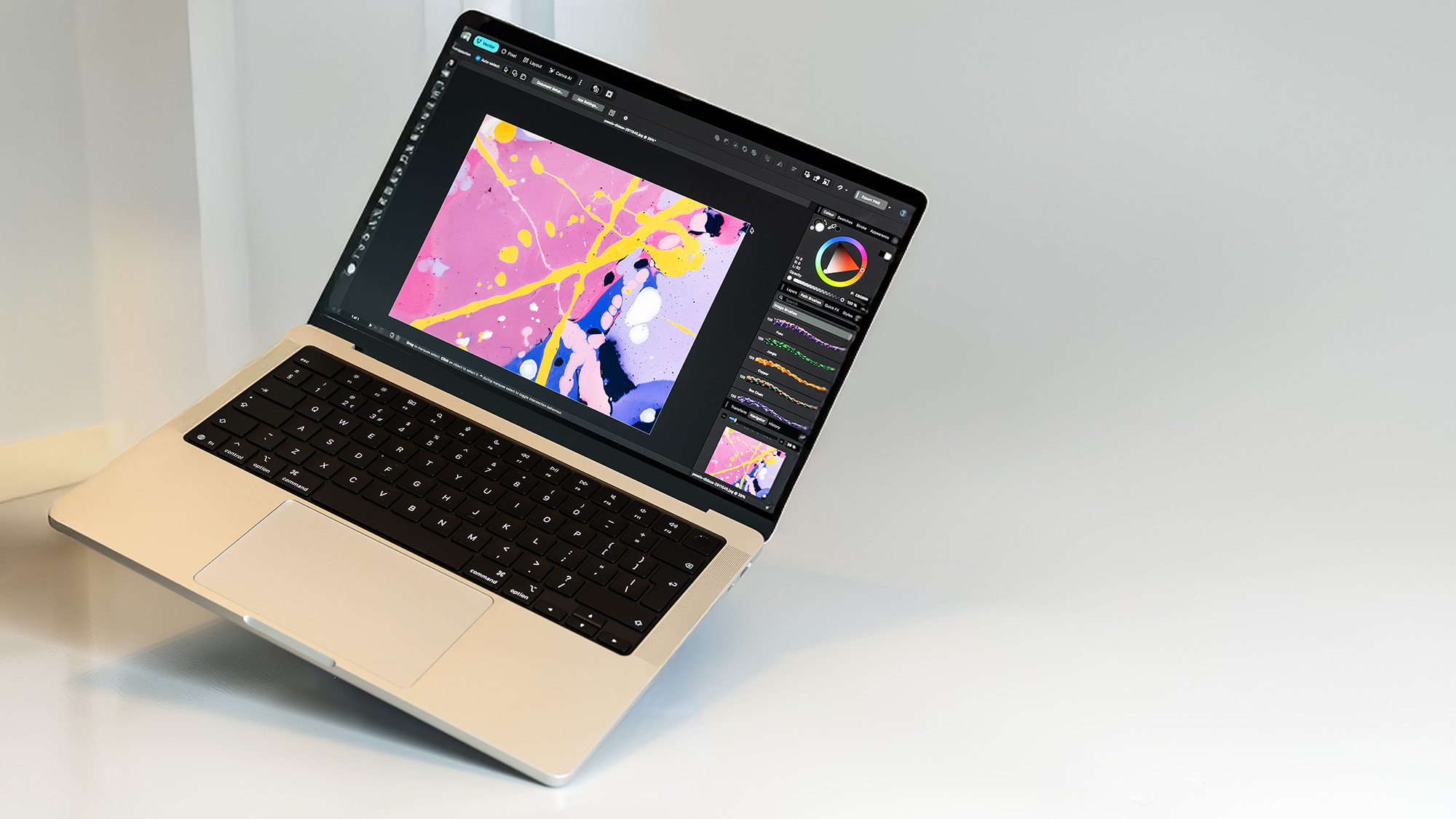
The competition is fierce. The Apple MacBook Pro 14-inch (M5 Max) remains a dominant force for macOS-centric workflows, while the Dell Pro Max 18 Plus offers more granular customizability for those who require extreme RAM configurations (up to 128GB). Yet, for users who prefer a Windows environment and demand the raw graphical horsepower of the Nvidia RTX 50-series, the Razer remains the gold standard.
Verdict: Is It For You?
The Razer Blade 18 is not a device for the casual user. It is a precision tool for those who demand maximum performance and are willing to pay a premium for it.
Buy it if:
- You are a professional video editor, 3D modeler, or AI developer who needs desktop power on the go.
- You require the latest in connectivity, specifically Thunderbolt 5.
- You prioritize build quality and design aesthetics alongside pure, unadulterated speed.
Don’t buy it if:
- You are looking for a lightweight, portable machine for basic office tasks or web browsing.
- You are sensitive to fan noise in quiet working environments.
- Your budget is restricted; there are significantly more cost-effective solutions for non-professional creative work.
Ultimately, the 2026 Razer Blade 18 is a testament to what is possible when engineering constraints are removed. It is a bold, powerful, and unapologetically expensive machine that redefines the capabilities of portable computing. For those who can justify the expense, it is arguably the most capable portable PC on the market today.