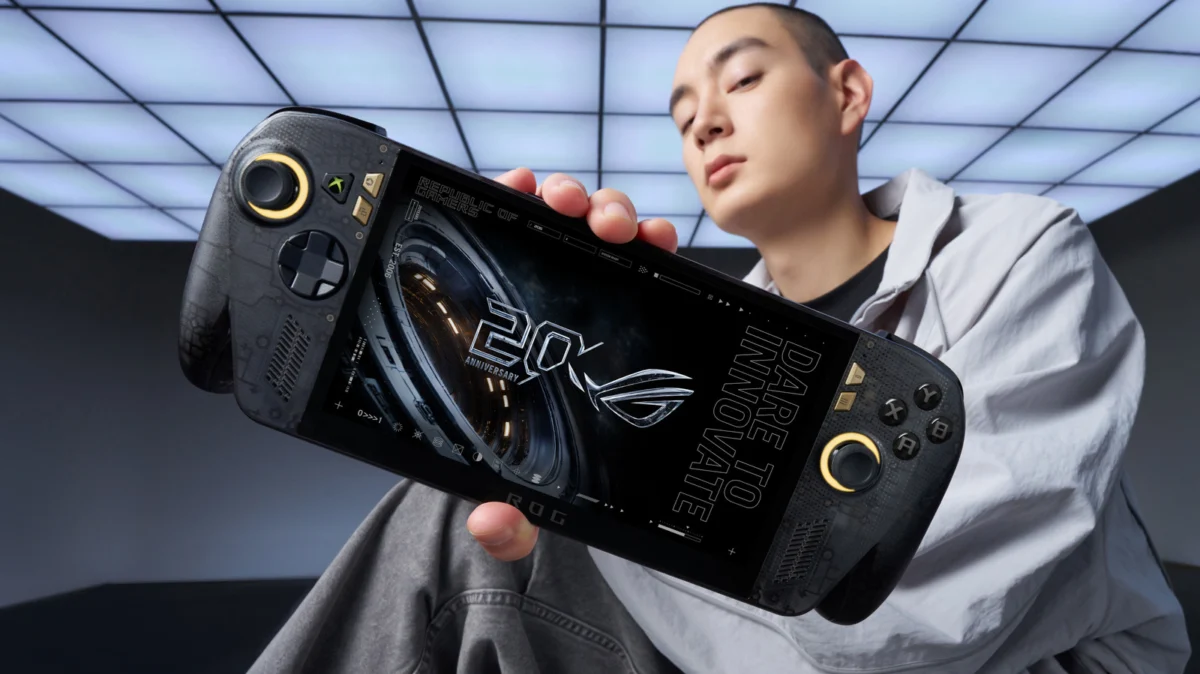
The landscape of portable PC gaming has shifted dramatically over the past few years, moving from niche hobbyist territory to a mainstream powerhouse category. Standing at the forefront of this revolution is ASUS, which has leveraged its "Republic of Gamers" (ROG) branding to dominate the market. As the company celebrates the 20th anniversary of its legendary gaming division, it is looking backward at its successes and forward at the hardware evolution required to stay relevant. The result is the newly announced ROG XBOX Ally X20, a sophisticated, limited-edition iteration of its flagship handheld that promises to redefine visual fidelity for portable play.
Main Facts: A Refined Powerhouse
The ROG XBOX Ally X20 represents a strategic "mid-cycle refresh" that prioritizes the user experience—specifically, the sensory experience of gaming—over raw, disruptive architectural changes.
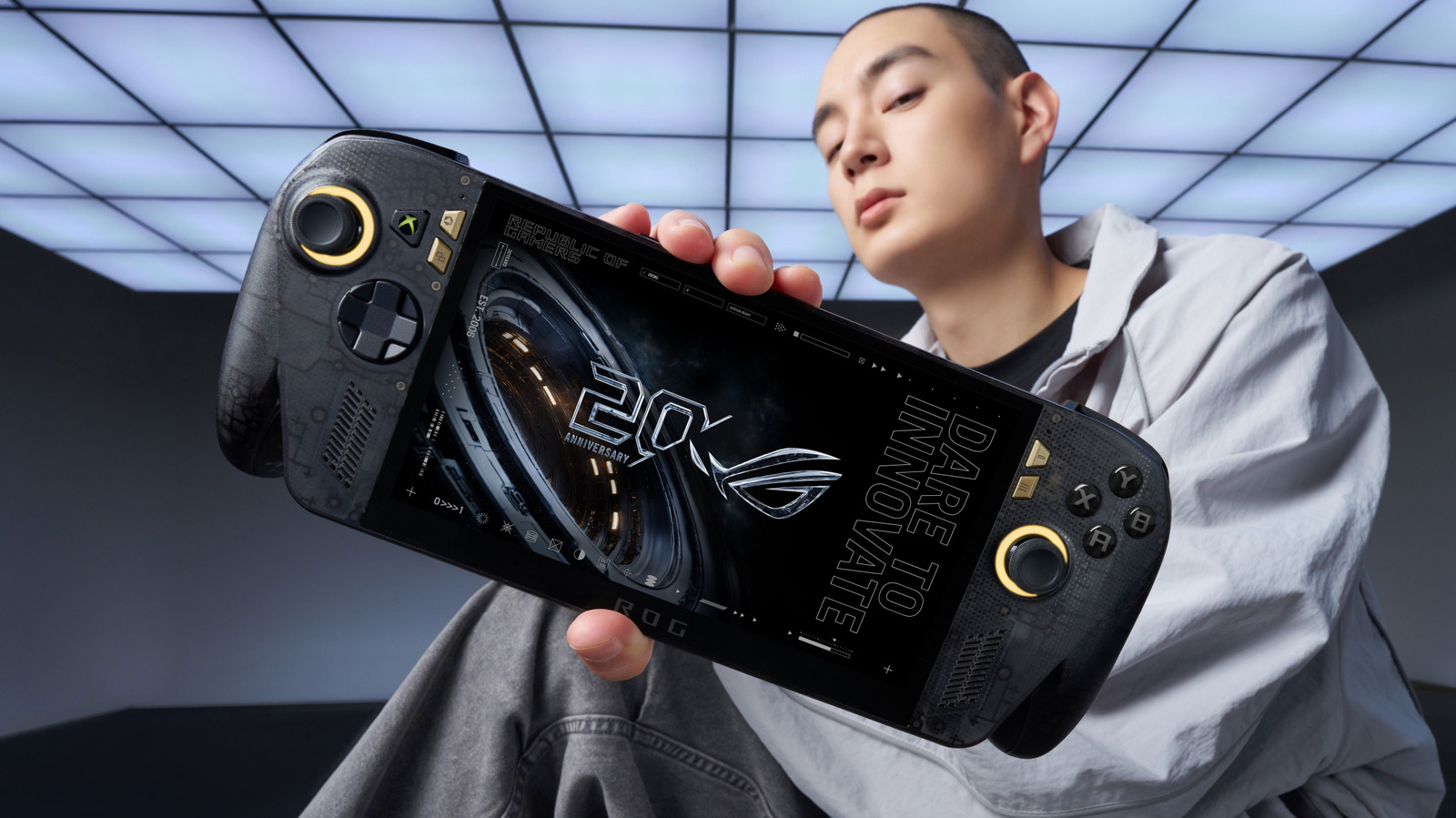
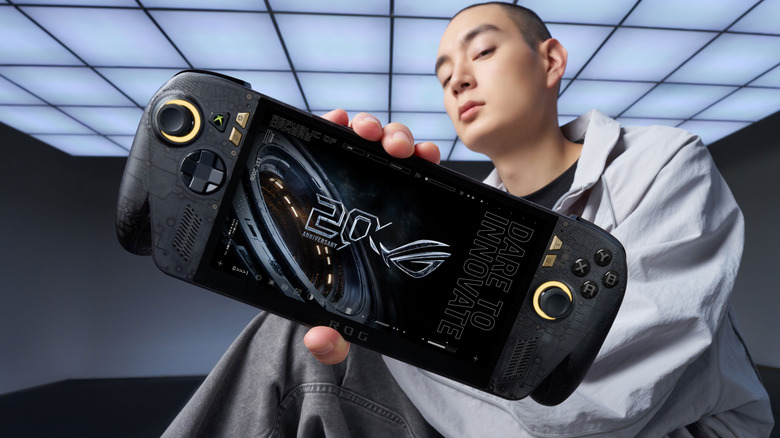
The centerpiece of the X20 is its breathtaking 7.4-inch Nebula HDR display. By upgrading from the previous generation’s 7-inch IPS panel to an OLED architecture, ASUS has addressed the primary feedback from its user base regarding contrast ratios and color depth. The display now supports a peak brightness of 1,400 nits, ensuring that high-dynamic-range (HDR) content pops with vibrancy, even in challenging lighting conditions.
While the interior engine remains largely consistent with its predecessor—retaining the formidable AMD Ryzen Z2 Extreme chip, 24GB of shared RAM, and a 1TB SSD—the exterior has received a cosmetic overhaul. The device features a striking translucent black shell accented with gold details, serving as a visual nod to the 20th-anniversary milestone. Priced at $1,300 for the standalone unit, the X20 marks a notable $300 increase over the previous generation, a premium that ASUS justifies through the significant screen upgrade and refined build materials.
A Chronology of the Republic of Gamers
To understand the significance of the X20, one must look at the trajectory of the ROG brand. Since its inception in 2004, ROG was established to provide the most innovative hardware for hardcore gamers.
- 2004-2010: The formative years, where ASUS focused on high-end motherboards and custom-built desktop components, setting the industry standard for overclocking capabilities.
- 2011-2018: The expansion into mobile gaming, with the ROG Phone series becoming a cult classic for mobile enthusiasts. During this era, ASUS successfully transitioned from a component manufacturer to a full-stack gaming ecosystem provider.
- 2023: The launch of the original ROG Ally changed the market. By providing a Windows-based alternative to the Steam Deck, ASUS opened the doors to the entire PC library for handheld players.
- 2024: The introduction of the ROG Ally X refined the ergonomics and battery life, solidifying the brand’s position as a top-tier contender.
- 2025 (The Present): The ROG XBOX Ally X20 launch serves as a retrospective celebration. It bridges the gap between the company’s history of high-performance components and the future of immersive, glasses-assisted portable gaming.
Supporting Data: Specs and Performance
For the enthusiast, the "numbers" tell the story of the X20’s positioning in the market. While competitors like the MSI Claw 8 EX AI+ are pushing boundaries with higher-tier internal configurations, the X20 focuses on efficiency and visual output.
| Feature | Specification |
|---|---|
| Processor | AMD Ryzen Z2 Extreme |
| Memory | 24GB Shared RAM |
| Storage | 1TB SSD |
| Display | 7.4-inch Nebula HDR OLED |
| Brightness | 600 nits (nominal) / 1,400 nits (peak) |
| Battery | 80Whr |
| Price | $1,300 (Standalone) / $2,499 (Bundle) |
The decision to retain the 80Whr battery—an industry-leading capacity—combined with the power efficiency of the new OLED panel, suggests that the X20 will likely boast better "real-world" longevity than its predecessor. Furthermore, the inclusion of upgraded magnetic joysticks addresses common wear-and-tear issues found in standard potentiometer-based sticks, ensuring the device remains functional for years of heavy use.
The AR Bundle: A Vision for the Future
Perhaps the most ambitious aspect of the X20 launch is the $2,499 premium bundle. This package includes the handheld, a Dbrand Killswitch shell, a custom Pelican Protector Case, and the highly anticipated ROG XREAL R1 Edition 20 Gaming AR Glasses.
The inclusion of AR glasses is a strategic play by ASUS. By offloading the visual output to a head-mounted display, the company is attempting to solve the "portable screen size" problem. While the 7.4-inch OLED is excellent, the XREAL R1 offers a virtual experience that simulates a much larger display, effectively turning the handheld into a personal theater.
Importantly, ASUS has ensured these glasses are compatible with a wider ecosystem, including smartphones, laptops, and even the speculated Switch 2, adding value for users who might eventually move beyond the ROG handheld.
Official Perspectives and Market Implications
In internal statements, ASUS leadership has framed the X20 not merely as a product, but as a "thank you" to the community that has sustained the ROG brand for two decades. However, analysts point out that the price hike to $1,300 places the device in a precarious position.
The market is currently flooded with high-performance handhelds. While the X20 offers the best display in its class, it must compete against units like the MSI Claw 8 EX AI+ and the ever-present Steam Deck OLED. The "20th Anniversary" branding is a powerful marketing tool, but the company faces the challenge of convincing consumers that a display upgrade is worth a 30% price jump over the previous iteration.
Implications for the Handheld Market
The release of the X20 signals that the handheld PC market is entering a "premium phase." Much like the smartphone industry, manufacturers are moving away from budget-conscious models toward luxury, feature-rich devices.
- Standardization of OLED: With the X20, ASUS is setting a new benchmark. Expect other manufacturers to pivot toward OLED panels within the next 18 months as consumers demand the contrast ratios that LCD/IPS panels simply cannot provide.
- The Rise of Peripheral Ecosystems: By bundling the XREAL AR glasses, ASUS is suggesting that the handheld is no longer a standalone product. It is the "brain" of a larger, modular gaming rig that includes wearables and haptic peripherals.
- Inflation and Hardware Value: The $1,300 price point for the X20, coupled with the $2,499 bundle, suggests that ASUS is comfortable targeting a high-income "prosumer" demographic, leaving the budget-friendly segment to companies like Valve or Anbernic.
Conclusion: Looking Ahead
The ROG XBOX Ally X20 is a love letter to twenty years of gaming history, wrapped in a chassis that feels both familiar and advanced. While its internal performance mirrors the successful formula of the Ally X, the introduction of the Nebula HDR OLED display and the aggressive push into AR integration demonstrate that ASUS is not content with resting on its laurels.
As the pre-orders open today and the official launch approaches on October 15, the industry will be watching closely. Whether the market is ready for a $1,300-$2,500 handheld remains to be seen, but one thing is certain: ASUS has successfully positioned the ROG XBOX Ally X20 as the most luxurious, visually immersive portable gaming experience available today. For those who view gaming as a primary hobby rather than a casual pastime, the X20 offers a glimpse into a future where the line between handheld gaming and high-end desktop immersion is thinner than ever before.