In the digital age, the boundary between public life and private experience has become increasingly porous. A casual afternoon stroll in Central Park, a quiet moment between two people on a park bench, or a spontaneous encounter in a city square is no longer just a personal memory—it is potential content.
This reality was brought into sharp focus on July 23, 2026, when a TikTok video featuring two individuals sharing an intimate moment in New York City’s Central Park went viral. The footage, captured by creator Jay Guapó, has transcended its original purpose as social media "fodder" to become the latest lightning rod in an ongoing national debate regarding digital surveillance, the ethics of "content creation," and the erosion of the expectation of privacy in public spaces.
The Incident: A Viral Spark
The video, which has amassed over 2 million views, depicts a man and a woman kissing near the intersection of Central Park West and West 63rd Street. The creator, who boasts a following of 3.5 million, approached the pair while recording, audibly chiding them with the remark, "Get a room. There’s kids around."
What followed was a swift, aggressive, and often ruthless internet investigation. Within 48 hours, social media sleuths and news outlets, including the New York Post, identified the individuals as Nathaniel Cullerton, 45, and Kelsey Borenzweig, 29—both employees of the prestigious law firm Wachtell, Lipton, Rosen & Katz. Cullerton, a partner in the firm’s litigation department, and Borenzweig, an associate, suddenly found their personal lives laid bare before an audience of millions.
While the video provided no evidence of an illicit affair, the internet’s collective imagination immediately filled in the blanks. Speculation regarding their professional relationship, marital statuses, and personal morality dominated comment sections. Despite later reporting by outlets like The Daily Mail—which noted that Borenzweig and her previous partner had separated—the narrative of a "scandalous office affair" had already taken root, proving once again that in the age of virality, perception often moves faster than fact.
A Chronology of Modern Voyeurism
The "Central Park Lawyers" incident did not happen in a vacuum; it is the latest chapter in a growing trend of "citizen-paparazzi" culture.

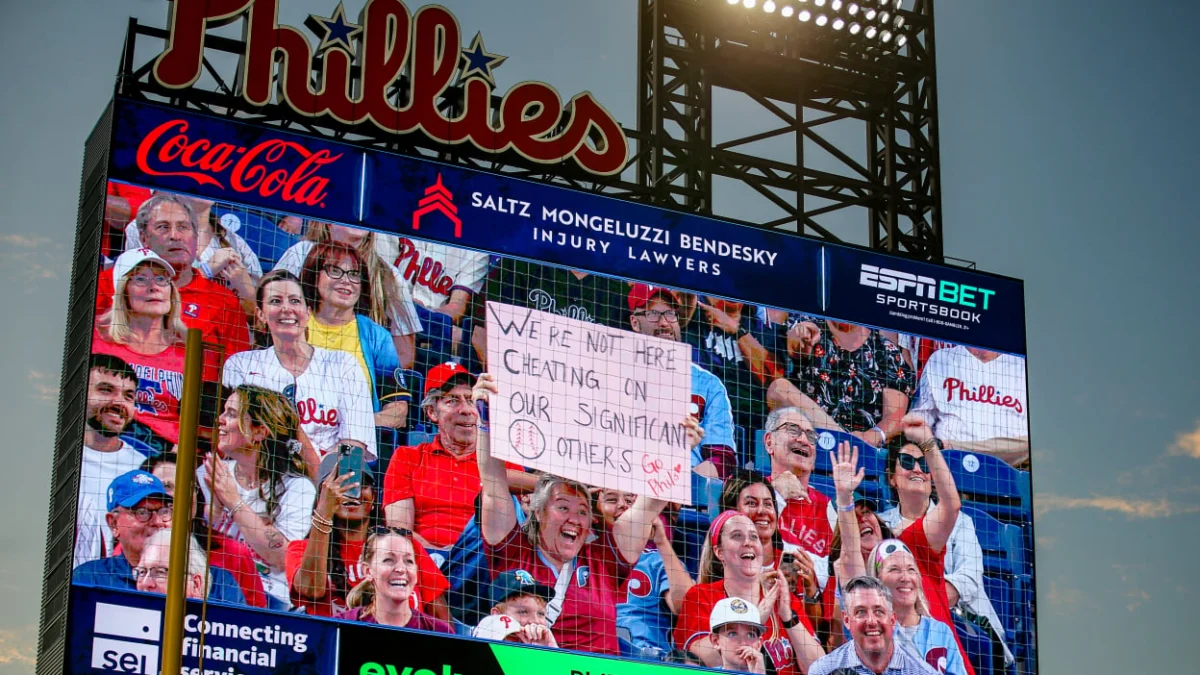
- July 2025: The "Coldplay Kiss-Cam" incident set the precedent. Former Astronomer CEO Andy Byron and Chief People Officer Kristin Cabot were captured on a stadium big screen at a concert. The resulting video, which showed their panicked reactions upon realizing they were being broadcast, garnered 130 million views. Both executives eventually resigned, and the fallout served as a grim blueprint for how a fleeting moment of public indiscretion can dismantle a professional career.
- February 2026: A wave of criticism erupted regarding the use of AI-integrated smart glasses, which allow users to record footage without the tell-tale sign of a raised smartphone. This has fueled the "manfluencer" trend, where creators film women in public without their consent to produce "pickup" content.
- July 2026: The Central Park incident solidified the public’s fatigue. The cycle of filming, identifying, speculating, and shaming has become so efficient that it now feels institutionalized.
The Anatomy of the "Attention Economy"
Why are we so obsessed with these videos? Experts in digital culture point to the "attention economy." On platforms like TikTok and Instagram, algorithms prioritize high-engagement content. Scandals, illicit affairs, and public "exposés" are high-octane fuel for these algorithms.
For a creator like Jay Guapó, the reward for capturing such a moment is immense: millions of views, increased follower counts, and monetization opportunities. However, the cost is borne by the unsuspecting subjects of the video. The "Central Park" case highlights a dangerous shift: we are no longer just sharing our own lives; we are harvesting the lives of others to build our own personal brands.
The defense often cited by creators—"If you are in public, you have no expectation of privacy"—is a legal technicality that is increasingly being challenged by moral and ethical standards. While one may be legally permitted to film in a public park, the social consequences of involuntary "main character" status in a viral video can be life-altering.
Official Responses and Platform Accountability
The backlash against the Central Park video has not gone unnoticed by the giants of social media. The sheer volume of negative discourse regarding non-consensual filming has forced platforms to reconsider their stance on surveillance-style content.
Earlier this month, Adam Mosseri, head of Instagram, addressed the issue of smart-glasses footage. "We don’t want people to be surreptitiously taking videos of other people and harassing them and then posting them on our platform," Mosseri stated. Instagram has already begun deactivating "pickup artist" accounts that utilize such technology to target women in public, marking a rare moment of proactive moderation from a major tech entity.
However, these policies are reactive. They target the most egregious examples of harassment but do little to address the broader issue: the casual, everyday recording of strangers that has become a social norm. As technology makes the act of recording more invisible, the burden of protection shifts from the tech companies to the individuals who are now forced to navigate their daily lives as if they are constantly under the gaze of a reality television camera.

The Societal Implications
The implications of this incident are profound. First, we are witnessing the death of the "incidental" life. There is no longer a space where one can simply be without the threat of documentation. This has led to a palpable increase in social anxiety, particularly in dense urban environments like New York City.
Second, the "vigilante" aspect of these viral moments is concerning. When the internet decides to "dox" or investigate private citizens, the accuracy of that investigation is rarely a priority. In the case of the two lawyers, the assumption of guilt—whether regarding an affair or professional impropriety—was treated as a fact by millions. The loss of nuance and the dehumanization of the "target" are features, not bugs, of the current social media ecosystem.
Finally, we must confront the morality of the observer. As one commenter on the viral video poignantly noted, "We are living in a surveillance state. Forget about the government, your neighbor is already doing it." When we consume, share, or engage with these videos, we are participating in the very ecosystem that makes such invasive recording profitable.
Conclusion: Reclaiming the Public Square
The Central Park lawyers’ viral kiss is more than just a piece of gossip; it is a mirror reflecting our own complicity in a culture of constant surveillance. As we move further into an era of wearable cameras and AI-assisted content creation, the line between "public space" and "private life" will continue to blur.
If society is to reclaim the public square as a place where one can exist without the fear of becoming the next viral headline, it will require more than just platform policies. It will require a cultural shift—a renewed commitment to the idea that privacy is a fundamental human right, even when we step out our front doors. Until that happens, we are all just one kiss, one bad day, or one quiet moment away from being the next subject in someone else’s feed.