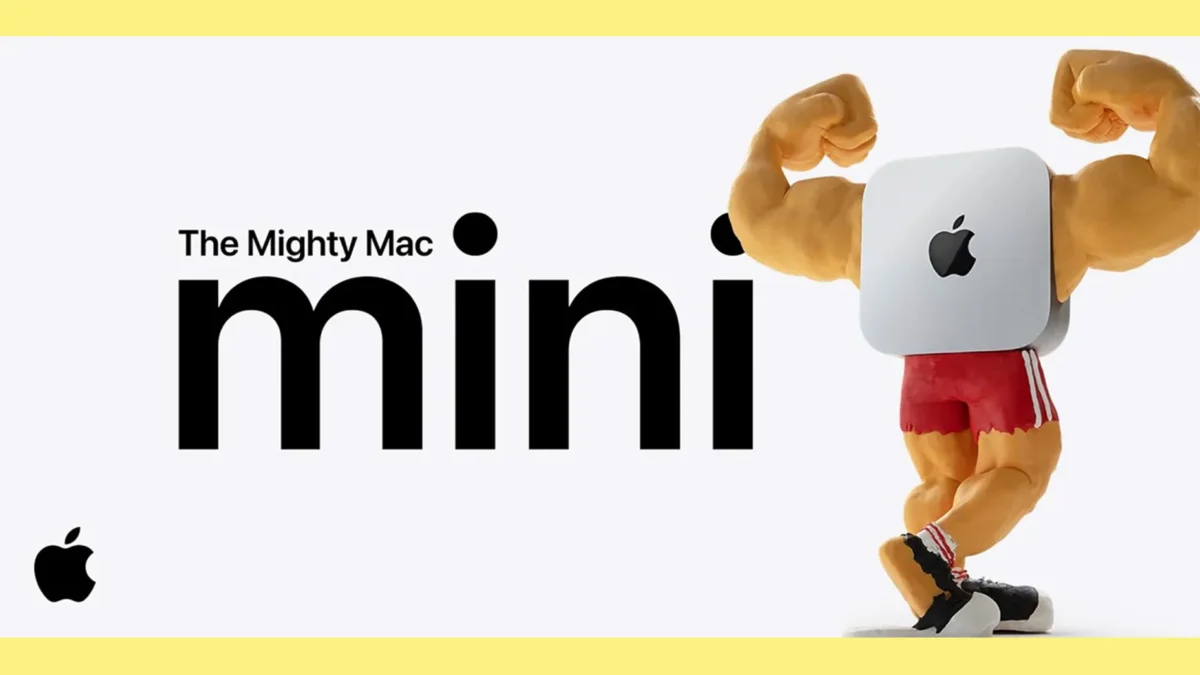
In an era defined by the rapid, often unsettling proliferation of generative AI, Apple’s latest marketing campaign for the new Mac mini has arrived as a refreshing, tactile counter-narrative. By opting for traditional, handcrafted stop-motion animation over the seamless—and often soulless—gloss of digital automation, the tech giant has struck a chord with the creative community, sparking a wave of relief and appreciation.
The new campaign, which introduces the latest iteration of the Mac mini, eschews the algorithmic perfection of artificial intelligence in favor of clay, paint, and physical labor. For a company that has occasionally drawn the ire of artists—most notably during the 2024 "Crush" campaign for the iPad Pro—this pivot represents a significant tonal shift. It is a calculated, artistic reclamation of the "human touch" in an increasingly automated world.
The Main Facts: A Return to Craft
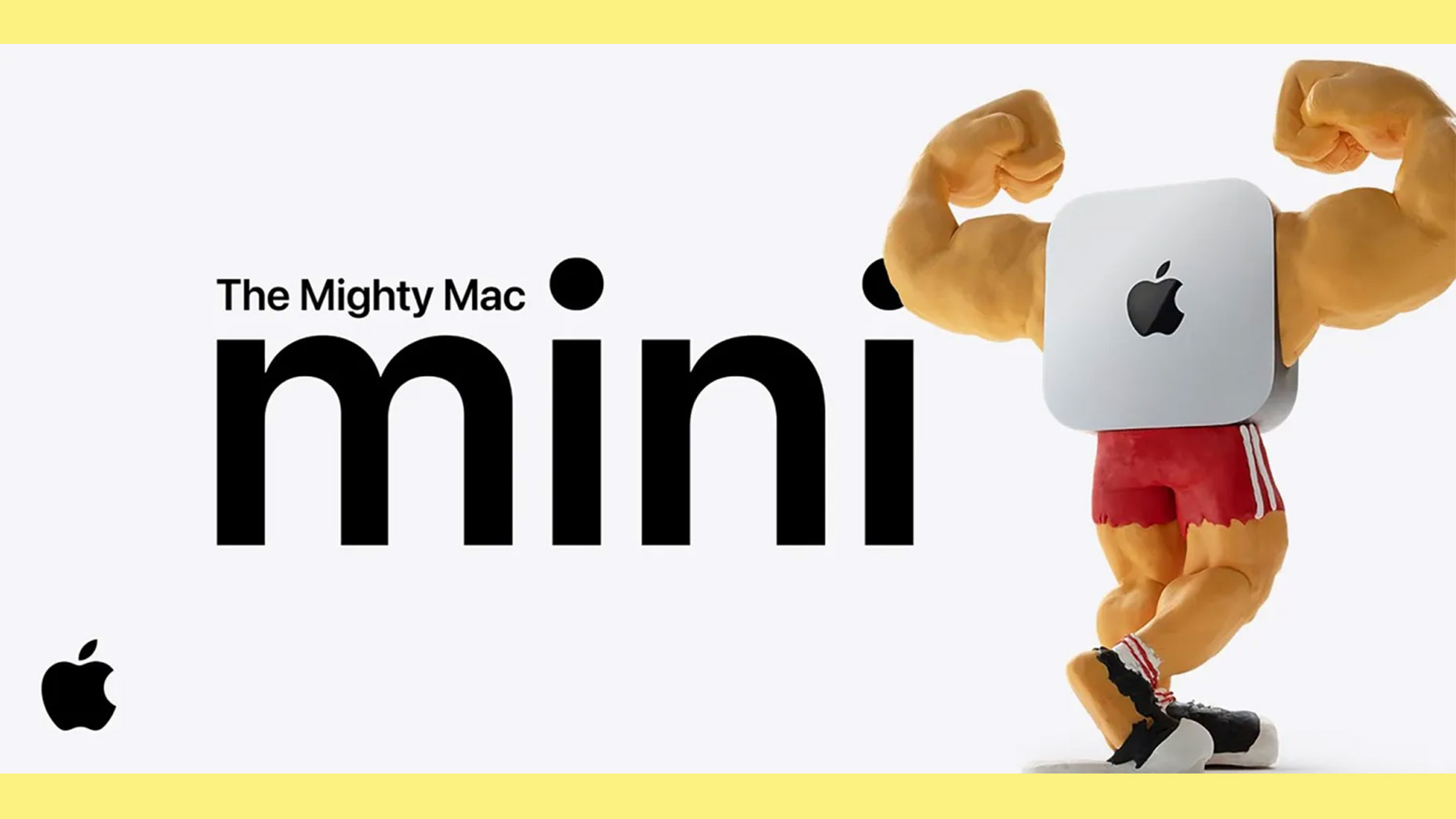
The advertisement, which has garnered significant attention online, centers on the Mac mini being brought to life through a series of imaginative, stop-motion transformations. The commercial depicts the compact device as a catalyst for creative output, manifesting as various characters and objects: a yellow, brawny "strongman" bursting from the chassis, high-speed race cars, rocket ships, and complex, multitasking robots.
What sets this campaign apart is not just the whimsy of the visual narrative, but the methodology behind it. Apple did not rely on CGI or AI-generated video assets to create these sequences. Instead, they employed a team of animators who painstakingly sculpted, painted, and manually adjusted clay figures frame-by-frame.
By releasing a "behind-the-scenes" companion video, Apple has provided transparent evidence of the human labor involved. This move serves a dual purpose: it showcases the technical prowess of the animation team and directly addresses the anxieties of a creative audience that has been vocal about the encroachment of AI into their professional spaces.
A Chronology of Apple’s Creative Marketing
To understand the significance of this shift, one must look at the recent history of Apple’s relationship with the creative industry.
- The iPad Pro "Crush" Controversy (2024): The most notable low point in recent years was the infamous "Crush" ad. The commercial featured a hydraulic press obliterating artistic tools—pianos, cameras, paint brushes, and sculptures—to reveal a slim, new iPad Pro. The imagery was intended to symbolize the consolidation of creative power, but it was widely interpreted by the public and professionals as an insensitive metaphor for the erasure of traditional art forms by technology. The backlash was immediate and severe, forcing Apple to issue a rare public apology.
- The TikTok Shift: Following the iPad Pro fallout, Apple began pivoting toward a more casual, "lo-fi" aesthetic on social media platforms like TikTok. These posts were less corporate and more whimsical, focusing on user-generated content and behind-the-scenes peeks rather than polished, high-budget commercials.
- The Mac mini Launch (Present): The new stop-motion campaign marks the synthesis of these two directions. It retains the high production value associated with Apple’s heritage but adopts the whimsical, approachable, and human-centric tone of its newer social media strategy.
Supporting Data: Why "Handmade" Matters
In the current tech climate, there is a palpable fatigue regarding AI-generated content. According to industry sentiment analysis, there is a growing premium on "authentic" or "human-made" media.
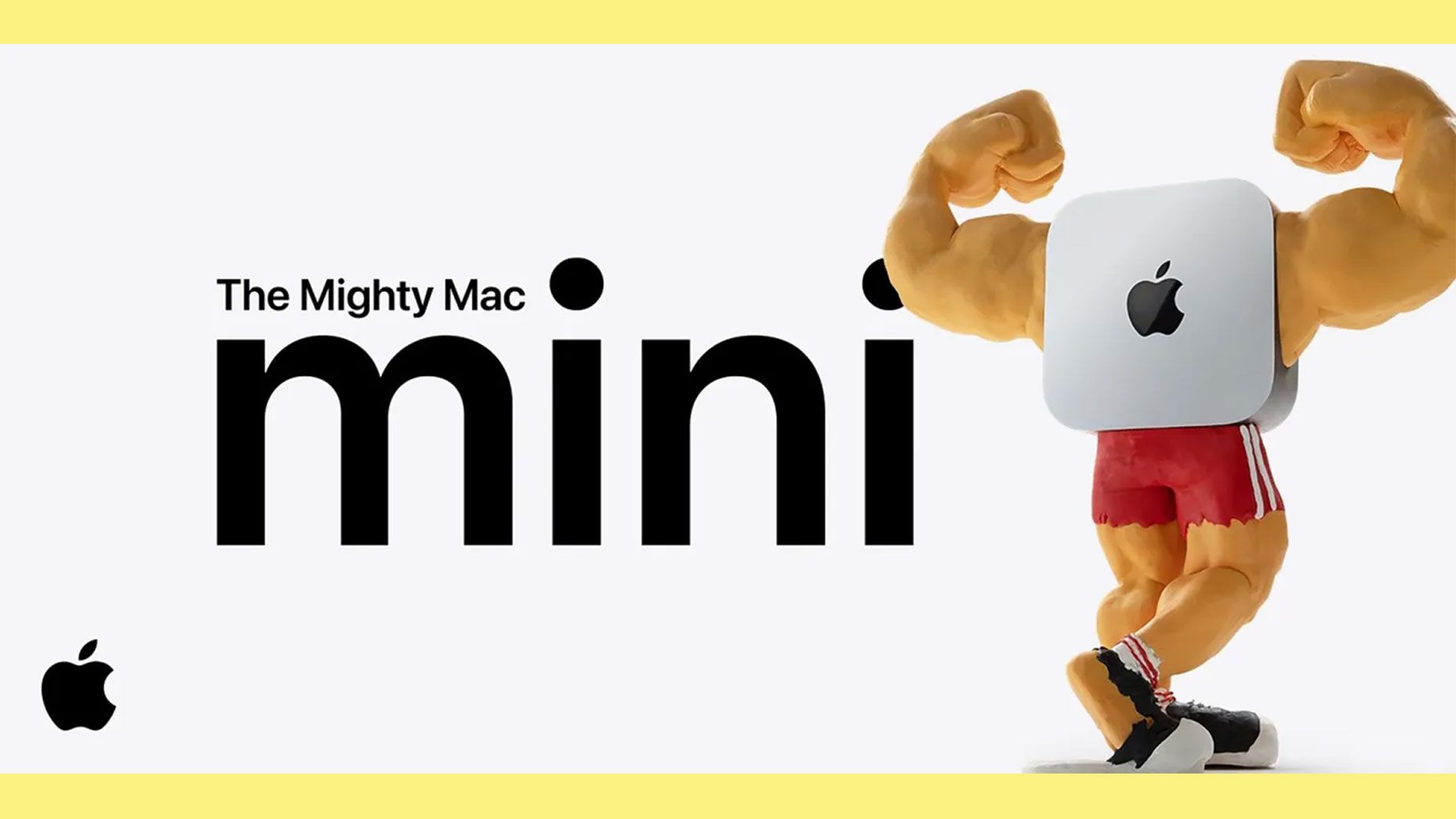
The process of stop-motion animation, while time-consuming and expensive, provides a unique aesthetic quality known as "imperfectionism." Unlike the uncanny smoothness of AI-generated video, stop-motion possesses a subtle, jittery quality that signals to the human brain that an object exists in physical space.
Animator Justin Dasch, who worked on the project, explained the intent behind the characters: "To show off the power and speed of the Mac mini, we turned it into a character capable of anything. So you got rocket ships, race cars, buff dudes, and super complex robots doing multitasking."
The data from social media engagement suggests that this effort has paid off. While Apple’s previous ads have often been met with skepticism regarding their impact on the "humanity" of work, this ad has been met with praise on platforms like X (formerly Twitter) and design-centric forums like Creative Bloq. The consensus among the community is that the Mac mini is being positioned as a tool—a companion for the creator—rather than an entity that replaces them.
Official Responses and Creative Perspectives
Apple’s decision to highlight the animators themselves in the behind-the-scenes footage is a clear attempt to align the brand with the values of the creative workforce. By showing the animators’ hands at work, the company is effectively saying, "We value the labor, the skill, and the process."
For many in the design and animation industry, this is the first time in years that a major tech firm has actively promoted the process of creation over the result of automation.
"I’m enamoured by this ad," says Georgia, Editor at Creative Bloq. "After the furore that came out of Apple’s iPad Pro ad, it’s an appreciated nod to the value of human creativity. The Mac mini is positioned as an enabler rather than a replacement, and that’s all creatives really want from their tech."
Implications: The Future of Tech Advertising
The success of this campaign has far-reaching implications for how tech giants will market their products in the coming years.
1. The Death of the "AI-Only" Aesthetic
As AI-generated video becomes more common, it will inevitably lose its novelty. Brands that rely solely on AI for their creative assets may find themselves struggling to differentiate their products in a sea of synthetic content. Apple’s move to champion traditional craft suggests that "human-made" will soon become a luxury branding differentiator.
2. A Re-evaluation of the "Enabler" Narrative
Tech companies have long struggled with the "replacement" narrative—the idea that their products make humans obsolete. By framing the Mac mini as a character that facilitates complex, creative tasks, Apple is successfully shifting the narrative back to the user. The computer is the engine; the human is the driver.
3. Sustainability and Authenticity
There is a growing expectation from Gen Z and Millennial consumers for brands to be transparent. The "making-of" content is no longer just a bonus; it is becoming a requirement. By peeling back the curtain, Apple is building trust with an audience that is increasingly wary of corporate deception.
Conclusion
Apple’s new Mac mini advertisement is more than just a promotional video; it is a masterclass in brand rehabilitation. By pivoting away from the sterile, cold, and potentially threatening imagery of past campaigns, the company has managed to re-establish a connection with the very people who rely on their hardware to make a living.
The message is clear: while technology is evolving at a breakneck speed, the value of the human creative spirit remains the bedrock of innovation. Whether this represents a long-term change in Apple’s marketing philosophy or a temporary tactical retreat remains to be seen. However, for now, the creative world is celebrating a rare moment where a trillion-dollar company chose the paint-stained fingers of an animator over the cold, calculated efficiency of an algorithm.
As we move further into a decade defined by digital transformation, the most radical act a tech company can perform may simply be to show the world that there is still a human hand at the wheel.