Lina Hope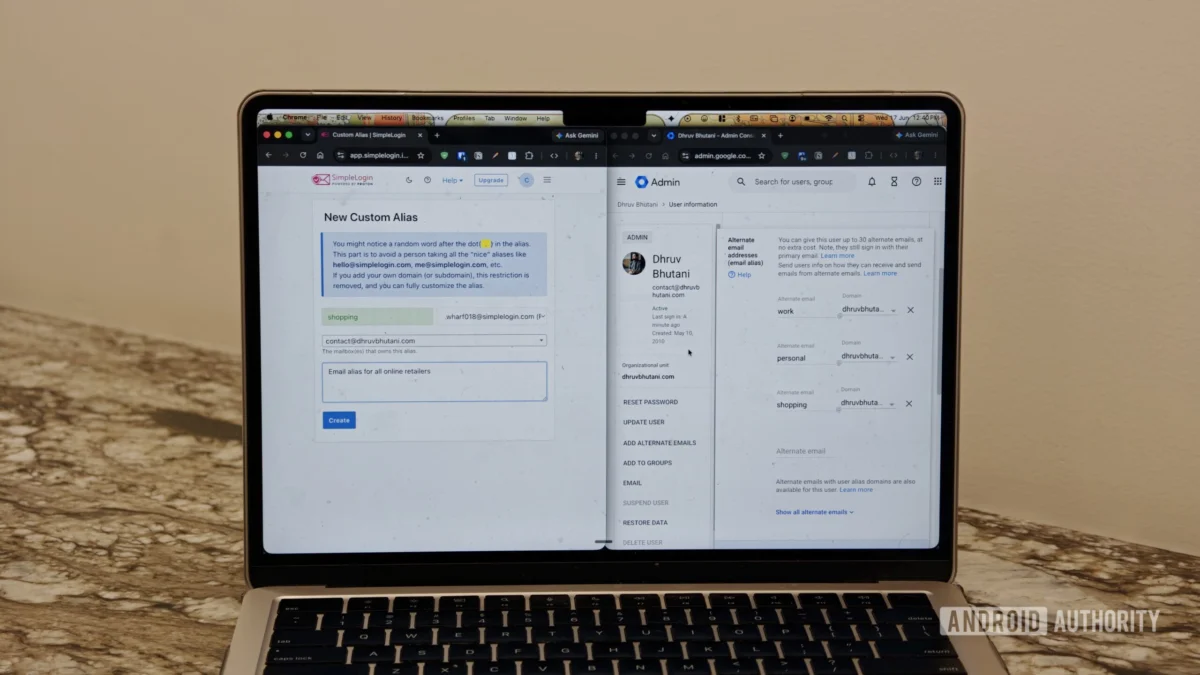
For the vast majority of internet users, a primary email address is the single most persistent thread in the tapestry of their digital lives. It is the "master key" that unlocks bank accounts, professional portals, social media profiles, healthcare records, and tax filings. Yet, we treat this critical identifier with alarming carelessness. We hand it over to one-off e-commerce sites, public Wi-Fi portals, and ephemeral content platforms without a second thought.
In the modern digital landscape, this habit is no longer just a minor privacy oversight—it is a significant liability. By exposing your primary email to every corner of the web, you are providing data brokers and malicious actors with the perfect anchor to track your behavior and compromise your security. To regain control, many privacy-conscious users are turning to a proven strategy: the email alias.
The Evolution of Identity: From Communication to Commodity
The core of the issue lies in how the internet has evolved. Your email address was once merely a digital address; today, it is a persistent, universal tracker. When you sign up for a service, your email is often hashed and fed into massive data-broker databases, allowing companies to stitch together your browsing habits, physical purchases, and location data into a hyper-detailed consumer profile.
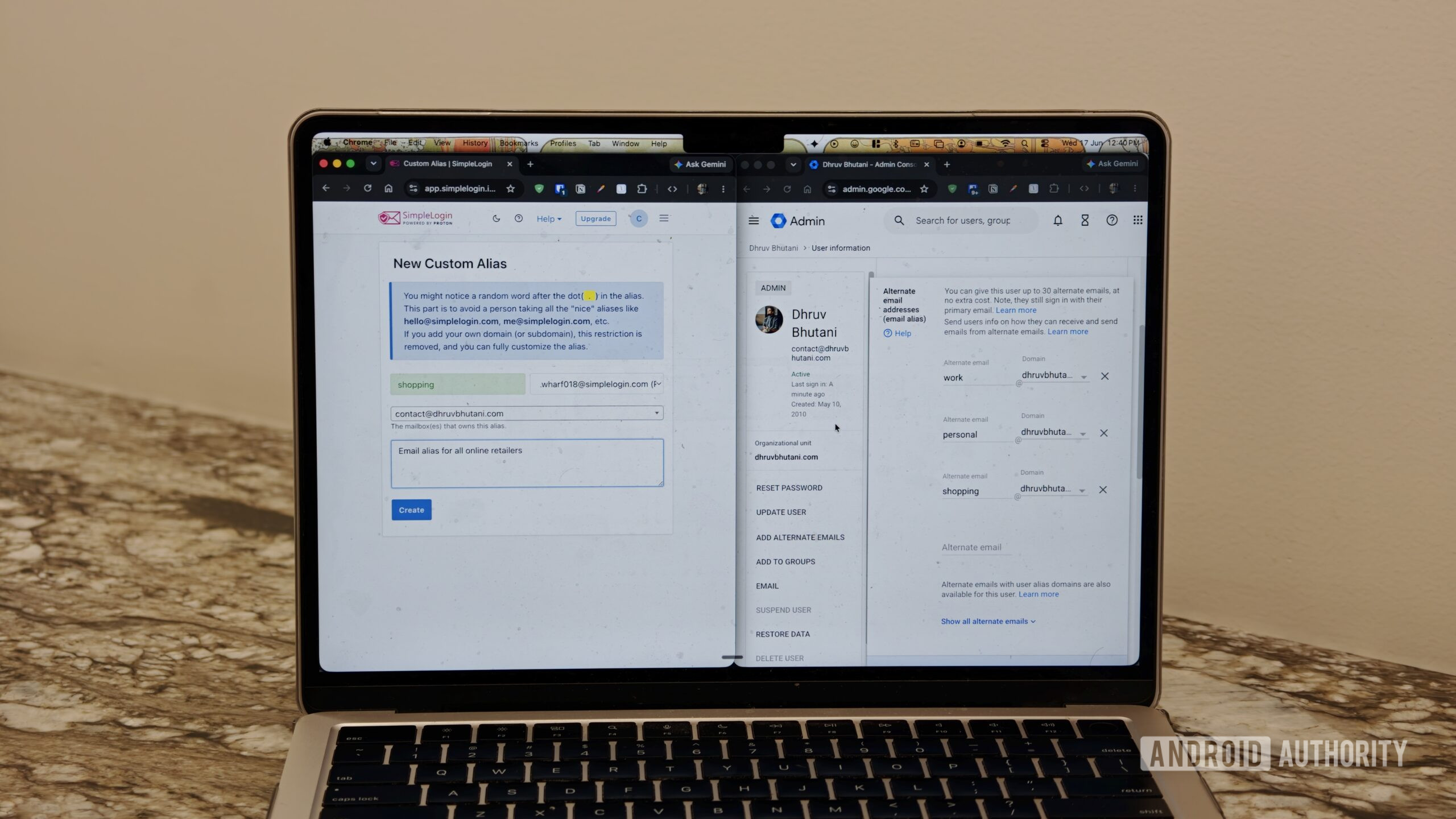
This "identity resolution" process is the engine behind modern targeted advertising. If you have ever wondered how a search for a product on one device suddenly results in ads appearing on your social media feed, you are witnessing the power of your email address as a "tracking cookie" that never expires.
Chronology of an Inbox Breach: A Typical Lifecycle
To understand the necessity of aliases, one must look at the life cycle of a standard, unprotected email address.
- The Initial Registration: A user signs up for a retail website or a newsletter using their personal email address.
- The Data Accumulation: Over time, the user registers for dozens of services, leaving their email footprint across a wide range of security environments, from high-security banks to low-security third-party forums.
- The Compromise: A breach occurs at a minor, low-security service. Because the user has been using the same email address everywhere, the attackers now possess a confirmed, active identifier linked to that user’s real-world identity.
- The Credential Stuffing: The attackers use the exposed email to conduct "credential stuffing" attacks—using automated bots to test the leaked email and common password combinations across high-value targets like PayPal, Amazon, or brokerage accounts.
- The Persistent Spam: Even if the account isn’t hacked, the email address is sold to spam networks, beginning a permanent cycle of phishing attempts and marketing noise that the user can never fully escape.
The Mechanics of the Alias Strategy
The strategy of using email aliases acts as a digital firewall. By adopting a system where you never provide your "true" email address to anyone outside of your immediate circle, you fundamentally change the power dynamic of your inbox.
Killing Spam at the Source
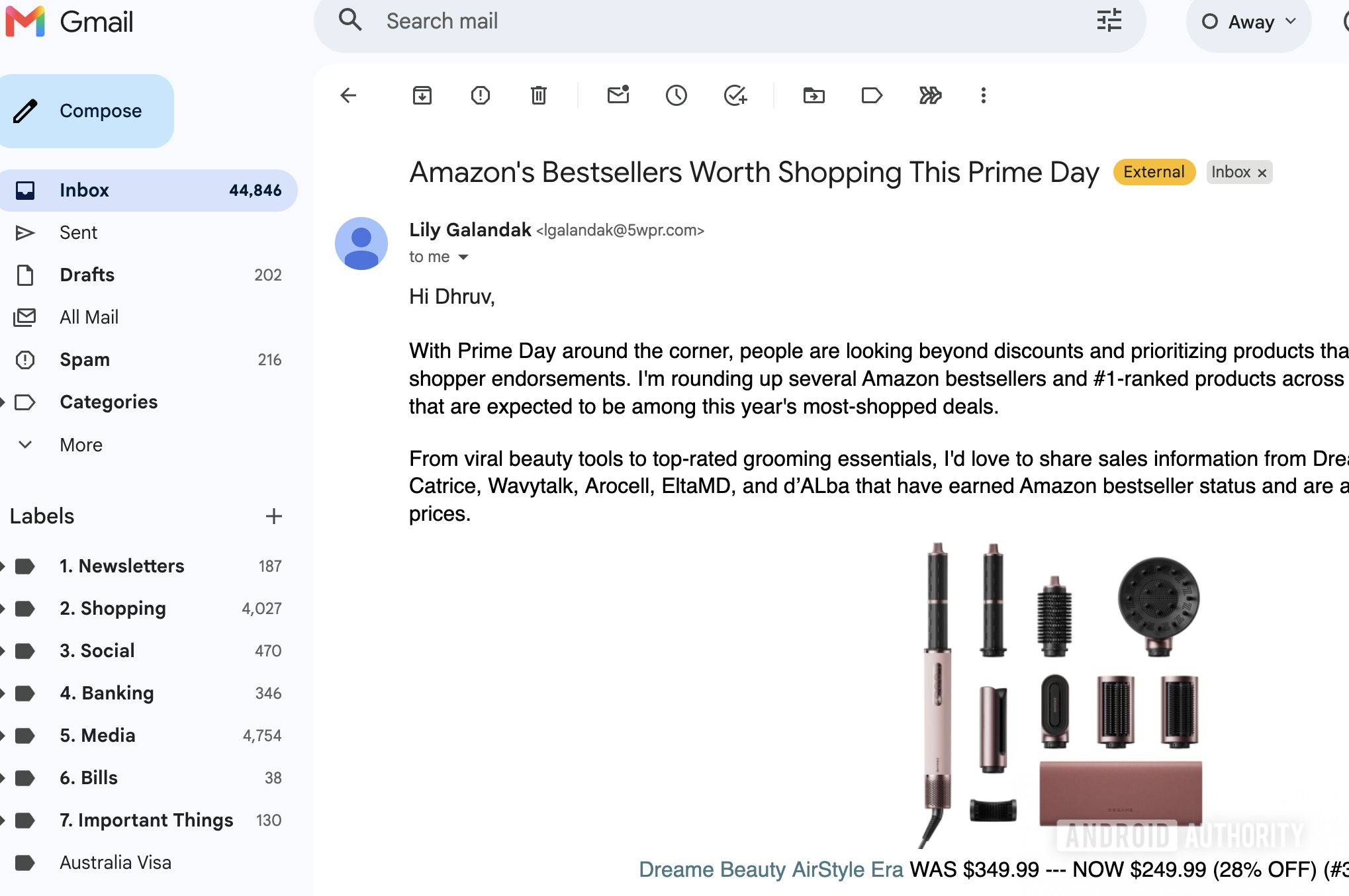
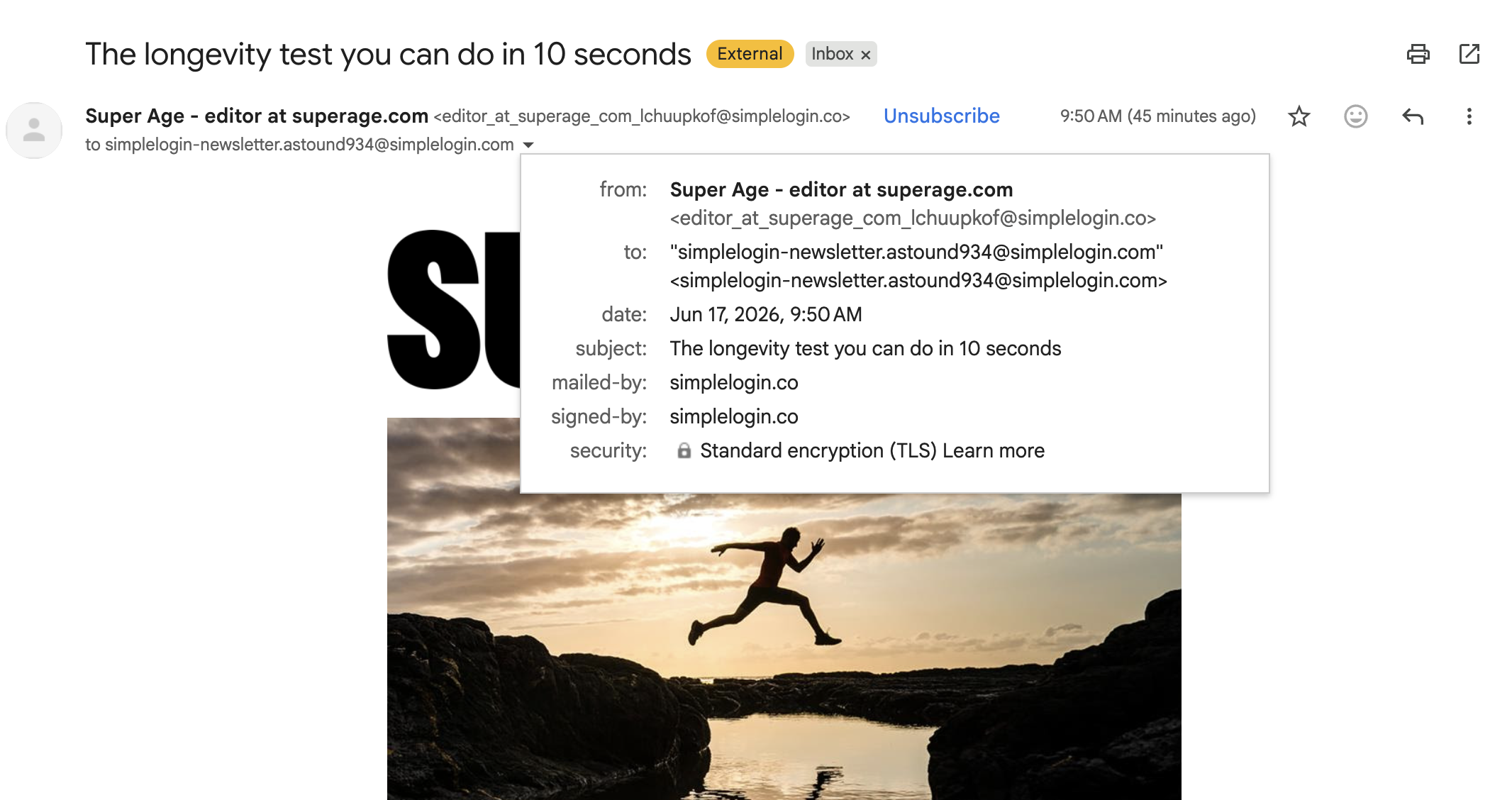
Traditional spam filters are reactionary. They rely on algorithms to guess what is "good" or "bad" after it has already hit your server. This is a losing game. By contrast, an alias system is proactive. When you create a unique address for every service (e.g., [email protected]), you can trace exactly where a data leak occurred. If that specific address starts receiving unsolicited spam or phishing attempts, you know with absolute certainty that the retailer in question was either compromised or sold your data. You don’t have to train a filter; you simply disable the address at the server level, and the noise ceases instantly.
Limiting the Impact of Data Leaks
Credential stuffing relies on the assumption that a user is consistent across the web. If your email address is hidden behind a unique, service-specific alias, a breach at a clothing store becomes a contained event. The attackers might steal an alias, but they have no way of knowing what your primary email address is, nor can they use that alias to probe your other accounts. You effectively decouple your digital identity from your browsing behavior.
Supporting Data: The Case for Decentralization
The sheer volume of data breaches in 2025 and 2026 highlights the fragility of centralized digital identities. Security researchers have noted that nearly 70% of successful account takeovers begin with an email-based phishing attack or credential stuffing.
Furthermore, privacy advocates point to the "fragmentation effect." When a user employs a strategy of alias isolation, they effectively disappear from the unified databases of major data brokers. Without a consistent email identifier to link a user’s behavior across disparate platforms, the accuracy of targeted advertising profiles drops significantly. According to recent surveys, users who adopt alias-based email management report a 90% reduction in spam-related incidents within the first six months of implementation.
Official Responses and Industry Shifts
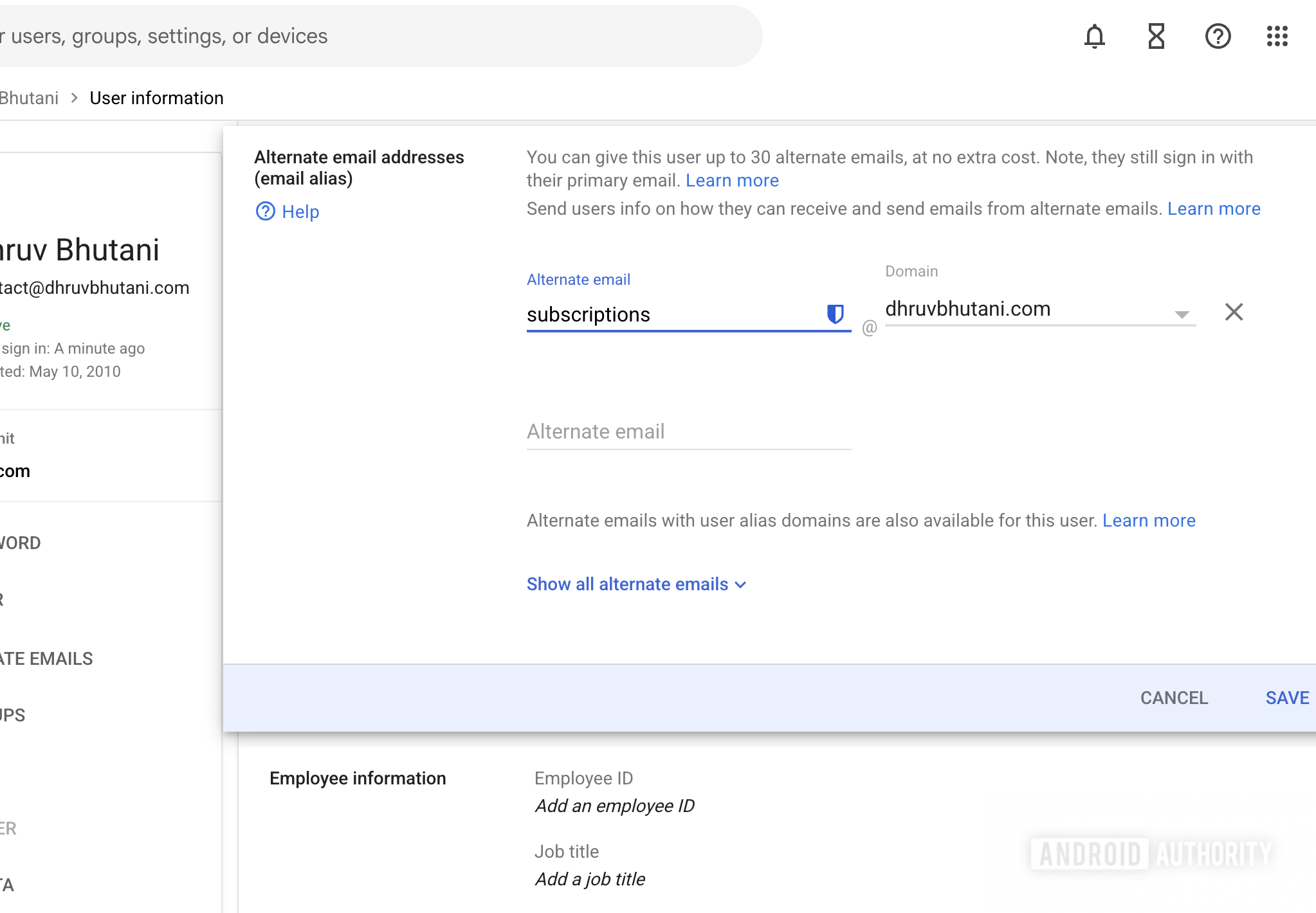
Major tech providers have recognized the shift in user sentiment. Apple, through its "Hide My Email" feature, and Google, via its enhanced Workspace alias capabilities, have begun integrating these privacy tools directly into their operating systems.
"We are moving toward an era where the email address is no longer a public identifier," says Sarah Jenkins, a lead analyst at a prominent cybersecurity firm. "The industry is responding to the fact that users no longer trust the ‘one-address-for-everything’ model. Whether it’s through native features in iOS or custom domains managed by services like SimpleLogin, the trend is toward compartmentalization."
However, security experts warn that this does not excuse poor password hygiene. Even with an alias system, a strong, unique password stored in a reputable password manager remains the second, equally vital half of the security equation.
Implications for Your Digital Future
Structural Segregation
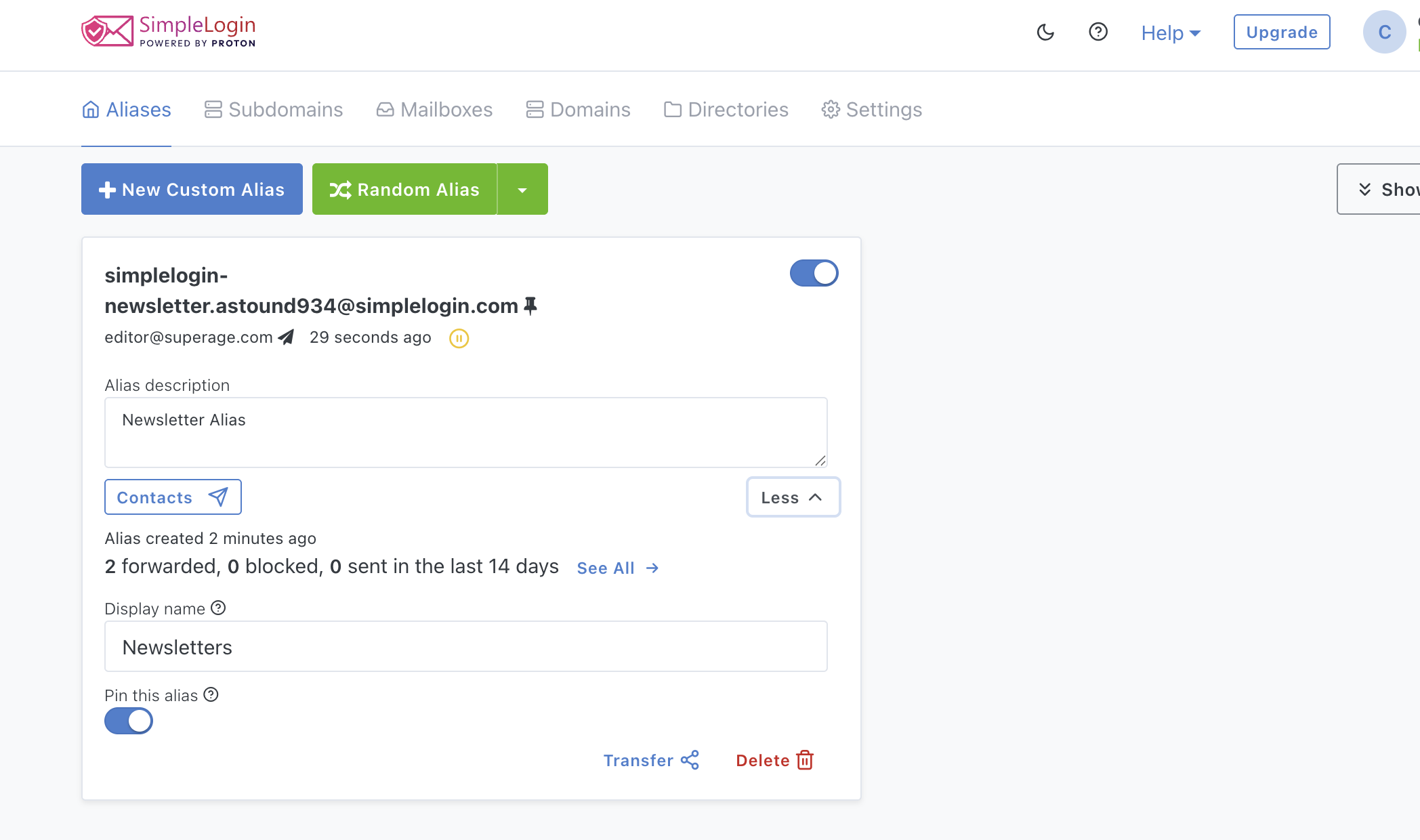
The most immediate benefit of an alias system is the restoration of sanity to your inbox. By routing promotional materials, newsletters, and low-priority notifications to secondary aliases that funnel into separate folders or inboxes, you ensure that your primary inbox remains a clean, focused channel for urgent and important communications.
Long-Term Digital Sovereignty
Adopting this system is about reclaiming ownership of your identity. For years, the internet has forced us to trade our privacy for convenience. By using aliases, you maintain that convenience while regaining the ability to curate your digital footprint.
Getting Started: A Path to Transition
You do not need to overhaul your entire digital life in a single weekend. The transition is best handled as a habit-building exercise:
- Start with a Foundation: Purchase a low-cost personal domain and sign up for a service like SimpleLogin, AnonAddy, or utilize your existing premium email provider’s alias features.
- Prioritize High-Value Accounts: Over the next few weeks, log into your most critical accounts—banks, government portals, and primary social media—and update your account email to a permanent alias.
- The "Moving Forward" Rule: Commit to using a new, unique alias for every new service you join. If you ever have a doubt about a website, use an alias.
- Gradual Phasing: As you continue your daily routine, update older accounts whenever you find yourself logging into them. Over time, your primary address will become the private "hidden" gateway, and your public footprint will be effectively firewalled.
Conclusion: The Time to Act is Now
The internet is not becoming a safer place, but the tools to protect yourself are becoming more accessible than ever. Your email address is the most valuable piece of personal information you possess in the digital age. By implementing an alias system, you stop being a passive subject of data harvesting and start becoming an active administrator of your own digital security.
It requires a minor change in behavior, but the dividends—a cleaner inbox, a reduced risk of identity theft, and the quiet satisfaction of true digital privacy—are well worth the effort. In 2026, there is no excuse for leaving your digital front door wide open. Take control, protect your identity, and begin the transition to a more secure, segregated, and sovereign digital life today.


 Ali Ikhwan
 Sagoh
Sagoh