Lina Irawan
In an era where digital storefronts serve as the primary gateway for gaming consumption, a reliable download is the baseline expectation for any transaction. However, Ubisoft recently stumbled into a bizarre technical oversight that left fans of the legendary strategy title Heroes of Might and Magic III empty-handed. For a brief window, customers who purchased the classic 1999 turn-based strategy game on Steam received a download containing nothing more than an error message—effectively selling a "digital phantom" rather than the game itself.
This incident, which quickly ignited a firestorm of criticism across community forums and social media, serves as a stark reminder of the fragile nature of digital distribution and the importance of quality assurance in modern game publishing.
The Chronology of an Oversight
The trouble began on the day of the game’s scheduled release on Steam. Fans, eager to revisit the iconic fantasy strategy experience, flocked to the store page to purchase the title for $10. The anticipation was palpable, as this release was intended to serve as a bridge to the upcoming, highly publicized Heroes of Might and Magic III Remake.
Upon completing their purchases, users were met with a baffling reality. Instead of the multi-gigabyte install expected of a classic PC title, the download completed in mere seconds. The file size was a microscopic 23.4 kilobytes—a size physically incapable of housing the complex assets, maps, and executable files of a game as robust as HoMM III. When users attempted to launch the "game," they were met with a generic, unhelpful error message.
By the time the community realized the error, the Steam user review section had become a battleground. Within hours, the game’s store page was flooded with "Overwhelmingly Negative" reviews, as frustrated players expressed their confusion and annoyance. The incident persisted for long enough to catch the attention of major gaming news outlets, including PC Gamer, which confirmed that the "game" being sold was essentially a hollow shell.
Official Response: A Swift Correction
Ubisoft’s reaction to the debacle was relatively rapid, given the scale of the distribution error. Recognizing that the negative sentiment was quickly undermining the excitement for their future remake plans, the company issued a formal apology via the game’s official Steam community hub.
"First, we’d like to apologize: we mistakenly released the wrong package yesterday," the statement read. "We’re very sorry for the mistake. The issue has now been resolved. We’d like to thank everyone who alerted us to the problem. We sincerely apologize for any inconvenience this may have caused and appreciate your understanding and support."
Following the statement, Ubisoft successfully updated the backend package on Steam. The new download included the actual game files, and users who had previously downloaded the "empty" package were finally able to access the title. While the prompt fix prevented a long-term PR disaster, the reputational damage had already been done, serving as a cautionary tale about the lack of final-stage verification in digital deployment pipelines.
The Context: A Strategic Marketing Move
To understand why this error was particularly sensitive, one must look at the broader strategic goals Ubisoft currently holds for the Heroes of Might and Magic franchise. This specific release of the 1999 classic was not intended to be a standalone cash-grab; rather, it was a tactical maneuver designed to prime the audience for the Heroes of Might and Magic III Remake.
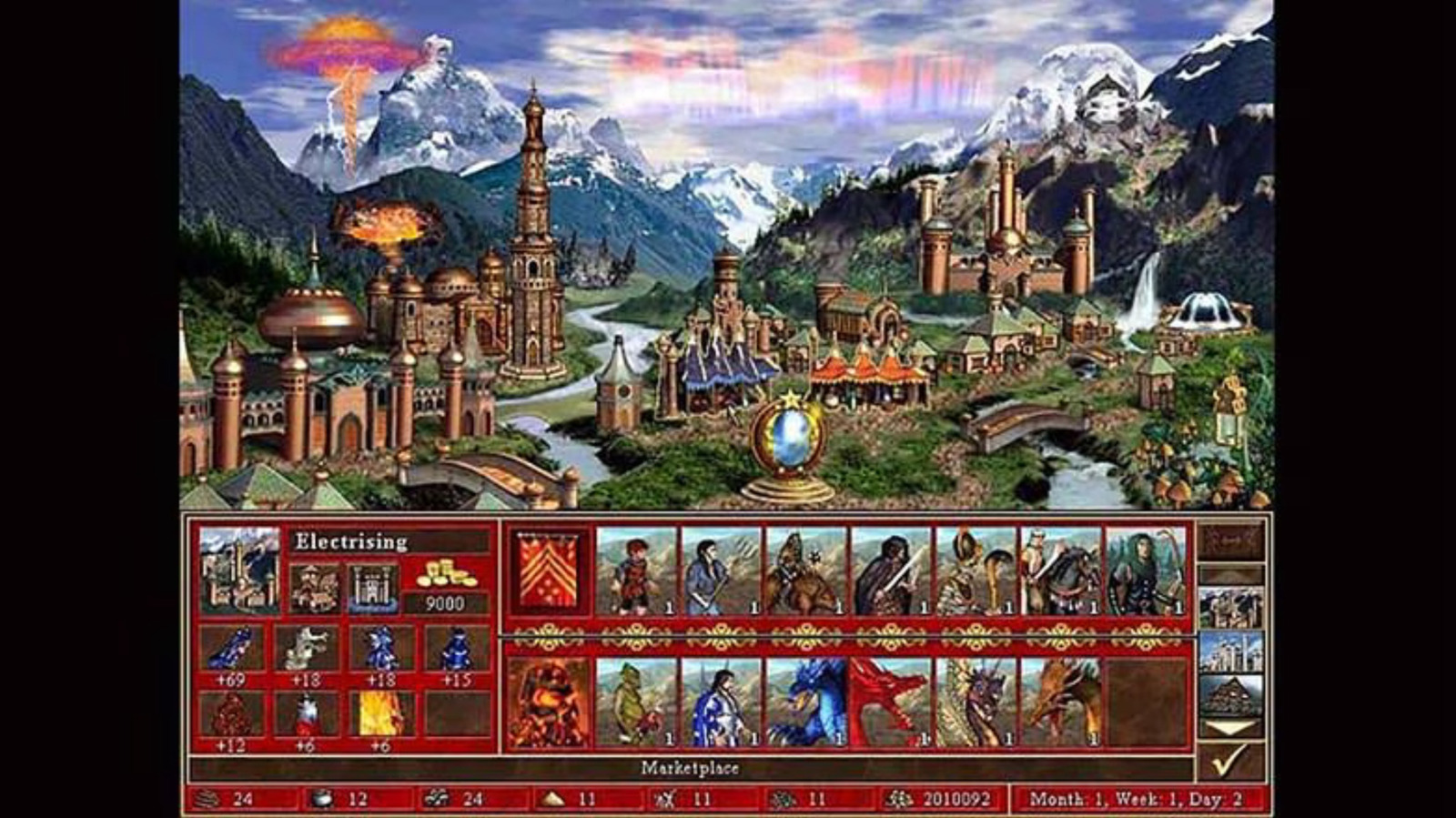
Ubisoft has officially announced that a "modern reimagining" of the title is in development, with a targeted release window of 2027. This project aims to bring the beloved mechanics of the original to a new generation of hardware, including the PlayStation 5 and Xbox Series X/S. By releasing the classic version on Steam, Ubisoft hoped to remind long-time fans of the series’ enduring appeal while introducing the title to younger players who might be interested in the upcoming remake.
The remake promises several enhancements, including:
- Updated Visuals: Transitioning the pixel art aesthetic to a modern engine while retaining the original charm.
- Enhanced User Tools: Streamlined planning and decision-making interfaces to reduce the barrier to entry for modern players.
- Expanded Modding Support: Easier access to user-generated content to ensure the game’s longevity.
- Cross-Platform Availability: Bringing the turn-based strategy staple to consoles for the first time in an accessible, modern format.
Implications for Digital Distribution and Consumer Trust
The incident highlights a growing concern in the gaming industry: the "black box" of digital distribution. When games are released, they often undergo automated processes that bundle assets into specific installers. If a developer or publisher fails to verify the contents of that bundle before it goes live, the result can be as disastrous as selling an empty box at a retail store.
The Erosion of "Day One" Confidence
For many gamers, the "Day One" purchase is a gesture of faith. When that faith is met with a broken product, it erodes the relationship between the publisher and the player base. In the case of Heroes of Might and Magic III, the error was particularly ironic because the game is a nostalgic favorite—a title that thrives on its reputation for quality and depth. Selling it as a broken, 23-kilobyte file felt like a profound disrespect to the franchise’s legacy.
The Role of Community Feedback
The rapid resolution of this issue was only possible due to the vigilance of the Steam community. Within minutes of the store page going live, users were sharing their findings on Reddit and the Steam forums. This "crowdsourced QA" is becoming increasingly common, but it is a poor substitute for rigorous internal testing. Companies rely heavily on the speed of internet feedback to catch errors, but this reliance creates a dangerous precedent where consumers are expected to act as the final line of quality control.
The Future of Classic Re-releases
As publishers look to monetize their back catalogs, the frequency of re-releases is only expected to increase. The Heroes of Might and Magic III situation proves that even established companies can trip over simple administrative tasks. Moving forward, developers must ensure that their deployment pipelines are transparent and verified. For a company like Ubisoft, which is currently attempting to revitalize a classic IP for a 2027 launch, these kinds of errors are not just technical hiccups—they are brand-tarnishing events that can impact the long-term success of the more ambitious projects currently in the pipeline.
Conclusion
The accidental sale of a "hollow" version of Heroes of Might and Magic III will likely be remembered as a footnote in the history of the franchise, but it remains a significant moment for the industry at large. It illustrates the vulnerability of the modern digital market, where a simple misclick or a broken script can render a high-profile launch useless.
Ubisoft has apologized, and the files are now correct, allowing players to enjoy one of the most respected strategy games in history. However, the incident serves as a poignant reminder that even as we move toward a future of high-definition remakes and cross-platform accessibility, the basics of digital distribution—ensuring the product is actually inside the package—remain paramount. As the 2027 launch of the Heroes of Might and Magic III Remake approaches, Ubisoft will need to ensure that their commitment to quality matches the high standards set by the original game, lest they find themselves once again apologizing for a product that fails to launch.


 Azzam Bilal Chamdy
 Asep Darmawan