Muslim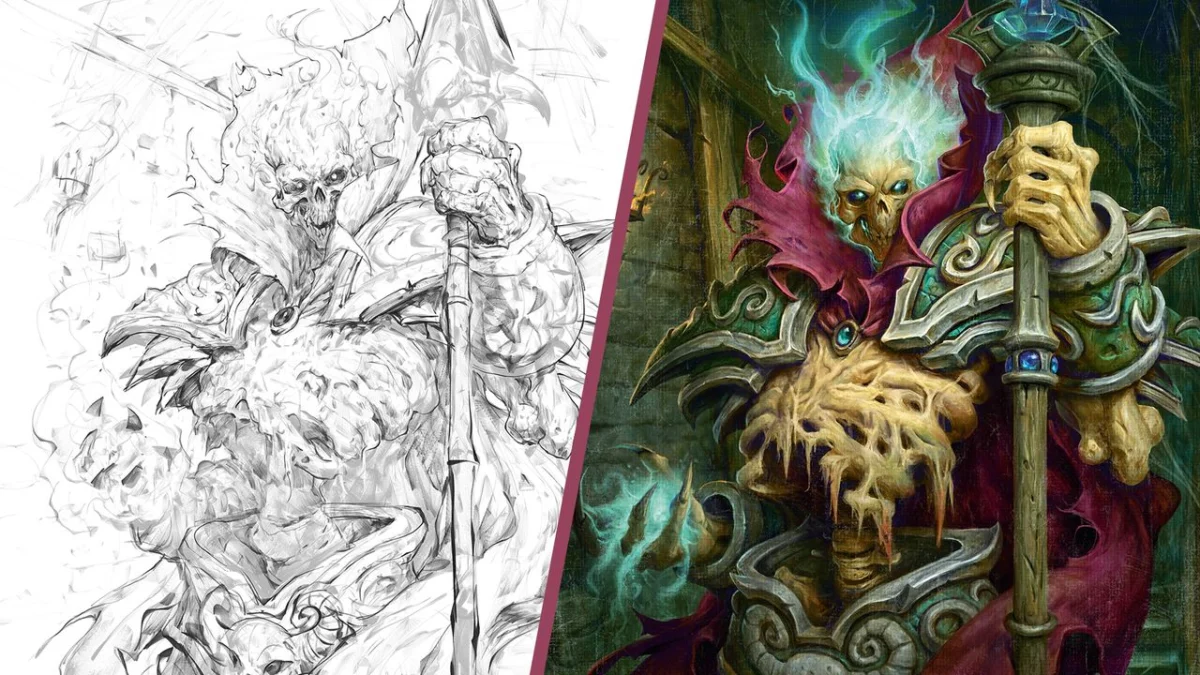
In the high-stakes world of commercial concept art, the ability to translate an abstract vision into a polished, high-fidelity asset is what separates hobbyists from industry professionals. For artists working with giants like Blizzard Entertainment, Games Workshop, and Wizards of the Coast, the process is far more than just "painting"—it is an exercise in visual communication, problem-solving, and disciplined project management.
Senior concept artist Cole Eastburn, who has spent over two decades shaping the visual identities of some of gaming’s most iconic titles, recently pulled back the curtain on his professional workflow. In a comprehensive breakdown of his creative process, Eastburn demonstrates that the journey from an initial art brief to a finished, high-impact illustration is a methodical sequence of decisions, each designed to minimize risk and maximize narrative impact.
The Genesis: Understanding the Art Brief
The professional illustrator’s journey does not begin with a canvas, but with a document. An art brief serves as the foundational blueprint for the entire project. It contains the core goals of the piece, necessary reference materials, and the desired emotional "vibe" as dictated by the art director.
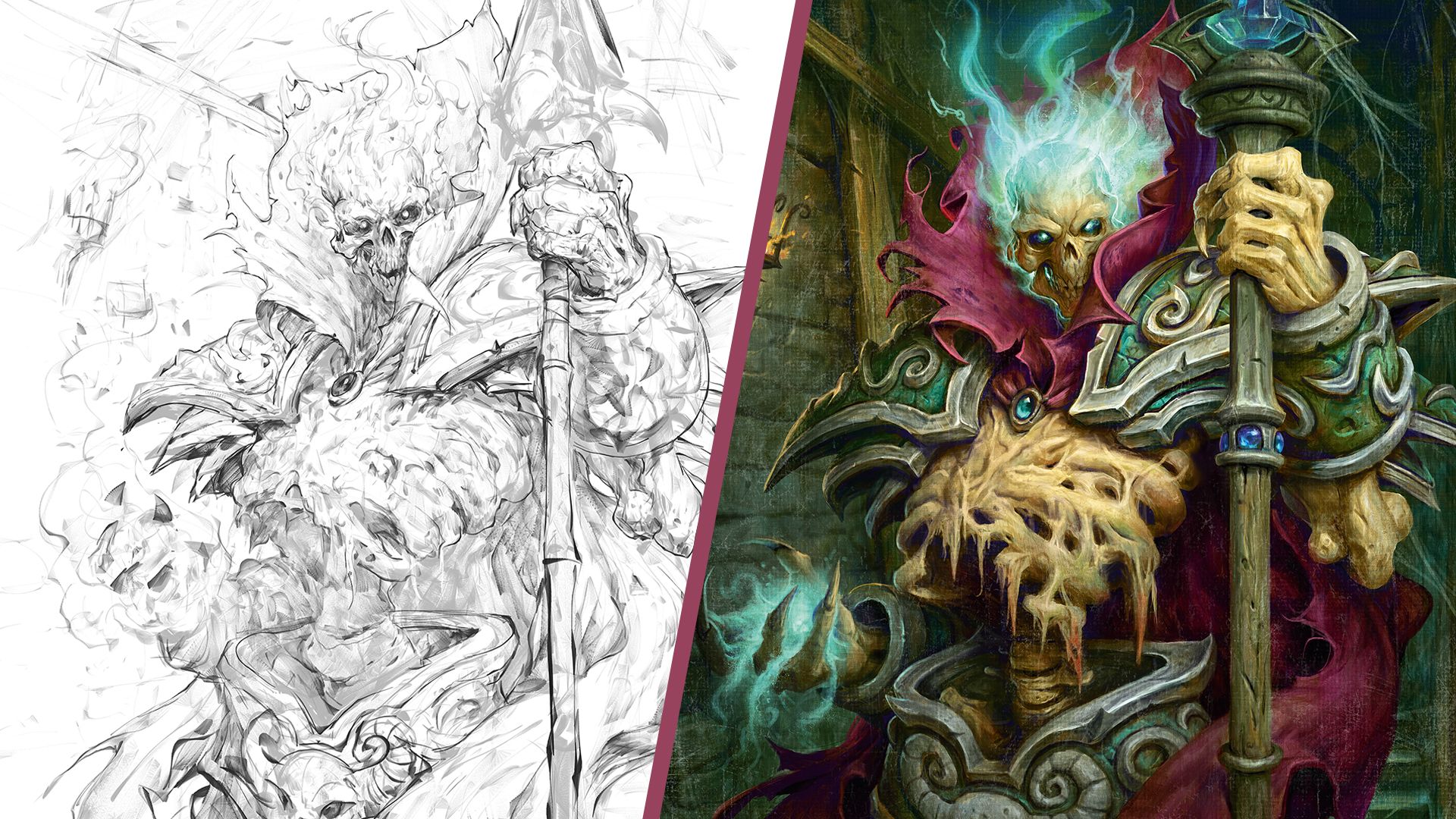
For Eastburn, the goal is to internalize the client’s intent immediately. When he was tasked with creating art for Hearthstone depicting the character Thalnos, the directive was deceptively simple: "Make him look powerful." Rather than rushing to render, Eastburn uses this stage to brainstorm ways to reinforce that specific tone. "My mind tries to think of any and all things I can do to reinforce the mood and tone they want to sell before I even touch the paper," he explains. By deconstructing the brief early, the artist ensures that every subsequent brushstroke serves the narrative purpose of the client.
Chronology of the Creation Process
Phase 1: Thumbnailing and Ideation
Many novice artists are tempted to jump straight into detailed painting. Eastburn warns against this, noting that he learned the hard way that skipping the thumbnail stage leads to costly rework. "I quickly learned: don’t do that. I paid the price later by having to rework entire backgrounds," he says.
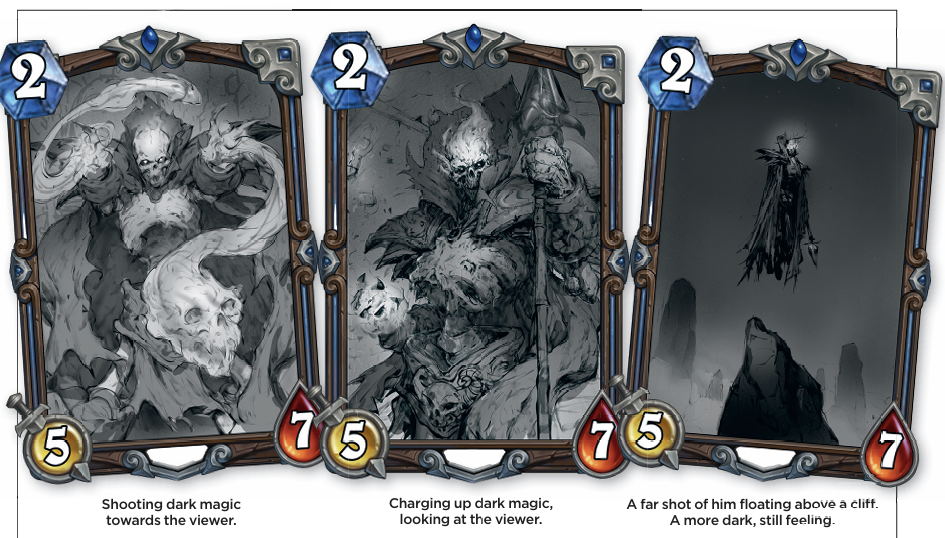
Thumbnails are not meant to be pretty; they are tools for problem-solving. At this stage, the artist explores value groups, composition, and focal points. The objective is to produce a legible, small-scale sketch that communicates the story of the image. If the art director can identify the core action—such as the tilt of a sword or the placement of a dark figure—the thumbnail has succeeded.
Phase 2: Evaluating Options
Diversity in approach is essential. Eastburn suggests providing the client with a variety of compositional moods rather than just shifting the camera angle slightly. By offering distinct options—such as an action-oriented shot, a menacing close-up, or an atmospheric, distant view—the artist allows the director to make a decision based on emotional resonance rather than minor technical preferences.
Phase 3: The Rough Sketch and Value Underpainting
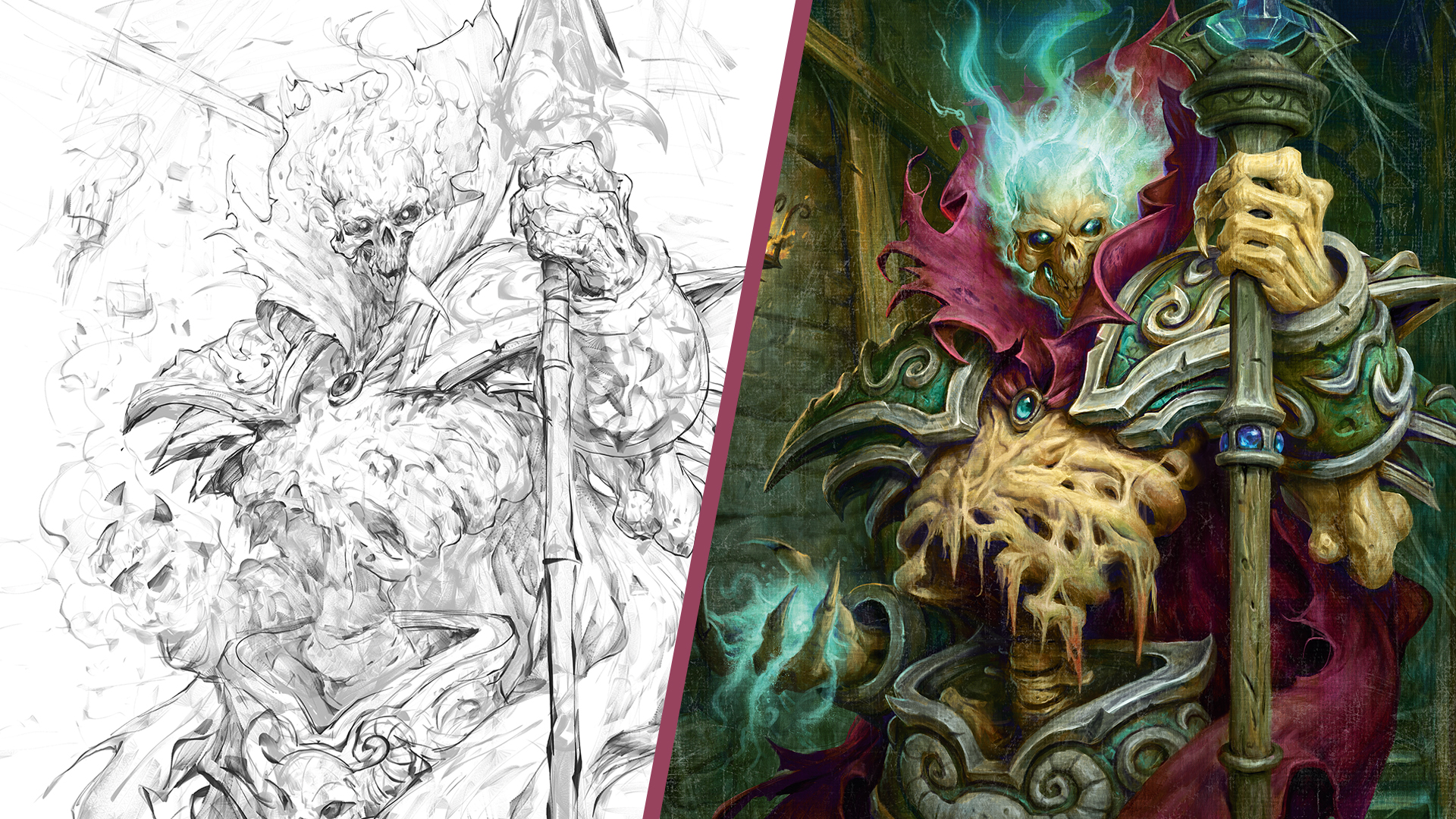
Once a direction is selected, the transition to a rough sketch begins. This is where anatomical proportions, perspective, and lighting logic are finalized in software like Krita, Clip Studio, or Photoshop.
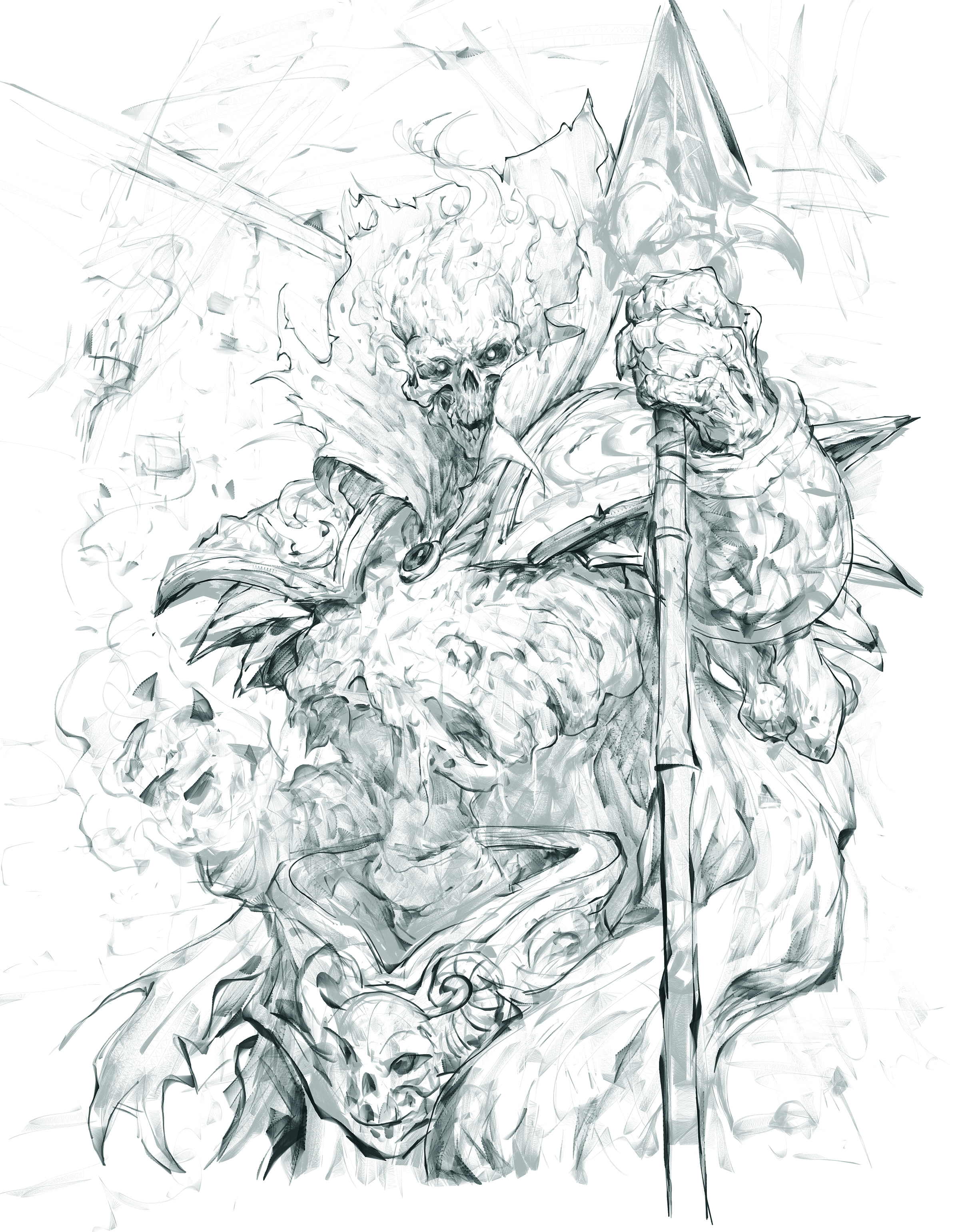
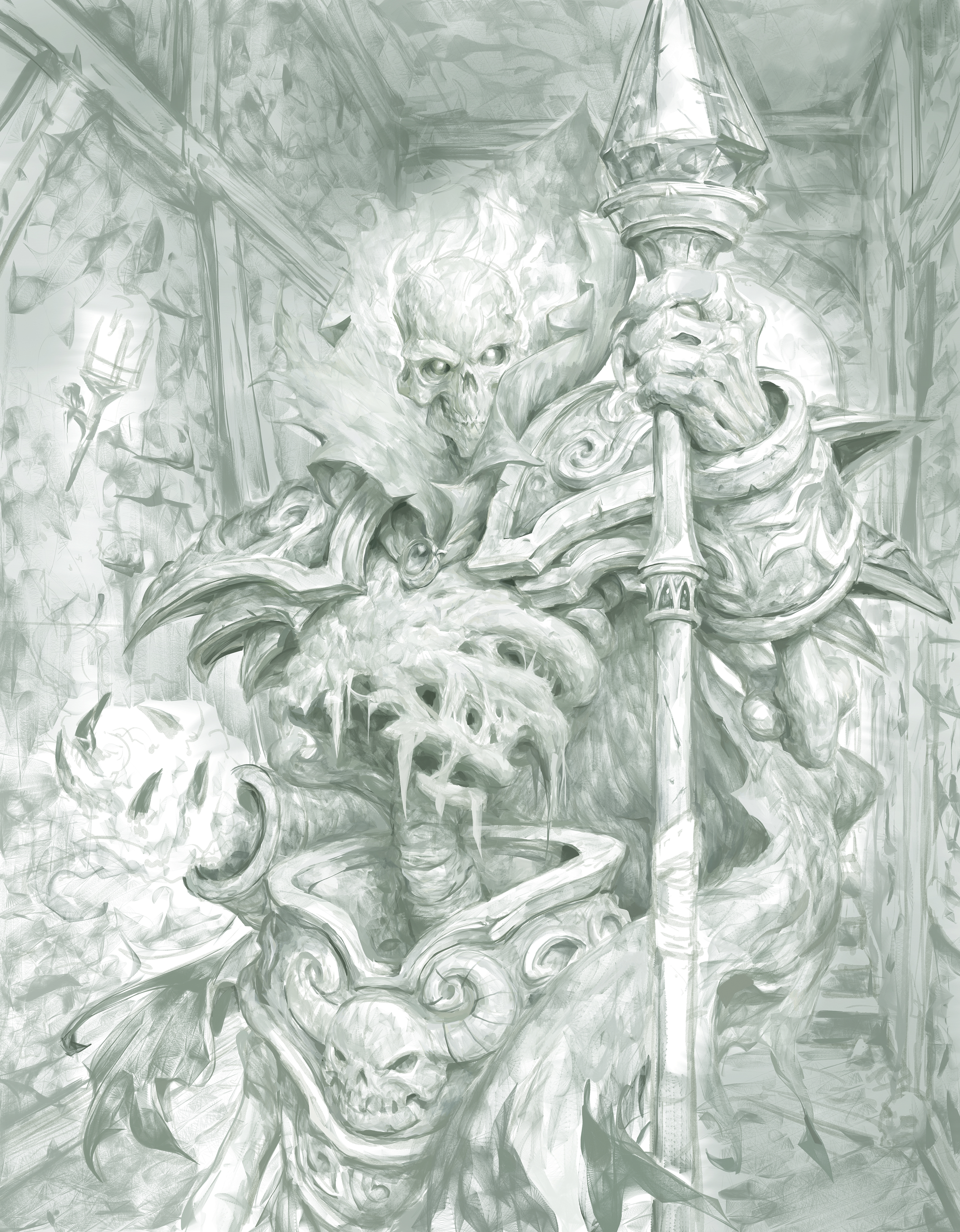
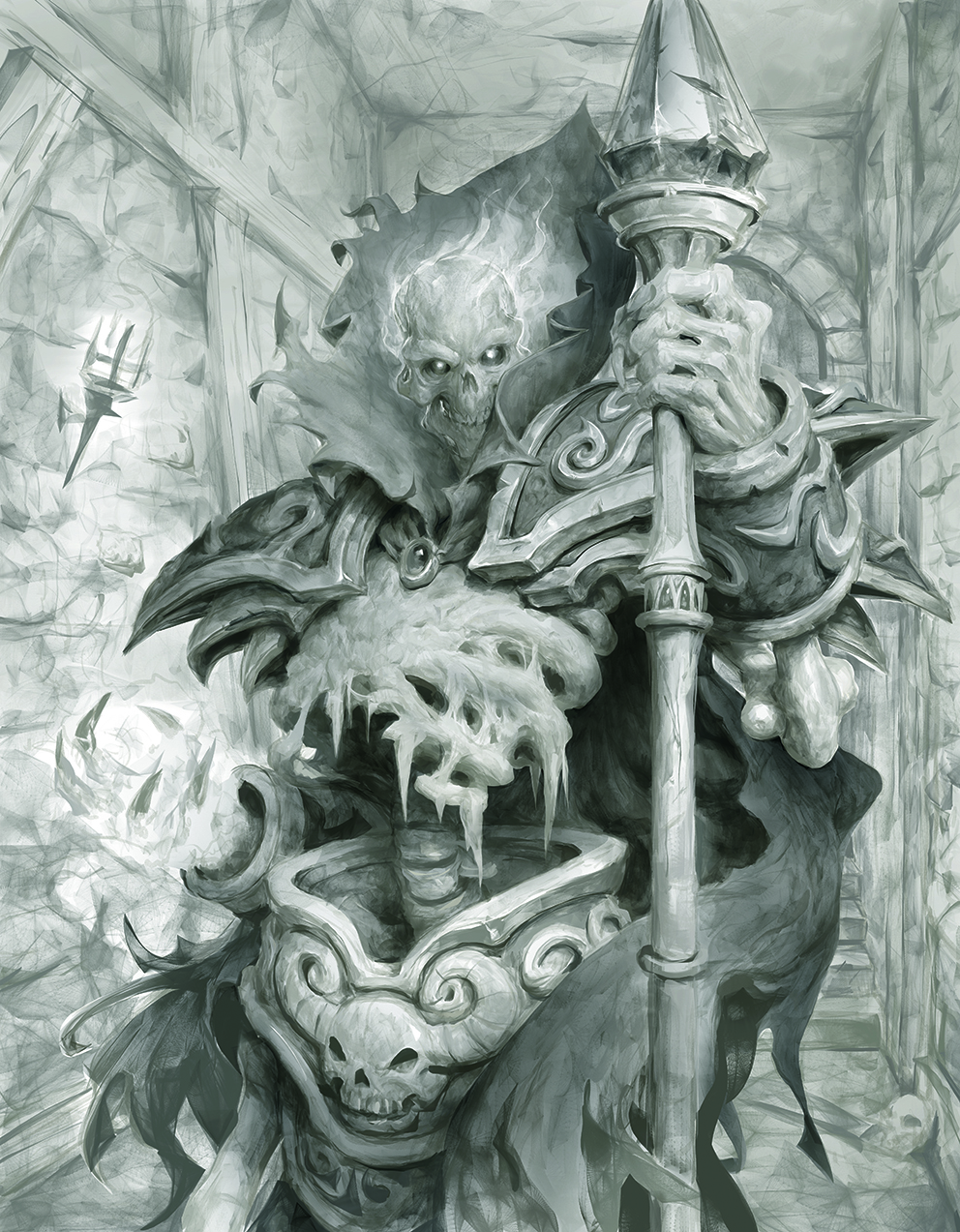
Following the sketch, Eastburn employs a "grisaille" approach—building the image in grayscale values. By controlling light and shadow without the distraction of color, he can ensure the composition is structurally sound. "I think about light direction, but I also don’t care at the same time," Eastburn notes. If a mathematically correct cast shadow interferes with the visual flow or the "read" of the image, he feels empowered to adjust it for artistic effect.
Phase 4: Color Integration and Gradient Mapping
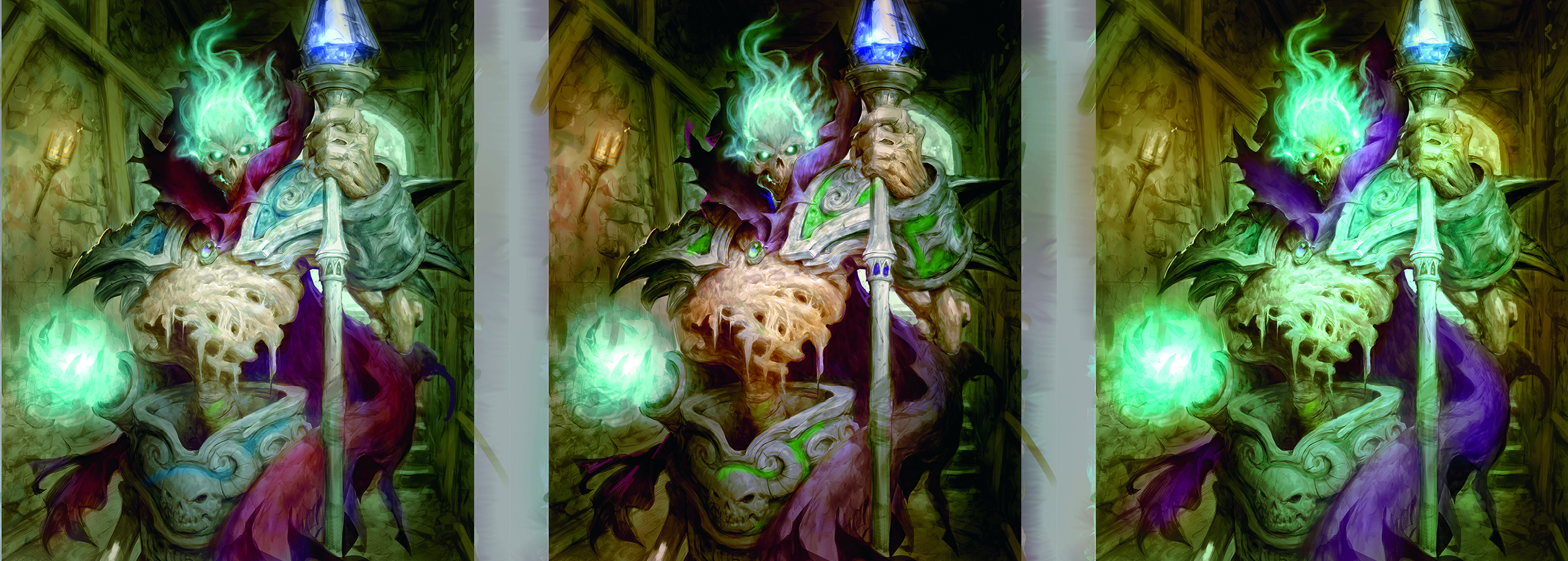
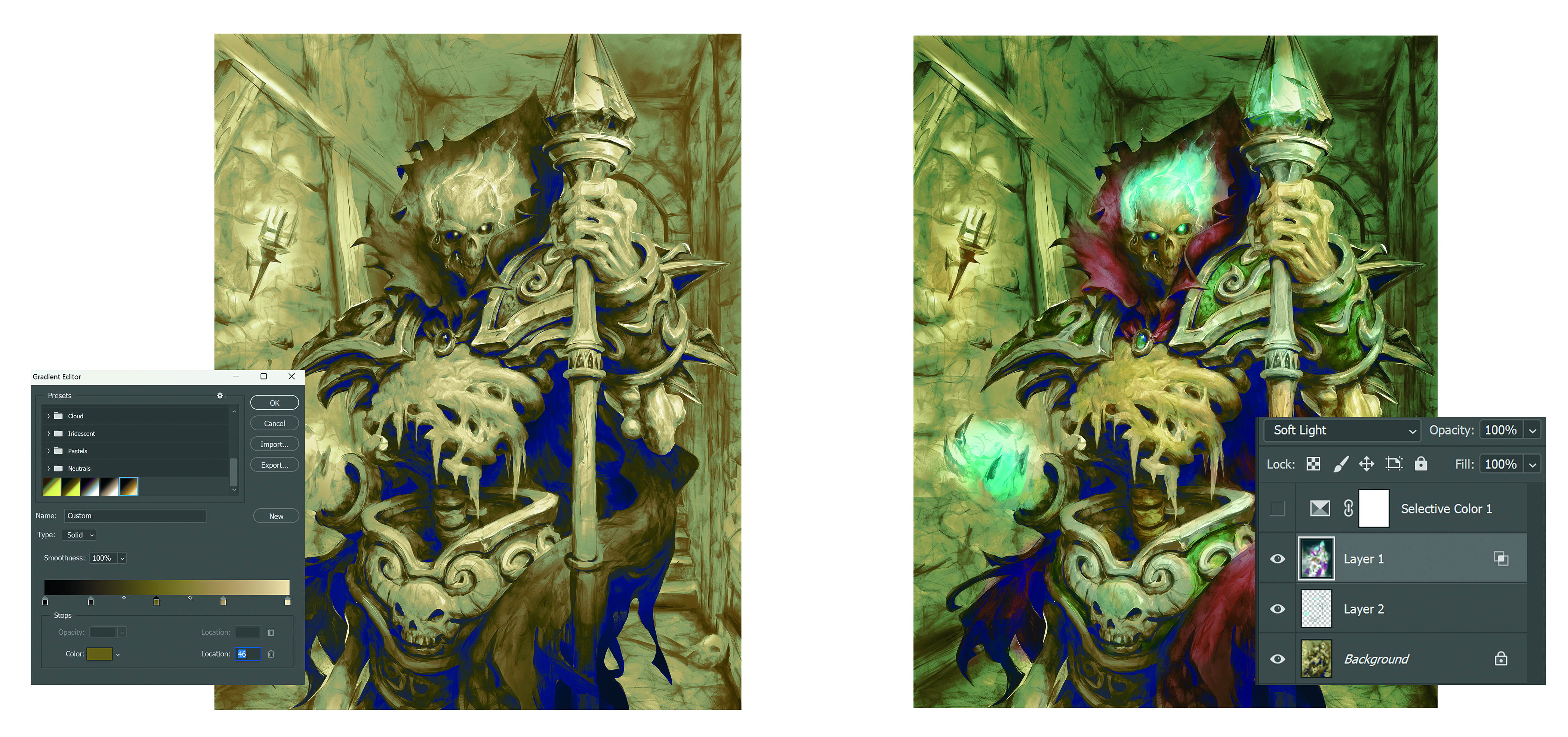
Color is highly subjective, which is why Eastburn prefers to get the values and mood approved first. Once the grayscale foundation is solid, he utilizes gradient maps to transition away from monochrome.
This technique allows for a more vibrant, controlled application of color. By layering "soft light" layers over the gradient map, the artist can introduce color relationships—warm versus cool, light versus dark—that enhance the focal points of the image. He emphasizes that color is relative: "Something is only light because it’s next to something dark; something is cool only because it’s next to something warm."
Supporting Data: Tools and Technical Execution
While talent is the primary driver, the right toolset is the secondary foundation for high-end professional work. Eastburn’s workflow relies on a few key technical staples:
- Hardware: A high-quality drawing tablet is non-negotiable for professional precision.
- Software: Industry-standard tools such as Photoshop, Clip Studio Paint, or Krita are favored for their robust layer management and brush engines.
- Texturing: To achieve a "traditional" look in a digital medium, Eastburn recommends specialized brush packs, such as those by Lucas Peinador, which replicate the physical quality of oil or acrylic paint, adding depth and grit to the final output.
Official Industry Best Practices
A key insight provided by Eastburn is the importance of the "mid-painting" check-in. In the fast-paced environment of card games and AAA titles, art directors are often juggling hundreds of assets.
"I like to send it back over to the client for mid-painting thoughts before taking it all the way to final," Eastburn explains. This proactive communication serves two purposes:
- Risk Mitigation: It allows the client to correct course early, avoiding major changes when the artist is deep into the detailing phase.
- Respect for Deadlines: By sending work early, the artist avoids the "crunch" period when the art department is overwhelmed with other submissions, ensuring their feedback is prioritized and their own deadline remains manageable.
Implications for Aspiring Professionals
The methodology shared by Eastburn underscores a shift in how digital art is perceived. It is no longer just a craft of "drawing"; it is a discipline of design and management.
The Path Forward
The implications for artists looking to break into the industry are clear:
- Solve Problems, Don’t Just Paint: Employers value artists who can solve a narrative problem efficiently.
- Communicate Clearly: The most successful artists are often the ones who are the easiest to work with. Sending early iterations and being receptive to feedback builds trust.
- Master the Fundamentals: Despite the advanced tools, the core principles of light, value, and composition remain the bedrock of the profession.
In conclusion, the work of a professional illustrator is a balancing act of creative vision and disciplined execution. By following a rigorous, step-by-step process—from the initial brief to the final "varnish" of color adjustments—artists can consistently deliver high-quality work that satisfies both the creative spirit and the demands of the commercial market. As Eastburn puts it, the final goal is to create art that stands the test of time, all while ensuring that the professional relationship with the client remains as polished as the final digital render.

 Evan Lee Salim
 Rifan Muazin