For months, prospective buyers have been performing the familiar dance of consumer hesitation: "Should I pull the trigger on a Nintendo Switch 2 today, or wait for a holiday discount?" It is a question fueled by the hope that the inevitable Black Friday sales or upcoming hardware bundles might shave a few dollars or pounds off the entry price. However, Nintendo has effectively put an end to that speculation. With an impending price adjustment scheduled for September 1, the window for securing the current, lower price point is closing rapidly.
If you have been sitting on the fence, the financial reality of the situation is stark: waiting will cost you. Whether you are in the United States or the United Kingdom, the cost of entering Nintendo’s current ecosystem is about to increase, making an immediate purchase not just a convenience, but a savvy financial decision.
The Financial Shift: Breaking Down the New RRP
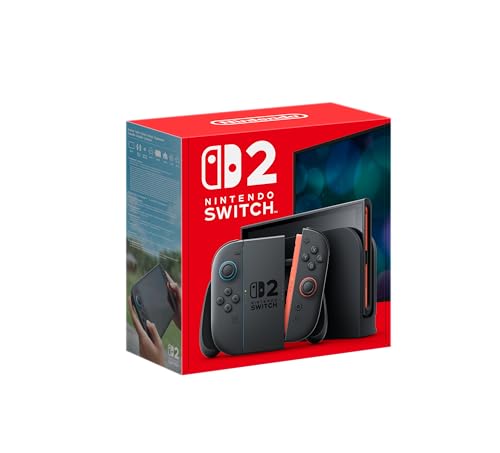
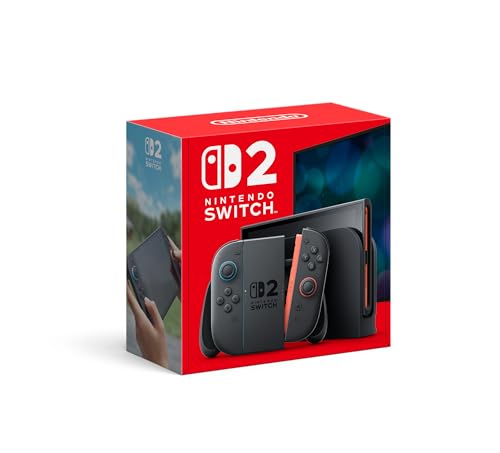
Starting September 1, Nintendo is implementing a global price adjustment for the Switch 2. In the United States, the console—which currently retails for $449.99 for the standalone 256GB model—will see a $50 increase, bringing the new manufacturer’s suggested retail price (MSRP) to $499.99.
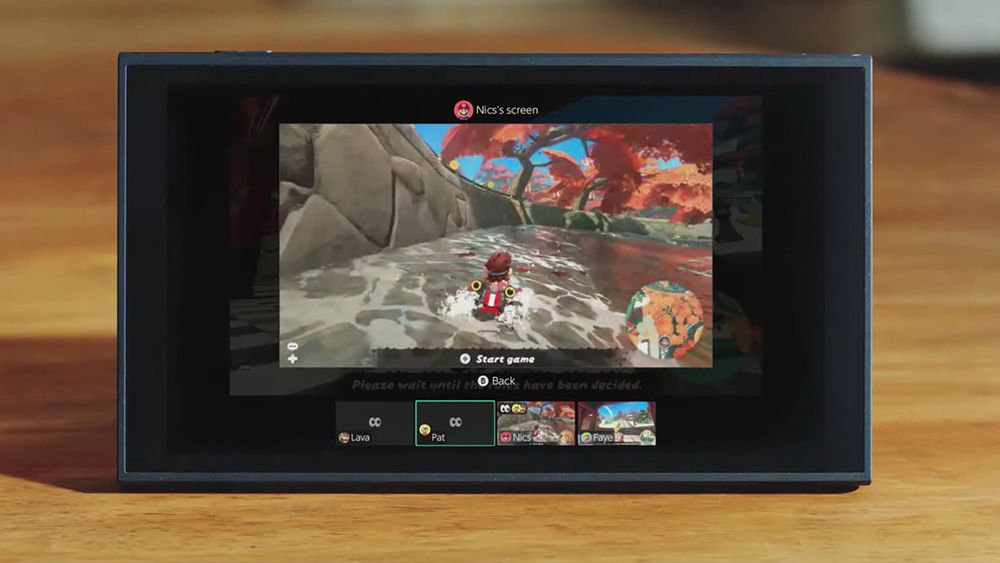
Across the Atlantic, the impact is similarly felt, though slightly more tempered. UK customers will see the console climb from its current price of £395.99 to £419.99, a £24 increase. While the UK hike is less aggressive than the US equivalent, it remains a notable shift for a console that has been on the market for just over a year. For many, that £24 difference is the cost of a new indie title or a year-long subscription to Nintendo Online.
A Chronology of the Price Adjustment
The announcement arrives at a curious moment in the console’s lifecycle. Launched with high expectations, the Switch 2 has spent its first year establishing its footprint in a competitive market.
- The Launch Phase: The console hit the market with a price tag that many analysts deemed "aggressive but fair," given the hardware’s capabilities and the transition from the original Switch.
- The Stability Period: For the subsequent twelve months, the pricing remained consistent, with retailers occasionally offering small incentives to clear shelf space or move specific colorways.
- The August Announcement: In late August, Nintendo confirmed the upcoming price shift, effectively giving consumers less than a week to adjust their purchasing plans.
- The September 1 Deadline: This is the "hard stop." After this date, the new pricing will be reflected across official Nintendo channels and major retailers globally.
The timing is particularly strategic, occurring just before the busy autumn retail season. By adjusting the price now, Nintendo is resetting the baseline before the influx of holiday shoppers, ensuring that future "discounts" are calculated against this new, higher RRP.
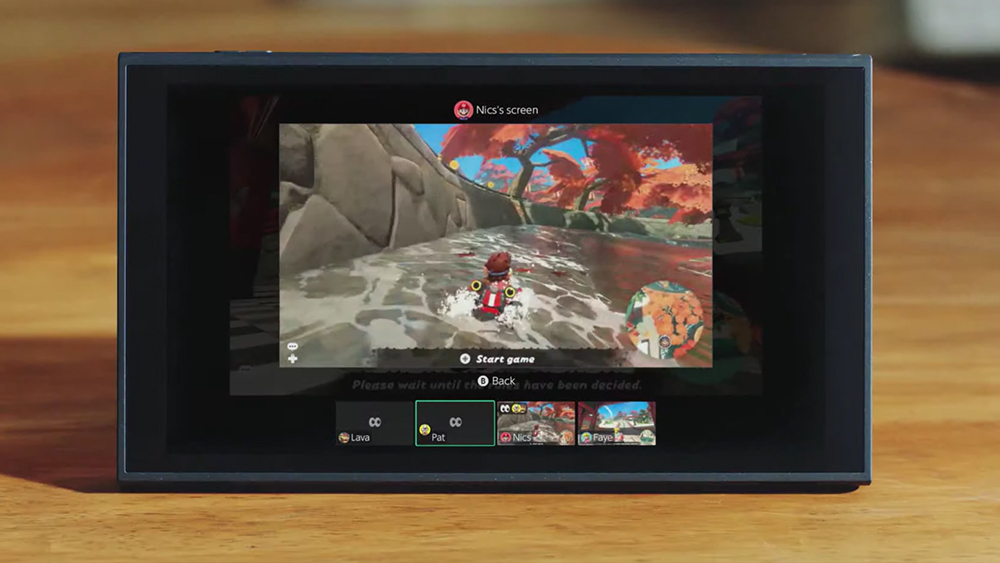
The Illusion of Bundle Savings
Nintendo has also confirmed a series of new, limited-edition Switch 2 bundles slated for release later this autumn. These packages—which often include popular titles like Nintendo Switch Sports Resort—are designed to offer "extra value" to consumers. However, a closer look at the math reveals that these bundles may not be the bargain they initially appear to be.
For example, the Nintendo Switch Sports Resort bundle is currently positioned at $529.99. While this represents a savings of roughly $27.98 compared to buying the components separately after the price hike, it is still $22.02 more expensive than the current, pre-hike cost of the console alone.
Essentially, while the bundles offer a "value-add" in terms of bundled software, they do not escape the hardware inflation. If you are a consumer who is indifferent to the specific software being bundled, or if you already own those titles, the bundle is effectively forcing you to pay a premium for the hardware.

Market Analysis: Why Buying Now Outweighs Waiting
The primary argument for waiting for the holiday season is typically the hope for deep discounts, such as those seen during Black Friday or Cyber Monday. However, when the underlying RRP of a product rises by $50, the math changes significantly.
Retailers rarely offer deep enough discounts to offset a permanent price increase of that magnitude. If a retailer offers a "Black Friday Deal" of $20 off the new $499.99 price, you are still paying more than you would today. The only way for a future sale to be truly competitive with today’s price would be for retailers to offer historic, aggressive discounts that go beyond standard holiday promotions.
In the UK, the situation is even more transparent. With some retailers like Amazon currently offering the console for as low as £378.85, the gap between the current street price and the post-September 1 RRP of £419.99 is nearly £40. Finding a deal that bridges that £40 gap during a traditional sale period is far from guaranteed.
The Content Ecosystem: A Reason to Act
Beyond the hardware pricing, the library of games available for the Switch 2 is reaching a maturity point that makes it an attractive investment. High-profile releases such as The Duskbloods and the highly anticipated Dragon’s Dogma 2: Dark Arisen are driving hardware adoption.
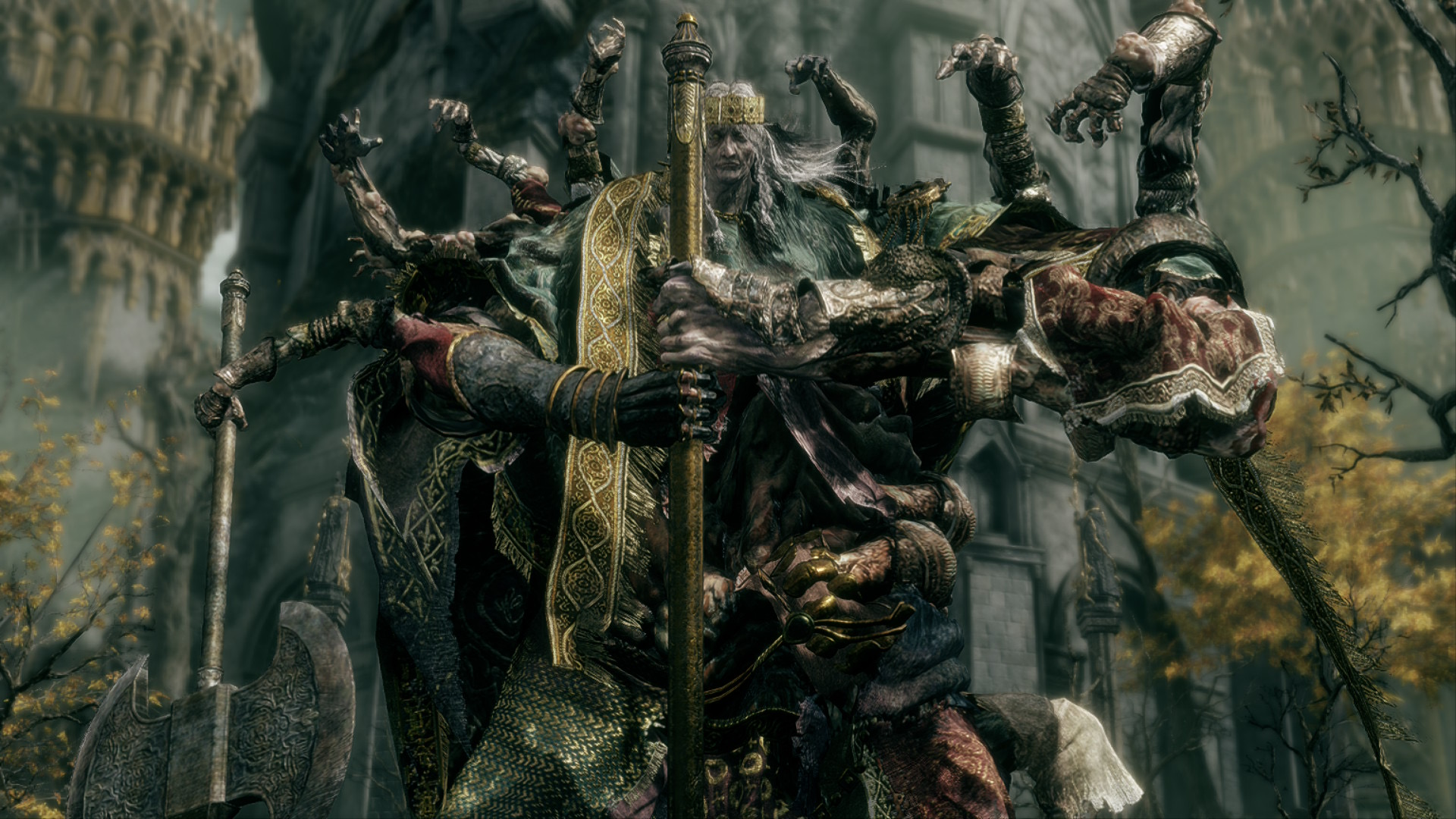
Furthermore, the recent critical reception of Elden Ring: Tarnished Edition has highlighted the console’s ability to handle complex, open-world experiences with grace. When you combine the growing library of "must-play" titles with the looming price hike, the value proposition of owning the system today becomes difficult to ignore. Investing in the hardware now allows you to access these titles at the current price point, avoiding the "early adopter" tax that is essentially being applied retrospectively.
Official Stance and Implications
Nintendo has not explicitly cited the specific reasons for the price hike, though analysts point to a combination of rising logistics costs, global inflation, and the necessity of maintaining healthy margins on hardware that has matured in its production cycle.
The implications for the gaming industry are clear: we are in an era where "hardware inflation" is becoming a recurring theme. Unlike the previous decade, where consoles often saw consistent price drops over time, the current economic climate is forcing manufacturers to periodically re-evaluate the retail cost of their devices.
For the consumer, this means that the "wait and see" strategy—once the gold standard for buying electronics—may no longer be the most effective way to save money. When a company announces a clear, fixed date for a price increase, the market reaction is almost always to prioritize immediate purchase.
Strategic Advice: How to Secure the Best Price
If you have decided that the Switch 2 is in your future, here is the recommended course of action:
- Monitor Online Aggregators: Use price-tracking tools to see if any retailers are clearing stock before the September 1 deadline.
- Check Local Retailers: Sometimes physical stores have older inventory that is not subject to the immediate repricing that occurs on central online databases.
- Bundle vs. Standalone: If you are planning on buying a game anyway, check the math. If the bundle price is close to the current, lower hardware price plus the cost of the game, it may be a wash. But if you have no interest in the bundled game, stick to the standalone console.
- Avoid the "Holiday Hope": Do not bank on Black Friday sales to rectify the upcoming $50 price increase. Assume that the new RRP will be the floor for the foreseeable future.
Conclusion
The upcoming price increase for the Nintendo Switch 2 is a definitive reminder of the shifting landscape of hardware retail. While the news of a $50/£24 price hike is undeniably frustrating for those who were hoping for a bargain, it provides much-needed clarity for those currently deciding on their next purchase.
The strategy is simple: if the console is on your wishlist, the most cost-effective move is to secure it before September 1. By doing so, you avoid the inflationary surge and gain access to a platform that is currently hitting its stride in terms of software library. In the world of gaming hardware, sometimes the best deal isn’t found in a future sale, but in acting decisively before the market shifts beneath your feet.