The networking landscape is on the cusp of another paradigm shift. While consumers have only recently begun to adopt Wi-Fi 7, industry leader TP-Link has officially signaled that the future is already here. On September 30, the company will initiate a new chapter in wireless communication with the launch of the Archer 8 Ultra BN19000, the first consumer-grade router to embrace the Wi-Fi 8 (802.11bn) standard. This announcement, coming just months after the company first teased its roadmap, positions TP-Link as a vanguard in the race to redefine home connectivity.
The Evolution of Connectivity: From Speed to Reliability
For years, the networking industry has been obsessed with the "bigger number" approach—incrementally increasing aggregate wireless speeds to capture headlines. However, the introduction of Wi-Fi 8 marks a departure from this singular focus. While the new Archer 8 Ultra promises an impressive 19 Gbps aggregate speed, the true objective of the 802.11bn standard is stability, efficiency, and real-world performance.
The industry is moving toward what experts call "Ultra-High Reliability." The goal is no longer just about reaching multi-gigabit throughput in an empty laboratory; it is about ensuring that a household with dozens of smart devices, streaming services, and high-latency gaming rigs can maintain a seamless connection, even in high-interference environments.
The Archer 8 Ultra BN19000: Technical Specifications
At the heart of the upcoming launch is the Archer 8 Ultra BN19000. While TP-Link has maintained a degree of secrecy regarding the full internal schematics, the disclosed specifications paint a picture of a hardware powerhouse:
- Antenna Array: 18 internal antennas designed to maximize spatial stream coverage and beamforming precision.
- Throughput: 19 Gbps aggregate wireless bandwidth.
- Connectivity: Robust 10 Gbps wired networking support, catering to the growing demand for high-speed backhaul and multi-gigabit internet plans.
- Tri-Band Architecture: Optimized to manage traffic across multiple spectrums, reducing congestion in dense urban settings.
Chronology of a Rollout: A Multi-Phased Strategy
TP-Link’s roadmap is deliberate, characterized by a staggered release that prioritizes core infrastructure before expanding into peripheral devices.
Phase One: The Flagship Launch (Q3 2026)
The journey begins on September 30, 2026, with the commercial debut of the Archer 8 Ultra. This launch serves as a flagship proof-of-concept, establishing the design language and technical performance standards for the rest of the Wi-Fi 8 lineup.
Phase Two: The Mesh Expansion (Q1 2027)
Following the standalone router, TP-Link will pivot to the mesh market. The Deco 8 Ultra BN22000 is scheduled for release in the first quarter of 2027. Boasting a staggering 22 Gbps aggregate speed, this system is engineered for high-density environments. TP-Link’s internal testing suggests that a standard three-pack configuration will provide seamless coverage for up to 9,800 square feet, addressing the needs of sprawling estates and complex office layouts.
Phase Three: Ecosystem Diversification (Q2 2027)
By the second quarter of 2027, the focus will shift to the "edge" of the network. This includes the introduction of the Roam 8 travel router—a portable solution for high-speed connectivity on the go—alongside a suite of PCIe and USB client adapters to ensure that legacy PCs can tap into the benefits of the new standard.
StabilityEngine: The "Secret Sauce" of Wi-Fi 8
Perhaps the most significant advancement in this new generation is the integration of proprietary technologies under the umbrella of TP-Link’s "StabilityEngine." This suite is designed to mitigate the common pitfalls of wireless networking: latency, packet loss, and signal degradation.
Key features include:
- Enhanced Long Range (ELR): By optimizing signal amplification and sensitivity, ELR ensures that low-power IoT devices—often hidden in corners or behind walls—remain tethered to the network without dropping off.
- Distributed Resource Units (DRU): This technology intelligently allocates bandwidth, ensuring that a high-bandwidth 8K video stream does not starve a low-latency smart home sensor of its connection.
- Advanced Modulation Schemes: The inclusion of Unequal Modulation (UEQM) and updated Modulation and Coding Schemes (MCS) ensures that data packets remain intact even when physical obstacles or competing signals threaten to introduce noise into the transmission.
Design Philosophy: Turning Infrastructure into Art
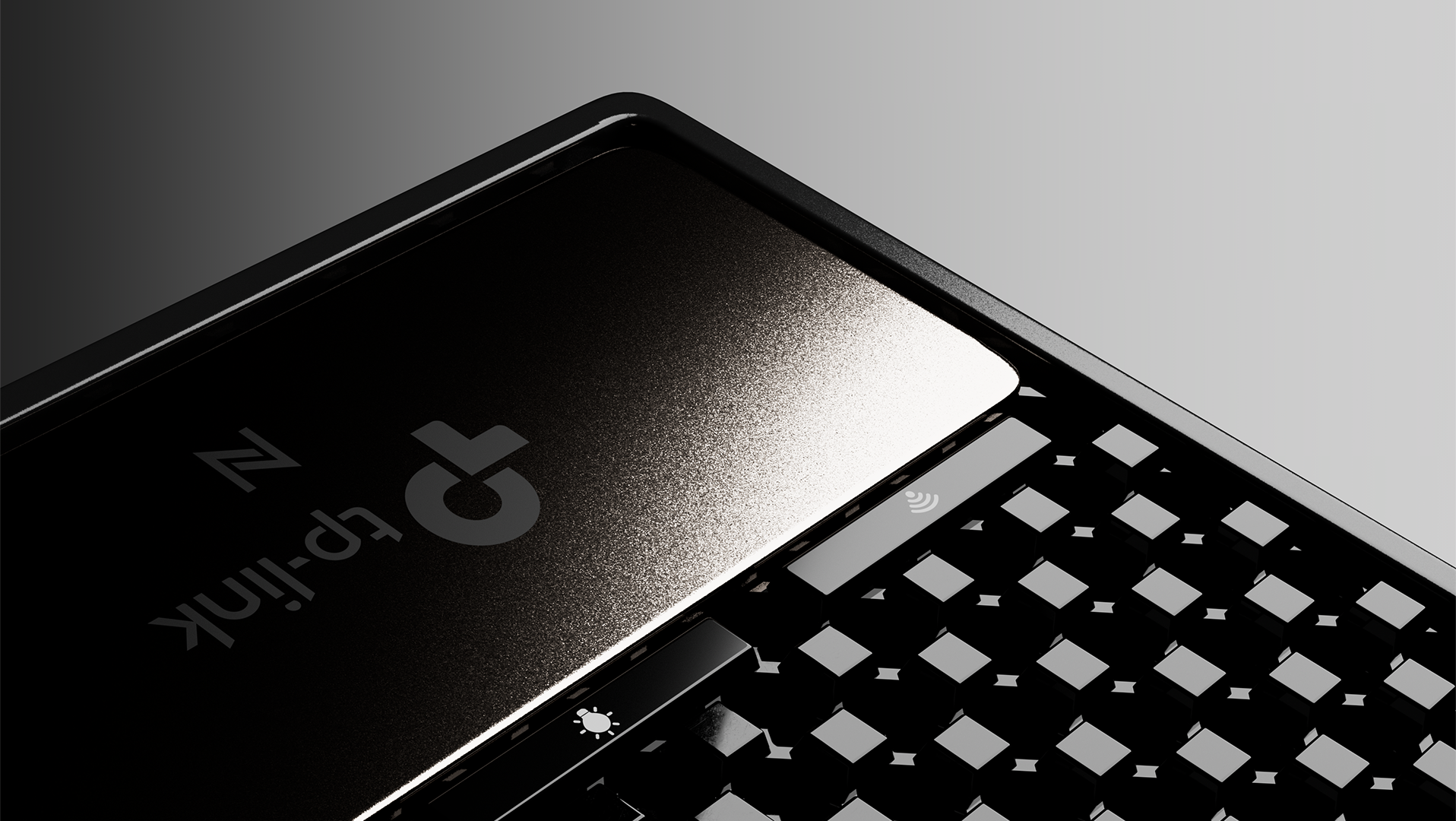
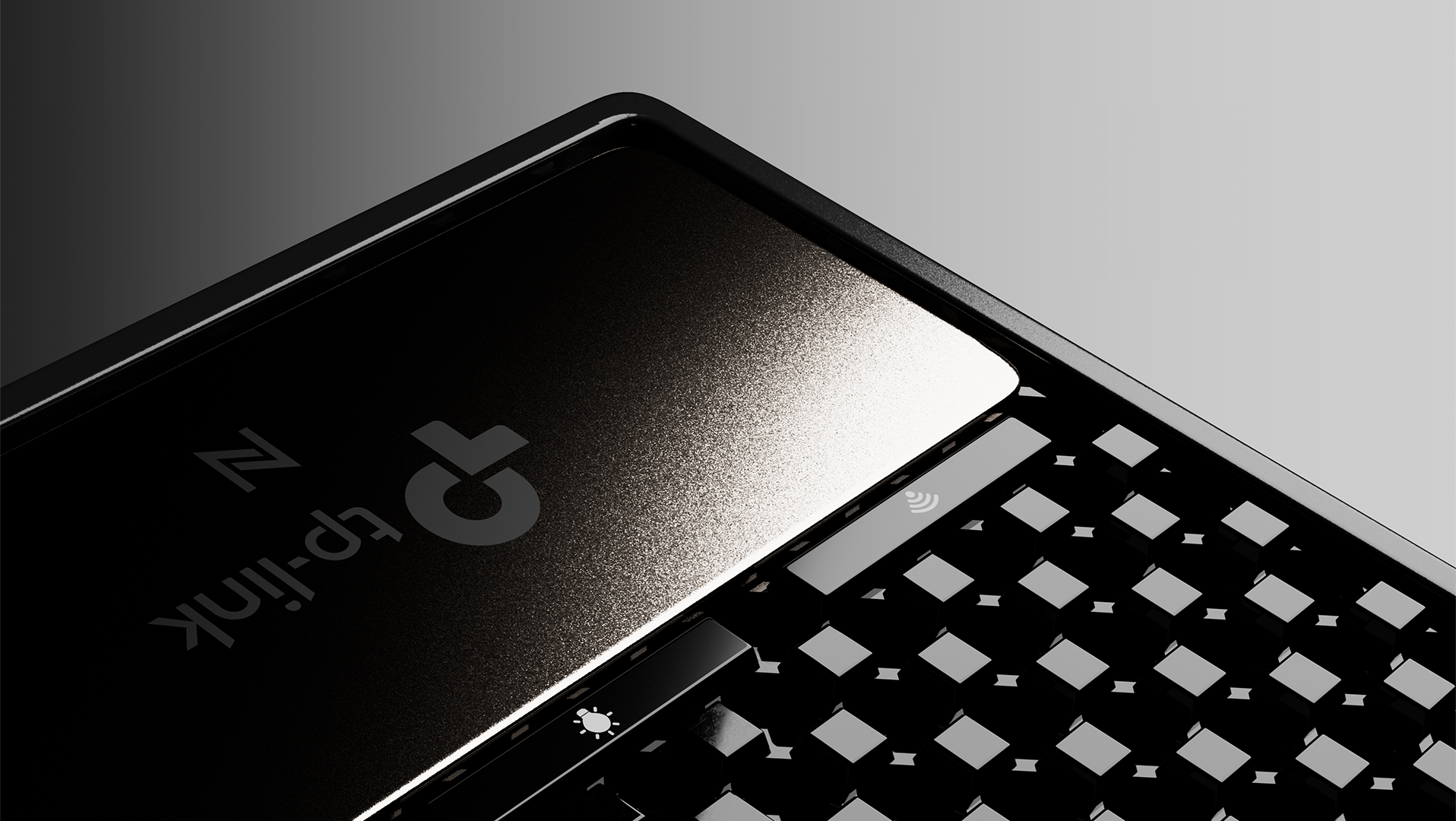
A striking aspect of the Archer 8 and Deco 8 announcement is the company’s pivot toward industrial design. Historically, routers have been utilitarian "black boxes"—devices that users prefer to tuck away in cupboards, ironically hindering their performance.
"We stopped building a piece of networking equipment and started designing for the home," says Gary Chang, TP-Link’s industrial design chief. The new aesthetic focuses on form factors that complement modern interior design, encouraging users to place their routers in open, central locations. This design choice is not purely cosmetic; by making the hardware "display-worthy," TP-Link hopes to improve actual network performance by ensuring routers are placed where they can provide the best possible coverage.
The Shadow of Regulatory Hurdles
Despite the technical promise of the Wi-Fi 8 lineup, the transition is not without friction. TP-Link faces a complex regulatory landscape in the United States. Unlike other major networking firms that have secured conditional approval from the FCC to import and distribute hardware, TP-Link remains under intense scrutiny due to ongoing national security discussions involving the U.S. government and China-linked technology.
Because of this, the company has been cautious, stating that preorders will open in "select regions" on September 30. Whether the U.S. market will see the Archer 8 Ultra at launch remains a subject of intense speculation among industry analysts. The uncertainty serves as a reminder that even the most advanced consumer technology is subject to the broader currents of international policy and trade.
Implications for the Future of the Smart Home
As we look toward the 2027 completion of the initial Wi-Fi 8 rollout, the implications for the consumer are clear: the focus is shifting from "raw speed" to "reliable ubiquity."
For the average user, Wi-Fi 8 will likely feel like the invisible backbone that finally makes the "smart home" promise a reality. With technologies like DRU and ELR, the frustration of "dead zones" and the struggle to connect a smart lightbulb or a home security camera may soon become a relic of the past.
Furthermore, the collaboration with industry giants like Broadcom, MediaTek, and Qualcomm—who are confirmed as the silicon partners for these devices—ensures that the underlying technology is battle-tested and ready for the rigors of modern digital life.
While the "Wi-Fi 8" moniker might sound like a minor increment on paper, it represents a massive leap in how our homes communicate. By prioritizing the resilience of the signal over the vanity of top-line speed numbers, TP-Link is setting a new standard for the next decade of connectivity. Whether they can navigate the regulatory hurdles in the U.S. to bring this technology to all households remains the biggest question of the year, but for now, the path forward is clearly defined.