

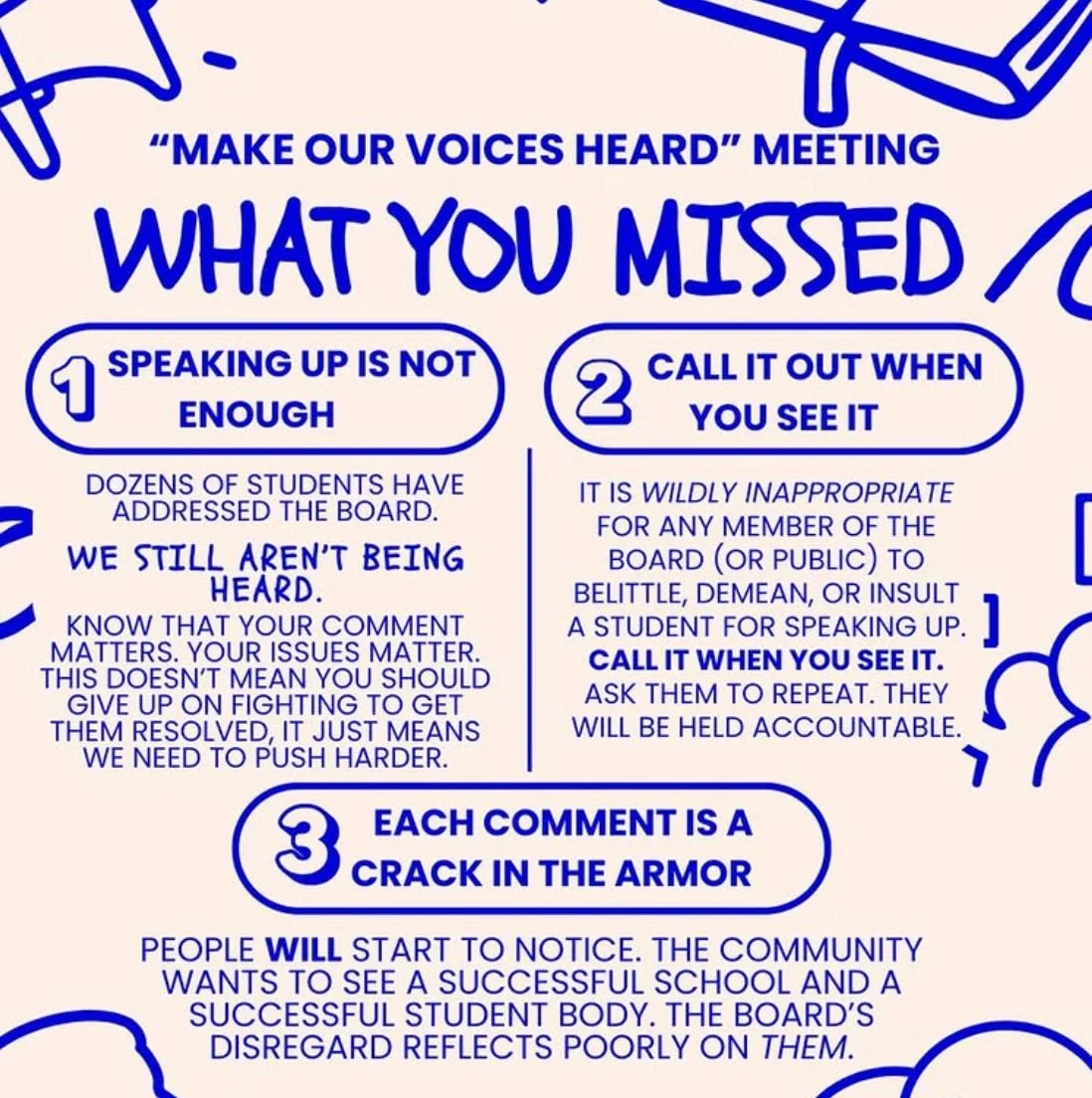
In the heart of Lancaster County, Pennsylvania, the traditional quiet of the Elizabethtown Area School District has been replaced by the rhythmic chants of students protesting on the front lawn of their high school. Since January 20, 2026, students have maintained a consistent, weekly presence in the face of bitter winter weather, signaling a profound shift in the local political landscape. This is not merely a dispute over library shelf space; it is a full-scale confrontation between a student body advocating for intellectual freedom and a school board determined to enforce a restrictive, agenda-driven curriculum.
A Chronology of Exclusion: How the Crisis Unfolded
The current censorship crisis reached a boiling point in October 2025, when the nine-member Elizabethtown Area School District (EASD) board voted unanimously to purge three books and one poem from the district’s curriculum. The board justified the mass removal by labeling the texts as containing "mature themes." Among the casualties were Jeannette Walls’ memoir The Glass Castle—deemed "too troubling" for students—and Angie Thomas’s acclaimed novel The Hate U Give.
The decision was particularly controversial because several board members admitted to not having read the works they voted to ban. Following the removal, educators were forced to scramble, tasked with developing entirely new curricula within months to replace the discarded material.
The situation deteriorated further months later when the English department proposed five replacement titles for classroom study. The board rejected three of them, including John Green’s Turtles All the Way Down. The rejection was reportedly based on the board’s discomfort with the protagonist’s OCD, a decision that sparked national outcry. Only Little Women and The Great Gatsby—works the board deemed "classics" and therefore beyond scrutiny—were permitted, highlighting what students describe as a fundamental misunderstanding of literature and pedagogical value.
The Human Cost: Voices from the Frontline
Kylee Wood, a high school junior and co-founder of the EAHS Student Activism Collective, has emerged as a central figure in the movement. Wood, whose own literary sensibilities are anchored by Henry David Thoreau’s Walden, argues that the board’s actions are a deliberate attempt to stifle diverse perspectives.
"I cannot let these doctrines be the face of my education," Wood stated, echoing the sentiments of her peers. For many students, the classroom is the only place they can safely encounter narratives involving poverty, mental health, or systemic oppression.
One 15-year-old student, identified as "E," expressed the frustration of an entire generation: "When the school board removes books that make them feel uncomfortable… they are restricting education on topics that some students otherwise would not be exposed to. We cannot stop teaching about books that create an opportunity for students to learn about important real-life problems in a safe environment."

The students argue that by shielding them from difficult realities, the board is not protecting them; they are rendering them vulnerable. "The first time they encounter these things will be when something happens to them or their loved ones," E added.
Authorial Response and Institutional Failure
The banning of Turtles All the Way Down drew a sharp rebuke from John Green himself. In a video address read by an Elizabethtown student, Green emphasized that his work is intended to "humanize the experience of mental health disorders and destigmatize people who live with those disorders." Green pointedly noted the irony of the ban, highlighting that the narrator’s condition makes the book "about as unsexy as a novel can get," directly refuting the board’s vague claims of "mature themes."
Students have pointed to a glaring hypocrisy in the board’s selection criteria. Many supporters of the bans champion classics like A Tree Grows in Brooklyn, despite those books containing themes of poverty, sexual assault, and alcoholism—the very elements for which contemporary, diverse books are banned. Students argue that the "classics" are spared only because their proponents have romanticized them, ignoring the complex realities that make them revolutionary.
Implications: The Erosion of Academic Autonomy
The impact of the board’s agenda extends beyond the library. The district has reportedly budgeted zero dollars for new books in the high school and middle school libraries, a move that critics see as a slow-motion dismantling of the school’s literary resources.
The implications are twofold. First, there is the immediate loss of intellectual diversity. By removing books that represent the "oppressed, troubled, and underrepresented," the board is narrowing the worldview of the student body. Second, there is the chilling effect on educators. Teachers, who are the professional experts in curriculum development, are being sidelined by board members who have little to no experience in classroom pedagogy. As one student put it: "I don’t think it’s their place, as people who barely interact with the student body… to make that call."
The Support Network: Read for Liberty PA
The students are not fighting alone. Organizations like Read for Liberty Pennsylvania have stepped in to provide legal, logistical, and moral support. According to Cathi Fuhrman, Project Director for the group, the Elizabethtown situation is a microcosm of a broader, statewide trend.
Since 2020, Pennsylvania has been a primary battleground for intellectual freedom. The Pennsylvania School Librarians Association (PSLA) has been forced to establish an Intellectual Freedom Helpline to support librarians who are being pressured to remain silent or complicit in censorship. Fuhrman emphasizes that the issue is not just about books, but about the "administrative regulations" being used behind closed doors to circumvent public oversight and restrict access to information.

The Path Forward: Resistance as Education
For the students of Elizabethtown, the protests have become a transformative educational experience in themselves. They have moved from passive recipients of a state-mandated curriculum to active participants in a democratic struggle.
"Protesting is a way to reclaim control over my education," one student remarked. The EAHS Student Activism Collective continues to meet monthly, organizing walk-ins and advocating for a transparent, inclusive policy regarding library and classroom materials.
The students’ message to the community is clear: they are not "contrarians," but young people fighting for the right to be informed, critical thinkers. They view the current board’s policies as a direct threat to their future and are committed to standing their ground until the district reverses its course.
As the school year progresses, the eyes of the state are on Elizabethtown. The students have successfully demonstrated that censorship is not a silent process; it creates a friction that generates its own light. By standing in front of their school, week after week, they have turned the act of reading into an act of resistance, ensuring that the "book ban virus" faces a significant, organized, and articulate immune response.
For those looking to support these efforts, the message remains the same: "Keep showing up. Every act of resistance makes a difference." The fight for the library is, ultimately, the fight for the soul of the public school system, and in Pennsylvania, the students are leading the charge.









No comments yet. Be the first to join the conversation!