Muslim
For those in the market for a new television or high-end computer monitor, the allure of OLED (Organic Light-Emitting Diode) technology is undeniable. It represents the gold standard of visual fidelity, offering infinite contrast ratios, pitch-perfect blacks, and vibrant color reproduction that traditional LCD panels struggle to emulate. Yet, despite these accolades, a shadow persists over the technology: the specter of "burn-in."
While the term may evoke images of irreparable damage, the reality is far more nuanced. As display technology matures, the fear of burn-in has shifted from a catastrophic inevitability to a manageable variable. Understanding what causes it, how to mitigate it, and when to consider alternatives is essential for any consumer making a significant technology investment.
Main Facts: The Anatomy of Burn-In
At its core, burn-in—technically referred to as permanent image retention—is the result of uneven pixel degradation. Unlike traditional LED-LCD panels, which utilize a collective backlight to illuminate a liquid crystal matrix, OLEDs are "self-emissive." Every individual pixel on an OLED screen acts as its own light source.
Because these pixels are organic, they have a finite lifespan. As they produce light, they undergo infinitesimal, cumulative degradation. Over time, this wear leads to a reduction in light output. Burn-in occurs when specific pixels, often those displaying static content like network news banners, gaming HUDs, or desktop taskbars, age faster than their neighbors. When these pixels become permanently dimmer than the surrounding area, a "ghost" image remains, visible even when the content on the screen has changed.
Chronology: The Evolution of OLED Stability
To understand the current state of burn-in, one must look at the trajectory of the technology over the last decade.
- 2013–2015: The Early Adoption Phase. During the initial rollout of large-format OLED TVs, the technology was notoriously fragile. Early panels were susceptible to rapid degradation, particularly when subjected to the high-brightness demands of early HDR (High Dynamic Range) content.
- 2016–2019: The Era of Software Mitigation. Recognizing the limitation, manufacturers began integrating sophisticated software algorithms. Features such as "Pixel Shifting" (which imperceptibly moves the image by a few pixels periodically) and "Pixel Refresh" (which runs an automated cycle to equalize voltage across the panel) became industry standards.
- 2020–2023: Hardware Advancements. The introduction of heatsink technology in high-end panels allowed for better thermal management. Since heat is the primary enemy of organic diodes, keeping the panel cool significantly slowed the rate of degradation.
- 2024–Present: The "Brightness Race." With the arrival of MLA (Micro Lens Array) and QD-OLED (Quantum Dot OLED) technologies, manufacturers have pushed brightness to new heights without sacrificing longevity, effectively turning a corner on the "burn-in" narrative.
Supporting Data: Wear Patterns and User Behavior
Research into OLED longevity highlights that burn-in is not a random occurrence but a mathematical one. The primary variables are brightness intensity and content uniformity.
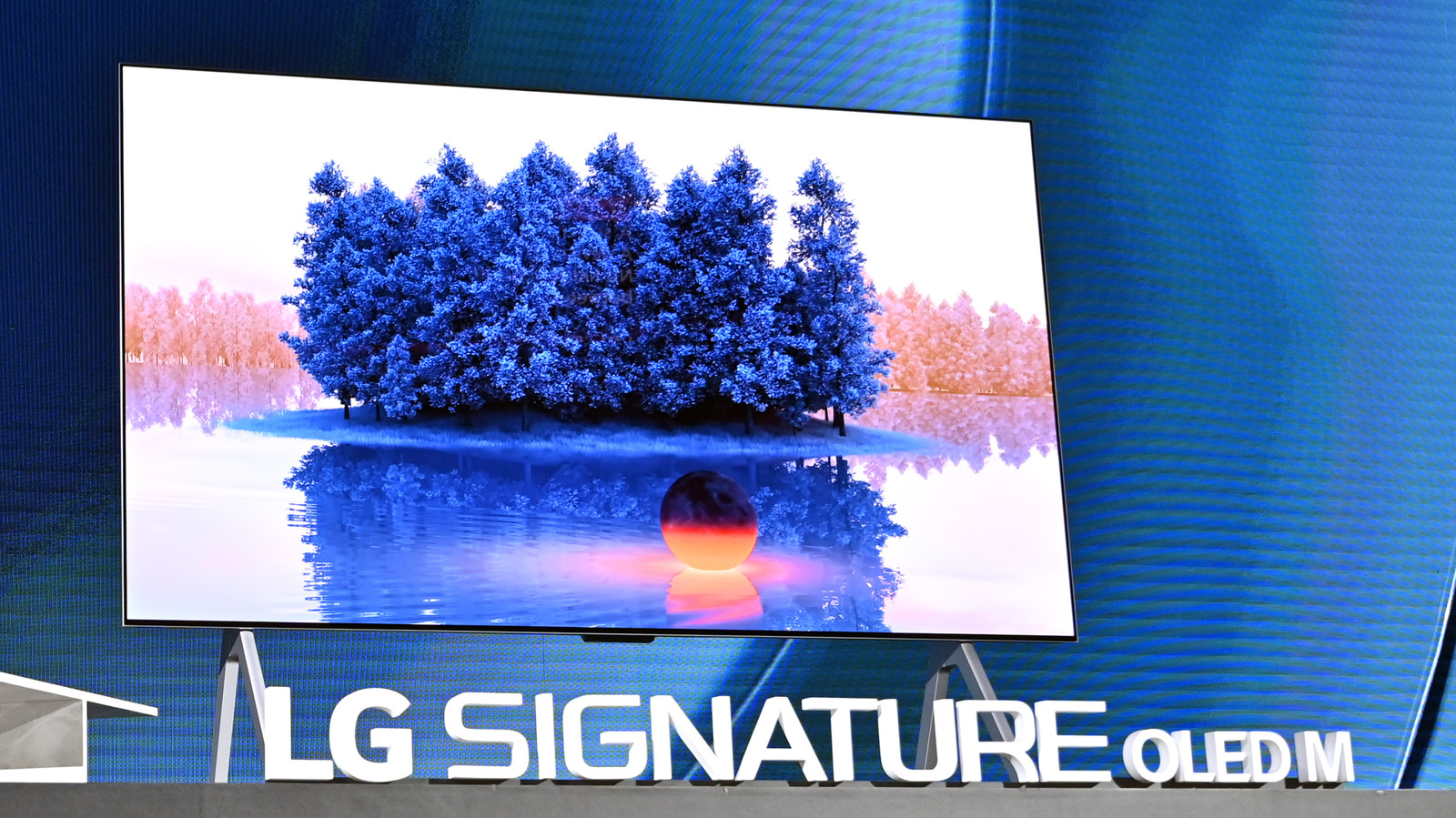
Studies conducted by independent reviewers and manufacturer labs show that running an OLED panel at maximum luminance (100% brightness) significantly accelerates the degradation of the organic compounds. When a user consumes content with static elements—such as a 24-hour news channel with a permanent red ticker or a stock market monitor—the sub-pixels responsible for those colors (typically red and blue) wear out faster than others.
Conversely, data indicates that the "average" user, who watches a mix of streaming services, movies, and gaming content, is unlikely to encounter visible burn-in within the typical five-to-seven-year replacement cycle of a television. The "ghosting" that concerns many users is often temporary image retention, which disappears once the panel performs its automated maintenance cycle.
Official Responses and Industry Standards
Leading manufacturers, including LG, Sony, and Samsung, have largely moved away from marketing "burn-in-proof" screens and toward "burn-in-resistant" ecosystems.
LG, the pioneer of large-format OLED, frequently emphasizes its "OLED Care" suite. These settings automatically detect static logos and dim them independently of the rest of the image. Sony, which utilizes LG Display panels for its premium OLED line, applies proprietary processing to manage peak luminance, ensuring that no single area of the screen is subjected to thermal stress for long periods.
Samsung’s pivot to QD-OLED has introduced a different set of responses. By using a blue OLED layer with quantum dot color conversion, the company claims better color volume and resistance to the traditional "blue sub-pixel" wear that historically plagued early OLEDs. These manufacturers now offer tiered warranties, with some premium models including specific clauses that cover burn-in, a testament to their confidence in modern panel longevity.
Implications: How to Protect Your Display
If you are planning to purchase an OLED, you do not need to treat the device like a museum piece. However, a few simple "best practices" can ensure your display remains pristine for the duration of its life:
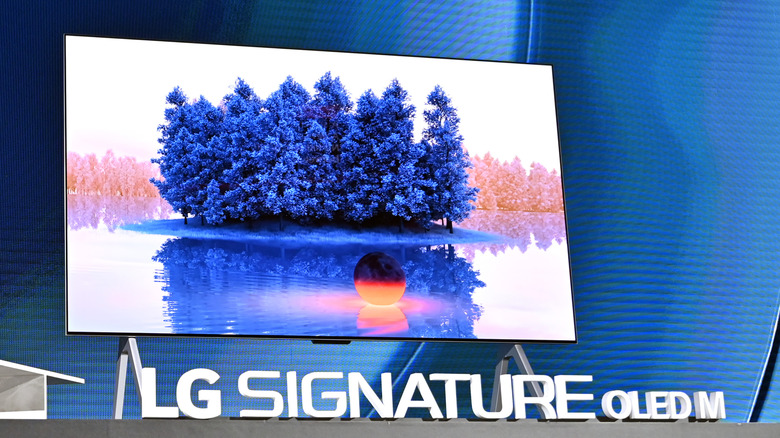
1. Manage Your Brightness
There is no need to keep your TV at 100% brightness in a dark room. Lowering the OLED light or brightness setting when watching in controlled lighting not only improves eye comfort but also exponentially increases the life of the organic diodes.
2. Embrace Modern Features
Never unplug your OLED TV from the wall immediately after turning it off. These sets require a "standby" period to run their automated pixel-cleaning algorithms. Interrupting this process repeatedly can lead to the very issues you are trying to avoid.
3. Vary Your Content
OLEDs thrive on motion. If you use your display primarily as a PC monitor, hide the taskbar, use a dynamic desktop background, and avoid keeping windows maximized in the same position for hours on end.
4. Consider the Environment
If you are a heavy gamer or a professional who requires a screen to be on for 10+ hours a day with static interfaces, consider if your use case aligns with the technology. If you prioritize "set and forget" utility over perfect blacks, high-end Mini-LED LCD panels offer an alternative that is physically immune to traditional burn-in.
The Verdict: Is OLED Still Worth It?
The stigma surrounding OLED burn-in is largely a relic of the past. While the physical nature of organic materials means that absolute immunity is impossible, the practical risk for the modern consumer is minimal.
When you choose an OLED, you are opting for an unparalleled cinematic experience. The trade-off is a minor requirement for awareness. By practicing basic maintenance and avoiding extreme, long-term static exposure, the average viewer can enjoy the vibrant, deep-black reality of OLED technology for years without ever seeing a hint of image retention. For most, the trade-off is not just worth it—it is the only way to view modern media as the creators intended.

 Ali Ikhwan
 Rifan Muazin