For decades, the name "Sanrio" has been synonymous with the global phenomenon of kawaii—a Japanese aesthetic centered on the "cute" and the lovable. From the world-conquering icon Hello Kitty to the mischievous charm of Pompompurin and the cloud-like whimsy of Cinnamoroll, Sanrio’s character designs have transcended mere merchandising to become a fundamental pillar of global pop culture.
However, the sheer dominance of this aesthetic has not gone unnoticed by industry giants. Sony, historically known for its high-tech hardware and gritty cinematic storytelling, has recently made a strategic pivot into this space with the introduction of "Nemu the Night Owl Bear." This move signals a significant shift in the competitive landscape of character design, proving that the market for adorable, relatable mascots is more lucrative—and more contested—than ever.
The Anatomy of "Cute": Why Sanrio’s Design Language Works
The enduring appeal of Sanrio characters lies in a deliberate, highly refined design language. Unlike many Western animation styles that focus on dynamic realism or complex anatomy, Sanrio focuses on hyper-simplified geometry.
At the core of the Sanrio style is the "soft shape" philosophy. Characters are almost exclusively constructed from rounded, organic forms—circles, ovals, and soft-cornered squares. This approach minimizes visual "friction," making the characters instantly approachable and comforting to the viewer. Furthermore, the facial anatomy is strictly minimized; a small, centered nose, simple dot or oval eyes, and the deliberate absence of a mouth (in the case of Hello Kitty) allow the viewer to project their own emotions onto the character.
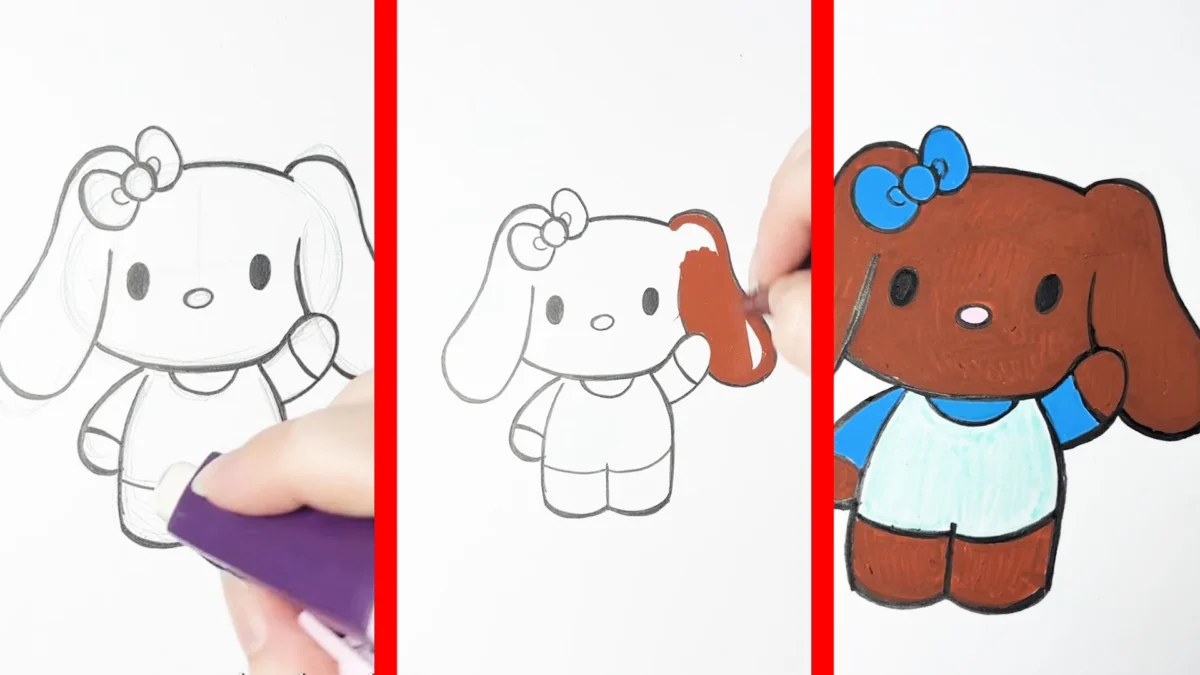
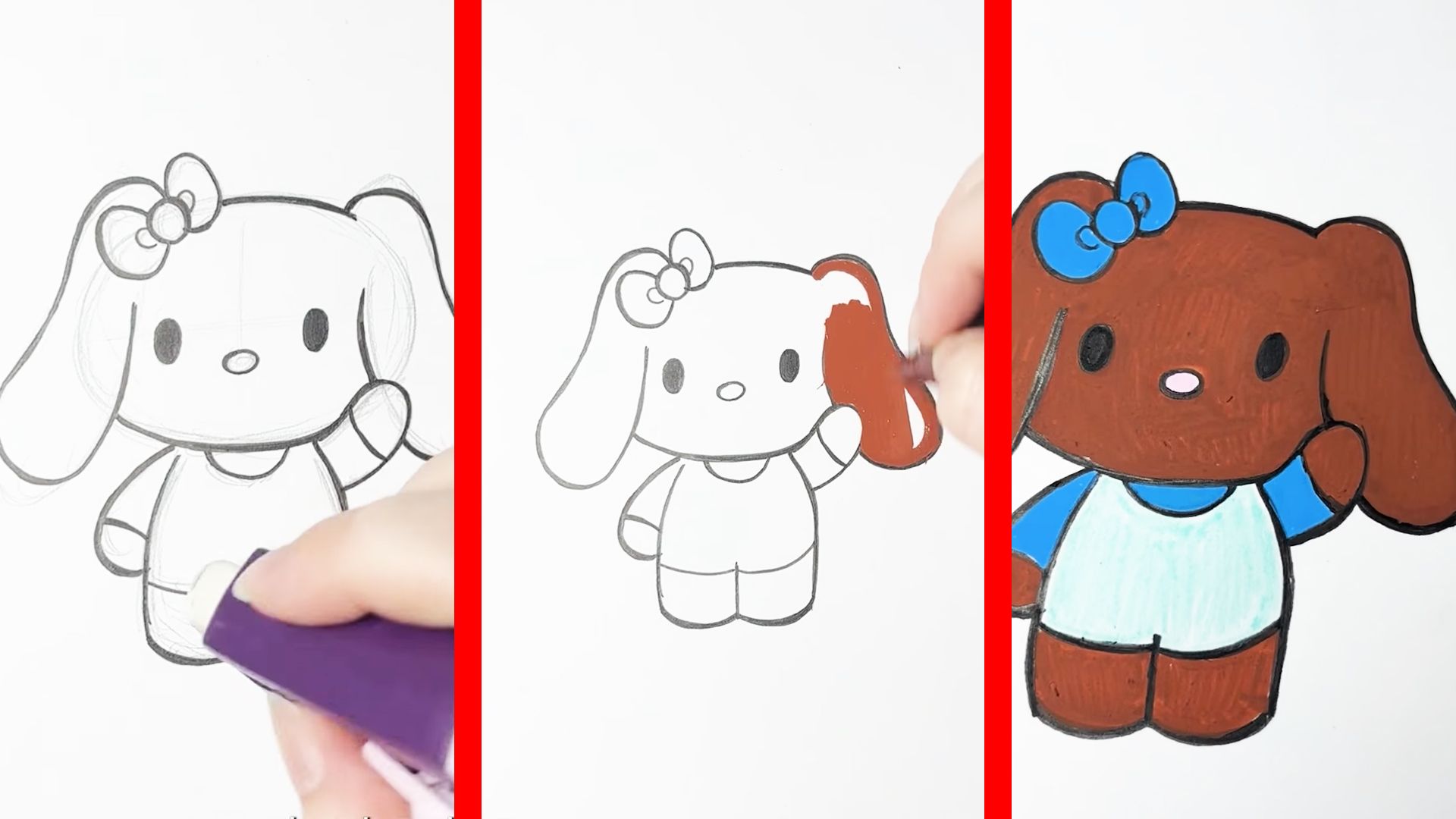
As our resident expert, Phoebe, demonstrates in our latest video tutorial, the magic often lies in the "less is more" principle. To capture the Sanrio aesthetic, artists must prioritize:
- Geometric Simplicity: Start with basic circles to establish the head-to-body ratio.
- Soft Limbs: Avoid sharp elbows or knees; limbs should look like soft, rounded appendages.
- The Power of Accessories: The iconic bow or seasonal floral accents are not just decorative; they serve as the "visual anchor" that makes a generic shape feel like a distinct personality.
- Line Weight: A consistent, thick, and smooth outline is essential to giving these characters their signature "sticker-like" finish.
Chronology: The Evolution of the Kawaii Market
The rise of the kawaii industry can be traced back to the early 1970s. When Shintaro Tsuji founded Sanrio in 1960, the company initially focused on gift products. It wasn’t until 1974 that the company introduced Hello Kitty, designed by Yuko Shimizu.
- 1974–1980s: The Foundation: The introduction of Hello Kitty sparked a cultural shift. The character was marketed not just as a mascot, but as a lifestyle icon, appearing on everything from stationery to household appliances.
- 1990s–2000s: Diversification: Sanrio expanded its roster, introducing characters like Pompompurin (1996) and Cinnamoroll (2001), catering to broader demographics and diversifying the "cute" spectrum from the shy to the adventurous.
- 2010s–Present: Digital Integration: The rise of social media and digital stickers solidified the role of these characters in daily communication. Sanrio’s characters became "digital language" used globally.
- 2024: The Corporate Pivot: Sony’s recent foray into the space with Nemu represents the latest stage: the entry of high-tech conglomerates into the character-licensing ecosystem, recognizing that "kawaii" is a robust, recession-proof asset.
Supporting Data: The Economics of Adorability
The economic impact of character design is staggering. The global character licensing market is valued in the tens of billions of dollars annually. Sanrio’s business model—which relies heavily on licensing rather than just product manufacturing—has been a blueprint for modern intellectual property management.
Market analysis shows that consumers are increasingly drawn to "comfort content." In periods of global economic uncertainty, character-based branding sees an uptick in engagement. According to recent industry reports, the "kawaii" aesthetic is no longer confined to the children’s demographic. Adults, particularly Millennials and Gen Z, represent a significant portion of the consumer base, purchasing everything from high-end fashion collaborations to limited-edition digital assets featuring these characters.
Sony’s entry into this market is a calculated response to this data. By creating Nemu, Sony is attempting to capture the same emotional resonance that keeps Sanrio’s characters relevant across generations.
Official Responses and Industry Implications
While Sanrio has remained the undisputed leader in this space, the entry of tech giants like Sony has sparked a debate within the design community regarding authenticity.
Industry critics argue that "kawaii" cannot be manufactured in a boardroom; it must possess a certain level of "soul" or spontaneity. In response, Sony has emphasized that Nemu is part of a broader push to humanize their digital ecosystem. A spokesperson for the creative team behind Nemu stated: "We aren’t just creating a drawing; we are creating a companion for the digital age. The goal is to provide a sense of warmth and personality in a world dominated by cold, sterile interfaces."
The implication for independent artists is clear: the market for character design is booming. However, as the space becomes crowded with high-budget corporate mascots, the differentiator for independent creators will be the uniqueness of their personal style and the depth of the lore they build around their characters.
How to Get Started: A Practical Guide
If you are inspired to create your own character, the technical barriers to entry have never been lower. You don’t need a professional studio to start—just a keen eye for shape and the right tools.
Recommended Toolset
To mimic the clean lines and vibrant fills of the Sanrio style, you should invest in:
- High-Quality Liners: Look for technical pens with consistent ink flow, such as the Sakura Pigma Micron series. A thick, uniform line weight is the hallmark of the style.
- Alcohol-Based Markers: Markers like Copic or Ohuhu are essential for achieving the smooth, flat color blocks that define the kawaii aesthetic.
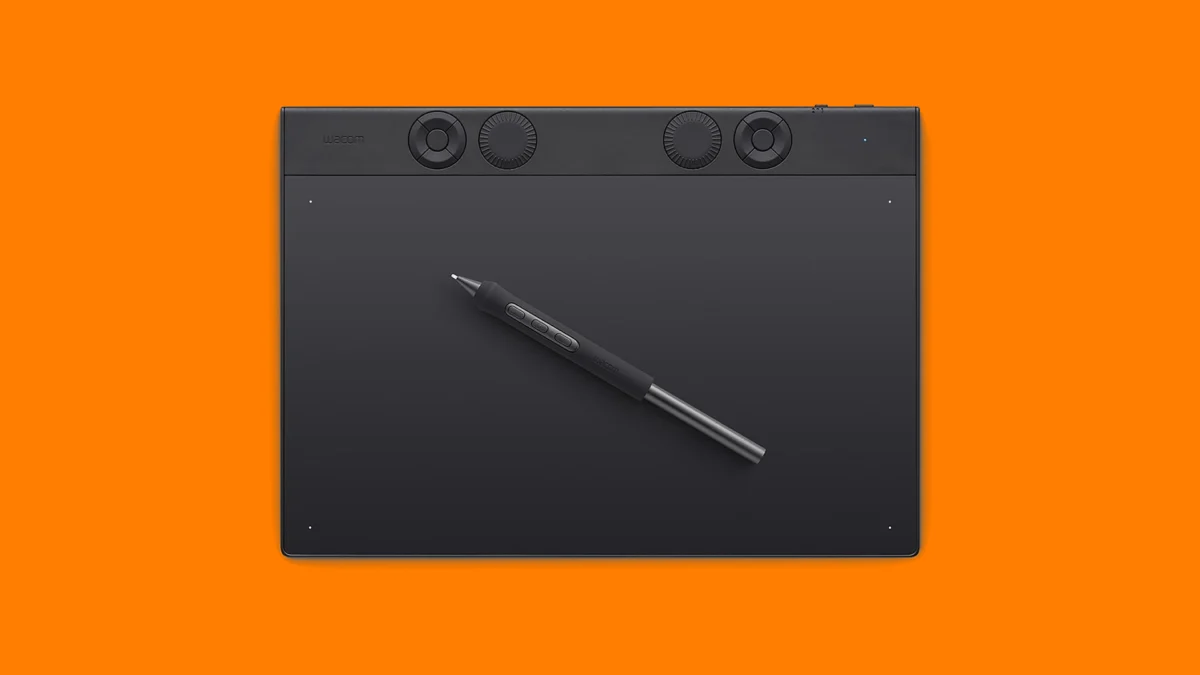
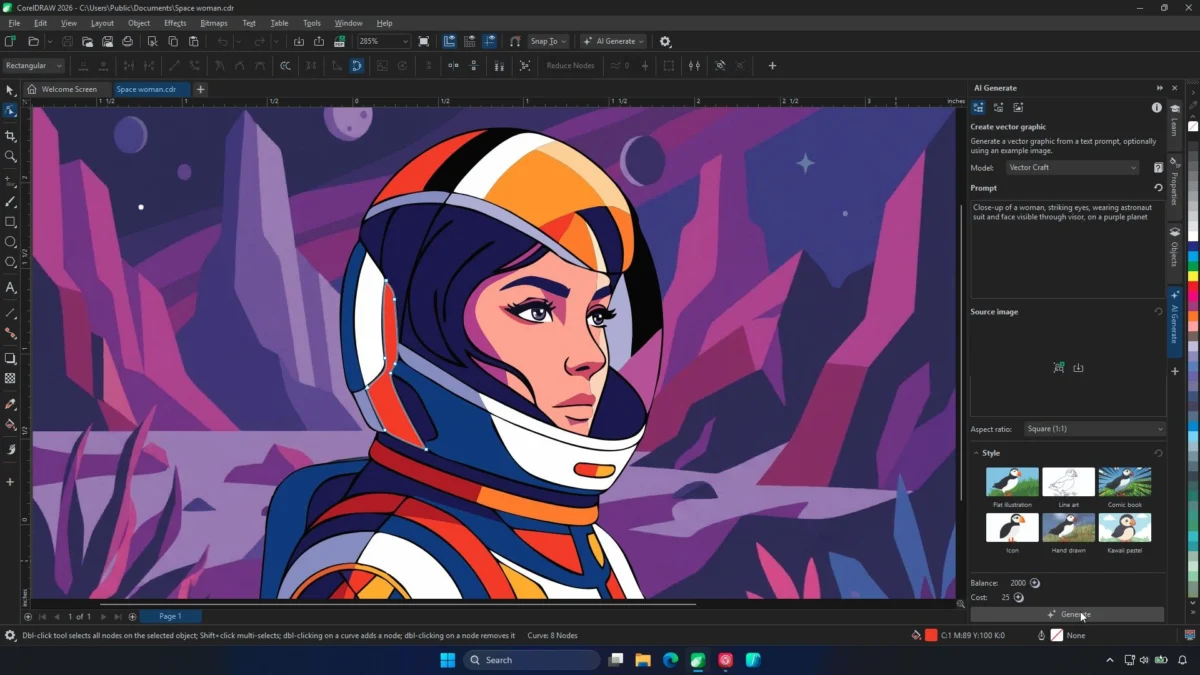
- Digital Alternatives: If you prefer the digital route, software like Procreate or Adobe Fresco offers "vector-like" brushes that can simulate the clean, bold lines required for professional character design.
The Step-by-Step Workflow
- Sketching: Start with the "Rule of Thirds." A large head (usually two-thirds of the total height) is key to the "cute" aesthetic.
- Refining: Once your basic circles are in place, use a lightbox or a new layer to trace your final, clean lines. Keep curves consistent and avoid "hairy" or scratchy line work.
- Color Palette: Stick to a limited palette. Sanrio characters often use a base of 3-4 primary or pastel colors. Avoid overly complex gradients; the beauty is in the simplicity of the flat fill.
- Characterization: Give your character one unique trait—a specific accessory, a recurring expression, or a "companion" pet. This creates a memorable hook.
Conclusion: The Future of Kawaii
As we look toward the future, the boundary between "art" and "branding" will continue to blur. Whether you are a fan looking to create your own Hello Kitty-inspired fan art or an aspiring professional designer looking to create the next global mascot, the principles remain the same.
Master the geometry, prioritize emotional accessibility, and keep your designs clean. While giants like Sony and Sanrio will continue to fight for the spotlight, the fundamental joy of character design remains in the hands of the artist. By understanding the techniques that make these characters work, you can begin to craft your own contribution to this ever-evolving, vibrant, and undeniably cute corner of the design world.
For those eager to refine their skills further, we recommend exploring our comprehensive library of how-to-draw tutorials, which covers everything from foundational anatomy to advanced digital coloring techniques. Happy drawing!