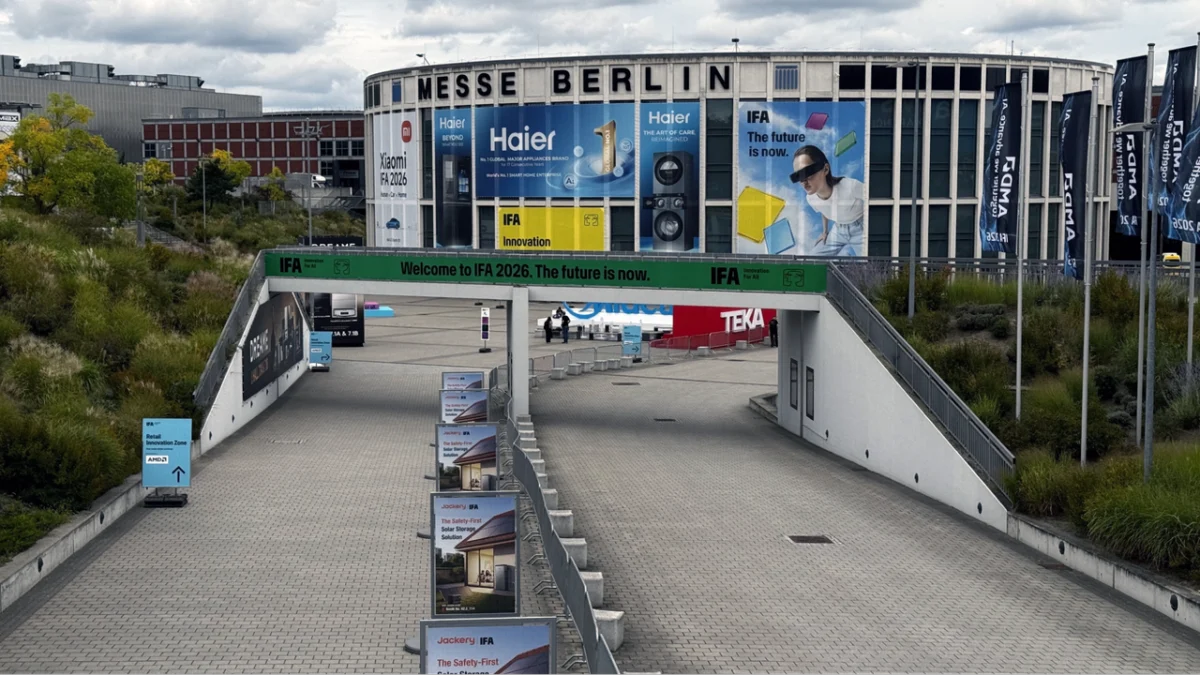
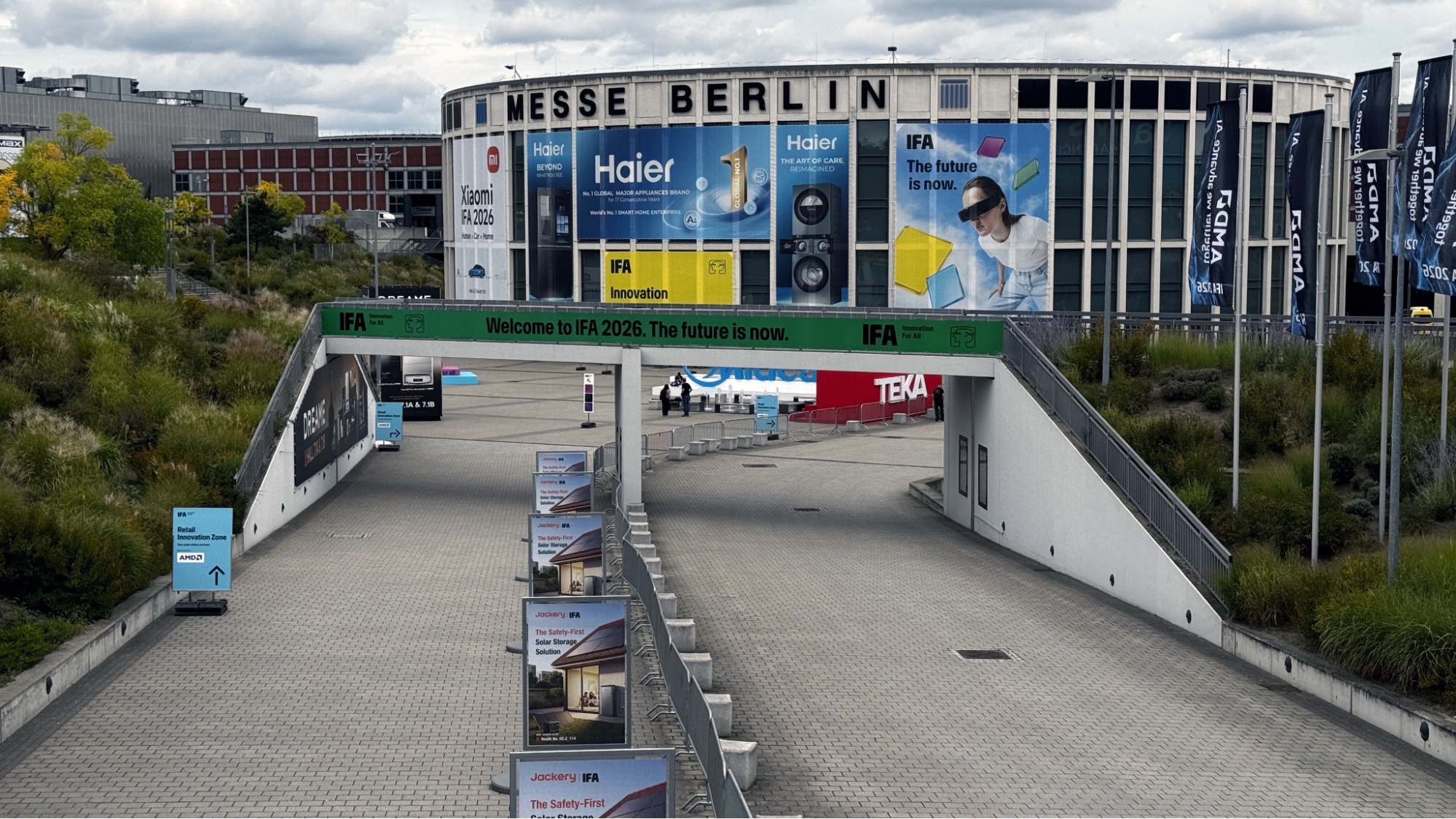
IFA, Europe’s premier consumer electronics showcase, has historically been the domain of white goods, television displays, and smart home appliances. However, the 2026 edition of the Berlin-based exhibition painted a different picture. Amidst a sea of AI-integrated washing machines and robotic assistants, the computing industry staged a formidable comeback. Facing a volatile market characterized by persistent RAM supply constraints and the seismic influence of the MacBook Neo’s debut earlier this year, PC manufacturers are pivoting toward hyper-customization, aggressive pricing, and localized AI integration.
The show floor revealed a clear industry mandate: to remain relevant, the Windows PC ecosystem must offer more than just raw processing power—it must offer personality, modularity, and tangible AI utility.
Main Facts: A Pivot Toward Customization and Local AI
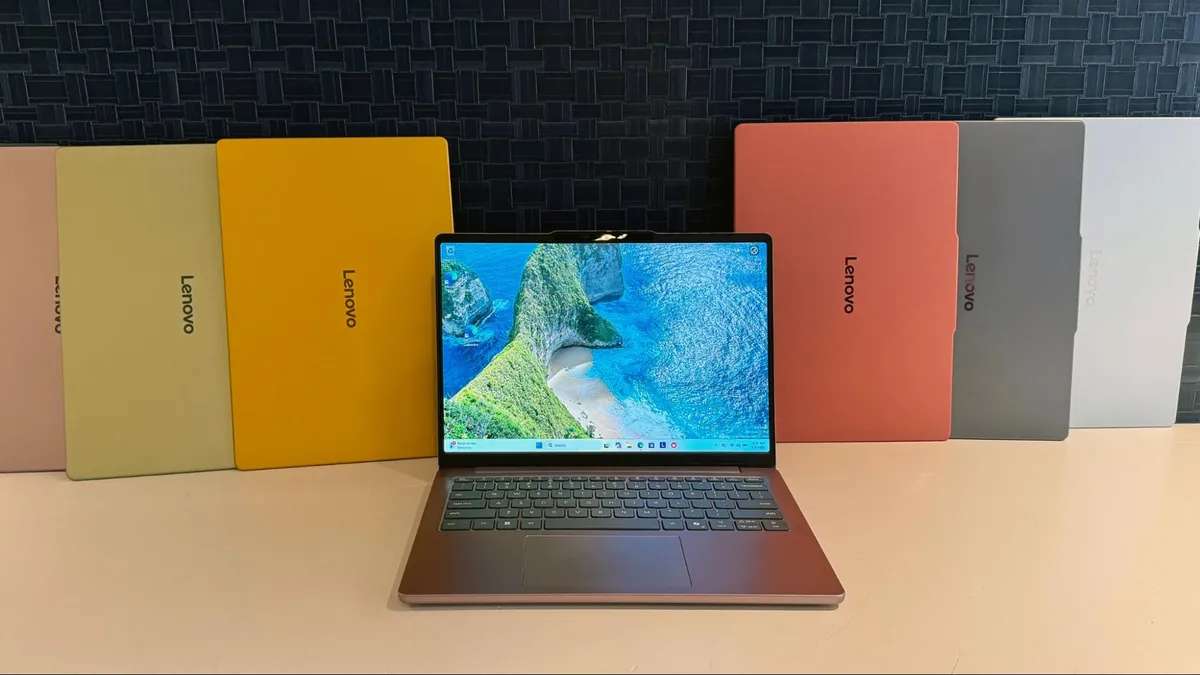
The overriding narrative at IFA 2026 was the "democratization of the premium experience." Leading OEMs, including Dell, Acer, and Lenovo, unveiled a new wave of mid-range machines designed to directly challenge the market dominance of the MacBook Neo. These devices prioritize aesthetic expression—offering diverse color palettes and modular components like swappable keycaps—without sacrificing the performance metrics required for modern AI workloads.
Concurrently, the silicon wars between Nvidia and AMD have reached a fever pitch. Nvidia continued its strategic rollout of the RTX Spark platform, promising significant advancements in mobile and desktop computing ahead of its October launch. AMD, meanwhile, has successfully secured partnerships for its Ryzen AI Max+ Pro 495 processors, bringing up to 192GB of unified memory to the consumer and prosumer space. These developments signal a move away from cloud-dependent AI, pushing for robust, private, and high-speed local processing.
Chronology: The Evolution of the 2026 PC Landscape
- Early 2026: The debut of the MacBook Neo recalibrates the laptop market, setting high expectations for efficiency and form factor.
- Mid-2026: RAM shortages begin to impact OEM production cycles, forcing a strategic shift toward mid-range, value-oriented hardware.
- September 2026 (IFA): The industry officially unveils its counter-strategy. Lenovo introduces the "Vibe" series; Acer showcases the high-performance Nitro gaming monitors and the ambitious "DualPlay" concept; Lexar launches the ultra-thin Muse SSD.
- Late 2026/Early 2027 (Expected): The market release of Nvidia’s RTX Spark and the broader availability of AMD-powered AI workstations and NAS units.
Supporting Data and Hardware Breakthroughs
The Lenovo IdeaPad Vibe: Style Meets Substance
Lenovo’s Vibe series represents a bold departure from the monolithic gray aesthetic of the last decade. With seven distinct colorways, the laptops cater to a younger, style-conscious demographic. More impressively, the inclusion of swappable keycaps suggests a long-overdue move toward user-serviceable aesthetics. Priced at $699 for base configurations, these machines leverage either AMD Ryzen AI 4000 series or Snapdragon X processors, effectively bridging the gap between affordable budget laptops and high-performance ultrabooks.
Acer’s Tri-Mode Monitor Innovation
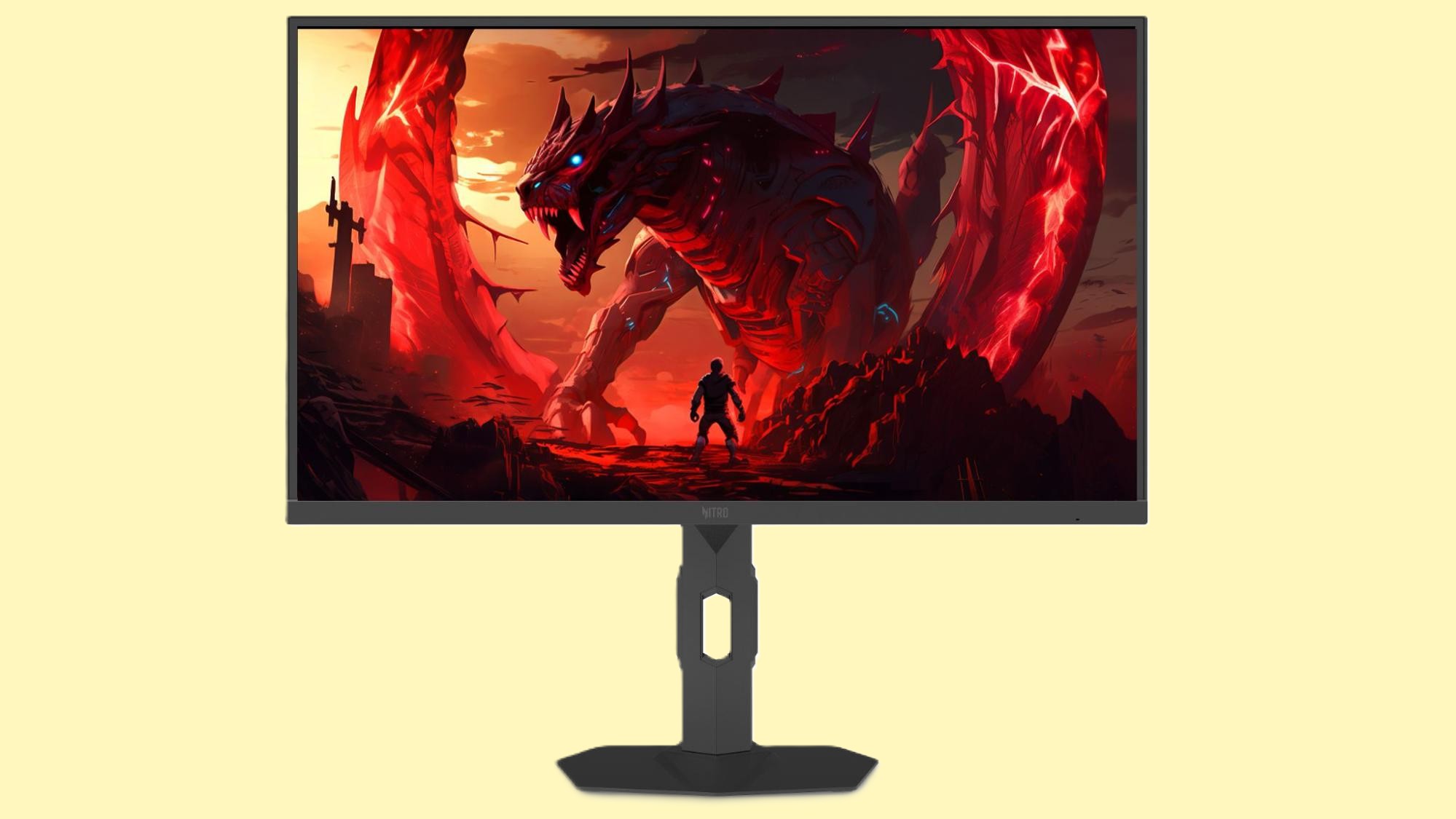
Acer has targeted the "cash-strapped gamer" segment with the Nitro XV275U Z2. The monitor utilizes Dynamic Frequency and Resolution (DFR) technology, allowing users to switch between three distinct presets: 1440p at 275Hz, 1080p at 360Hz, or 720p at a staggering 500Hz. This versatility, paired with a Mini LED backlight system capable of 1,000 nits in HDR, positions the $329 monitor as a significant value proposition in the competitive gaming peripheral market.
Lexar Muse: Reimagining Portable Storage
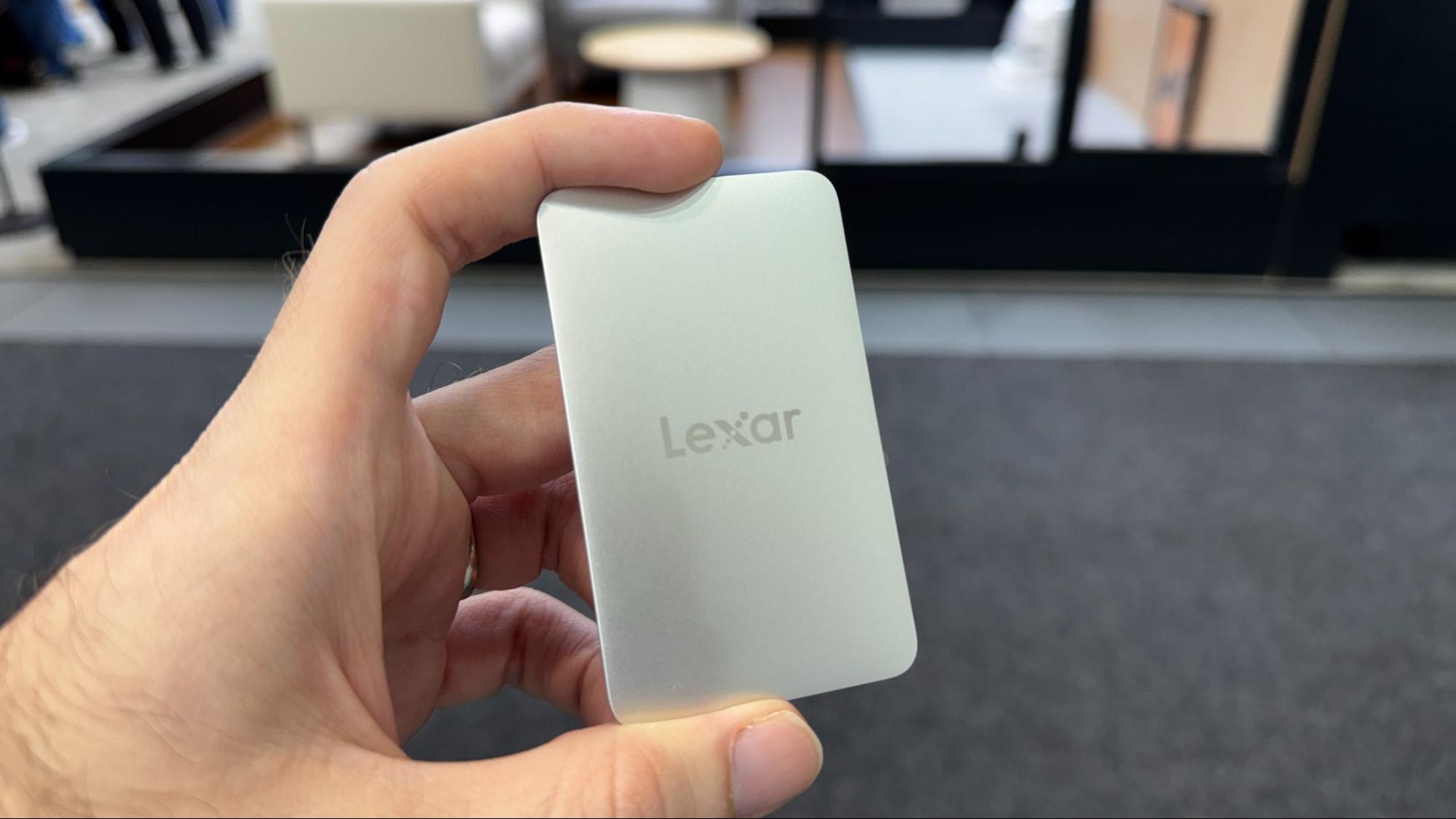
Storage innovation has largely stagnated as flash memory capacity is diverted to AI server farms. However, Lexar’s Muse stands out as a radical redesign. Measuring only 0.15 inches thick, the credit-card-sized SSD uses proprietary pogo-pin connectors instead of standard USB-C ports to facilitate a magnetic, snap-on attachment for smartphones. While the 1TB capacity cap and proprietary cable requirements may limit its appeal to general users, it serves as a masterclass in space-efficient engineering for mobile creators.
Minisforum N5 Max: The AI-Agent NAS
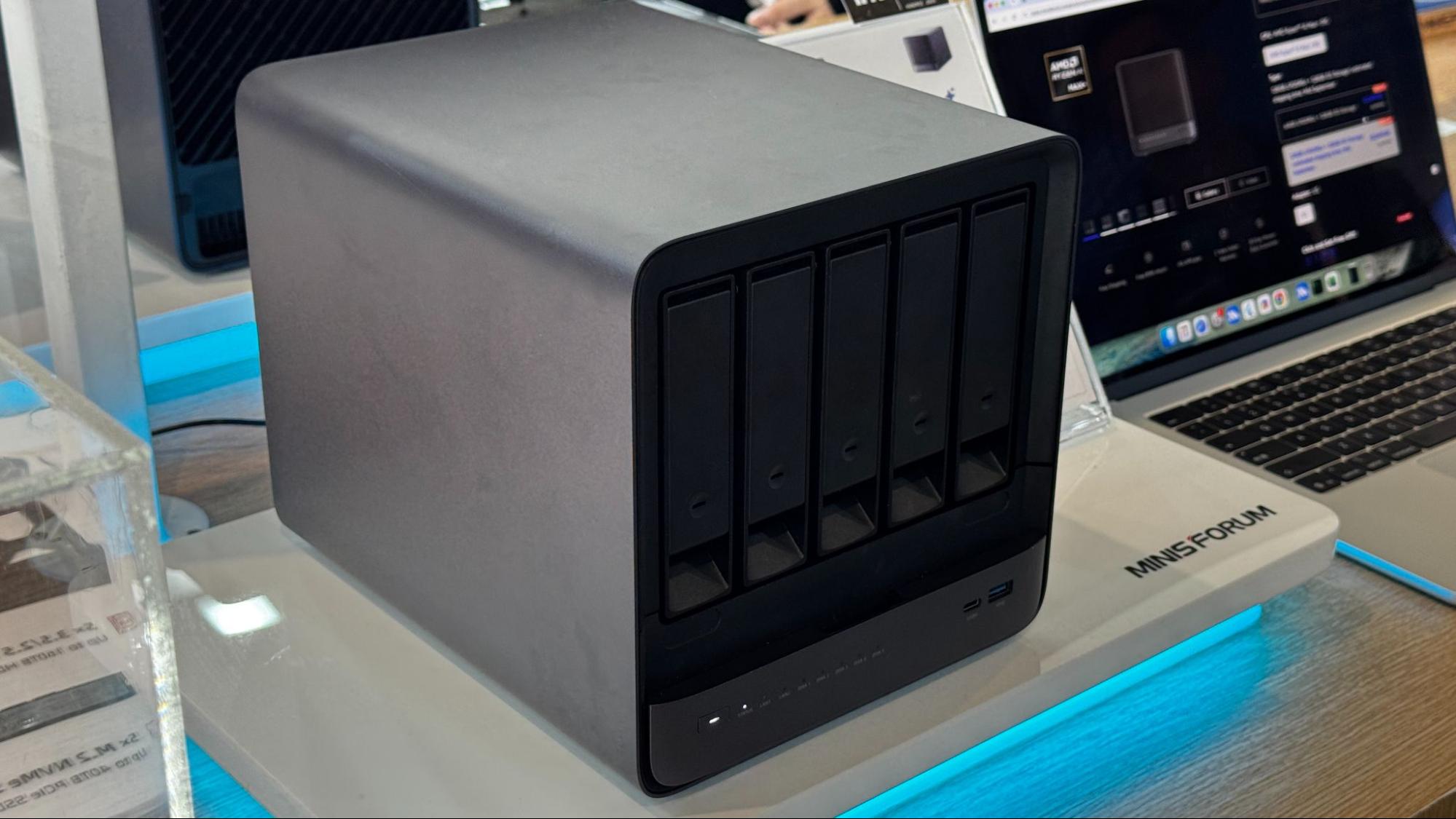
Perhaps the most peculiar, yet visionary, hardware on display was the Minisforum N5 Max. By integrating the AMD Ryzen AI Max+ Pro 495 into a five-bay NAS (Network Attached Storage), Minisforum has created a "Personal AI Cloud." With support for up to 200TB of storage, the device allows users to run local AI agents—like Qwen 3.8—directly against their own data silos. This solves the primary concern of data privacy in the age of generative AI, keeping sensitive information off public servers while providing high-speed local compute.

Official Responses and Industry Sentiment
The consensus among exhibitors was one of cautious optimism. While component pricing remains unpredictable, manufacturers are betting heavily on "AI-at-the-edge" as the next major growth driver.
"We are no longer just selling a box with a screen," a spokesperson for a major OEM noted during a closed-door briefing. "We are selling an environment. Whether it’s a NAS that manages your agents or a laptop that reflects your personality, the PC of 2026 must be personal and private."
Nvidia and AMD representatives were equally emphatic, focusing on the "unified memory" paradigm. By moving toward architectures that allow the CPU and GPU to share massive pools of high-speed memory, the companies are ensuring that even mid-range laptops can handle LLM (Large Language Model) inference locally.
Implications: The Future of the PC Market
The implications of IFA 2026 are profound. First, the death of the "one-size-fits-all" laptop is accelerating. As shown by the Vibe series, brands are aggressively segmenting their product lines to offer specific "vibes" or use cases, moving away from the generic utility of the past.
Second, the localization of AI is no longer a niche requirement for data centers. With hardware like the N5 Max, high-end AI capabilities are being pushed into the home and small office. This shift could fundamentally change how consumers store and interact with their digital lives, favoring local processing over subscription-based cloud AI services.
Finally, the gaming monitor market is reaching a plateau of diminishing returns regarding raw specs, leading manufacturers to prioritize "flexibility." Acer’s tri-mode monitors suggest that the future of hardware is not just about faster refresh rates, but about giving the user the ability to reconfigure their hardware for different tasks on the fly.
Conclusion
IFA 2026 was a reminder that the PC industry is far from stagnant. Despite the pressures of global supply chains and the looming shadow of high-end mobile devices, the commitment to innovation—both in form factor and computational capability—is stronger than ever. The hardware revealed in Berlin suggests that as we head into 2027, the PC will remain the central hub of digital life, transformed by AI, redefined by color, and optimized for the individual user. Whether these products can successfully challenge the market leaders remains to be seen, but the industry’s response to the current economic climate is as creative as it is aggressive.