Dwi Wanna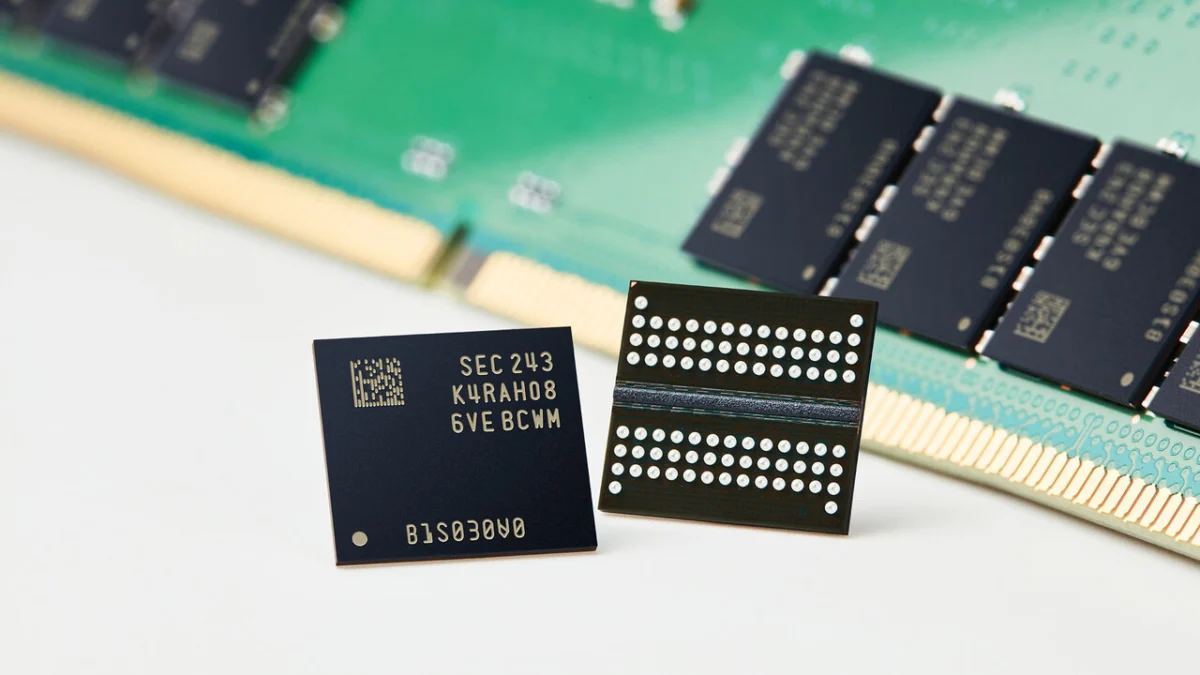
The global semiconductor landscape is bracing for another wave of turbulence as industry giant Samsung Electronics reportedly initiates aggressive price negotiations for its DRAM products. According to reports emerging from ZDNet Korea and corroborated by industry insiders, the world’s leading memory manufacturer is pushing for price increases of up to 20 percent for the third quarter of the year. This latest move signals that the period of historic price inflation for memory components is far from over, potentially placing renewed strain on device manufacturers and, ultimately, the end consumer.
The Core Conflict: Samsung’s Aggressive Negotiating Stance
As global demand for data center capacity, AI-driven infrastructure, and high-performance mobile computing continues to outpace supply, Samsung is leveraging its dominant market position. In ongoing negotiations with its client base, the company is seeking to finalize a significant upward adjustment in the average selling price (ASP) of conventional DRAM.
Industry sources indicate that while a 20 percent hike is the primary target for standard modules, the situation for LPDDR (Low Power Double Data Rate) memory—a critical component for the global smartphone and mobile tablet market—is even more acute. Analysts suggest that the premium for LPDDR could potentially exceed the 20 percent threshold, reflecting the intense competition for high-efficiency memory chips.
It is crucial to note that these figures represent Samsung’s stated negotiation goals rather than finalized market prices. However, in the current climate of chronic supply constraints, the company holds considerable leverage. With data center investments showing no signs of slowing down and legacy node capacity being diverted toward high-margin HBM (High Bandwidth Memory) for AI processors, the equilibrium between supply and demand remains severely skewed in favor of the manufacturer.
A Chronology of Escalation: From Recovery to Rapid Inflation
To understand the severity of the current situation, one must look at the trajectory of the DRAM market over the past eighteen months. Following a period of inventory glut that plagued the industry in 2022 and early 2023, the market underwent a rapid transformation.
- Q1 2024: Industry data suggested a massive surge in DRAM ASPs, with some market watchers reporting increases of over 90 percent compared to the previous quarter. This was largely driven by a post-inventory-correction rebound and a strategic pivot by major manufacturers toward production discipline.
- Q2 2024: The upward momentum continued, albeit at a slightly moderated pace. Estimates for the second quarter point to a price increase in the range of 50 to 60 percent.
- Q3 2024 (Current Outlook): While a 20 percent increase represents a deceleration in the rate of inflation, it nonetheless marks a continuation of a steep upward trend. The cumulative effect of these hikes has effectively erased the price relief seen during the mid-2023 market trough.
The persistent nature of these price hikes suggests that the market has transitioned from a cyclical recovery into a long-term supply crunch. Analysts at major firms have already issued warnings that supply constraints are likely to persist well into the next calendar year, as the industry struggles to bring new fabrication capacity online at a pace that matches the insatiable appetite for memory in the artificial intelligence and cloud computing sectors.
Supporting Data: Why Memory Remains a Bottleneck
The fundamental issue plaguing the DRAM market is a structural mismatch. The transition to high-end memory types—specifically HBM3 and HBM3E—has consumed a significant portion of wafer capacity at major foundries. Because HBM requires more complex manufacturing processes and more die area per gigabyte, the "effective" supply of standard DDR4 and DDR5 memory has decreased as manufacturers prioritize the more profitable AI-centric chips.
Key Drivers of the Price Surge:
- AI Infrastructure Demand: The explosive growth of Large Language Models (LLMs) requires massive quantities of high-speed DRAM. This demand is currently non-negotiable for major hyperscalers like Microsoft, Google, and AWS.
- Production Discipline: Unlike previous market cycles, where manufacturers flooded the market to gain share, Samsung, SK Hynix, and Micron have maintained strict control over production output, prioritizing profitability over volume.
- Capital Expenditure Constraints: Building new memory fabs requires multi-billion dollar investments and years of lead time. Current capacity is effectively "locked in," leaving little room to maneuver in the short term.
- Long-Term Agreements (LTAs): Samsung is increasingly moving toward 3-to-5-year LTAs with key partners. These contracts often include fixed minimum purchase volumes and price floors, which provide stability for the manufacturer but keep prices elevated even if spot market conditions fluctuate.
Legal and Regulatory Implications
The aggressive pricing strategy has not gone unnoticed by regulators or the legal community. In late June, a significant class-action lawsuit was filed in the United States, targeting the "Big Three" of the memory industry: Samsung, SK Hynix, and Micron.
The core of the plaintiffs’ argument rests on the accusation of "market manipulation" and the artificial restriction of supply. The lawsuit alleges that these manufacturers have acted in concert to throttle production, thereby creating a synthetic shortage that forces prices to artificially high levels. While the defendants have consistently maintained that their production strategies are based on independent market analysis and the need to achieve sustainable margins after a period of heavy losses, the legal action adds a layer of regulatory risk to the current pricing environment.
This legal scrutiny is occurring against a backdrop of increasing government interest in the semiconductor supply chain. With memory being a strategic resource for national security and economic stability, the potential for antitrust investigations in jurisdictions beyond the United States remains a distinct possibility.
Broader Implications for the Electronics Industry
For the average consumer and the broader electronics manufacturing sector, the implications of these price hikes are significant.
Impact on Device Manufacturers (OEMs)
Device manufacturers are currently caught in a vice. They are facing higher input costs for memory—often one of the most expensive components in a smartphone or laptop—while simultaneously dealing with a global consumer base that is increasingly price-sensitive due to inflationary pressures in other sectors of the economy. OEMs have two choices: absorb the cost, which erodes profit margins, or pass the cost on to the consumer, which risks lower unit sales.
The "Cost-Push" Inflation Effect
As Samsung and its peers push for higher prices, the ripple effect is inevitable. Analysts predict that smartphones, high-end laptops, and consumer-grade workstations will likely see price adjustments in the coming cycles. The "memory tax" is effectively becoming a standard feature of modern hardware procurement.
The Shift Toward Strategic Partnerships
The rise of 3-to-5-year Long-Term Agreements (LTAs) marks a structural shift in how memory is bought and sold. While this provides manufacturers with the financial predictability required for massive R&D spending, it also reduces the flexibility of the market. Smaller players who cannot commit to massive, multi-year supply contracts may find themselves marginalized, potentially leading to further consolidation in the consumer electronics space.
Conclusion: A New Normal for Memory
The era of "cheap memory" appears to be firmly in the rearview mirror. As the global economy undergoes a digital transformation centered on AI, data centers, and connected devices, the demand for DRAM has decoupled from traditional PC-cycle patterns.
Samsung’s push for a 20 percent price increase is not merely a quarterly tactic; it is a declaration of the new market reality. With supply constrained by the technical requirements of the AI era and manufacturers emboldened by a focus on profitability, the industry is entering a period where memory prices will be defined by the high-value requirements of cloud infrastructure rather than the price-sensitivity of the consumer desktop market.
For the foreseeable future, both the tech industry and the end consumer must prepare for a landscape where memory is not just a commodity, but a premium, high-stakes asset. Whether these prices remain sustainable or eventually trigger a regulatory intervention remains the defining question for the semiconductor market in the coming years.


 Basiran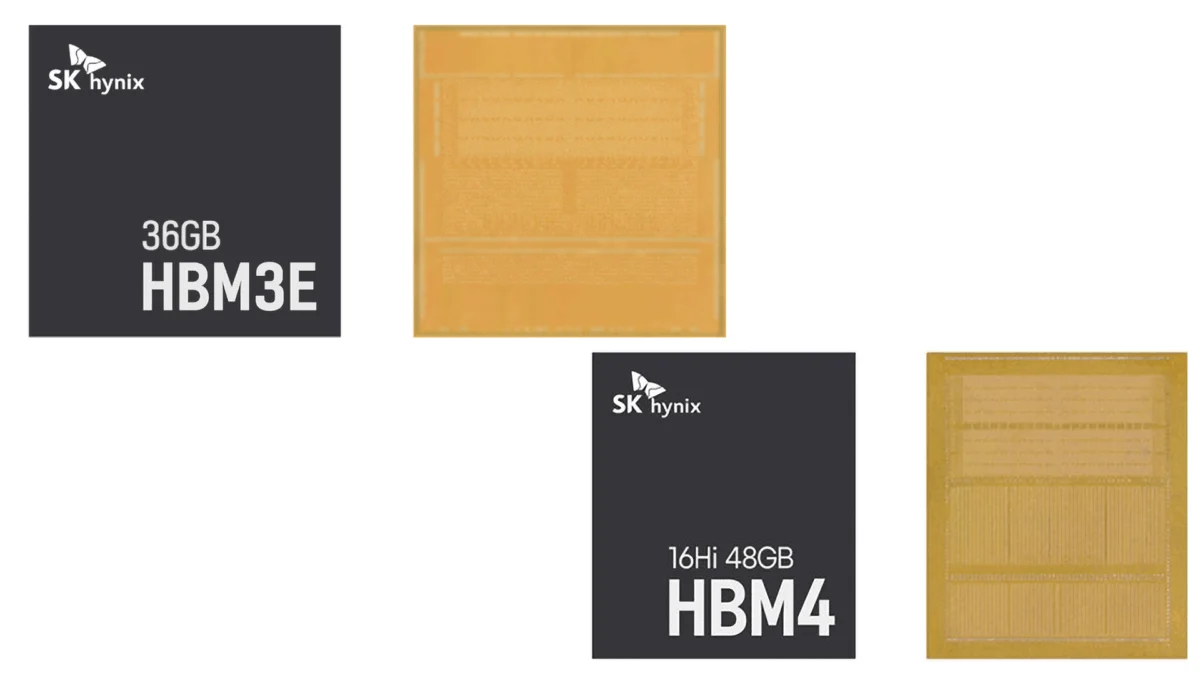
 Asep Darmawan