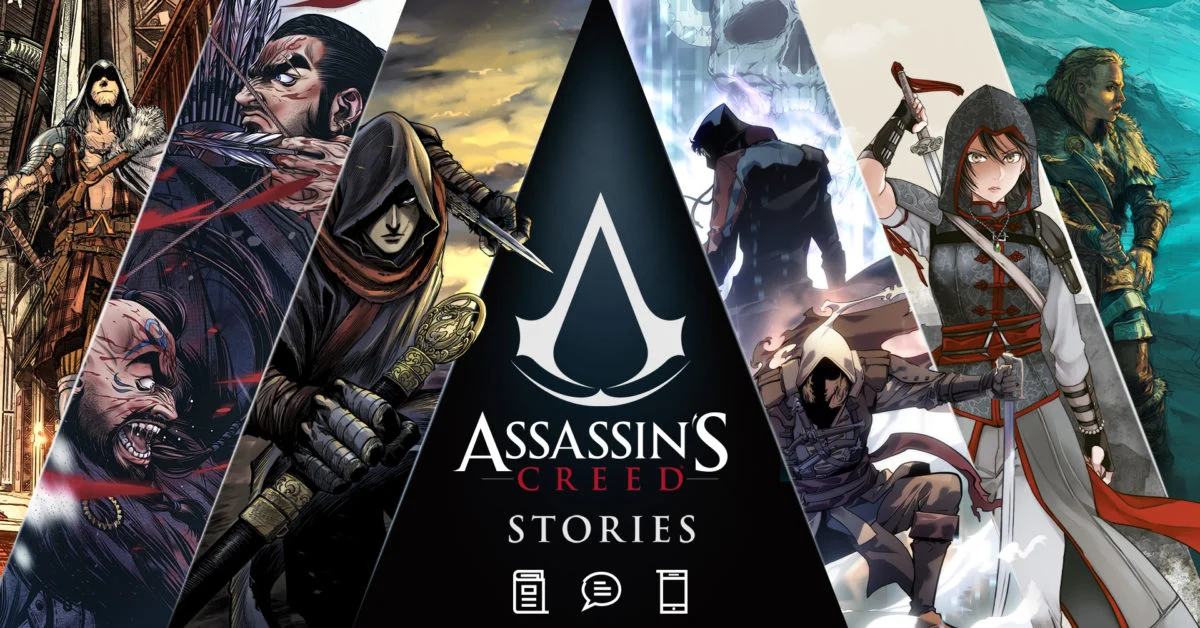
In a monumental shift for one of gaming’s most enduring intellectual properties, Ubisoft has officially announced a sweeping expansion of the Assassin’s Creed universe. Moving far beyond the confines of interactive software, the publisher is set to deploy a sprawling transmedia strategy that encompasses novels, graphic novels, manhuas, webtoons, and immersive podcasts. This strategic pivot aims to deepen the lore of the long-running series while introducing the centuries-old conflict between the Assassins and the Templars to new audiences through localized storytelling and diverse artistic formats.
By leveraging partnerships with global creators, particularly in Asia, Ubisoft is repositioning Assassin’s Creed not merely as a video game franchise, but as a global narrative powerhouse.
The Three Pillars of Expansion
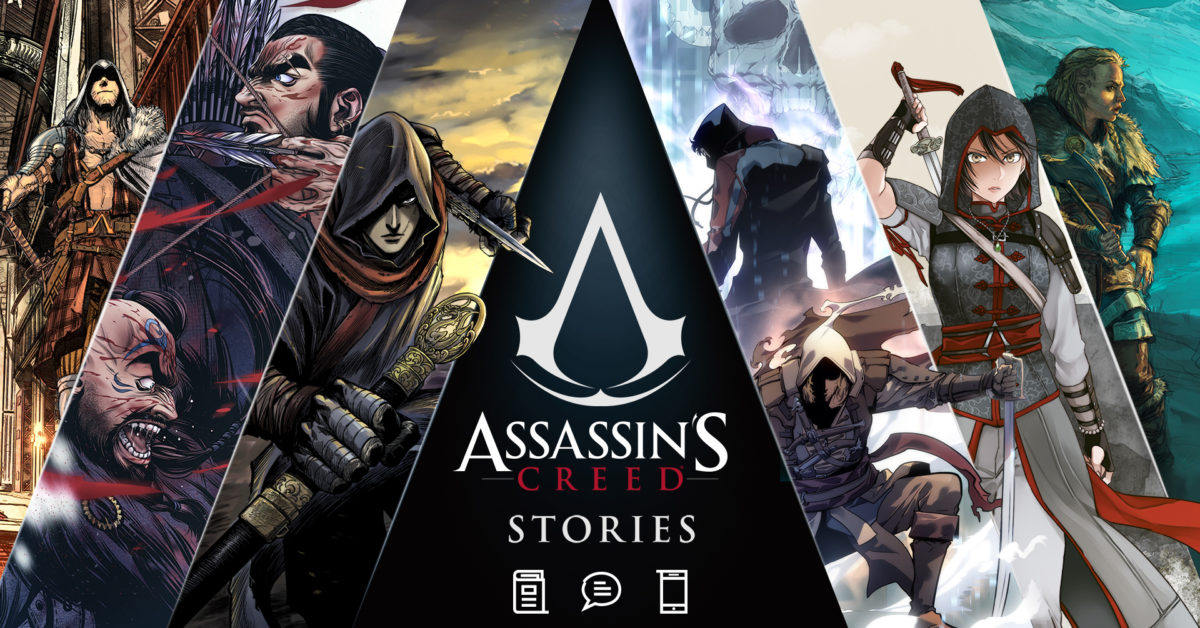
To organize this massive influx of new content, Ubisoft has categorized its upcoming publications into three distinct pillars, ensuring that both die-hard lore enthusiasts and casual readers can navigate the offerings:
- Classics: These titles serve as direct adaptations or companion pieces to the established stories found within the video games. They offer a deep dive into the moments players have already experienced, providing new perspectives on iconic scenes.
- Chronicles: These adventures focus on fan-favorite Assassins, exploring the gaps in their lives and expanding upon their personal journeys. This category serves to flesh out the "legendary" status of characters who have already captured the hearts of gamers.
- Originals: Perhaps the most ambitious of the three, this pillar introduces entirely new protagonists and unexplored historical periods. These stories are designed to push the boundaries of the franchise’s established rules, testing new narrative structures and cultural settings.
A Global Vision: Culturally Authentic Storytelling
A core component of this expansion is the commitment to localizing content. Ubisoft has actively sought out authors and illustrators from across the globe—with a significant focus on China, Japan, and Korea—to ensure that the stories feel authentic to their settings and resonate with local audiences.
"We are all consumers of stories," explains Etienne Bouvier, Publishing Content Manager at Ubisoft. "With this global vision and local approach, we seek to offer our fans new content in formats they are familiar with, and with stories that are rooted in their cultural background and their history."
This sentiment is echoed by Julien Fabre, Associate Director of Publishing at Ubisoft, who emphasizes that the move is part of a deliberate effort to build relationships with regional talent. By allowing creators to craft narratives within their own cultural frameworks, Ubisoft is successfully diversifying the Assassin’s Creed canon.
The Roadmap: Upcoming Titles and Immersive Experiences
The breadth of the upcoming catalog is extensive, covering everything from young adult literature to high-production audio dramas. Here is a breakdown of the key titles currently in development or arriving shortly:
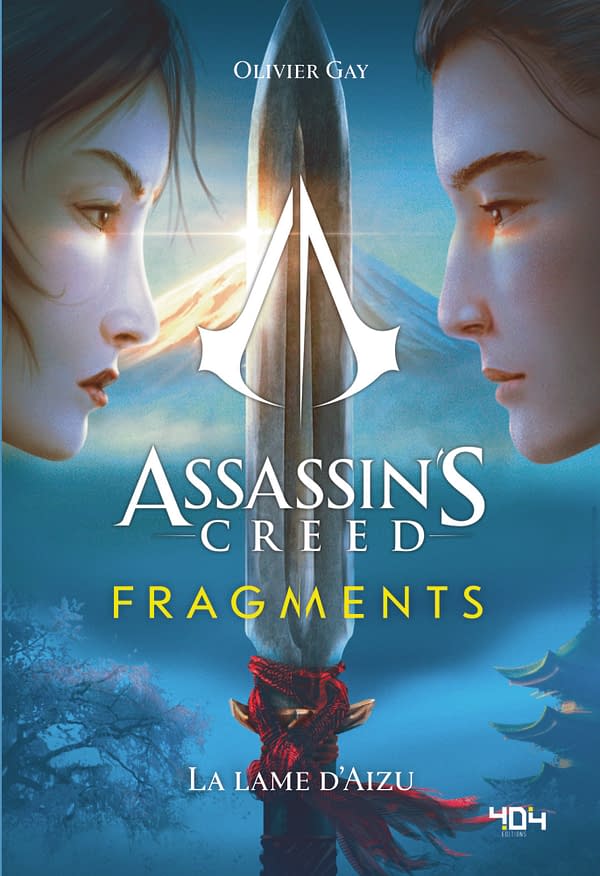
The Fragments Trilogy (Originals)
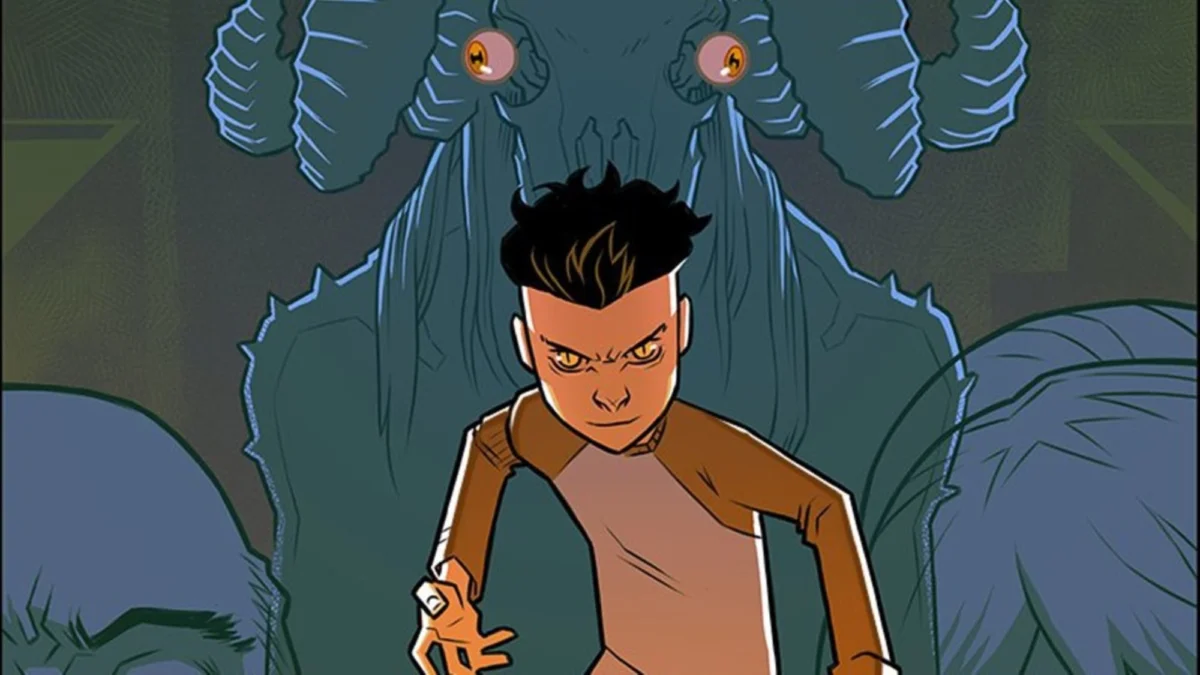
In a unique partnership with French publisher Editis, Fragments is an action-adventure young adult trilogy. Each volume centers on siblings caught in the web of the Assassin-Templar feud, with each book shifting to a vastly different location and era. The series will traverse 19th-century Japan, 13th-century Scotland, and 17th-century France, showcasing the global reach of the brotherhood.
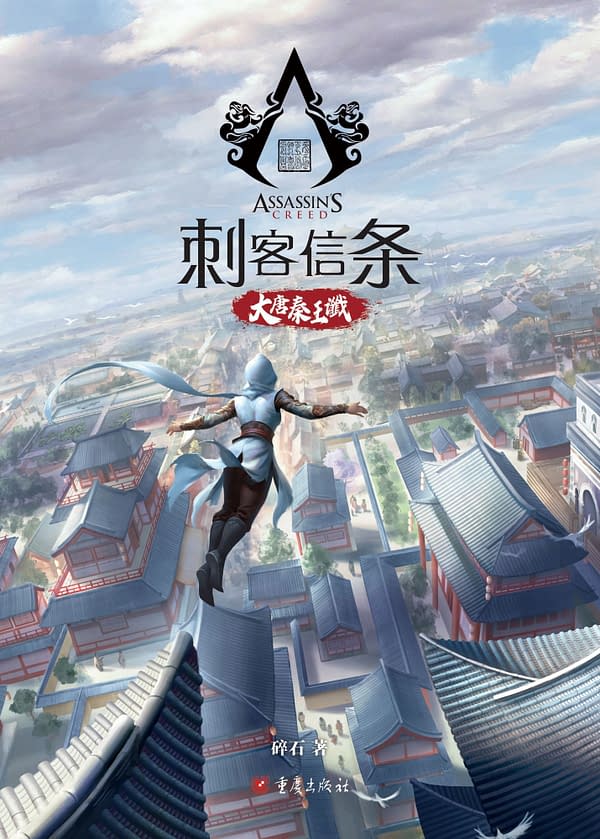
The Jade Seal Collection (Originals)
This collection represents a significant commitment to the Chinese market. Comprising ten novels written by six renowned Chinese authors, the collection spans from the 4th century BC (Zhou Dynasty) to the 17th century (Ming Dynasty). These stories introduce a host of new Assassins and archenemies, embedding the Assassin’s Creed conflict into the rich tapestry of Chinese history.
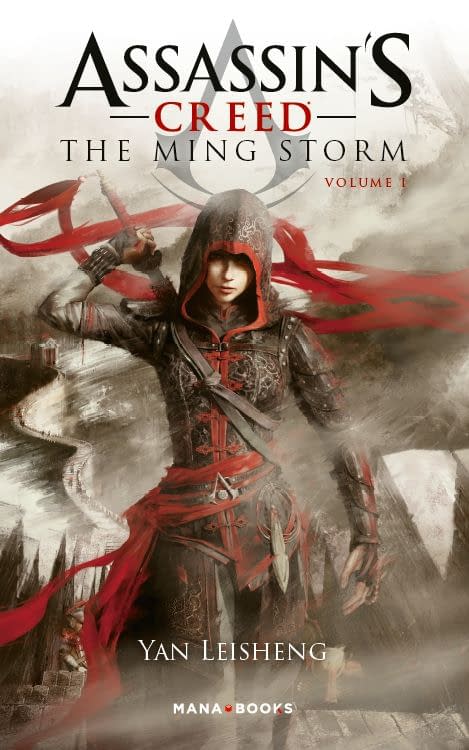
The Ming Storm (Chronicles)
Written by best-selling Chinese author Yan Leisheng, The Ming Storm is an action-packed trilogy following Shao Jun, a fan-favorite character originally introduced in the Assassin’s Creed Chronicles: China video game. The title is being brought to English-speaking territories via Aconyte Books, a key partner in Ubisoft’s prose strategy.
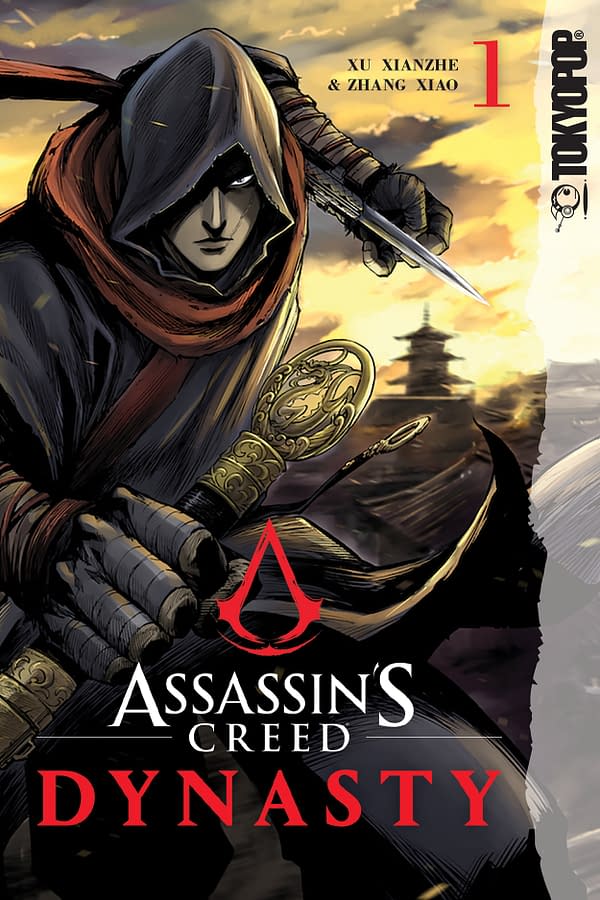
Assassin’s Creed Dynasty (Manhua)
Originally a webcomic in China, Dynasty has already achieved massive success, garnering over 150 million views on the Tencent platform. The story follows the Assassin Li E during the Tang Dynasty as he struggles to prevent a civil war. With its transition to paperback through TOKYOPOP, it is expected to find a significant audience in the West.
Valhalla-Centric Expansions
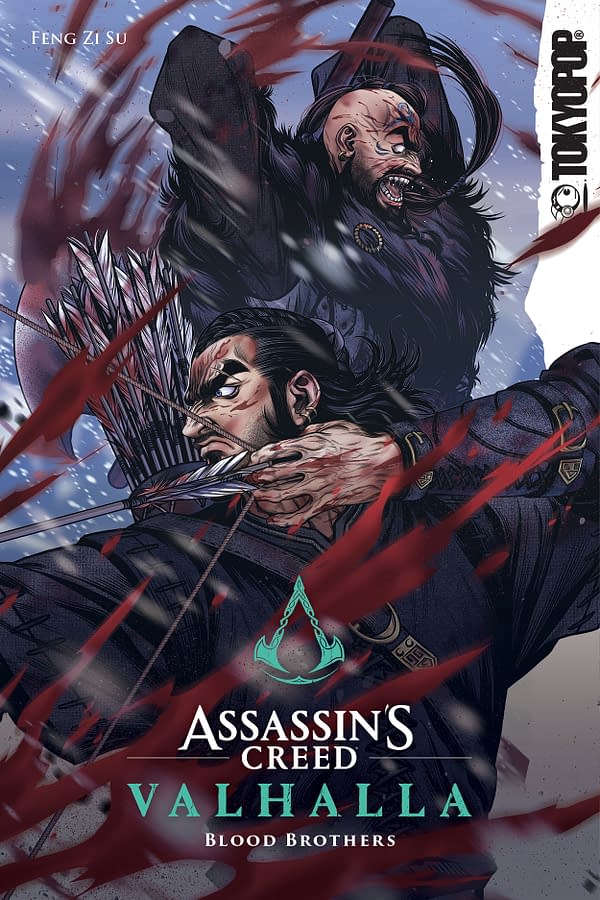
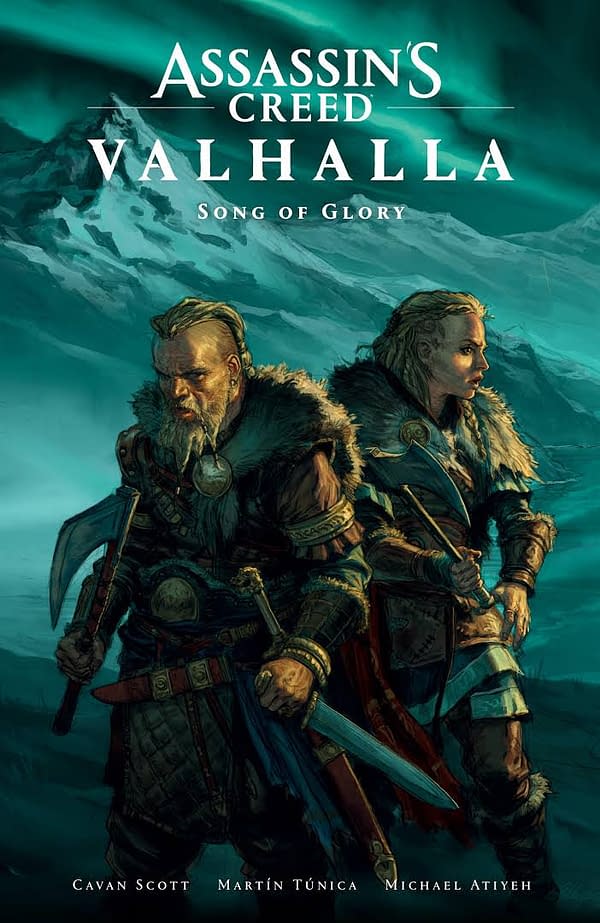
Capitalizing on the massive success of Assassin’s Creed Valhalla, Ubisoft is releasing several companion works. These include Blood Brothers (a manhua focusing on two Viking siblings), an original French graphic novel, and Song of Glory, a dark-horse comic series that serves as a prequel to Eivor’s journey, showcasing the exploits of Eivor and Sigurd before the events of the main game.
Blade of Shao Jun (Chronicles)
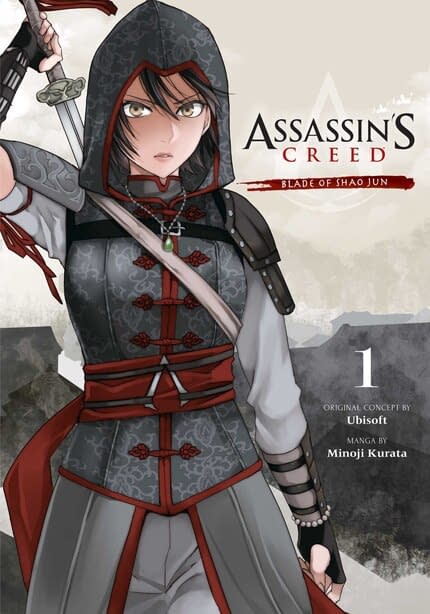
Viz Media is handling the English release of this manga series. It features a modern-day plot thread involving a teenager named Lisa who is targeted by Abstergo Industries, effectively bridging the gap between the historical narrative of Shao Jun and the contemporary reality of the franchise.
Turbulence in the Ming Dynasty (Podcast)
Recognizing the growing popularity of audio storytelling, Ubisoft has partnered with Ximalaya, China’s leading podcast platform, to produce an immersive audio drama. Featuring high-end production, voice acting from the Chinese film industry, and a cinematic score, this podcast offers a sensory-rich way to experience the Ming Dynasty setting.
The Strategic Implication: Why Now?
Ubisoft’s decision to move into transmedia is not merely a marketing exercise; it is a vital strategy for long-term brand health. In an era where "universes" like the MCU (Marvel Cinematic Universe) have set the standard for interconnected storytelling, Ubisoft is attempting to solidify Assassin’s Creed as a permanent fixture in global pop culture.
By diversifying their output, they achieve three critical goals:

- Retention: They keep the franchise relevant during the development cycles of major console releases.
- Accessibility: By moving into webtoons and podcasts, they reach demographics that may not have the time or inclination for 100-hour open-world games.
- Creative Freedom: Allowing local authors to write their own versions of the Assassin’s Creed mythos prevents the "stagnation" that can occur when a series is managed solely by a central corporate office.
Official Commentary: Empowering Creators
Aymar Azaïzia, Transmedia Director at Ubisoft Montreal, views this expansion as a vital creative opportunity. "With a license as rich as Assassin’s Creed, many creators are excited to offer their vision of the franchise," Azaïzia noted. "It’s a great creative opportunity to publish a work that is relevant to the genre in question and produced by authors or illustrators who are recognized in their field."
This approach suggests that Ubisoft is willing to relinquish some of the strict control usually associated with massive IPs in exchange for higher-quality, more diverse storytelling. By treating these books and comics as legitimate extensions of the canon rather than mere spin-offs, they are signaling to the audience that every piece of media matters.
Conclusion: A New Era for the Hidden Ones
The Assassin’s Creed universe is entering a phase of unprecedented growth. For fans who have spent years climbing the spires of Renaissance Italy or exploring the icy fjords of Norway, this expansion offers a chance to see the core tenets of the Creed—"Nothing is true, everything is permitted"—applied in ways that were previously impossible.
As these novels, manhuas, and audio dramas begin to roll out, the primary takeaway is clear: Ubisoft is no longer just a game studio. They are architects of a sprawling, multi-generational mythos that is intent on infiltrating every corner of the digital and physical bookshelf. Whether through the ink of a graphic novel or the immersive soundscape of a podcast, the fight between the Assassins and the Templars is far from over—in fact, it has only just begun to reach its full potential.
Fans are encouraged to visit the official Ubisoft Stories website for a detailed, up-to-date schedule of releases and to learn more about the specific creative teams behind these upcoming chapters in the Assassin’s Creed legacy.