Jia Lissa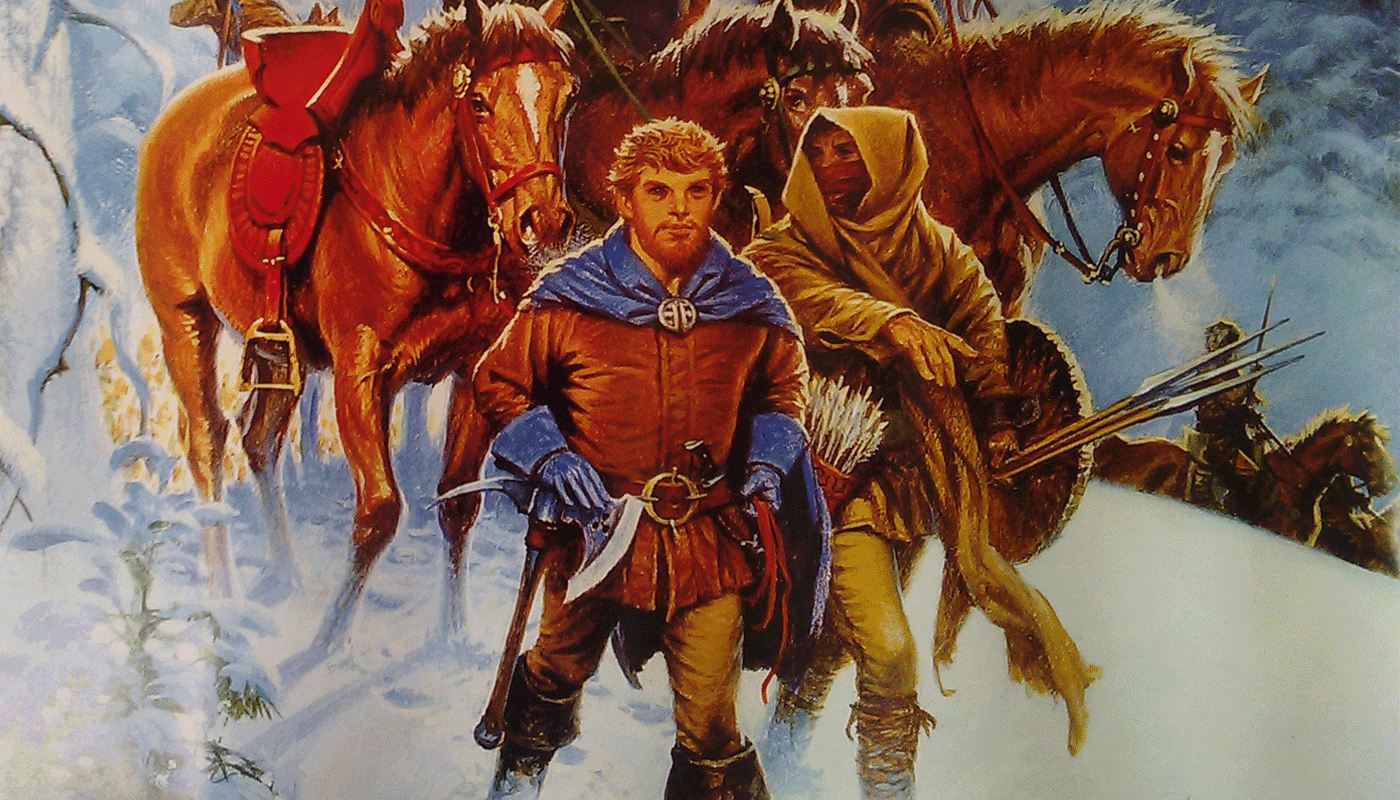
In the vast landscape of speculative fiction, the archetypal "reluctant warrior" is a recurring motif. From the ink-stained pages of Robert Jordan’s The Wheel of Time to the vibrant, kinetic panels of Marvel’s X-Men, creators have long used the struggle of the lethal individual to explore the nuances of the human condition. Recently, a compelling thematic intersection has emerged: the shared psychological trajectory of Perrin Aybara, the Wolfbrother of the Two Rivers, and Logan, the mutant known as Wolverine. While separated by genre—high fantasy and superhero science fiction—both characters grapple with the same fundamental question: Can an individual defined by lethal capability ever truly escape the label of "beast"?
The Genesis of a Comparison: Why These Heroes Mirror Each Other
At first glance, the comparison between a blacksmith-turned-leader and a Canadian mutant soldier might seem disparate. However, both characters are defined by a singular, persistent internal conflict: they view their capacity for violence as an inherent, immutable trait that threatens to swallow their humanity.
The impetus for this comparison stems from the recent resurgence of X-Men ’97, the animated series that has revitalized the discourse surrounding Logan’s identity. In the series, Logan’s journey is one of physical and existential reclamation, where he is frequently forced to confront the "animal" label imposed upon him by his handlers, his enemies, and ultimately, his own self-doubt. Parallel to this, readers of The Wheel of Time have long observed Perrin Aybara’s internal battle. As he navigates the complex, fate-driven tapestry of his world, he views his connection to wolves not as a gift, but as a dangerous, transformative force that could lead him toward the same "savagery" he fears.
Chronology of Conflict: Defining Moments in the Animalistic Struggle
To understand the depth of these parallels, one must examine the pivotal moments that shaped these two icons.
Logan: The Weapon X Paradigm
In X-Men ’97, specifically during the second season’s fifth episode, Logan’s arc is distilled into a moment of intense emotional clarity. Following the loss of his adamantium skeleton—a physical manifestation of his "weaponization"—he leads his allies, including the shapeshifter Morph, into a precarious situation. When the plan goes awry, the resulting trauma forces a confrontation. Logan’s insistence that "some people can only be one thing" acts as a tragic confession. He has internalized the dehumanizing rhetoric of his captors, believing that he is nothing more than a tool designed for bloodshed.
Perrin: The Path of the Blacksmith
Perrin’s journey, by contrast, begins with a deliberate, tempered suppression of strength. Growing up in the Two Rivers, he moved with caution, terrified that his natural power might accidentally cause harm. His trajectory shifts dramatically upon encountering the Trollocs and the subsequent loss of his mentor, Hopper. Unlike Logan, whose violence is often the result of external conditioning, Perrin’s struggle is one of moral agency. He fears that his rage—his "wolf side"—is the true, dark reflection of his soul, a belief that he continuously struggles to reconcile with his identity as a blacksmith: a creator, not a destroyer.
Supporting Data: The Deconstruction of "The Beast"
The metaphor of the "animal" is a common tool in literature to strip a character of their humanity, justifying violence against them or by them. However, a deeper analysis of biology and mythology suggests this trope is fundamentally flawed.
- Humanity vs. Animalism: In both X-Men and The Wheel of Time, the characters are told they are "animals" by those who wish to control them. Yet, as the narratives reveal, true mindless violence is a distinctly human trait. Wolves, in the context of Jordan’s world, operate on a hierarchy of instinct and pack protection; they do not kill for political power, prejudice, or the perverse pleasure of suffering.
- The Tool Analogy: Perrin’s decision to abandon his axe—a weapon meant only to kill—in favor of a hammer is a profound psychological pivot. A hammer can build; it can repair; it can create. By choosing a dual-purpose tool, Perrin attempts to reframe his own existence. He realizes that while he is capable of immense violence, that capability does not necessitate his entire identity.
Official Perspectives and Thematic Implications
The narrative threads of both characters offer a damning critique of binary thinking. Whether it is the rigid, black-and-white morality of the Whitecloaks in The Wheel of Time or the extremist factions of the X-Men universe, the villains of these stories thrive on the idea that an individual is "one thing."
The Danger of Binary Identity
Perrin’s upcoming confrontation with Galad Damodred provides a perfect case study. Galad, a figure of rigid, uncompromising morality, views the world in absolute terms. To the Children of the Light, Perrin is a monster—a "wolf-thing." Perrin’s internal struggle is simply a reflection of this external pressure. If he accepts the label of "wolf," he validates the prejudices of those who seek to destroy him.
The Path Forward: Integration vs. Suppression
The lesson for both Logan and Perrin is consistent: integration is the only path to peace. Morph’s role in X-Men ’97 is that of the mirror, constantly reminding Logan that he is more than his claws. Similarly, the spirits and mentors in the World of Dreams remind Perrin that the wolf is not a separate entity to be feared, but a part of the self to be understood.
Implications for the Modern Narrative
The relevance of this study extends beyond the boundaries of fantasy and science fiction. In an era where individuals are increasingly reduced to single-issue identities or political labels, the stories of Logan and Perrin offer a necessary counter-narrative.
- Agency in Identity: Both characters demonstrate that identity is not a static state imposed by birth or trauma, but an active, daily choice.
- The Ethics of Violence: Both stories suggest that violence is not an inherent trait, but a tool. The morality lies in the wielder, not the weapon.
- The Complexity of Nature: By embracing the "wolf" or the "wolverine," these characters do not become less human; they become more complete. They move from a state of denial to one of integration.
Conclusion
As we follow Perrin toward his inevitable clash with the Whitecloaks, we are witnessing the culmination of a long, arduous process of self-actualization. He is learning that he is neither the wolf nor the man—he is the synthesis of both.
If there is a takeaway for the reader, it is found in the simple, profound realization that we are never just one thing. We are the blacksmith and the warrior; we are the human and the beast; we are the creators of our own destiny. Just as Hopper the wolf dreamt of flying with the birds, our capacity for growth is limited only by our willingness to accept the complexity of our own nature. In the end, the most human thing we can do is refuse to be defined by our most violent moments.

 Asro
Asro
 Asep Darmawan