

More than a quarter of a century has passed since Steve Jobs stood on a stage and introduced the world to iTunes—a piece of software that would fundamentally rewire the global music industry. For a generation of digital music enthusiasts, the iTunes icon was the gateway to their entire media life. It was a library, a storefront, a CD burner, and a sync hub all wrapped in one.
Today, that iconic software exists in a state of suspended animation—a "zombie" application that continues to function but has been stripped of its former omnipotence. While the brand persists, the monolithic experience that once defined the Apple ecosystem has been dismantled, scattered, and reassembled into a collection of specialized services.
The Core Facts: iTunes in 2024
To the casual observer, the question remains: Can you still buy music from the iTunes Store? The answer is a resounding yes, though the "how" and "where" have shifted dramatically.
In its prime, iTunes was the undisputed king of digital media, capturing roughly 63% of the U.S. paid digital download market. It was the central nervous system for every iPod, iPhone, and iPad. However, as the industry pivoted toward the "all-you-can-eat" model of streaming—spearheaded by services like Spotify and eventually Apple’s own Apple Music—the monolithic nature of iTunes became a liability.
The software had grown into a bloated, labyrinthine mess of tabs and features. It was trying to do too much: managing local files, syncing legacy devices, serving as a podcast directory, and hosting an ever-expanding storefront. Apple’s solution was a "great fragmentation." iTunes did not die; it dissolved into the Music, Apple TV, and Apple Podcasts apps. On modern macOS systems, the software is essentially obsolete, with its core functions—like device syncing and backups—migrated to the Finder.
A Chronological Evolution of the iTunes Era
The trajectory of iTunes is a case study in how technology giants manage the transition from ownership-based models to subscription-based ecosystems.
- 2001: The Dawn of the Digital Hub. Apple introduced iTunes for Mac, marketing it as the ultimate "jukebox" software for ripping CDs and managing personal MP3 libraries.
- 2003: The iTunes Store Opens. By launching the store with the backing of major record labels, Apple provided a legitimate alternative to piracy, forever changing the trajectory of the music industry.
- 2005-2010: The Golden Age of Bloat. As the iPod evolved into the iPhone, iTunes became the required interface for managing these devices. With every update, Apple added video, podcasts, ringtones, and books, leading to a "Swiss Army Knife" design that eventually became difficult to navigate.
- 2015: The Pivot to Streaming. With the launch of Apple Music, the iTunes Store was effectively sidelined. The focus shifted from selling individual $0.99 tracks to selling access to a $9.99/month library.
- 2019: The macOS Catalina Breakup. Apple officially killed the standalone iTunes app on macOS, splitting its functions into dedicated apps for Music, TV, and Podcasts.
- 2024 and Beyond: iTunes exists now primarily as a legacy Windows application and as a vestigial brand name for the storefront interface on mobile devices.
Supporting Data: The Shift in Consumer Behavior
The decline of the iTunes Store is not merely a design choice by Apple; it is a reflection of a massive market shift. Data from the RIAA (Recording Industry Association of America) highlights that streaming now accounts for the overwhelming majority of music revenue. Digital downloads—once the bedrock of Apple’s revenue stream—have plummeted to single-digit percentages of total industry earnings.
Despite this, there remains a dedicated cohort of "digital hoarders"—users who prefer to own their files rather than rent them. For these users, the iTunes Store serves a vital function. Unlike streaming services, where songs can disappear due to licensing disputes or catalog updates, purchased files in the iTunes library remain under the user’s control.
The "Apple Account" (formerly Apple ID) ecosystem has provided a seamless transition for these users. Whether you bought a track in 2005 or 2024, your library remains accessible. The underlying infrastructure hasn’t changed; only the delivery vehicle has.
Official Stance and The Developer Perspective
Apple has been characteristically quiet about the "death" of iTunes, preferring to frame the transition as an evolution of the user experience. By pushing users toward the Music app and Finder, Apple claims to have simplified the workflow.
From a software engineering perspective, the decision to kill the monolithic iTunes app was necessary to reduce "technical debt." A single app attempting to handle synchronization, metadata management, streaming, and purchasing was prone to bugs and performance bottlenecks. By breaking the app into smaller, dedicated components, Apple has improved the stability of its software suite.
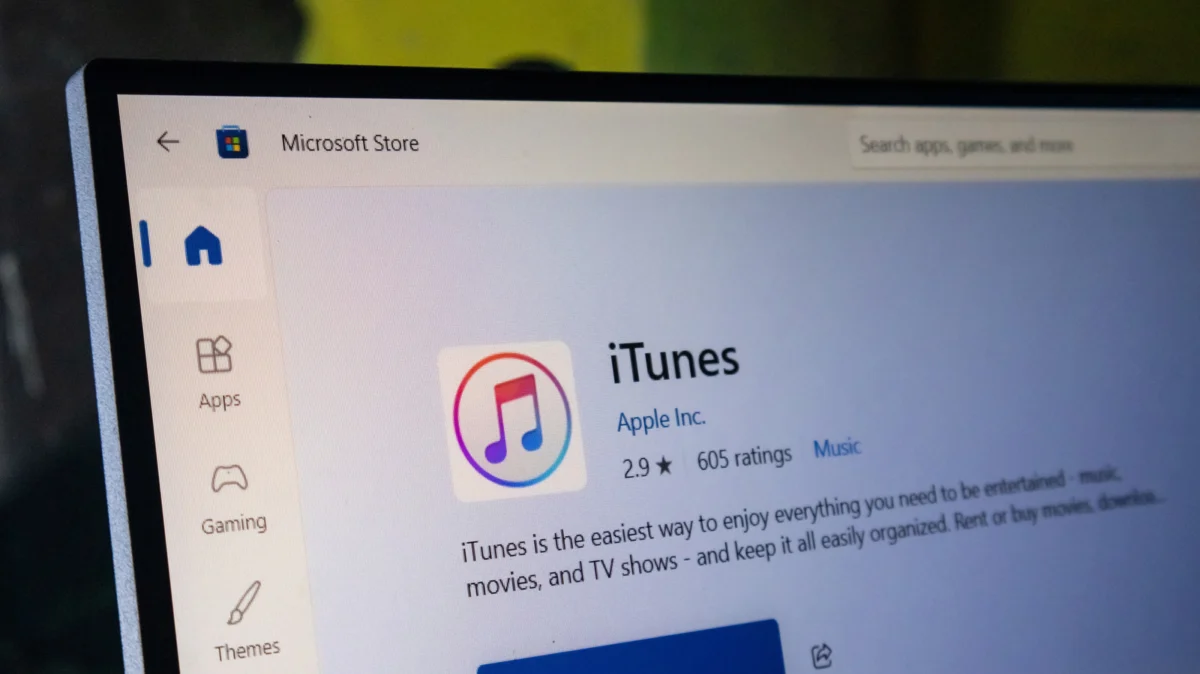
For Windows users, however, the experience remains more closely tied to the "classic" iTunes. Apple continues to support a Windows version of the software, largely because the PC market lacks the deep, native integration of the macOS Finder. This version remains the only way for many Windows users to manage non-streaming media, organize audiobooks, and access their legacy purchase history.
Implications for the Future of Media Ownership
The "iTunes experience" serves as a reminder of the fragility of digital ownership. While the brand name is currently a hollow shell of its former self, the underlying concept—a centralized, personal library—is under threat.
1. The Death of the Local Library
As streaming becomes the default, the concept of a "library" is shifting from a collection of owned assets to a curated playlist of rented ones. The decline of iTunes mirrors the decline of the local file. Many users today no longer even know where their music files are stored on their hard drives, or if they have local copies at all.
2. Fragmentation vs. Simplicity
While Apple argues that splitting iTunes into separate apps creates a cleaner experience, it also creates "siloing." If a user wants to manage their music, view their movies, and back up their iPhone, they now have to toggle between three or four different applications. For power users, the "bloated" iTunes of 2012 was actually more efficient than the fragmented, multi-app approach of 2024.
3. The Legacy Trap
For the millions of users who still have massive libraries of ripped CDs and legacy iTunes purchases, the transition to the new, subscription-heavy ecosystem has been rocky. While the Music app is compatible with old MP3, AAC, and ALAC files, the software is increasingly optimized to steer users toward Apple Music. Features like "iCloud Music Library" can sometimes inadvertently alter or sync metadata in ways that purists find frustrating.
Conclusion: The Ghost in the Machine
iTunes is no longer the titan it once was. It has been demoted from a central command center to a legacy utility, kept on life support largely to ensure backward compatibility for a dwindling base of "digital owners."
Yet, its DNA is everywhere. The way we view album art, the way we organize playlists, and the very concept of the digital storefront were all codified by the original iTunes interface. As we move further into a world where streaming is the only way to consume media, iTunes stands as a monument to a brief, 25-year window in history where the individual owned their digital collection.
Whether you still use it to sync an old iPod, buy the occasional movie on your Apple TV, or simply to keep your carefully curated library of MP3s safe from the cloud, iTunes remains a vital, albeit dusty, relic of the digital age. It may not be the way it used to be, but for many, it is still the only way that makes sense.











