

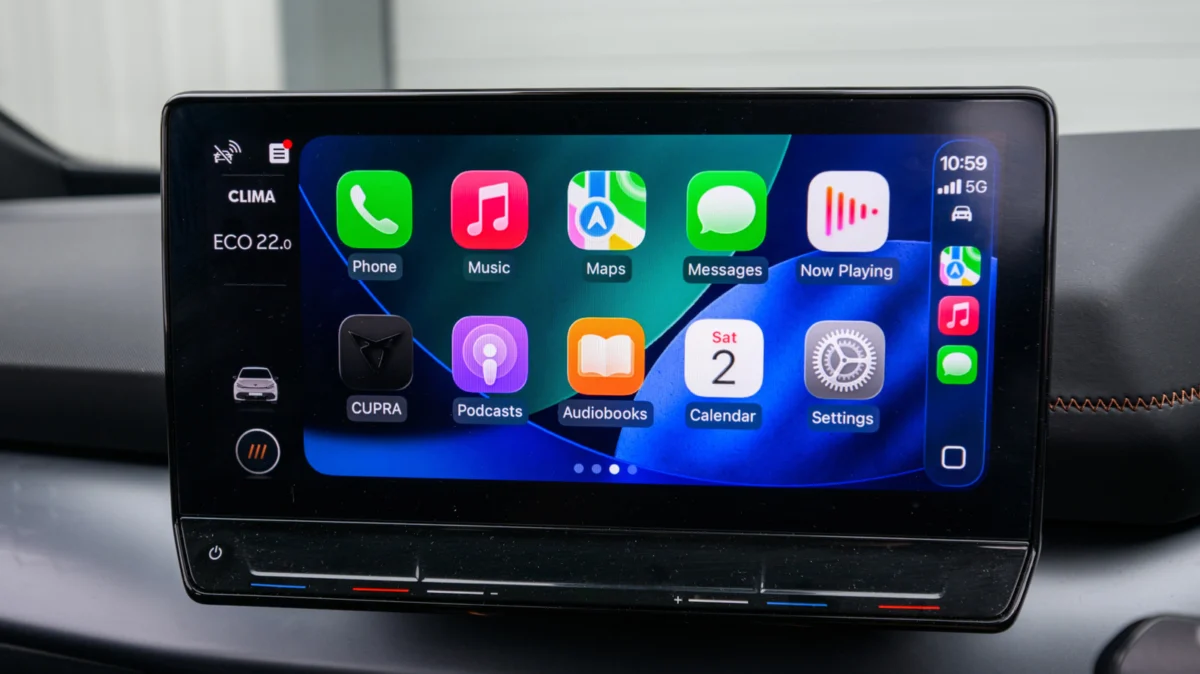
For millions of drivers, the modern automotive experience is defined not by horsepower or leather upholstery, but by connectivity. Apple CarPlay has effectively become the industry standard for how we interact with our vehicles, seamlessly integrating navigation, communication, and entertainment into the dashboard. However, as the automotive landscape shifts, a widening "digital divide" has emerged between new, high-tech vehicles and the older models that still populate the vast majority of our roads.
For owners of aging vehicles, the solution to this technological stagnation has traditionally been expensive, invasive, and complex: tearing apart a dashboard to install a custom aftermarket head unit. Today, however, a new, disruptive market has emerged: the portable Apple CarPlay screen. These plug-and-play devices promise to modernize legacy vehicles for a fraction of the cost. But as the market floods with budget-friendly options, the question remains: when are these devices actually worth the investment, and what are the trade-offs?
The Main Facts: Why Portable CarPlay is Trending
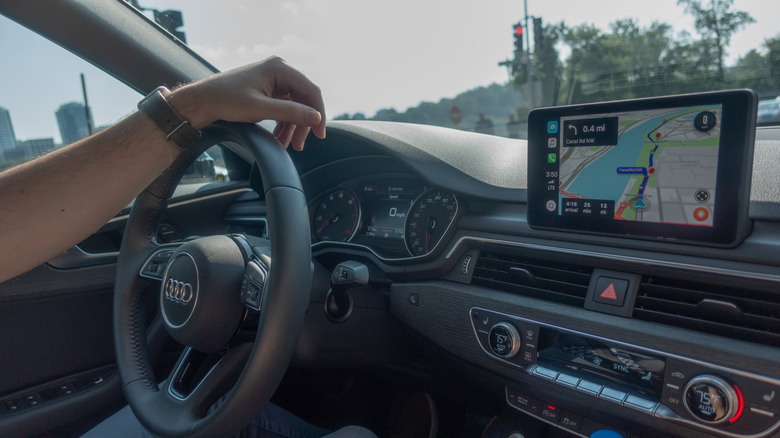
The core appeal of a portable CarPlay screen is simplicity. These units generally function by sitting atop the dashboard or mounting to the windshield via a suction cup, connecting to the car’s power through a standard 12V cigarette lighter port. They act as a "middleman" between the driver’s iPhone and the car’s existing audio system.
The necessity of these devices has grown in tandem with a controversial trend among major automakers. While Apple’s platform is currently supported in over 800 vehicle models, the industry is beginning to see a retreat from this universality. General Motors, for instance, has publicly announced its decision to phase out Apple CarPlay and Android Auto from its future electric vehicle (EV) lineup.
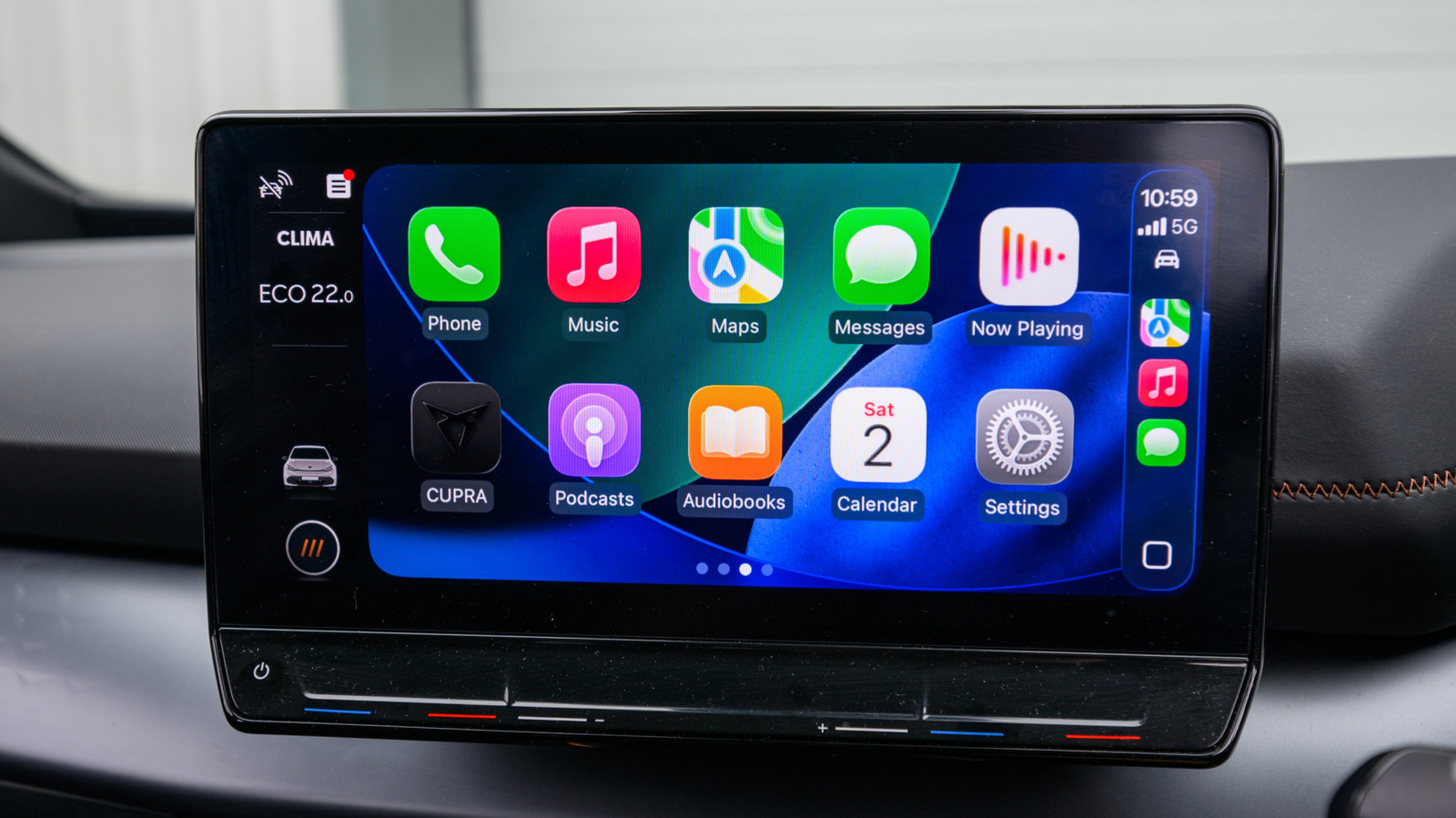
This move is largely driven by a desire for manufacturers to control the entire software ecosystem of their vehicles. By creating proprietary infotainment systems, automakers can collect granular user data and potentially implement subscription-based models for in-car features. For the consumer, this creates a friction-filled experience, making the "bring your own device" philosophy of portable screens more attractive than ever.
A Chronological Shift: From Factory Integration to Aftermarket Freedom
The history of in-car connectivity can be categorized into three distinct eras:
- The Pre-Smartphone Era (Before 2014): Infotainment was largely limited to CD players, AM/FM radios, and rudimentary navigation systems that were notoriously difficult to update.
- The Integration Era (2014–2022): Apple introduced CarPlay in 2014, and it quickly became a "must-have" feature. Consumers began making vehicle purchase decisions based solely on whether the infotainment system supported their smartphone ecosystem.
- The Fragmentation Era (2023–Present): As manufacturers seek to monetize the "software-defined vehicle," they are moving away from third-party integration. This has created a vacuum that has been rapidly filled by inexpensive, third-party portable hardware manufacturers, primarily operating through online marketplaces.
Supporting Data: Navigating the Market
When evaluating a portable CarPlay screen, consumers must navigate a market that ranges from $50 "bargain-bin" devices to $250 premium units. The disparity in quality is significant.
The Importance of Hardware Specs
Not all screens are created equal. A common pitfall for first-time buyers is ignoring display resolution. Because these screens are often viewed at arm’s length, a low-resolution panel (anything under 1280×720 pixels) will result in pixelated text and jagged icons, which can be distracting and difficult to read while driving.
Connectivity and Audio Output
One of the most critical aspects of these devices is how they interface with the car’s speakers. Because the portable screen itself is rarely equipped with high-fidelity audio, the device must bridge to the car’s existing sound system. Look for units that offer multiple output options:
- AUX (Auxiliary): The most reliable method, offering the best sound quality.
- FM Transmitter: A common, though often interference-prone, method for older cars lacking an AUX port.
- Bluetooth: Ideally, the unit should connect to the car’s own Bluetooth system, though this can sometimes introduce latency issues.
Furthermore, wireless CarPlay support is no longer a luxury—it is a necessity. Wired-only units tether your phone to the dash, defeating the purpose of a "clean" installation.
Official Responses and Industry Perspectives
The automotive industry remains split on the value of smartphone projection. Apple’s official stance remains that CarPlay is a safer, more intuitive way to use a phone in the car. Conversely, legacy automakers argue that their proprietary systems allow for deeper integration with vehicle-specific data—such as battery management for EVs, charging station routing, and climate control—that standard CarPlay cannot yet fully optimize.
However, the consumer backlash against the removal of CarPlay has been significant. Many buyers view the removal of these services as a step backward, viewing their phone’s operating system as superior to the often-clunky, proprietary interfaces developed by automotive software teams. This consumer sentiment has directly fueled the rise of the portable screen industry, which essentially acts as a "patch" for a problem that manufacturers created.
Implications for the Future: Is It Worth It?
If you are currently driving a vehicle that lacks modern connectivity, the implications of investing in a portable screen are largely positive, provided you choose the right unit.
The Pros:
- Cost-Effectiveness: A portable screen can modernize a 15-year-old car for less than $150, whereas a professional head-unit installation can cost upwards of $800 to $1,000.
- Portability: These units can be moved between vehicles—a major advantage for families with multiple cars or for those who rent vehicles frequently.
- Added Functionality: Many modern units now include dash-cam capabilities and rear-view backup cameras, adding safety features to older cars that never had them.
The Cons and Risks:
- Aesthetic Clutter: Unlike an integrated system, these units require wires to be run across the dashboard, which can be unsightly.
- Mounting Instability: Cheaper, suction-cup-based mounts often fail during temperature fluctuations, leading to the device falling off the dash—a major safety hazard.
- Distraction: Large screens (10 inches or more) can be distracting. It is vital to ensure that the device does not obstruct the driver’s field of vision.
The Verdict
The portable CarPlay screen is an excellent stop-gap for the conscientious driver who wants modern navigation and audio control without committing to a new vehicle purchase. While they will never achieve the seamless "factory" look of a built-in system, they offer a functional, reliable, and highly affordable way to bring your vehicle into the modern age.
When shopping, prioritize units with high resolution, stable mounting hardware, and robust wireless connectivity. By doing so, you can effectively bypass the industry’s trend toward proprietary software and keep your current vehicle relevant for years to come. Ultimately, these devices serve as a reminder that the consumer, not the manufacturer, should define how we interact with the technology in our daily lives.











