For those who cut their teeth on the SEGA Dreamcast, Crazy Taxi wasn’t just a game; it was a neon-soaked, high-octane manifesto of the late 90s. With its piercing blue skies, iconic punk-rock soundtrack, and arcade-perfect physics, it defined a generation of "pick-up-and-play" gaming. When SEGA announced the long-overdue reboot, Crazy Taxi: World Tour, at Gamescom 2026, the industry collectively held its breath. Could a modern title capture that same lightning in a bottle? After getting hands-on time with the demo in Cologne, the answer is frustratingly complex.
While the game certainly looks the part, it feels as though the soul of the original has been caught in the transition to modern design sensibilities.
The Evolution of the Arcade Icon
To understand the weight of World Tour, one must look back at the original’s DNA. Released in arcades in 1999 before finding its true home on the Dreamcast, the original Crazy Taxi was a masterpiece of simplicity. It prioritized mechanical mastery over narrative depth. The controls—a deliberate, tactile gear shift between Drive (D) and Reverse (R)—were the core of the challenge.
In the decades since, the franchise has languished in the shadows of port-heavy history, often suffering from licensing issues regarding its iconic soundtrack. The announcement of World Tour promised a return to the franchise’s roots, but the Gamescom demo suggests that in the quest to modernize, SEGA may have stripped away the very friction that made the original so satisfying.
A Global Stage with Familiar Constraints
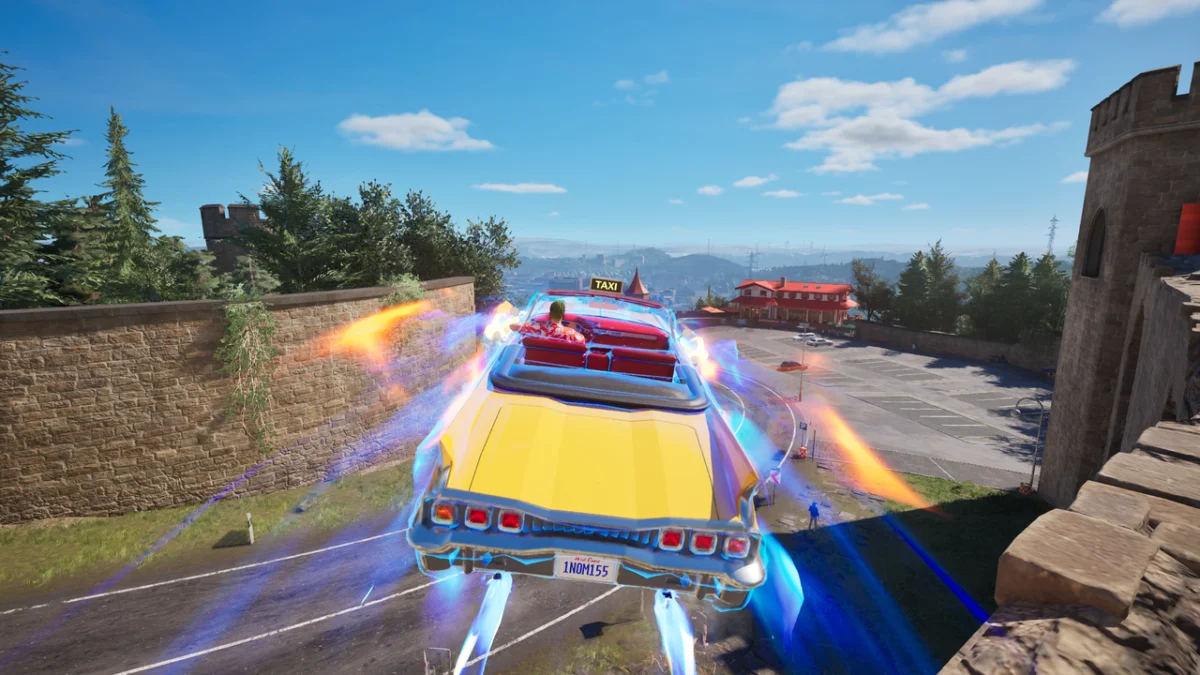
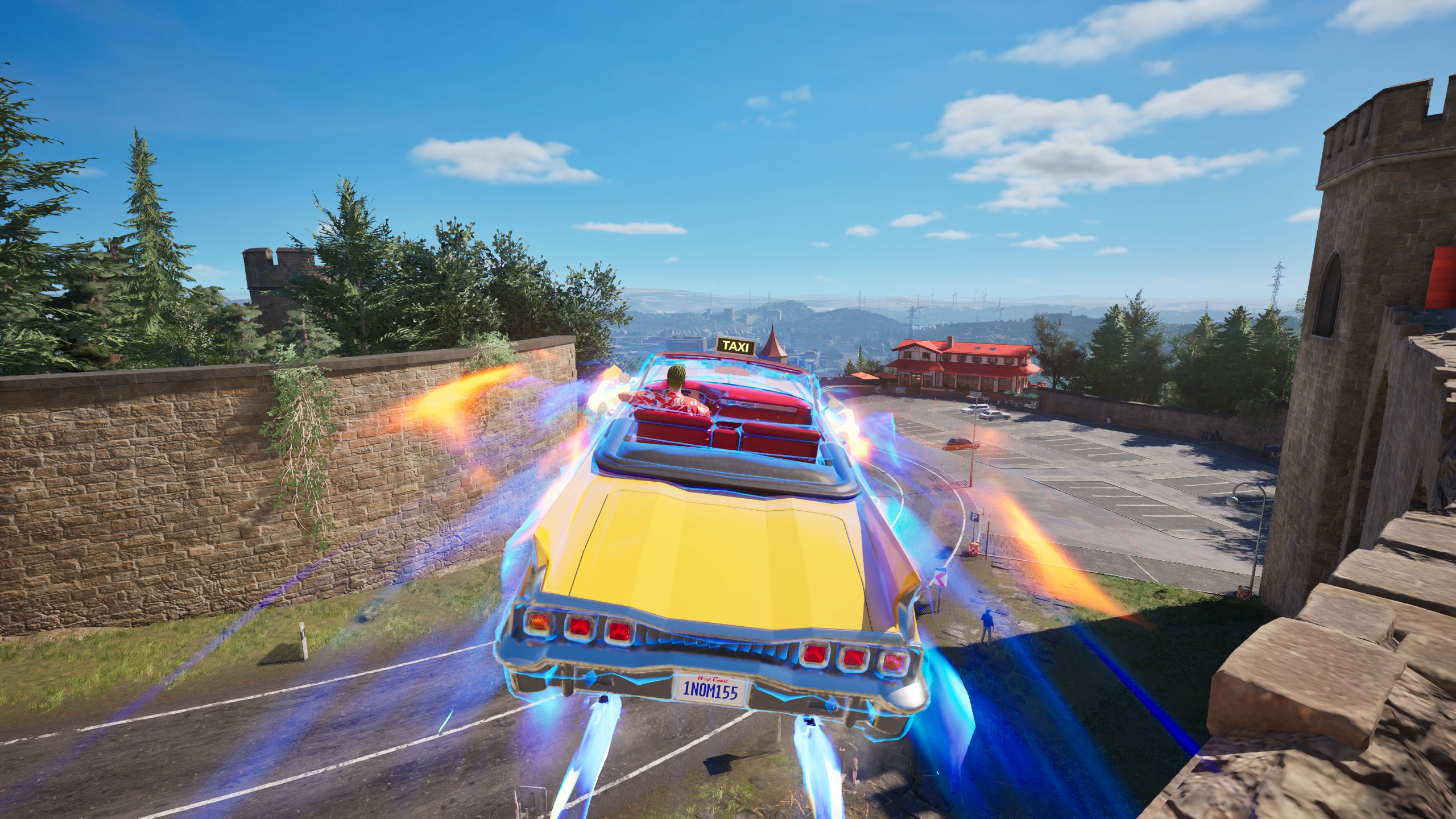
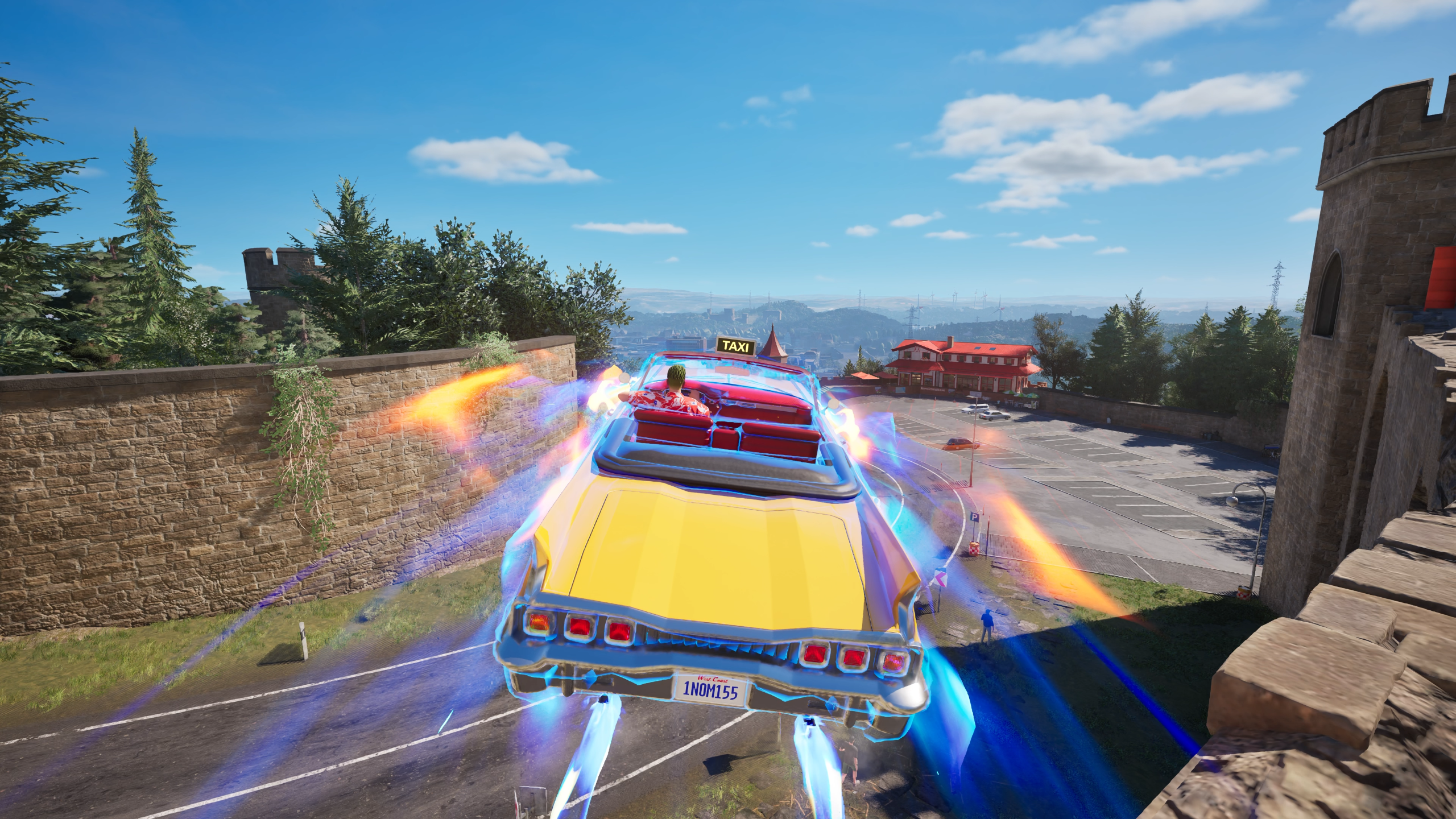
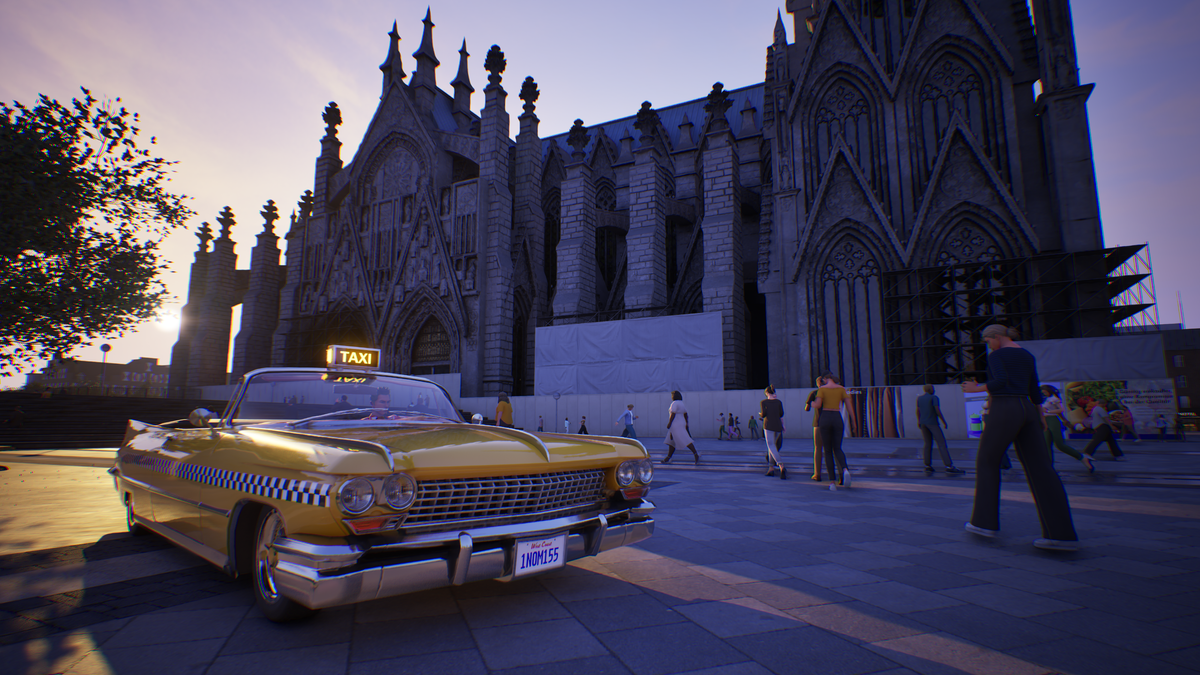
The sub-title World Tour promised a massive departure from the sunny, West Coast-inspired streets of the original. The demo transported players to a reimagined German cityscape, complete with looming gothic cathedrals, sprawling, vibrant market squares, and towering wind turbines. It is a visually impressive environment, showcasing the power of current-gen hardware.
However, beneath the European aesthetics lies a structural paradox. Despite being marketed as an "open-world" experience, the map design feels tethered to the circular, circuit-like layout of the original. This is not necessarily a bad thing—the original’s track design was genius—but it creates a clash between the expectation of open exploration and the reality of a constrained, looping loop.
The "Automatic" Problem: Mechanics and Controls
The most significant point of contention for veteran players is the handling. In the classic Crazy Taxi, the "D" and "R" gear shift was not just a UI element; it was a vital mechanic. Mastering the shift between forward momentum and reversing was the difference between a high score and a game-over screen.
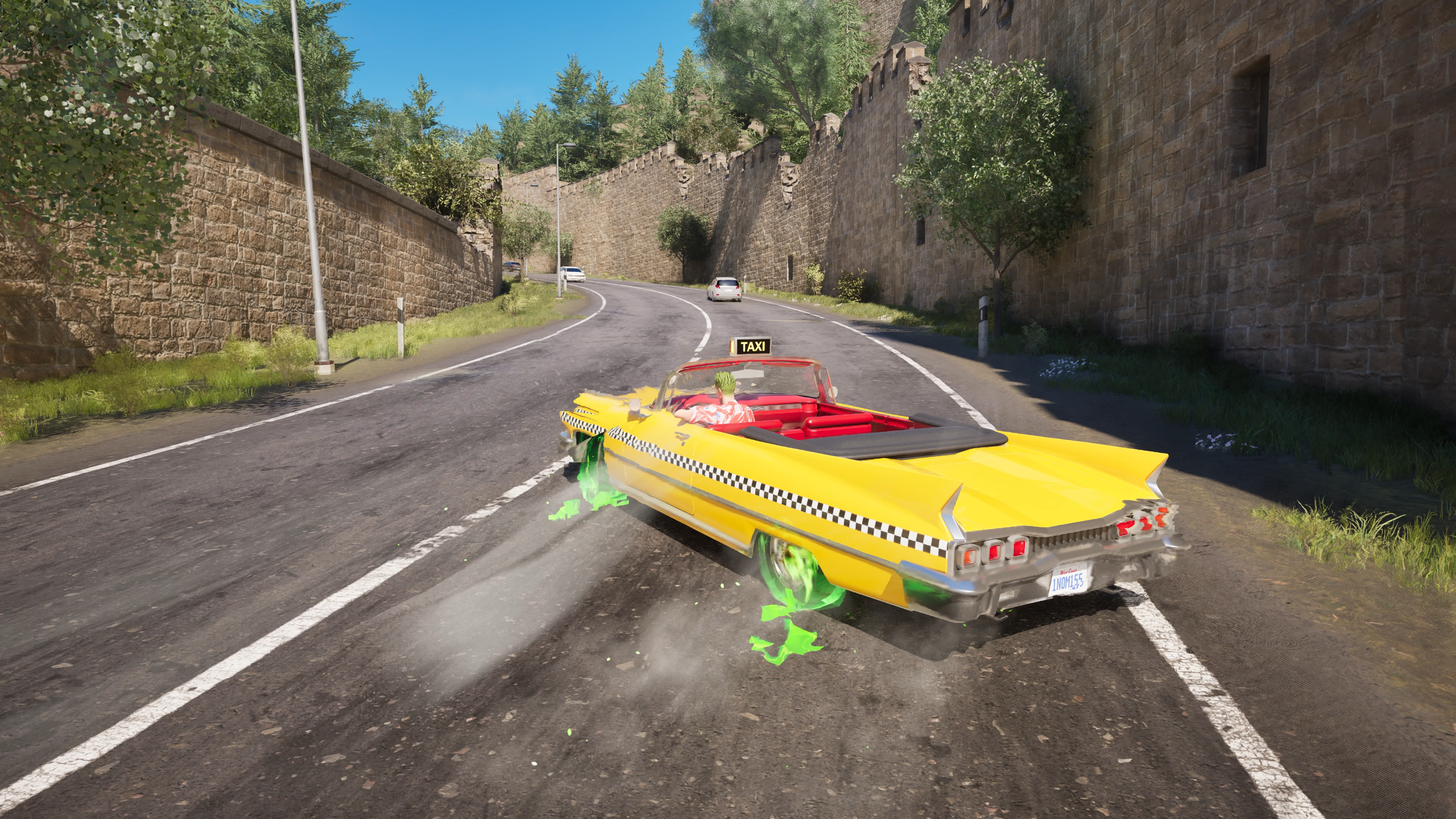
In World Tour, the UI still displays these gears, but they are effectively vestigial. The vehicle now intelligently shifts into reverse when the player holds the brake after coming to a complete stop—a common feature in modern racing titles. While this increases accessibility for new players, it dilutes the skill ceiling that defined the franchise.
Furthermore, the iconic "Crazy Boosts" and "Crazy Drifts" have been streamlined into simple button-press prompts. By mapping these advanced maneuvers to the B-button combined with triggers, the game loses the rhythmic, "fight the controller" satisfaction that defined the arcade original. While a new "Nitro Boost" system has been introduced—rewarding players for near-misses and high-speed maneuvers—it functions more like a standard arcade racer gauge, further distancing the game from the "pure" arcade experience fans remember.
Narrative Pacing and the "Yakuza" Influence
One of the most surprising additions to World Tour is the shift toward a mission-based, narrative structure. Unlike the original, where you were constantly racing against a ticking clock, World Tour allows for free-roaming and mission selection via NPCs.
There is an undeniable, quirky charm to this—reminiscent of the Yakuza (Like a Dragon) series—where the world feels populated and alive. However, the original game’s beauty lay in its minimalism. You didn’t need to know a passenger’s life story; you just needed to see the pregnant woman, the priest, or the teenager in the suit to understand the urgency of their destination. By layering in scripted narrative elements, World Tour risks replacing the frantic, surreal arcade charm with something more conventional and, perhaps, less memorable.
The Soundtrack: A Return to Form, But Lacking Punch
It is a relief to report that the legendary soundtrack featuring The Offspring and Bad Religion has returned. More importantly, these are the original, shortened edits from the Dreamcast era—a detail that ensures the high-tempo energy remains consistent even during short fares.
However, the implementation is strange. The music only swells to life when a mission begins, leaving the idle exploration feeling eerily quiet. For a game predicated on "crazy" energy, the silence during downtime feels like a missed opportunity to keep the momentum going.
Implications for the Future
With the game slated for release in 2027 on PC, PS5, Xbox Series X/S, and the upcoming Nintendo Switch 2, there is still time for refinement. A closed network test is on the horizon, focusing on the new multiplayer modes. This could be the saving grace of the project. If the multiplayer can capture the competitive, high-stakes spirit of the original arcade leaderboards, it may prove that World Tour is not a direct sequel, but an entirely different beast meant to coexist with the original.
Conclusion: A Shift in Gears
The fundamental issue with Crazy Taxi: World Tour is one of identity. It is attempting to bridge the gap between a 25-year-old arcade classic and the demands of a modern, open-world gaming market. For those who spent years perfecting their drift-turns and gear-shifts on the Dreamcast, the shift to an automated, mission-driven experience feels like moving from a manual transmission to a self-driving car.
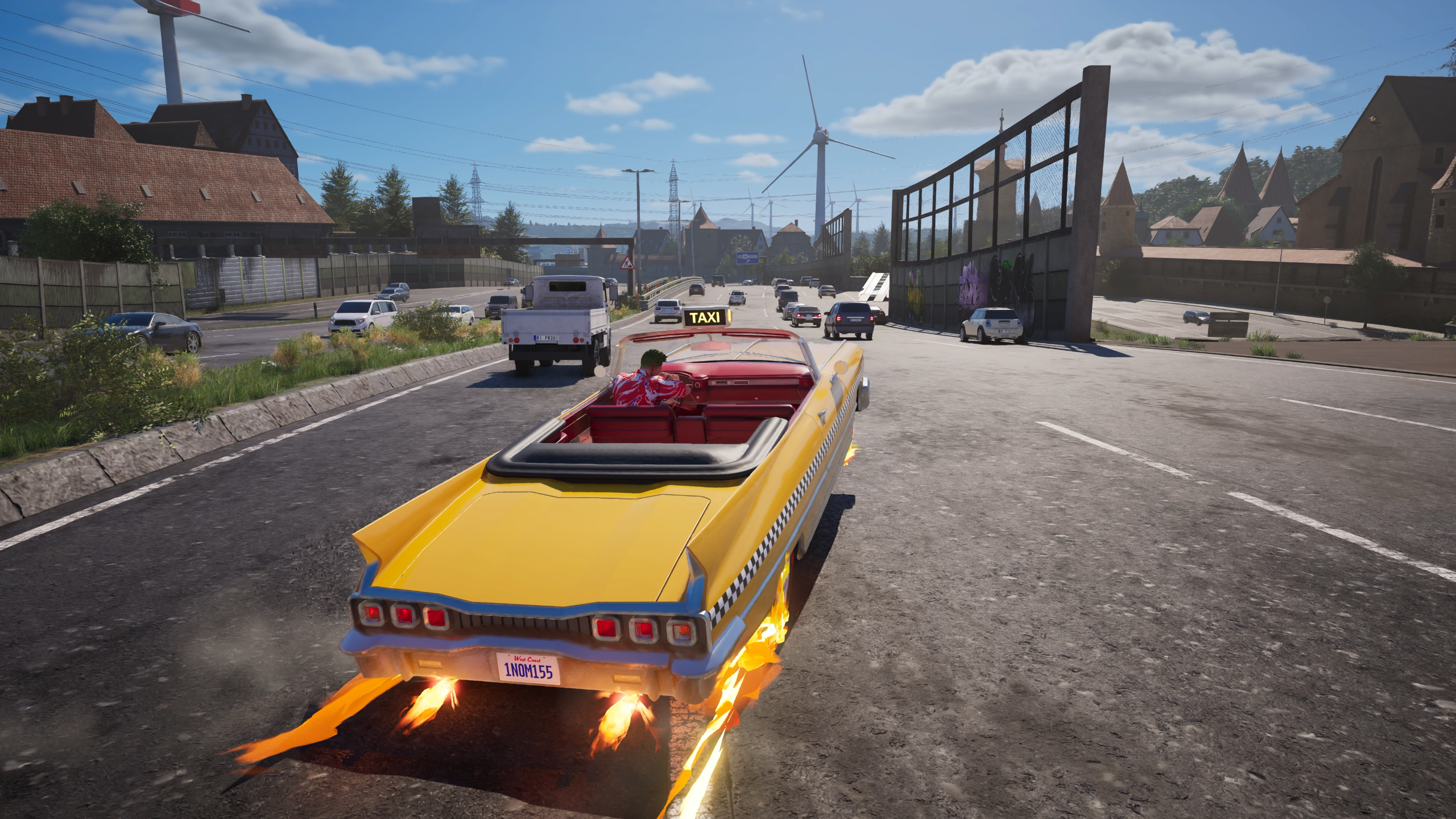
It is a beautiful, ambitious, and visually stunning title, but it lacks the tactile "punch" that made the original a legend. Whether the broader gaming public will embrace this new direction remains to be seen, but for the purists, the road ahead feels a little less "crazy" and a lot more predictable.
Quick Facts:
- Release Date: 2027
- Platforms: PC, PS5, Xbox Series X/S, Nintendo Switch 2
- Key Mechanics: Shifted to automated gear switching; introduction of a Nitro Boost gauge; mission-based, open-world structure.
- Audio: Returns to the original, licensed soundtrack (The Offspring, Bad Religion).