Nila Kartika Wati
The semiconductor industry is bracing for a fresh wave of volatility as reports suggest Intel is preparing for a significant 10% price increase across its CPU product lines. According to recent supply chain intelligence gathered by Digitimes, the tech giant is moving to bolster its gross margins in an increasingly competitive and high-stakes market. This latest potential hike marks a continuation of a aggressive pricing strategy that has seen costs rise steadily throughout 2026, creating ripple effects that reach from massive server farms to the average consumer’s home office.
The Chronology of Cost: Intel’s Pricing Trajectory
Intel’s current pricing strategy is not a sudden pivot but rather the culmination of a sustained effort to reclaim profitability in a maturing PC market. The reported 10% increase follows a series of incremental price adjustments initiated earlier in 2026.
Industry analysts have tracked two prior instances of price hikes this year: one occurring during the first quarter and a subsequent adjustment in July. These earlier moves primarily targeted specific segments of the server and client CPU markets. While Intel has maintained a degree of opacity regarding which specific SKUs are impacted, the pattern suggests a systematic attempt to prioritize high-margin products.
As we look toward the future, the industry is already anticipating major product cycles. Intel is reportedly gearing up for a significant launch window in March 2027, which aligns with rumors surrounding the rollout of its next-generation architecture. Following this, market observers expect AMD to counter with its own suite of product launches between June and July 2027, setting the stage for a high-stakes summer of hardware competition.
Supporting Data: Profitability vs. Volume
The underlying motivation for these price hikes stems from a fundamental shift in Intel’s fiscal strategy. As global PC demand has softened, the company has pivoted from a volume-based sales model to one focused on maximizing the Average Selling Price (ASP).
During Intel’s most recent earnings call, Chief Financial Officer David Zinsner provided clarity on this shift. He highlighted a 13% year-over-year increase in client revenue, noting that this growth was driven almost exclusively by higher ASPs rather than an uptick in the number of units shipped. In an era where volume growth is difficult to achieve, Intel is clearly betting that its enterprise and high-end consumer base will absorb these costs.
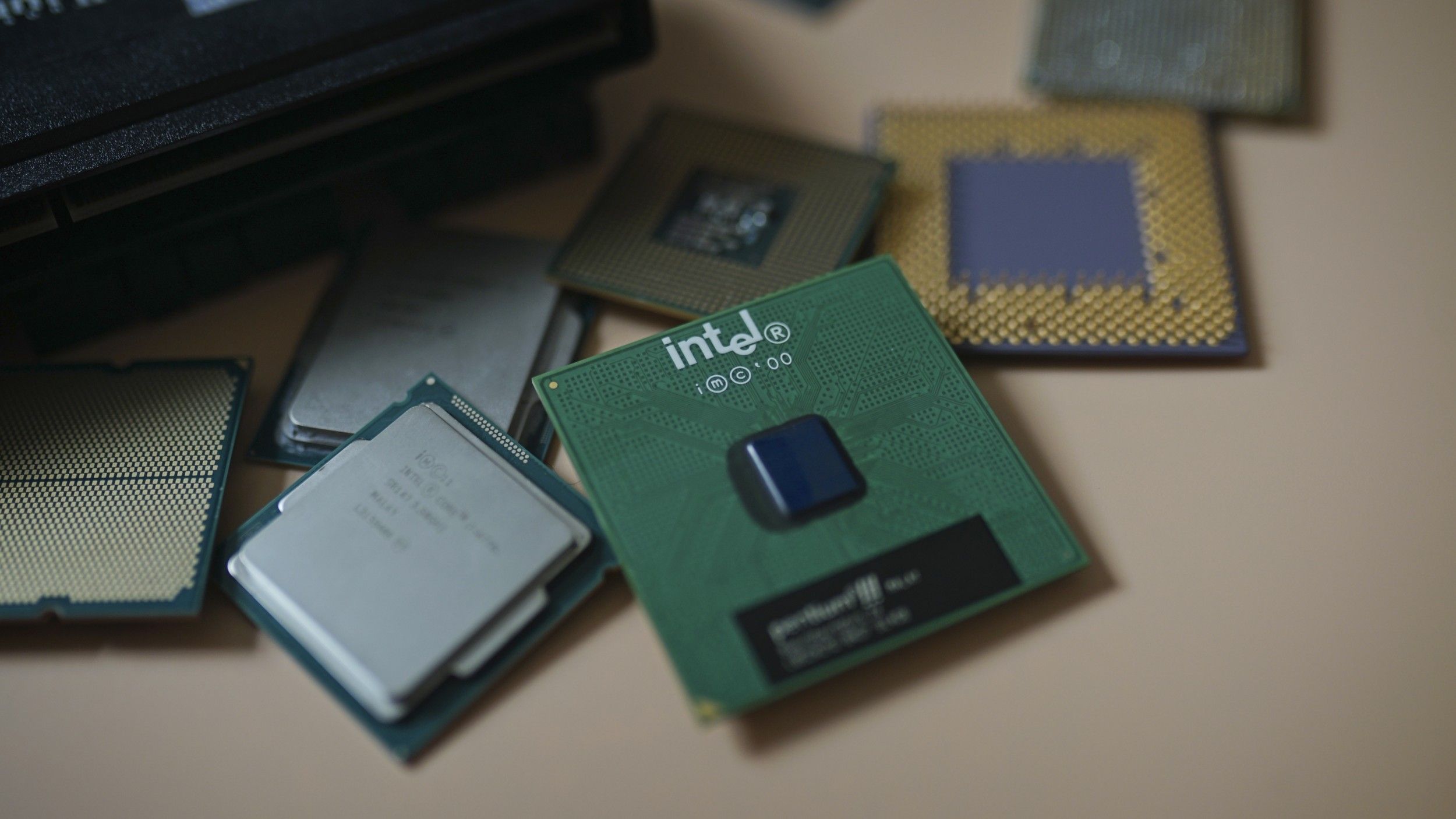
The pressure on pricing is further compounded by the integration of premium technologies. Modern Intel chips, such as the Panther Lake series, are moving toward high-speed memory standards like LPDDR5X-7467. With legacy designs like Lunar Lake already utilizing on-package memory, the bill of materials for OEMs is rising. This trend creates a "trickle-down" effect; as Intel increases the cost of its silicon, the pressure on manufacturers to maintain margins on fully built laptops becomes untenable, likely leading to higher retail prices for consumers.
The AI Engine: Server Demand and Valuation
Perhaps the most significant factor driving current market trends is the insatiable demand for server-grade CPUs capable of handling "agentic" AI workloads. The transition toward localized and cloud-based AI processing has fundamentally altered the server market.
Wall Street’s projections for the server CPU market have been consistently revised upward. Earlier in 2026, analysts estimated the sector would grow to $120 billion by 2030. Today, those estimates have ballooned to as high as $220 billion. This explosion in demand has insulated Intel to some degree, allowing the company to maintain high stock valuations even in the absence of revolutionary desktop consumer announcements. The company’s recent performance—including record share prices following strong Q1 results—is a testament to the fact that the server segment is currently the primary engine driving Intel’s financial health.
Implications for the Consumer and Enterprise Markets
The implications of these price hikes are twofold, affecting both the enterprise infrastructure market and the consumer DIY/laptop segment.
The Enterprise Dilemma
For corporate data centers and cloud providers, a 10% increase in CPU costs is not merely a line-item fluctuation; it is a significant capital expenditure concern. Because server demand is currently so high, enterprises have little leverage. They are locked into ecosystems where the performance-per-watt and AI-processing capabilities of the latest Xeon processors are essential for staying competitive. As Intel tightens its pricing, cloud service providers may eventually be forced to pass these costs down to their own customers, potentially slowing the pace of AI adoption for smaller enterprises.
The Consumer Impact
For the average consumer, the outlook is equally challenging. The DIY PC market, which has historically thrived on competitive pricing and generational performance leaps, may see the barrier to entry rise. If the cost of the CPU—the "heart" of the machine—increases by double digits, users may find themselves opting for mid-range components, potentially lengthening the upgrade cycle. Furthermore, the integration of on-package memory and higher-end fabrication requirements means that the era of affordable, high-performance computing may be entering a period of recalibration.
A Comparative Look: The AMD Factor
The competitive landscape is being defined by the "tug-of-war" between Intel’s Nova Lake architecture and AMD’s upcoming Zen 6 releases.
AMD’s roadmap, while less clear in the public eye, is equally ambitious. The upcoming "Venice-X" server CPUs, expected to feature a massive 1,152 MB of L3 cache, underscore AMD’s commitment to the high-performance computing (HPC) space. However, there remains a degree of mystery surrounding the "Olympic Ridge" desktop architecture.
Historically, AMD has maintained a two-year cadence between architecture launches. Given that we have already crossed the two-year mark since the introduction of Zen 5, many industry analysts expected more concrete information regarding Zen 6 by now. The fact that information remains scarce suggests that AMD, much like Intel, may be re-evaluating its launch strategies in light of the explosive demand for AI-focused server silicon. If AMD chooses to prioritize its EPYC server line to capture the $220 billion market projection, the desktop consumer might see a delay in the release of next-gen Zen 6 processors, further allowing Intel to dictate market pricing without immediate competitive pressure.
Conclusion: A New Era of Pricing
Intel’s decision to hike prices by 10% is a strategic gamble that reflects the new realities of the semiconductor industry. In an age dominated by the "AI gold rush," chipmakers are no longer just selling processors; they are selling the foundational infrastructure for the next decade of computing.
While these increases may lead to short-term fiscal gains for Intel, they carry the risk of alienating the consumer base and creating an opening for competitors who might choose to disrupt the market with more aggressive value propositions. As we look toward the 2027 product launches, the industry remains at a crossroads. Whether this pricing strategy remains sustainable will ultimately depend on the global economy’s appetite for the next generation of AI-integrated hardware. For now, the message from Silicon Valley is clear: the cost of innovation is rising, and the consumer will be expected to foot the bill.

 Siti Muinah
 Sagoh
Sagoh