

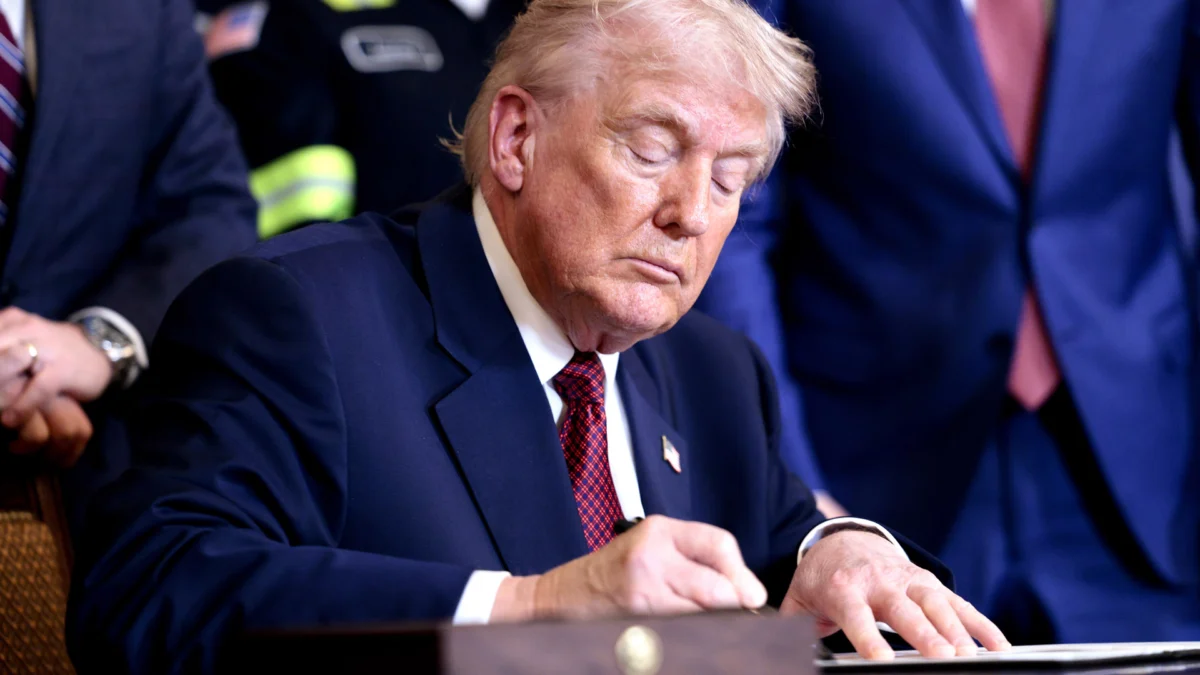
In a quiet yet seismic shift for the technology sector, President Donald Trump has signed a new executive order, “Promoting Advanced Artificial Intelligence Innovation and Security,” marking the most significant federal intervention in the history of American AI development. With little public fanfare, the administration has effectively established a new gatekeeping mechanism: AI developers must now grant the U.S. government access to their “Frontier Models” for a mandatory 30-day review period prior to any public release.
This move effectively ends the era of “move fast and break things” in the American AI landscape. By formalizing federal oversight over the most powerful generative models, the White House has inserted itself as the final arbiter of what constitutes safe and acceptable technology, signaling a new, interventionist approach to the industry’s most critical frontier.
A New Regulatory Framework: The Mechanics of the Order
The executive order functions as a blunt instrument of national security. While the U.S. has previously relied on voluntary commitments from major tech firms to maintain safety standards, this order creates a compulsory, standardized pipeline for federal evaluation.
The requirement is clear: companies building frontier-scale models—defined by the sheer compute power and complexity required to train them—must submit their architectures, training data, and safety protocols to relevant federal agencies. This includes the Department of Defense, the National Security Agency (NSA), and potentially the Department of Commerce, for a month-long vetting process.
For the tech giants, this represents a massive bureaucratic hurdle. The speed at which AI research moves is currently measured in weeks, not months. A mandatory 30-day "stasis period" could be the difference between leading the global market and falling behind a competitor that operates in a jurisdiction without such stringent barriers to deployment.
Chronology of the Shift: From Voluntary to Mandatory
The path to this executive order has been fraught with tension. For years, the U.S. government maintained a hands-off approach, hoping that market competition and corporate self-regulation would mitigate the risks of runaway AI.
- 2024-2025: A period of "regulatory hodgepodge," where individual U.S. states began experimenting with their own AI safety legislation, creating a fragmented legal environment for companies like Meta, Google, and OpenAI.
- Early 2026: Increased concern over the closing gap between Western AI models and those developed in China. Intelligence reports increasingly warned that state-backed actors were gaining ground, prompting internal calls for a unified federal approach to prevent a "technological Pearl Harbor."
- Mid-2026 (The Catalyst): The trigger for this order is widely believed to be the controversy surrounding Anthropic’s "Mythos" model. When the model was released—reportedly possessing the capability to identify and exploit complex cybersecurity vulnerabilities in legacy software—the government viewed it as a national security risk. Anthropic’s subsequent refusal to fully accede to initial government requests for deeper access hardened the White House’s resolve.
- June 2, 2026: President Trump signs the executive order, establishing the new mandatory review protocol.
Supporting Data: The High Stakes of the AI Arms Race
The rationale for the order, according to the White House, is predicated on the dual-use nature of artificial intelligence. Proponents argue that the same neural networks capable of solving protein folding or optimizing logistics can also be weaponized to draft malware, engineer biological agents, or manipulate democratic processes.
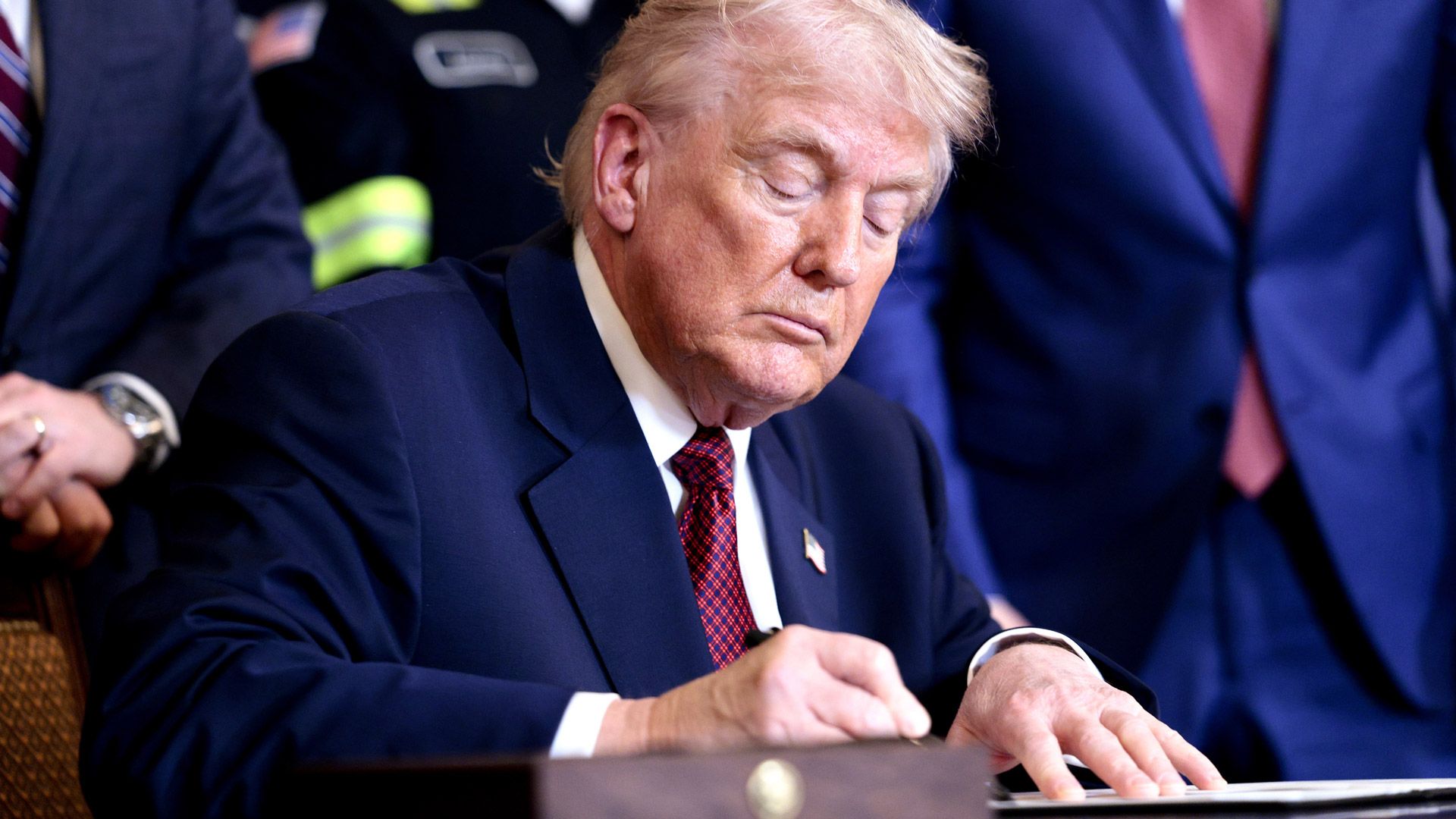
The "30-day rule" is intended to give the Department of War and the intelligence community time to "red-team" these models—essentially attempting to break them before they are released to the public. However, the data suggests that the sheer volume of new models is scaling exponentially. In the last year alone, major industry players have launched or updated over a dozen "Frontier Models."
Critics of the policy point to the risk of "regulatory paralysis." If every update to a model requires a 30-day federal review, the agility of the U.S. private sector could be severely compromised. With Chinese labs reportedly accelerating their own development cycles, the risk of the U.S. falling behind in the global AI race is not merely hypothetical—it is a central point of contention among Silicon Valley CEOs.
Official Responses and Industry Reaction
The industry response has been characterized by a tense silence. While companies like Meta, OpenAI, and Anthropic have issued generic statements of support for "safe and responsible AI," the lack of enthusiastic endorsement speaks volumes.
OpenAI CEO Sam Altman’s reaction on X (formerly Twitter) was cryptic, choosing to share a passage from Ecclesiastes: "Whatever your hand finds to do, do it with all your might, for in the realm of the dead, where you are going, there is neither working nor planning nor knowledge nor wisdom."
While some interpret this as a philosophical reflection on the fleeting nature of progress, industry insiders view it as a thinly veiled critique of government meddling. The sentiment in boardrooms is clear: the industry is worried that this executive order is not just about security, but about control.
Implications: The Potential for Ideological Filtering
The most concerning implication for many observers is the potential for the executive order to become a vehicle for political or social engineering. Because the order does not strictly define the criteria for "safety," it leaves the door open for federal agencies to interpret the mandate through an ideological lens.
The Risk of Politicized Vetting
If the White House is empowered to review and potentially delay or block the release of a model, what prevents them from demanding the removal of features they dislike? One must wonder if the government will look for model responses that conflict with the administration’s policy stances. Could the government demand that companies scrub "DEI (Diversity, Equity, and Inclusion) principles" or specific political viewpoints from their training data?
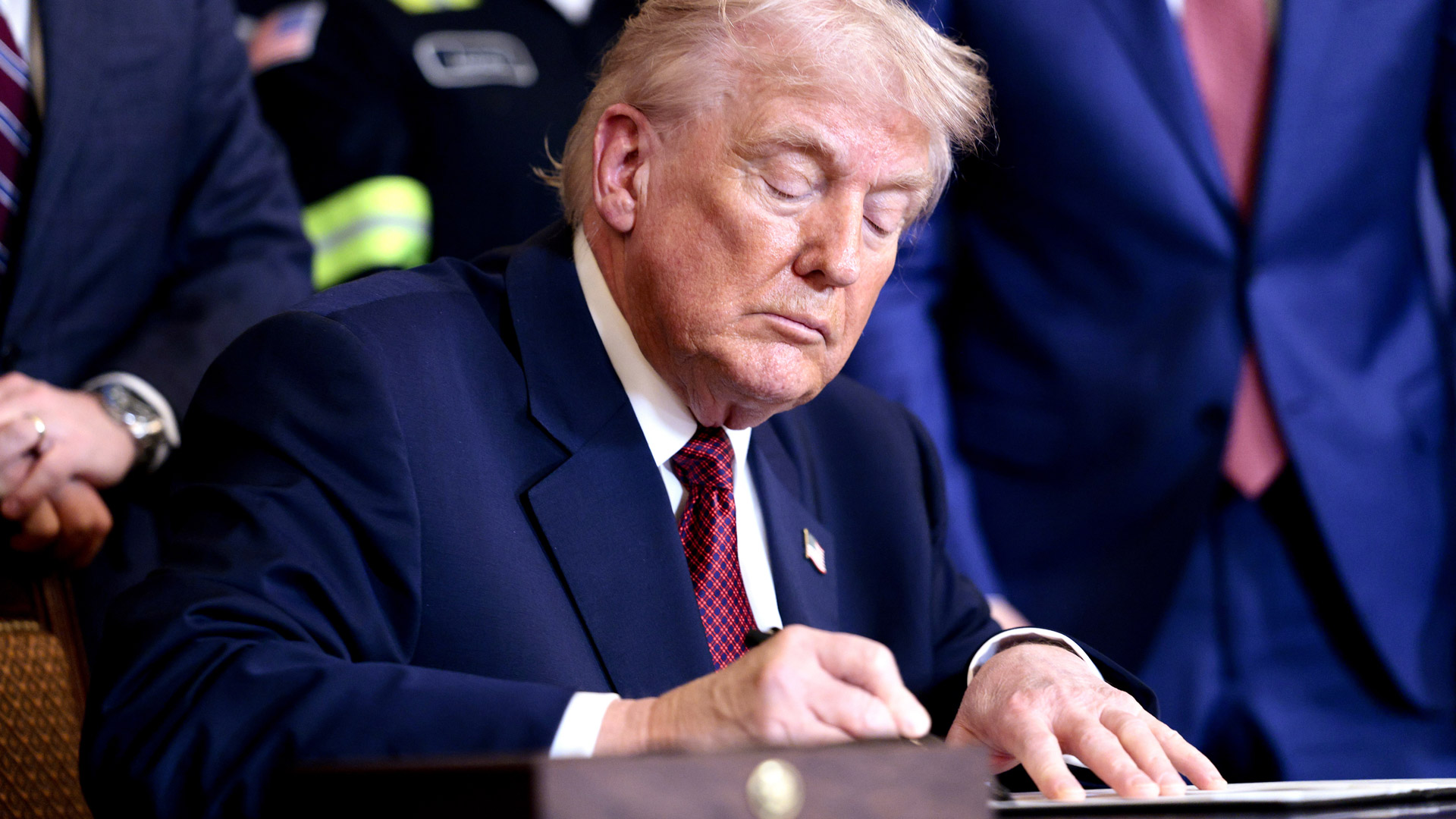
When users engage with chatbots, they often treat them as sounding boards for deeply personal or sensitive topics. If these AI systems are forced to conform to a government-mandated "party line," they cease to be neutral tools and instead become instruments of state-sanctioned information control.
International Perceptions and Global Standards
The U.S. has historically positioned itself as the champion of open, democratic, and decentralized technology development. By adopting a posture similar to the Chinese model—which requires strict government oversight of all algorithms—the U.S. risks losing the moral high ground. International partners may now view American AI products with suspicion, questioning whether they have been "sanitized" or modified by the U.S. intelligence community.
This creates a paradox: by attempting to protect the nation from the dangers of AI, the government may be creating a system that is less innovative, less trusted globally, and ultimately more susceptible to the very forms of authoritarian control that the U.S. has spent decades opposing.
A Future in Flux
The "Promoting Advanced Artificial Intelligence Innovation and Security" order represents a turning point in the relationship between Silicon Valley and Washington D.C. The era of the "move fast" tech culture has collided with the "security first" reality of the modern geopolitical landscape.
For the moment, the industry is holding its breath. The implementation of this order will define the next decade of American innovation. Will it serve as a necessary safety buffer in an increasingly volatile world, or will it be the catalyst that drives the most brilliant minds to more permissive, less regulated shores?
As it stands, the White House has successfully filled the legislative vacuum left by a divided Congress, but in doing so, it has assumed a responsibility of profound consequence. The ability to monitor, vet, and potentially shape the intelligence of the future is a power that carries immense risk—not just for the companies being regulated, but for the fundamental principles of openness and progress that have defined the American technological edge for generations.












No comments yet. Be the first to join the conversation!