Siti Muinah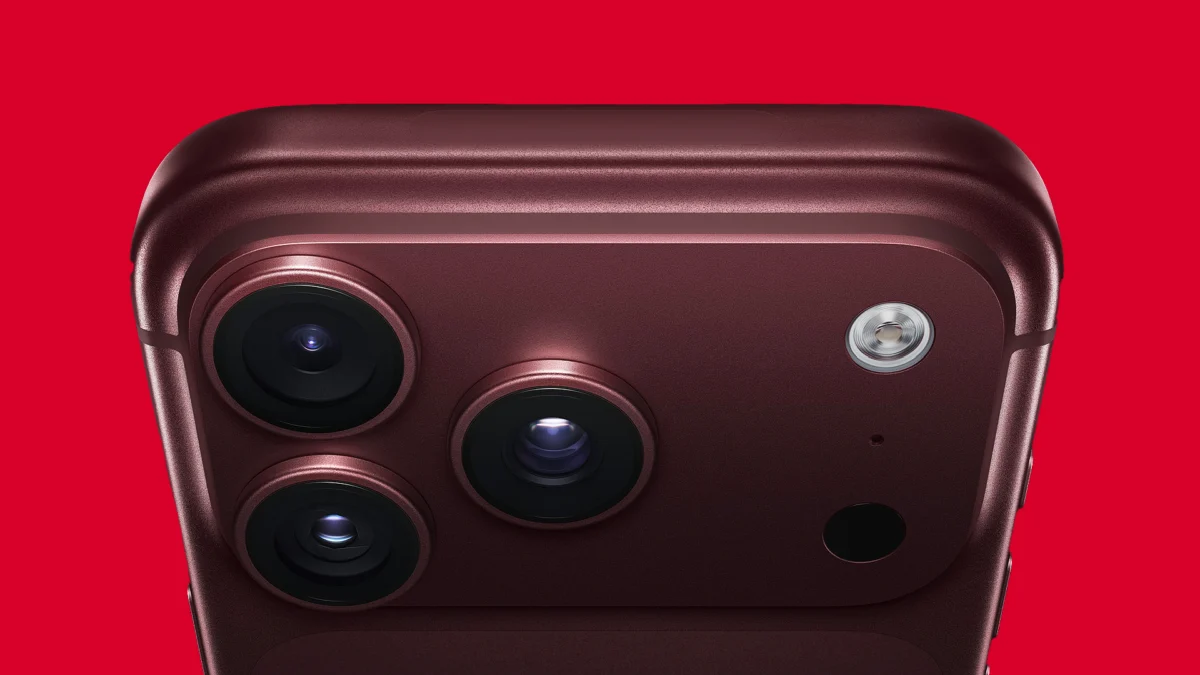
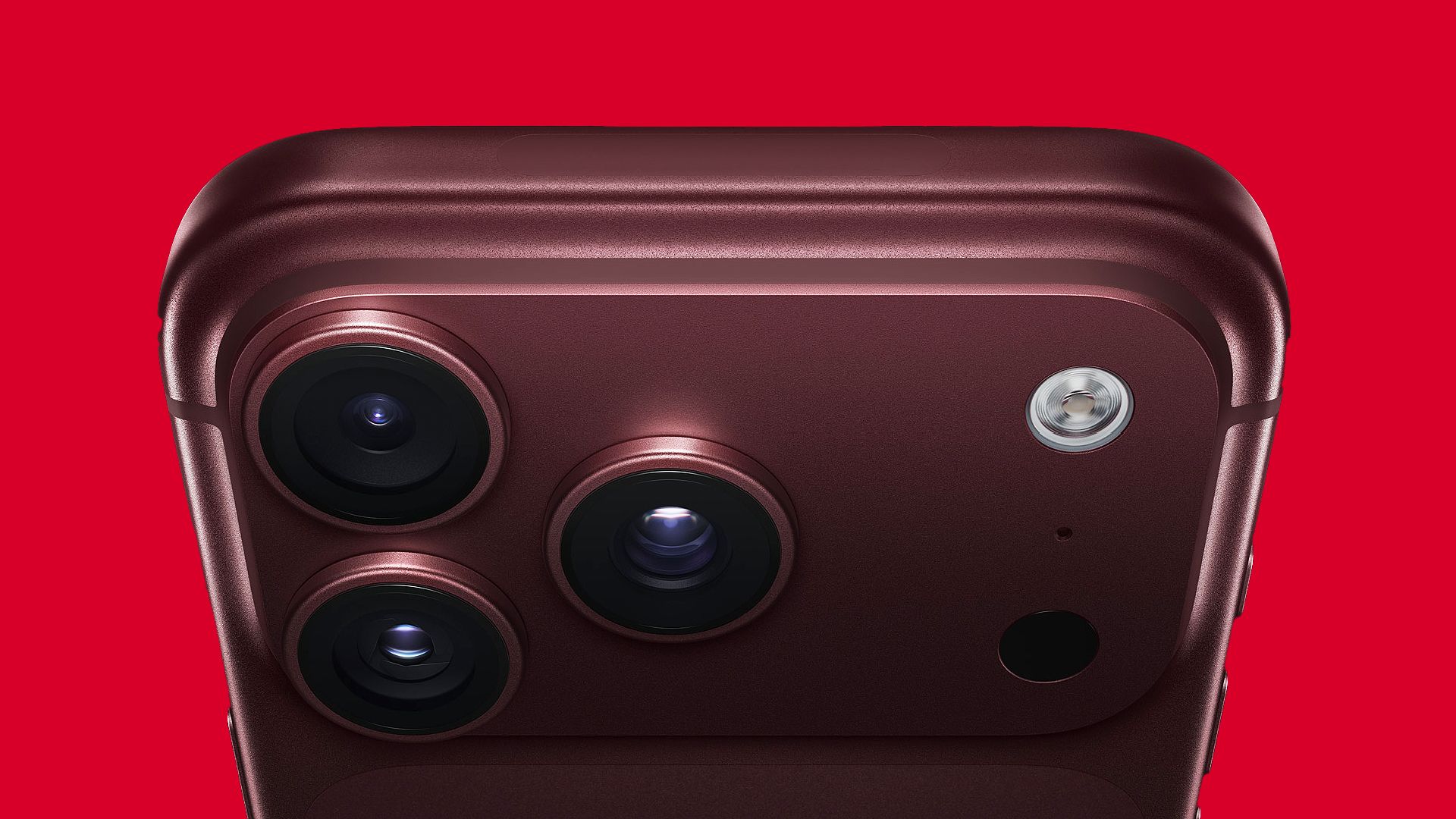
The wait is officially over. Apple has pulled back the curtain on its latest flagship device, the iPhone 18 Pro, and with it, the highly anticipated preorder phase has commenced. As consumers scramble to secure the newest iteration of Apple’s premium smartphone, the tech giant is positioning this launch as a pivotal moment in mobile hardware evolution. While the spotlight is firmly fixed on the iPhone 18 Pro, the shadow of the upcoming "iPhone Duo"—Apple’s foray into the foldable market—looms large, creating a complex landscape for those looking to upgrade their technology this season.
For early adopters, the iPhone 18 Pro represents the pinnacle of current mobile engineering. However, for the average consumer, the primary concern remains the financial barrier to entry. With shipping slated to begin on September 18, the race to lock in the best trade-in value and carrier incentives is currently in full swing.
Main Facts: What You Need to Know
The iPhone 18 Pro enters the market with significant expectations. As the latest annual iteration of the Pro line, it promises refined camera capabilities, enhanced processing power, and, as is tradition, a suite of software optimizations that integrate tightly with the broader Apple ecosystem.
The Financial Landscape
For those purchasing directly through Apple, the company is offering trade-in credits of up to $885. This is a substantial discount, though it relies heavily on the condition and model of the device being traded in. Conversely, major carriers like Verizon and AT&T are offering even more aggressive incentives. Through retail partners like Best Buy, customers can secure deals worth up to $1,200, which effectively covers the full retail price of the base model.
However, these "free phone" offers come with strings attached. To qualify for the maximum discount, users are typically required to commit to specific high-tier unlimited data plans and remain with the carrier for a multi-year contract term. These "loyalty traps" are standard in the industry, yet they remain the most effective way for consumers to offset the rising cost of flagship smartphones.
Chronology of the Launch
The path to the iPhone 18 Pro release has been characterized by months of speculation, supply chain leaks, and strategic positioning.
- Q1-Q2: The Speculation Phase: Throughout the first half of the year, industry analysts predicted a focus on thermal management and AI-driven image processing. These rumors were largely confirmed by the device’s actual performance benchmarks.
- Early August: The Announcement: Apple officially announced the September event, confirming the release window.
- Early September: Preorders Open: Following the keynote, Apple activated its preorder portal, simultaneously releasing the pricing structure for international markets, including the UK and the EU.
- September 18: The Global Rollout: This marks the first wave of physical shipments. Customers who successfully navigated the preorder queues on day one are expected to receive their units by this date.
- October (Anticipated): The iPhone Duo: While the 18 Pro is the current focus, the market is bracing for the arrival of the foldable "Duo" in roughly one month, a release that may cause some consumers to pause their upgrade cycle.
Supporting Data: Understanding the Trade-In Market
The shift toward massive trade-in subsidies is not accidental. Data from market research firms suggests that the average smartphone upgrade cycle has extended from 24 months to nearly 36 months. To combat this "stagnation," Apple and its carrier partners are using aggressive trade-in programs as a tool to accelerate the hardware refresh rate.
When trading in a high-spec model from last year, users can maximize their value because the depreciation curve for premium Apple hardware is significantly slower than that of Android counterparts. For example, a well-maintained iPhone 17 Pro holds roughly 65-70% of its value one year post-launch. By leveraging this residual value through carrier credits, the "net cost" of the 18 Pro becomes significantly more palatable to the consumer.
Furthermore, Apple is doubling down on its services strategy. By bundling three months of Apple Music and one month of Apple TV+ for new and returning subscribers, the company is attempting to increase the "stickiness" of the iPhone. The goal is to move the user from a hardware-only transaction to a recurring revenue model within the Apple ecosystem.
Official Responses and Strategic Positioning
Apple’s official stance on the iPhone 18 Pro remains focused on "seamless integration" and "pro-grade performance." In a statement accompanying the launch, an Apple spokesperson emphasized that the device was designed for "creators who demand the absolute best in mobile photography and computing."
The carrier partners, such as Verizon and AT&T, have been equally vocal, focusing their marketing on the integration of 5G connectivity and the reliability of their respective networks. Best Buy, acting as a third-party aggregator of these deals, has streamlined the process, allowing users to compare the credit values offered by different carriers side-by-side, which has proven to be a popular feature for value-conscious shoppers.
Implications for the Consumer and the Market
The launch of the iPhone 18 Pro carries several implications for the broader smartphone market.
The Foldable Dilemma
The imminent arrival of the "iPhone Duo" creates a unique consumer dilemma. Should one invest in the "tried and tested" slab form factor of the 18 Pro, or hold out for the experimental and potentially game-changing foldable technology? For professional creatives, the 18 Pro remains the safer, more reliable choice. For early adopters and tech enthusiasts, the wait for the Duo may be the more compelling narrative.
The Rise of "Dumb Phones"
Interestingly, there is a counter-movement gaining traction. As smartphones become more expensive and more integrated into our professional and personal lives, a niche segment of the market is trending toward "digital detox" devices—often referred to as "dumb phones." These devices offer basic communication functionality without the distraction of social media and constant notifications. While these phones are unlikely to eat into Apple’s market share, their growing popularity indicates a level of consumer fatigue regarding the "always-on" nature of flagship devices.
Economic Considerations
For the average buyer, the decision to upgrade hinges on the "cost per month" rather than the total sticker price. By spreading the cost over 24 or 36 months through carrier contracts, Apple has successfully masked the high retail price of the device. However, this creates a long-term commitment that limits the consumer’s ability to switch networks or jump to a competitor, such as a foldable Android device, without incurring significant early termination fees or losing remaining device credits.
Looking Ahead: Is the 18 Pro Worth It?
The iPhone 18 Pro is, by all accounts, a masterclass in iteration. It refines the features that made its predecessor successful while addressing the minor complaints regarding battery life and thermal output.
If you are currently using an iPhone 15 or older, the leap in performance, camera quality, and AI integration will be immediately noticeable and likely worth the investment. If, however, you are using a 17 Pro, the improvements may be incremental. In that case, the smarter financial decision might be to wait for the next iteration or, alternatively, to look at the upcoming foldable options if you are seeking a radical change in user experience.
As we look toward the end of the year, the smartphone market remains as competitive as ever. With the iPhone 18 Pro now officially in the hands of the public, the true test will be how the device performs in the "real world"—beyond the controlled environments of press events and marketing materials. For now, the preorder numbers suggest that despite economic headwinds, the appetite for Apple’s latest flagship remains as insatiable as ever.
For those ready to commit, the deals are there to be taken, provided you are willing to commit to the ecosystem that Apple has carefully curated over the last decade. Whether this is the year you upgrade or the year you wait for the foldable revolution, the choices available have never been more varied, nor more strategically complex.


 Asro
Asro
 Asep Darmawan