Evan Lee Salim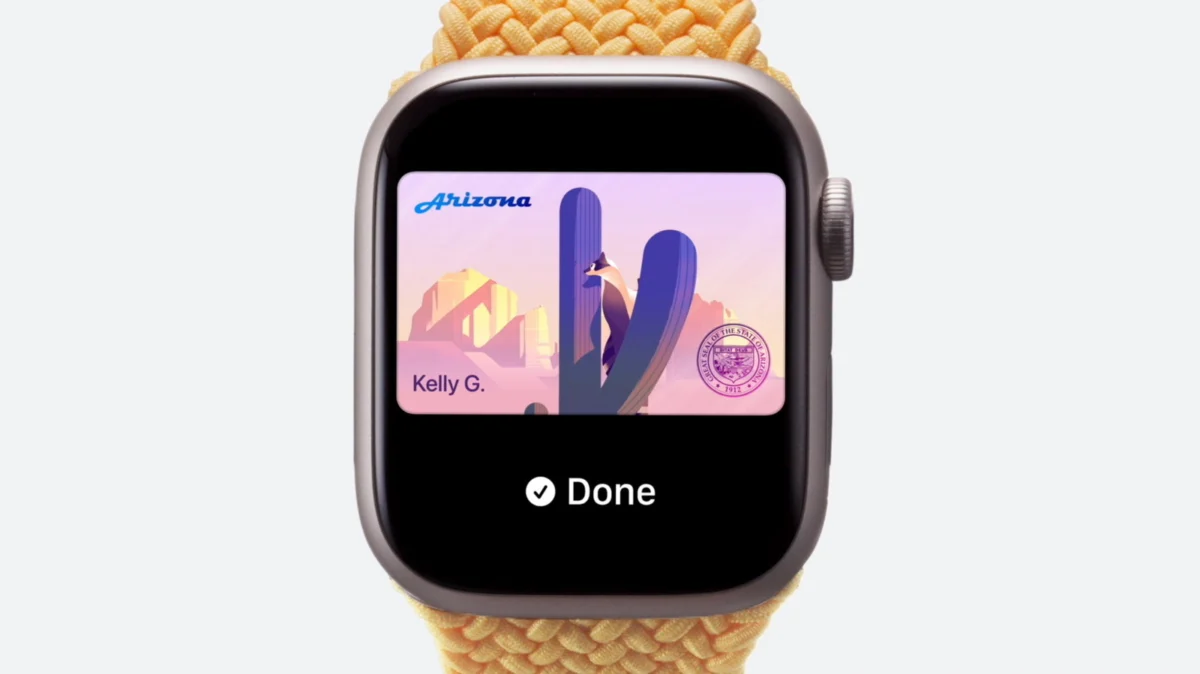
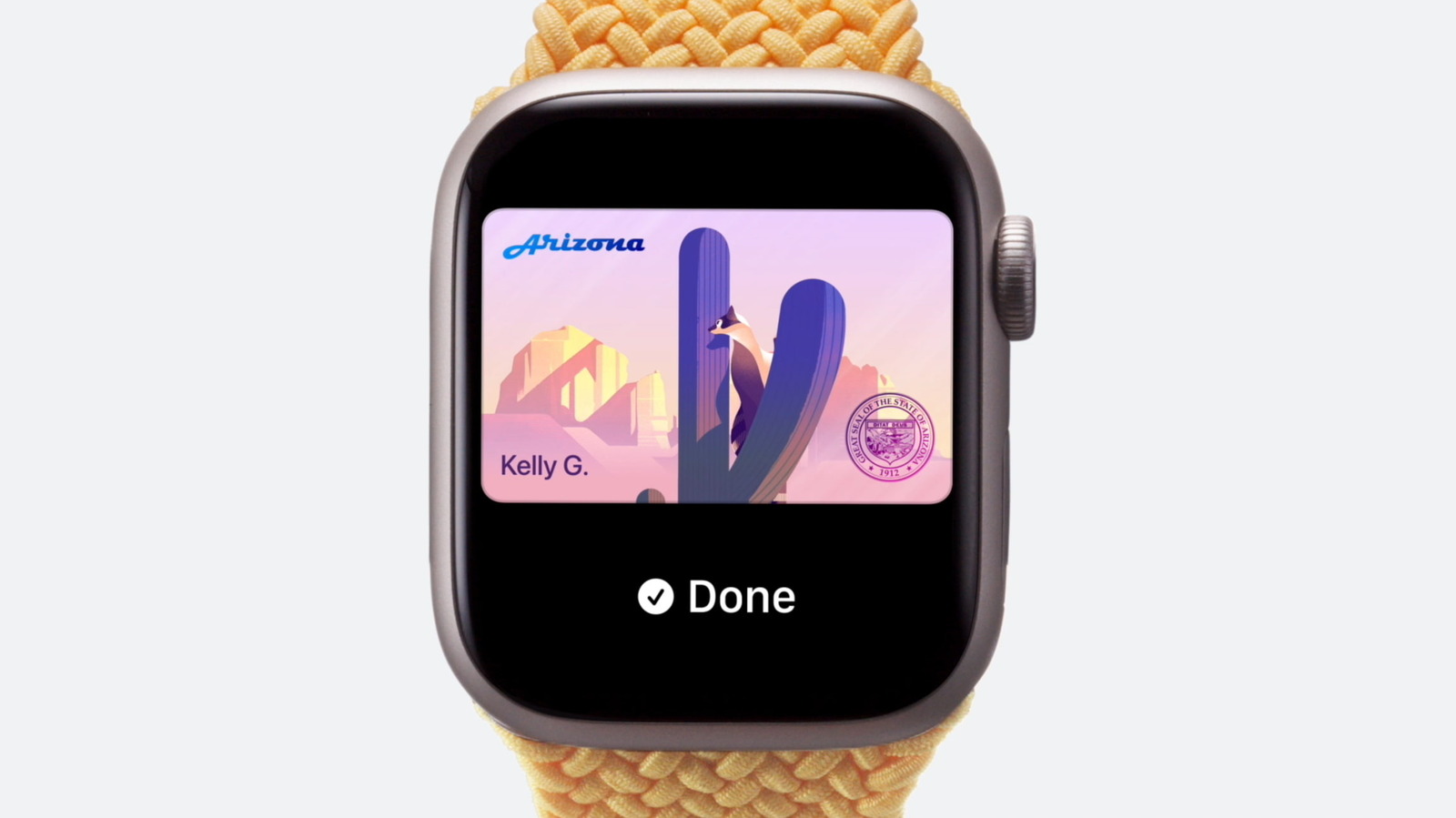
The physical wallet—once a bulging essential carried in every pocket—is undergoing a radical transformation. As smartphone technology matures, the "everything app" concept is becoming a reality, with the Apple Wallet leading the charge. Among the most significant advancements in this digital migration is the ability to store state-issued driver’s licenses and identification cards directly on an iPhone or Apple Watch. This transition promises to streamline daily life, from navigating airport security to verifying one’s age at a local merchant, all while introducing a new paradigm for personal data security.
The Evolution of Digital Identity: A Chronology
The integration of government-issued IDs into the mobile ecosystem did not happen overnight. It is the culmination of years of collaboration between Apple, state motor vehicle departments, and federal security agencies.
- 2021: The Initial Rollout: Apple first unveiled the capability to add state IDs and driver’s licenses to Apple Wallet as part of its iOS 15 update. This announcement signaled a major shift, moving the iPhone beyond a tool for payments and boarding passes into the realm of official legal identification.
- 2022: Early Adoption: The program saw its first major test cases in states like Arizona and Maryland. The Transportation Security Administration (TSA) began piloting the technology at specific airport security checkpoints, allowing travelers to present their digital ID instead of a physical card.
- 2023–2024: Scaling and Standardization: As the technology proved reliable, additional states joined the initiative. The focus shifted from mere accessibility to refining the user experience—specifically, making the authentication process faster and more intuitive via Face ID and Touch ID.
- The Future Horizon: Looking ahead, the roadmap is clear. North Carolina has already committed to a multi-wallet rollout (Apple, Google, and Samsung) by early 2027, and states like Utah are reportedly in the final stages of integration, suggesting a nationwide trend toward a paperless, cardless future.
Mechanics: How to Digitize Your Identity
The process of digitizing a driver’s license is designed to be as secure as it is simple, yet it requires a rigorous verification process to prevent fraud.
The Setup Process
To add a license to your Apple Wallet, navigate to the Wallet app on your iPhone and tap the "Plus (+)" icon. From the list of available cards, select "Driver’s License or State ID." You will be prompted to select your state and then proceed to scan the physical document. Apple recommends a high-contrast, well-lit environment to ensure the optical character recognition (OCR) software can accurately capture the data on both sides of the card.
Biometric Verification
The most critical step is the identity proofing phase. The iPhone’s camera captures a series of images—a "Live Photo"—of the user. You may be asked to smile, tilt your head, or blink. This data is transmitted to the issuing state’s DMV, which performs a match against their records. This ensures that the person attempting to add the license is, in fact, the license holder. Once the state authority confirms the identity, the digital credential is pushed to your device.
Security and Privacy Protections
One of the most persistent concerns regarding digital IDs is privacy. Apple has built the system with a "privacy-by-design" philosophy. The digital license is stored in the device’s Secure Element, an encrypted chip that is isolated from the rest of the phone’s operating system.
Crucially, the interaction between your phone and a reader is localized. When you present your ID at an airport or a venue, your phone uses NFC (Near Field Communication) to transmit only the necessary data. If a bartender needs to verify your age, they receive a confirmation that you are over 21, but they do not necessarily see your home address, your full birth date, or your license number. Furthermore, Apple does not track when or where you use your ID, ensuring that your movements and habits remain private.
Supporting Data: Why Digital IDs Matter
The impetus for this shift is driven by three core pillars: convenience, efficiency, and security.
- Reduced Friction at TSA Checkpoints: In the current pilot programs, travelers at select airports no longer need to fumble for their wallet while holding luggage. By tapping their device against an identity reader, the traveler’s identity is verified instantly against their flight booking. This reduces the average time spent in the ID check lane by significant margins.
- Fraud Mitigation: Physical cards are susceptible to theft, loss, and sophisticated forgery. A digital ID, by contrast, is tethered to biometric authentication (Face ID/Touch ID). If a phone is stolen, the license cannot be accessed without the owner’s face or fingerprint. If the device is lost, it can be remotely wiped via the "Find My" feature, rendering the ID useless to unauthorized parties.
- Data Minimization: Traditional IDs are "all-or-nothing" documents. To prove you are 21, you must hand over a card that contains your height, weight, home address, and donor status. Digital IDs allow for "selective disclosure," where only the required attribute is shared, significantly reducing the risk of identity theft during routine age-verification tasks.
Official Responses and Industry Perspectives
State DMVs have been cautious but optimistic. The transition requires a massive overhaul of backend database infrastructure to support real-time, secure communication with Apple’s servers.
"We are moving toward a future where the physical card is an optional backup, not the primary necessity," says one state transportation official. "However, the primary challenge remains interoperability. We want to ensure that a digital license issued in one state is recognized by the scanners in another."
Apple’s official stance emphasizes that they are merely the "platform provider." The state authorities remain the "source of truth." Apple provides the encrypted container and the interface, but the legality and validity of the document remain under the jurisdiction of the state government.
Implications for the Future of Personal Identification
The implications of this technology extend far beyond the convenience of leaving your wallet at home.
The Shift in Law Enforcement
One of the most debated aspects is how law enforcement will interact with digital IDs. While the current technology is focused on TSA and select retail environments, the potential for digital traffic stops is on the horizon. This would allow officers to scan a digital ID from a safe distance, reducing the need for close physical contact and the handling of documents.
The Challenge of Universal Adoption
Despite the benefits, the transition faces hurdles. Not all businesses have the necessary NFC hardware to scan digital IDs. For many smaller merchants, the cost of upgrading to a digital-ready scanner is a barrier. Furthermore, the legal landscape is fragmented; while some states are moving quickly, others have yet to introduce legislation to recognize digital IDs as equivalent to physical ones in all scenarios.
Digital Equity
There is also a societal concern regarding the "digital divide." Relying on smartphones for identification assumes that every citizen has access to a modern, compatible iPhone. Policymakers must ensure that the digital ID remains an option for convenience, not a mandate that disenfranchises those who cannot afford or choose not to use high-end mobile technology.
Conclusion
The integration of driver’s licenses into the Apple Wallet is a landmark moment in the digitization of modern society. It represents a rare intersection of heightened security, improved user experience, and technical sophistication. As we look toward the latter half of this decade, the physical wallet will likely become a relic of the past, replaced by the secure, biometric-locked capabilities of the smartphone. While the rollout remains a work in progress—constrained by state-by-state adoption and the need for new hardware infrastructure—the trajectory is clear: the future of identification is digital, encrypted, and increasingly integrated into the devices we carry every day.

 Laily UPN
 Lina Irawan