

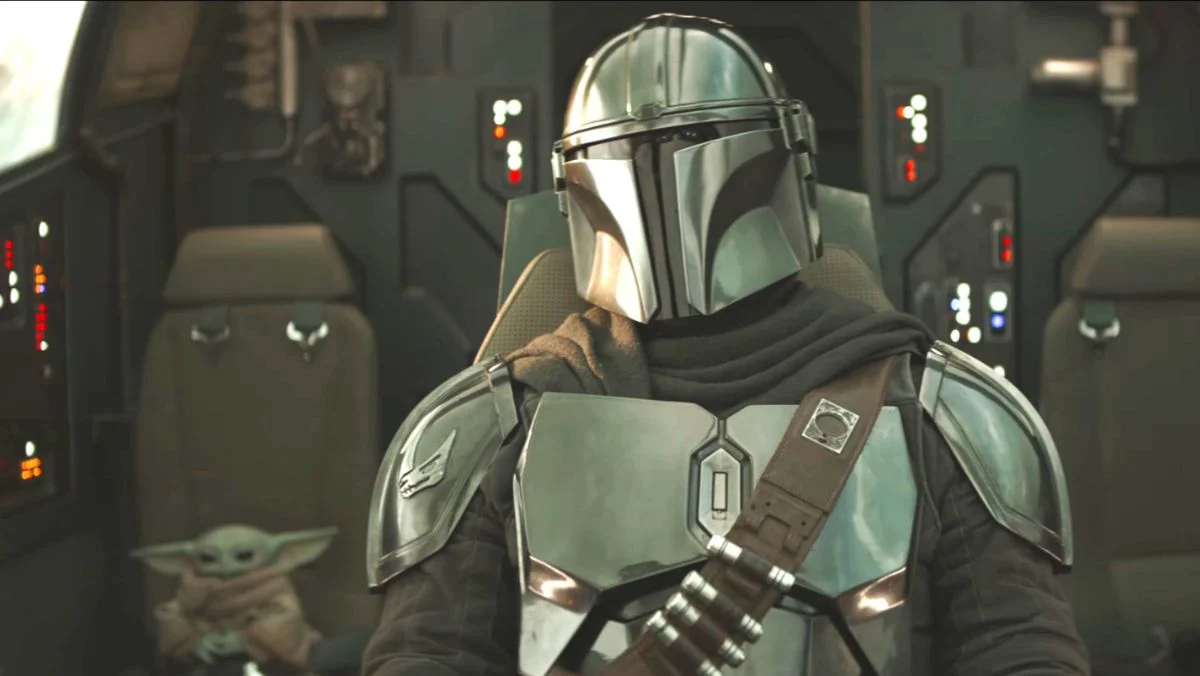
In the modern era of blockbuster filmmaking, few characters have achieved the cultural ubiquity of Din Djarin, the stoic protagonist of Lucasfilm’s The Mandalorian. For years, audiences have been captivated by the interplay between the character’s unwavering adherence to the "Way of the Mandalore" and the undeniable charisma of the man beneath the Beskar helmet, Pedro Pascal. As the franchise successfully made its transition from the small screen to the global stage in the feature film The Mandalorian and Grogu, the central question occupying the minds of fans and critics alike was simple: Would the film break the narrative tradition of the helmet, finally granting audiences a prolonged look at the face behind the mask?
The answer, as confirmed by the film’s theatrical release, is a definitive, albeit brief, yes. This article explores the circumstances surrounding this momentous cinematic reveal, the lore implications of the scene, and what it means for the future of the Star Wars galaxy.
Main Facts: The Reveal Heard Round the Galaxy
The central mystery surrounding The Mandalorian and Grogu—whether Pedro Pascal would physically appear on screen—has been resolved. In a pivotal moment of the film’s second act, the audience is indeed treated to a visual reveal of Pascal’s face.
The scene serves as a dramatic centerpiece, breaking a long-standing pattern in the series where Pascal’s contribution is primarily vocal or limited to high-stakes moments of vulnerability. While the franchise has historically used the helmet as a symbol of Din Djarin’s isolation and his commitment to his creed, the film utilizes this brief, unmasked moment to heighten the stakes of the conflict. By showing the man beneath the metal, the filmmakers bridge the gap between the character’s mythical status as a legendary bounty hunter and his human fragility.

Chronology: The Narrative Path to Exposure
To understand the weight of this reveal, one must track the sequence of events that led to the removal of the helmet. The conflict is initiated by "The Twins," the formidable aunt and uncle of Rotta the Hutt. In the film’s narrative arc, Djarin finds himself in direct opposition to these antagonists after he and the New Republic successfully intervene to prevent the abduction of Jabba the Hutt’s progeny.
Seeking to assert dominance and inflict maximum psychological humiliation, the Hutts orchestrate an ambush. They successfully capture Djarin and, in an act of calculated disrespect, forcefully remove his helmet. This action is designed to strip the Mandalorian of his identity and his religious standing, effectively "shaming" him before he is cast into a lethal pit containing a predatory Dragon Snake.
The subsequent sequence is a masterclass in tension. Having been rendered vulnerable, Djarin must navigate the immediate threat of the creature. However, in a turn of events that surprised many viewers, the Hutts eventually cast the helmet into the pit. This act of tactical hubris—returning the weapon to the warrior—allows Djarin to reclaim his identity, don the mask, and ultimately dispatch the threat. The transition from the vulnerable, unmasked man back to the cold, impenetrable warrior is a defining visual shift for the film’s climax.
Supporting Data: Lore, Creed, and the "Living Creature" Loophole
The Mandalorian’s adherence to his creed—specifically the vow that "no living thing" may see his face—has been a cornerstone of his character development since the pilot episode. The narrative tension in The Mandalorian and Grogu hinges on whether this forced removal constitutes a "break" of his vows.

Deep-dive analysis of the film’s dialogue and the specific phrasing of the Mandalorian code offers a fascinating insight. Djarin does not technically "remove" the helmet by his own volition; it is removed by his captors. Furthermore, the film provides a clever, albeit brutal, legalistic loophole: the vow prohibits the removal of the helmet in the presence of a "living creature."
As the scene concludes with the neutralization of the Hutts, the "living" requirement is effectively nullified. Because no sentient, living creature remains to bear witness to his face, Djarin’s honor remains technically intact. This narrative device allows the filmmakers to satisfy the audience’s desire for a reveal without dismantling the character’s established internal logic or moral arc. It is a testament to the writers’ ability to maintain the sanctity of the lore while delivering the fan-service that a cinematic production of this scale demands.
Official Responses and Creative Direction
While Lucasfilm has remained notoriously tight-lipped regarding specific plot points, the creative team, including director Jon Favreau and producer Dave Filoni, have previously indicated that the transition to film necessitated a "heightening" of emotional stakes.
In press junkets following the film’s release, it was noted that the decision to show Pedro Pascal’s face was not merely a concession to audience expectations but a narrative requirement for the film’s central conflict. "The film is about the weight of the mask," one source close to the production noted. "To understand the weight of the Beskar, you occasionally have to see the person who carries it."

Pedro Pascal himself has been vocal in previous interviews about the physical demands of the role. While his voice acting is the core of his performance, the moments of physical acting—often performed by body doubles like Lateef Crowder or Brendan Wayne—are seamlessly integrated with his own screen time to create a cohesive performance. The consensus from the studio is that these moments are meant to be rare, precious, and earned, ensuring that they do not lose their impact.
Implications: The Future of Din Djarin
What does this reveal signify for the future of the Star Wars franchise? Primarily, it confirms that the Mandalorian film series is willing to take risks with established canon to push the character into new territory.
- The Humanization of the Myth: By showing Djarin’s face, the film shifts the character’s trajectory from an archetypal "knight in shining armor" to a more complex, fallible human being. This invites future storylines that focus on his internal identity rather than just his external duties.
- The Breaking of the Creed: The scene demonstrates that Djarin’s faith is not static. Throughout the series, we have seen him struggle with the rigidity of his sect. His survival—and his decision to keep the helmet on despite the humiliation—suggests that his devotion is becoming more about personal choice than inherited obligation.
- The Role of Pedro Pascal: With Pascal’s career soaring due to projects like The Last of Us and his entry into the MCU, his limited screen time in the film is likely a practical necessity as much as a creative one. However, the film successfully balances his star power with the necessity of the character’s anonymity.
The brevity of the appearance—only one scene in the entire duration of the film—highlights the discipline of the creative team. By keeping the mask on for the vast majority of the runtime, they ensure that the audience remains focused on the "Mandalorian" as a symbol, rather than just the actor beneath the suit.
Conclusion
The release of The Mandalorian and Grogu marks a significant milestone for the Star Wars franchise. By navigating the complex intersection of fan expectation, lore consistency, and narrative impact, the filmmakers have managed to pull off a reveal that felt earned rather than gimmicky.

Din Djarin remains a figure of mystery, defined as much by his silence and his steel as by the man beneath the visor. While we now have the image of Pedro Pascal’s face seared into our collective memory of the film, it serves only to remind us that the true strength of the character lies in the commitment to his path. As the credits roll and the Mandalorian continues his journey alongside his young ward, Grogu, the mask is once again secure. The mystery endures, and for fans of the galaxy far, far away, that is precisely the way it should be.
The Mandalorian and Grogu is currently playing in theaters worldwide, inviting audiences to witness the next chapter of the most compelling bounty hunter in the galaxy. Whether you are a long-time devotee of the series or a casual fan, the film offers a masterclass in how to evolve a character while honoring the foundations that made them an icon in the first place.










No comments yet. Be the first to join the conversation!