

The traditional gatekeepers of Hollywood have long viewed the internet—specifically YouTube—as a breeding ground for viral, disposable content. However, a seismic shift in consumer behavior and creative talent has effectively dismantled this hierarchy. This weekend, the domestic box office tells a definitive story: the "YouTube-to-prestige-horror" pipeline is no longer an experiment; it is the industry’s most potent engine for growth.
Leading the charge is the blockbuster opening of Backrooms, a feature-length adaptation of Kane Parsons’ viral digital series. As the industry recalibrates, it is becoming clear that a new generation of filmmakers, raised on high-speed internet and algorithmic mastery, is rewriting the rules of cinematic success.
The Rise of the Digital Auteur: A New Box Office Paradigm
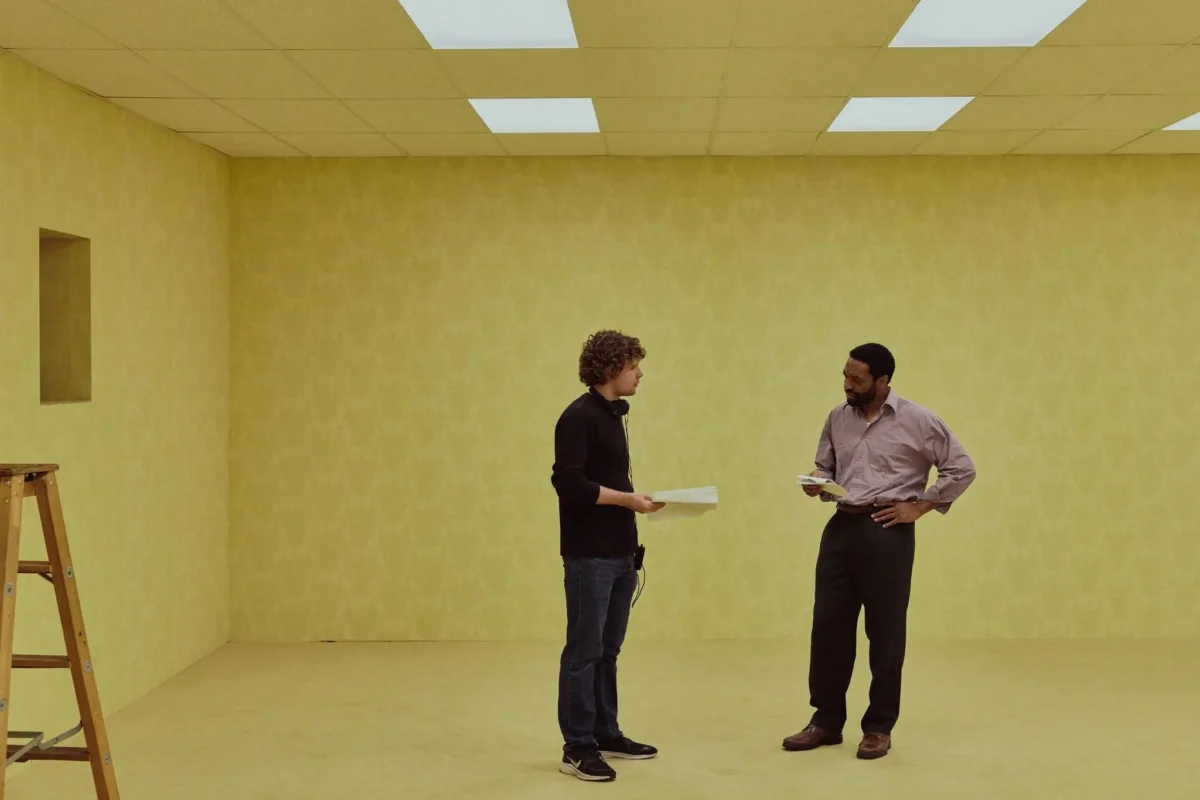
The most striking headline of the weekend belongs to A24’s Backrooms. Directed by 20-year-old Kane Parsons, the film—an expansion of his eerie, physics-defying "found footage" series based on internet creepypasta lore—has debuted to an estimated $81 million domestically.
This performance is not merely a success; it is a historic anomaly for the indie studio. To put the scale of this achievement into perspective, Backrooms has obliterated the previous A24 opening record, which was held by Alex Garland’s Civil War at $25.7 million. The sheer velocity of this opening suggests that the audience for YouTube-native storytelling has reached a critical mass, capable of driving theatrical attendance to levels previously reserved for established franchise IP.
The Anatomy of an Unprecedented Run
While Backrooms is commanding the headlines, the number two film, Obsession, is arguably staging a more impressive feat of endurance. Directed by Curry Barker, another YouTuber-turned-filmmaker whose breakout 2024 horror hit Milk & Serial signaled his potential, Obsession has defied the typical gravity of the theatrical release window.
In a market where most films see a 50 to 70 percent drop-off in their second weekend, Obsession is moving in the opposite direction. With an estimated $26.4 million this weekend, the film is continuing its trajectory of growth. According to The Hollywood Reporter, Obsession has become the first film since 1982 to see an increase in gross revenue during both its second and third weekends of release. This level of word-of-mouth sustainability is unheard of in the modern era, outside of holiday-boosted releases.
Chronology: From Viral Videos to Silver Screen Success
The transition from digital screens to the multiplex has been a steady, if often overlooked, evolution.
- The Early Forays: Years ago, YouTube creators struggled to translate their specific brand of "direct-to-camera" engagement into narrative features. Many early attempts by digital stars to pivot to traditional film were met with lukewarm critical and commercial receptions.
- The Gaming Catalyst: The landscape began to shift with the release of Iron Lung earlier this year. Directed by Mark Fischbach—better known to his 36 million-plus subscribers as Markiplier—the film proved that a niche, low-budget adaptation could punch well above its weight, grossing nearly $41 million domestically.
- The Horror Pivot: Following Iron Lung, the industry saw a trend toward high-concept, low-budget horror. By utilizing the "found footage" format, creators like Parsons and Barker were able to lean into the aesthetic familiar to their audiences while utilizing the cinematic scale afforded by major studio partnerships.
- The Current Weekend: The current box office landscape marks a tipping point. Backrooms and Obsession have now outperformed major franchise staples, including the latest Star Wars entry, The Mandalorian and Grogu, which is tracking at $24 million—a fraction of the performance of the YouTube-native horror offerings.
Supporting Data: Why Audience Loyalty Matters
Critics and analysts have spent the week dissecting why this particular cohort of filmmakers—Parsons (20), Barker (26), and Fischbach—is succeeding where others have failed. The answer, according to industry experts, lies in the concept of "long-term audience cultivation."
Mark DelVecchio, general manager at Rutgers Cinema, recently noted in The New York Times that the "YouTube-to-filmmaker boomlet" is not a product of luck. "Lots of YouTubers have tried to make the leap to mainstream movies and come up short," DelVecchio stated. "What sets [these directors] apart is their longevity."
Metrics of Success
- Audience Retention: Unlike traditional directors who must build an audience for every new film, these creators enter the market with a "pre-sold" base of millions of subscribers who have followed their creative journey for years.
- Budgetary Efficiency: By working with lean, digital-native production workflows, these creators have mastered the art of maximizing visual impact on modest budgets, providing studios with high return-on-investment (ROI) margins.
- Algorithmic Literacy: These filmmakers understand the nuances of pacing and engagement that keep modern viewers hooked. They are not adapting to the medium of film; they are bringing the lessons of the medium of the internet to film.
Official Responses and Industry Implications
The major studios are clearly watching. The success of A24 with Backrooms has signaled to other studios that investing in "native digital talent" is a viable path to diversifying their slates.
Curry Barker’s career trajectory is perhaps the clearest indicator of this shift. Following the success of Obsession, Barker has already completed his next feature and has been tapped to direct a high-profile remake of the horror classic The Texas Chainsaw Massacre. This move signals a transition from "Internet Star" to "Studio Asset," a path that was once blocked by a thick glass ceiling.
The Competitive Landscape
The fact that these films are outperforming The Mandalorian and Grogu—a project backed by one of the most powerful intellectual properties in history—cannot be overstated. It suggests that modern audiences are increasingly prioritizing "newness" and "authenticity" over established legacy franchises. When a film from a 20-year-old YouTuber out-earns a flagship Disney property, the traditional Hollywood marketing model is forced to undergo a radical reappraisal.
The Future of the "YouTube-to-Film" Pipeline
As we look toward the remainder of the year, the question is no longer whether YouTube creators can make movies, but how many they will be allowed to make. The barrier to entry has effectively collapsed. However, this raises new questions about quality control and the longevity of this trend.
Will the market become oversaturated with "internet-style" horror? Or will these creators leverage their success to branch out into other genres?
For now, the audience has spoken. They are showing up in droves, not because of massive marketing campaigns or nostalgic IP, but because they have a parasocial connection to the creators behind the camera. As one observer noted, the experience of watching Obsession in a packed theater is visceral—it is a collective, terrifying, and deeply satisfying experience that feels fundamentally different from the polished, often sterile blockbusters of the last decade.
The pipeline is open, and for the first time in history, the next generation of visionary directors isn’t coming from film schools in Los Angeles or New York. They are coming from their bedrooms, equipped with a camera, a laptop, and a decade’s worth of direct feedback from the world’s largest audience.
Disclaimer: This report contains links to affiliate partners. TechCrunch may earn a small commission on purchases made through these links, which helps support our independent journalism. This article was updated on May 30 to reflect the latest verified box office performance figures.












No comments yet. Be the first to join the conversation!