Pevita Pearce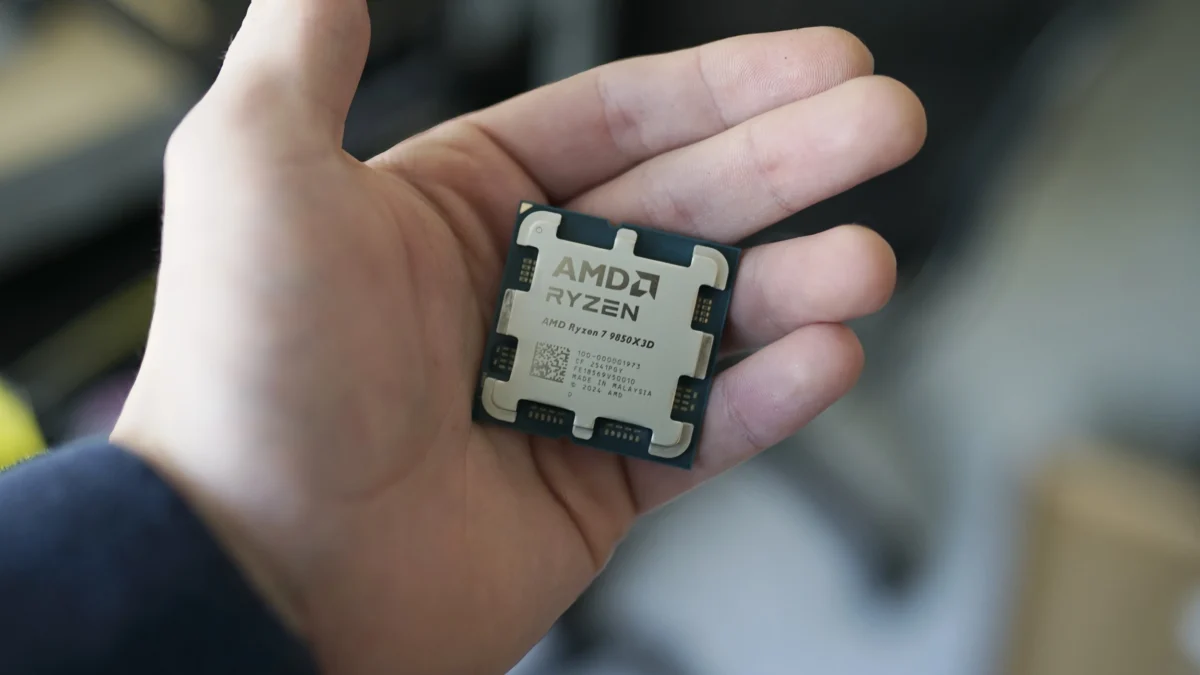
In a case that reads like a high-stakes corporate espionage thriller, a Customs and Border Protection (CBP) supervisor has been arrested and charged by the FBI for orchestrating a sophisticated, multi-month scheme to cannibalize government-owned hardware for personal financial gain.
Terry “Jiajia” Liu, stationed at a border facility in Calais, Maine, stands accused of systematically looting dozens of high-performance workstations. The operation, which involved swapping cutting-edge Intel processors and memory modules for inferior, low-cost alternatives, has left federal authorities with a massive recovery bill and serious questions regarding internal security protocols.
The Scope of the Operation: A Calculated Theft
According to investigative reports, the scale of the theft was substantial. Liu allegedly targeted at least 46 separate Department of Homeland Security (DHS) computers across three distinct border facilities in Maine. The equipment targeted included top-tier Intel 14th Generation "Raptor Lake Refresh" processors, high-speed memory modules, and high-capacity hard drives—components essential for the complex data processing required at border security stations.
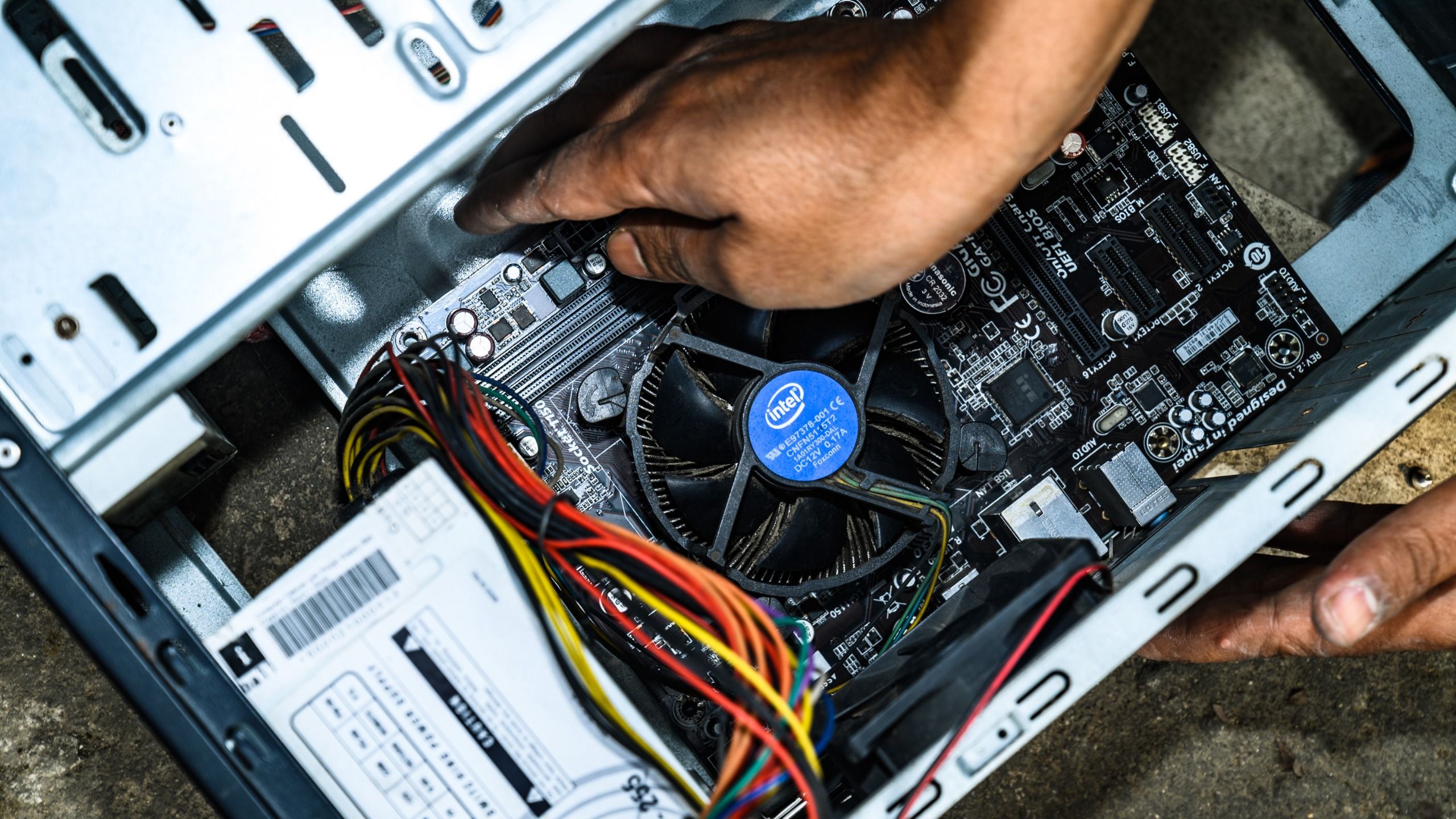
Rather than merely removing the parts, Liu engaged in a "swap" operation designed to delay detection. By replacing the high-end hardware with older, sluggish, or "downgraded" components—in some cases, swapping modern chips for obsolete Pentium-class processors—Liu ensured that the machines remained functional, albeit significantly crippled in performance.
Chronology of the Scheme: From May 2025 to Discovery
The timeline of the operation reveals a calculated and persistent effort. Records indicate that the illicit activity occurred over a 14-month period, beginning in May 2025 and continuing until July 2026.
- May 2025: The operation begins. Liu begins removing high-end processors during the quiet of the midnight shift.
- Late 2025 – Early 2026: The frequency of the swaps increases. Liu utilizes training rooms as a staging ground, using basic tools to scrape thermal paste and extract components.
- Ongoing: During this period, Liu repeatedly uses an official CBP email address to communicate with the retailer Newegg, facilitating the trade-in of the stolen goods.
- July 2026: The scheme collapses as internal investigators identify discrepancies in hardware configurations across multiple stations.
- Post-Discovery: Following a confrontation with investigators, Liu admits to the thefts, initially attempting to frame the actions as "performance improvements" before conceding that the machines were intentionally degraded.
The Role of Newegg’s Trade-In Program
Perhaps the most peculiar aspect of the case was Liu’s choice of "fence." Instead of attempting to list the stolen, high-end Intel processors on illicit dark-web marketplaces or public forums where they might be flagged, Liu leveraged the legitimate trade-in program offered by the major retailer Newegg.
Investigators discovered a digital paper trail consisting of 13 emails sent between Liu’s personal account and his official government email. These messages contained the necessary shipping labels and trade-in receipts for the hardware. The financial data is equally damning: between May 2025 and July 2026, Liu completed 16 separate trade-ins of Core i7 Raptor Lake Refresh chips.
The payout for this effort was relatively modest compared to the damage caused. Newegg’s trade-in credits ranged from $200 to $210 per unit. Forensic accounting linked three of these $200 credits directly to Liu’s American Express statements, providing federal agents with a clear financial link to the stolen government property.
Official Restrictions and the Defiance of Authority
The breach is particularly egregious given that Liu was explicitly warned against tampering with hardware. Port Director Theodore Cummings had issued a direct, written order to Liu: "Please do not move any computers or computer parts."
Liu’s official role was limited to IT support, a position that, while granting access to the systems, did not authorize the modification or removal of components. Surveillance footage—a critical piece of evidence in the government’s case—captured Liu brazenly ignoring these directives. The cameras recorded the supervisor opening computer chassis during the midnight shift, carefully extracting components, and placing them into desk drawers. In one notable clip, Liu is seen utilizing a screwdriver to perform manual maintenance on a processor, highlighting the premeditated nature of the theft.
The Cost of Negligence: Financial and Operational Impact
The fallout from this case is far-reaching. While the immediate loss of the hardware is problematic, the operational cost to the Department of Homeland Security is severe.
Estimates suggest that merely restoring the stolen hardware to its original, functional state will cost the agency approximately $20,460. However, the cost of a full restoration—replacing all 46 compromised machines with hardware equivalent to the original, high-performance specifications—is projected to reach $105,800.
These figures do not account for the "soft costs" of the crime. The labor-intensive process of reconfiguring 46 workstations, verifying their integrity, and ensuring that no malicious software was introduced during the hardware swaps represents a significant drain on IT resources at a critical government facility.
Implications for Internal Security
The case has sparked a debate regarding the security of internal IT infrastructure. If a single supervisor, explicitly warned against handling hardware, can access and dismantle 46 machines over 14 months without being stopped, it suggests a profound failure in oversight.
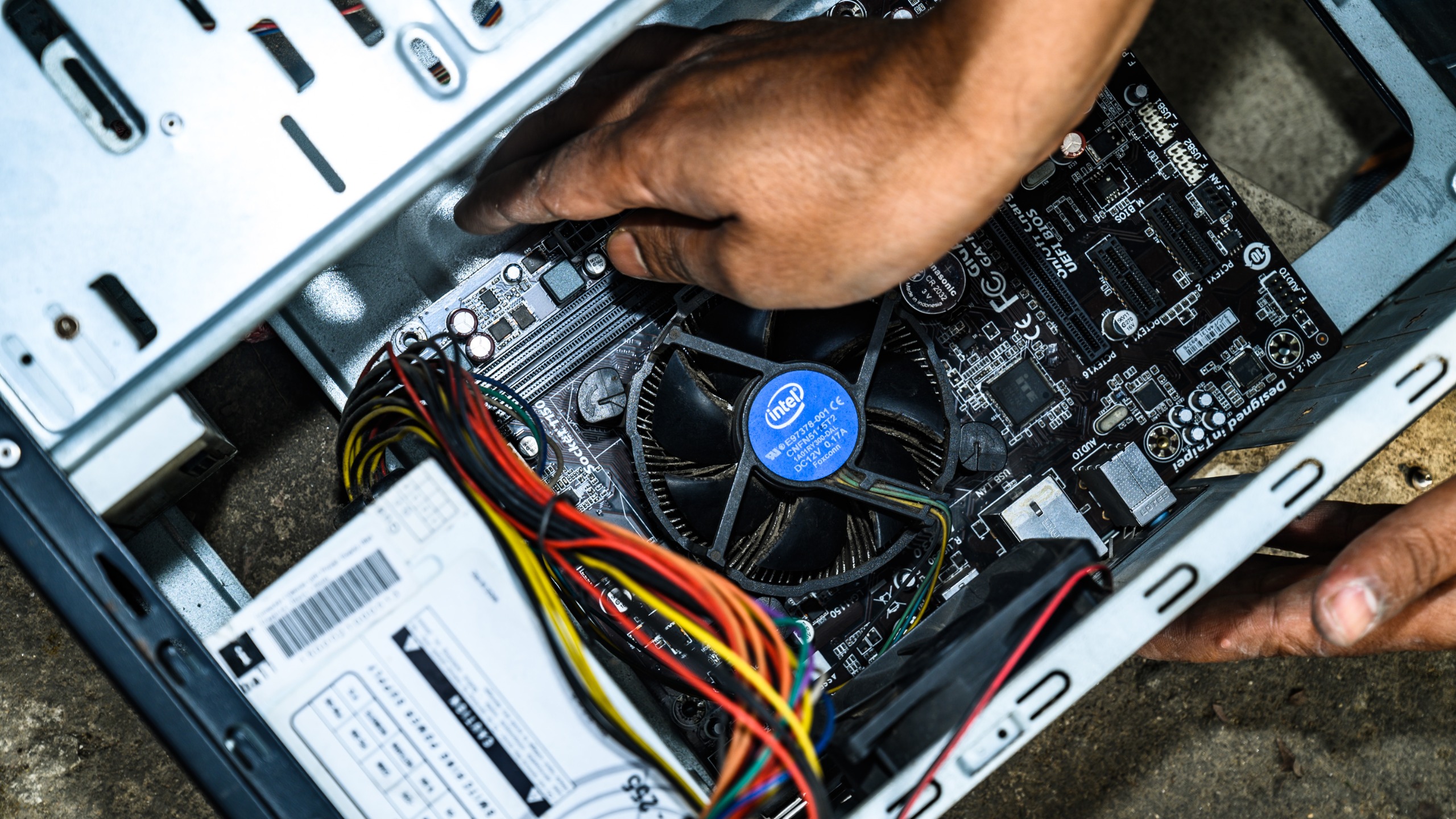
For the tech community, the incident serves as a cautionary tale about the importance of hardware inventory management. The ability of a bad actor to swap modern processors for legacy hardware and hide the trail through legitimate trade-in programs highlights a vulnerability in how large organizations track their hardware assets.
Furthermore, the case raises questions about the "insider threat" model. Standard security protocols often focus on preventing external hacking or unauthorized access to networks, but they are frequently less prepared to handle the physical theft of internal components by individuals with legitimate access.
A Confession and the Path Forward
During his interview with federal authorities, Liu eventually dropped his initial defense that he was "improving" the machines. Faced with the reality of the forensic evidence, he admitted to purchasing cheaper parts from Amazon and Newegg to mask the missing components.
The admission of guilt regarding the degradation of government equipment has effectively destroyed any defense that the actions were well-intentioned. As the investigation continues, the focus will likely shift to how such an extensive breach could persist for over a year without detection.
For now, the computers at the Calais, Maine border station remain a testament to the risks posed by those who exploit the very systems they are tasked with maintaining. The case serves as a stark reminder that in the world of high-end computing, security is only as strong as the person holding the screwdriver.
As the legal proceedings unfold, the DHS will be forced to undergo a rigorous auditing process, ensuring that every piece of hardware across its facilities is accounted for, leaving no room for the kind of brazen manipulation that defined the "Jiajia" Liu case.


 Reynand Wu
 Basiran