Suro Senen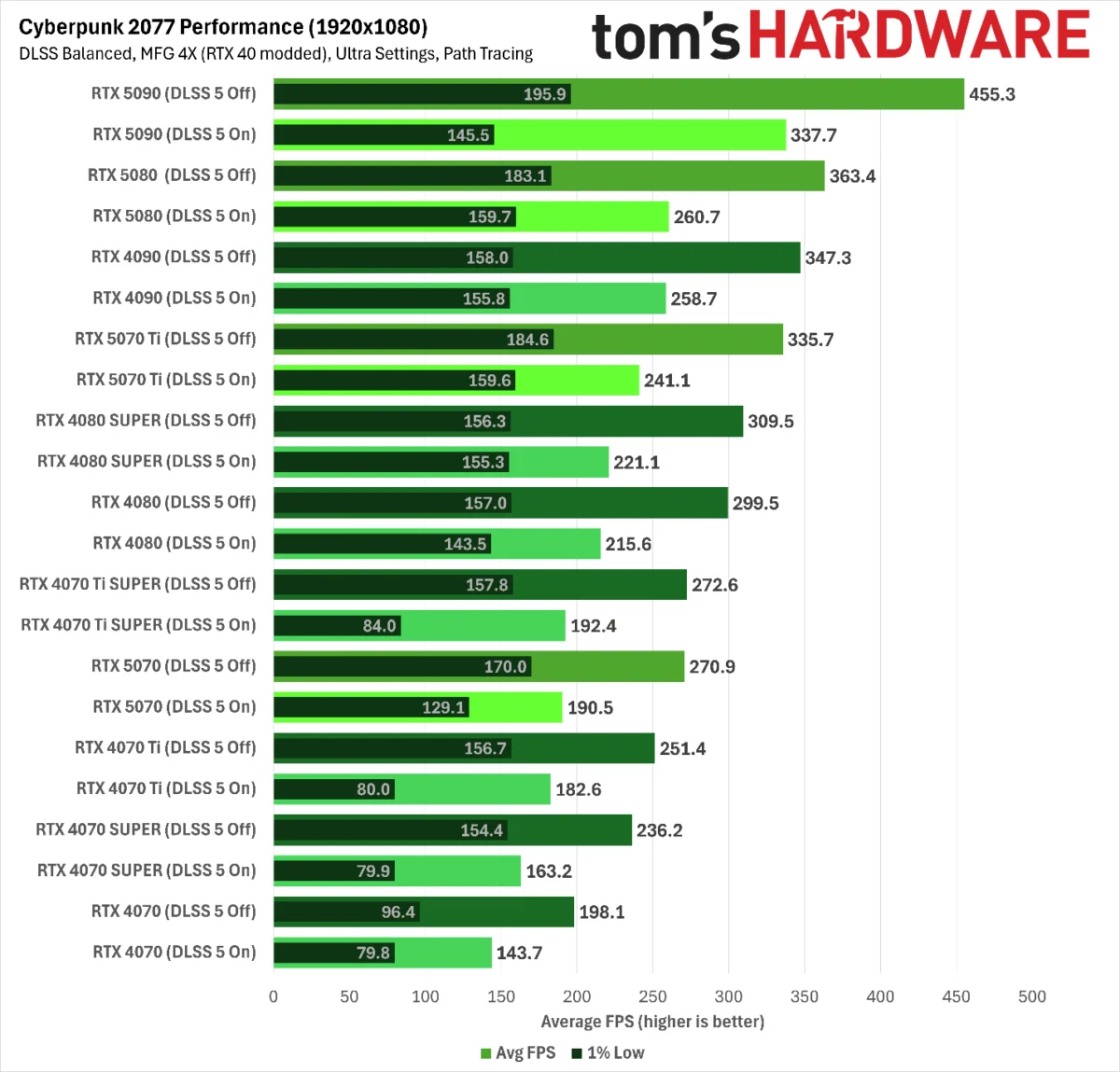
The landscape of PC gaming hardware is currently defined by a tug-of-war between aggressive technological gatekeeping and the relentless ingenuity of the modding community. Recently, a significant shift has occurred: the "crown jewel" feature of Nvidia’s new Blackwell-based GeForce RTX 50-series graphics cards—Multi Frame Generation (MFG)—has been successfully ported to the previous-generation Ada Lovelace architecture (RTX 40-series).
This development, spearheaded by modder dashdogy, challenges the narrative that such advanced frame-doubling technologies are hardware-locked due to fundamental silicon-level incompatibility. As hardware costs climb and the barrier to entry for the latest flagship GPUs continues to rise, this mod offers a glimpse into a future where performance longevity is defined by software capability rather than planned obsolescence.
The Core Discovery: Unlocking Blackwell’s Secret
The catalyst for this breakthrough was the discovery of specific DLL files within a prerelease version of NBA 2K27. These files contained the architectural blueprints for Nvidia’s Multi Frame Generation, a technology previously marketed exclusively to the RTX 50-series as a defining generational leap.
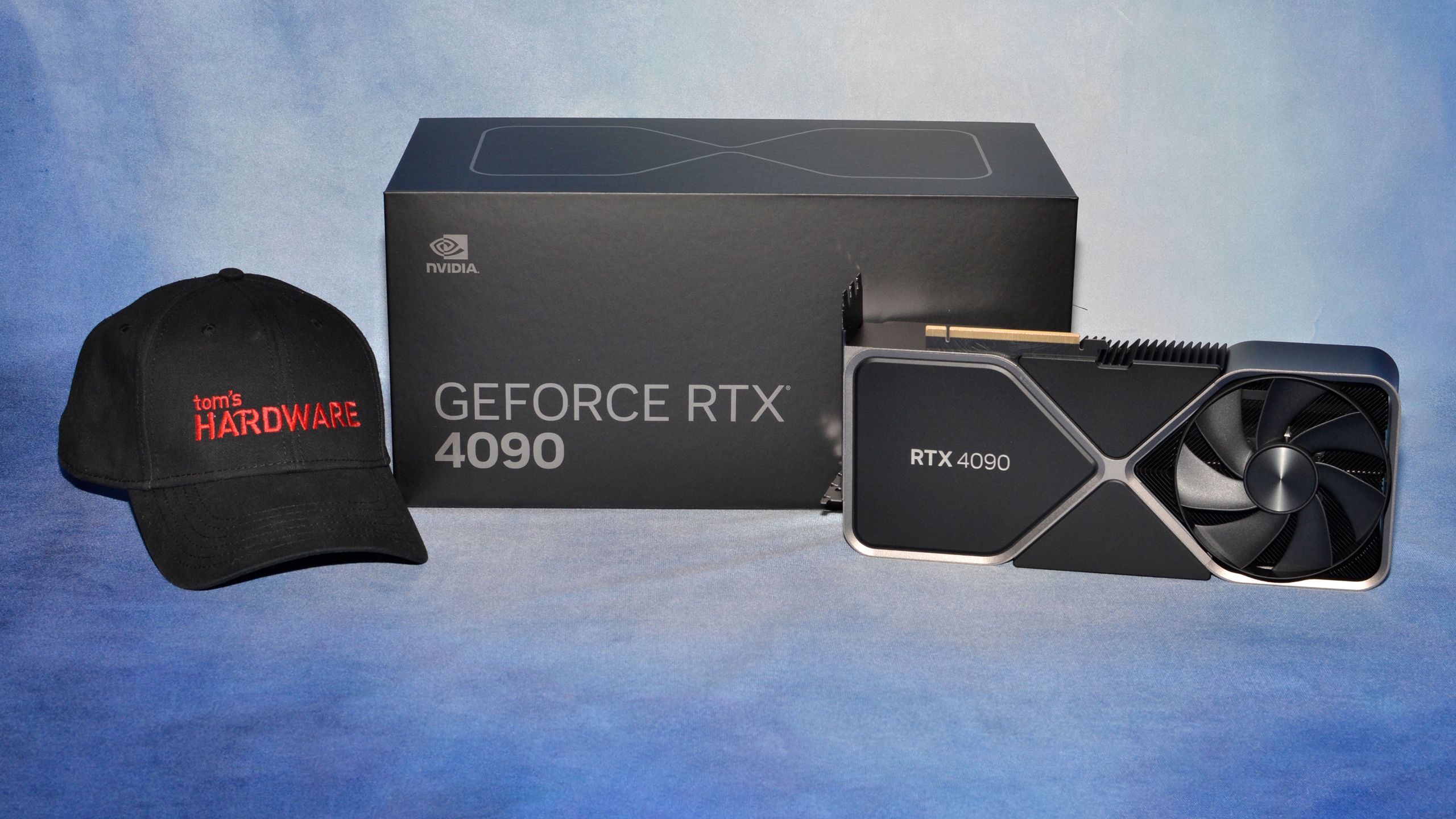
By reverse-engineering these assets, dashdogy developed a method to inject this functionality into the Ada Lovelace (RTX 40-series) ecosystem. The mod, which is currently available via GitHub, allows users to push frame generation multipliers beyond the standard 2X limit, potentially enabling 4X frame generation on older hardware. For the average PC gamer struggling with the high cost of upgrading, this represents a potential "free lunch"—a way to artificially inflate smoothness in demanding titles like Cyberpunk 2077 without reaching for a credit card.
Chronology of the Modding Effort
The timeline of this project moves at the breakneck pace typical of the modern "Wild West" of PC optimization.
- Initial Discovery: Data miners identified the DLL files for MFG in the NBA 2K27 preview build.
- Proof of Concept: Modders immediately began testing whether the instructions within the DLL were compatible with the Tensor cores found in the RTX 40-series.
- The Cyberpunk 2077 Implementation: Using CD Projekt Red’s masterpiece as a primary testbed—given its status as a technological benchmark—testers confirmed that the game’s engine successfully registered the MFG instructions, resulting in a visible, immediate increase in frame output.
- Iteration and Refinement: Initial versions required complex setups involving ReShade to manage the frame injection. As of this week, newer, more streamlined versions have emerged, attempting to remove the reliance on third-party overlays, though these remain in a state of "unstable development."
Performance Analysis: The "Smoothness" vs. "Latency" Paradox
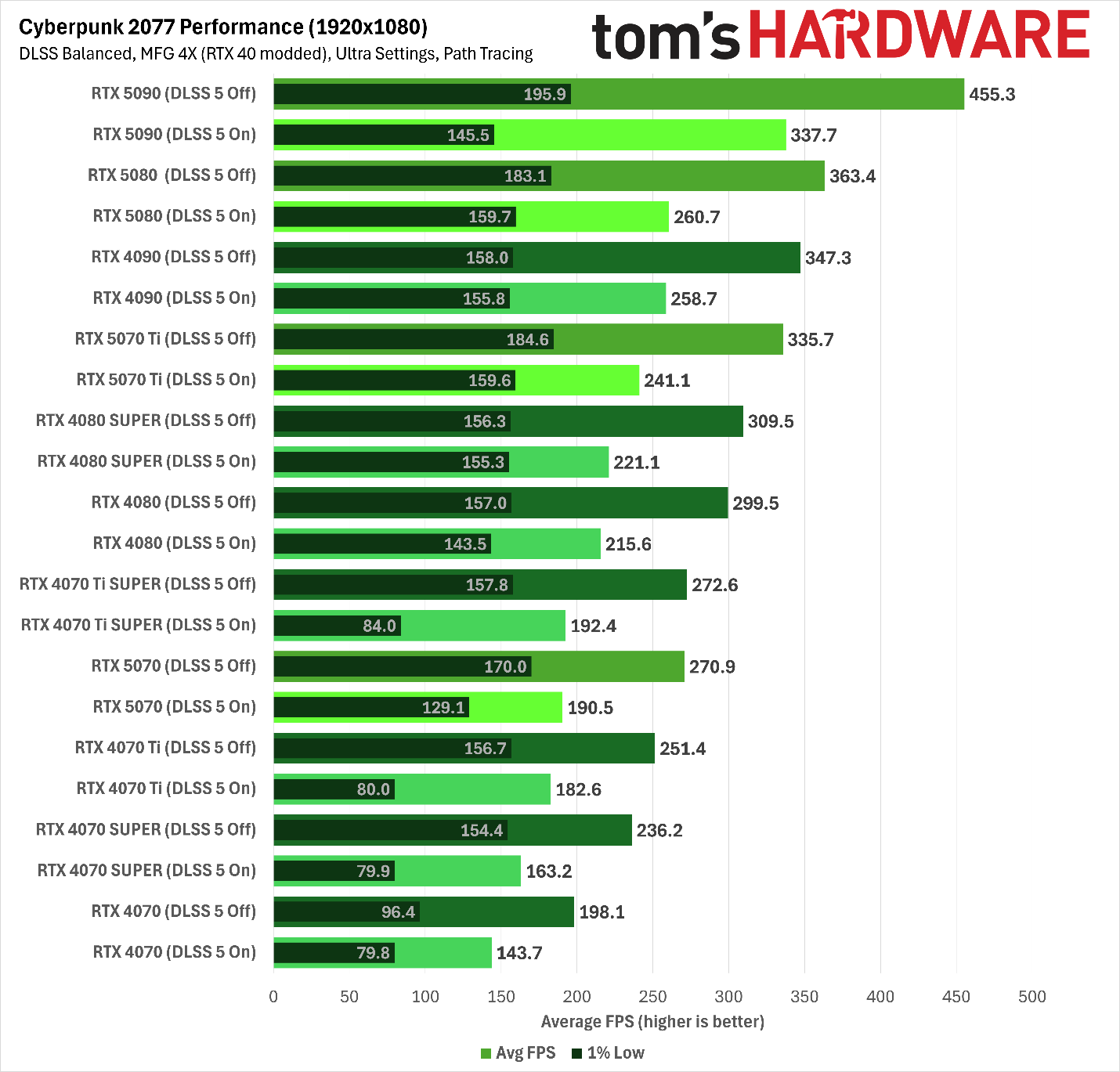
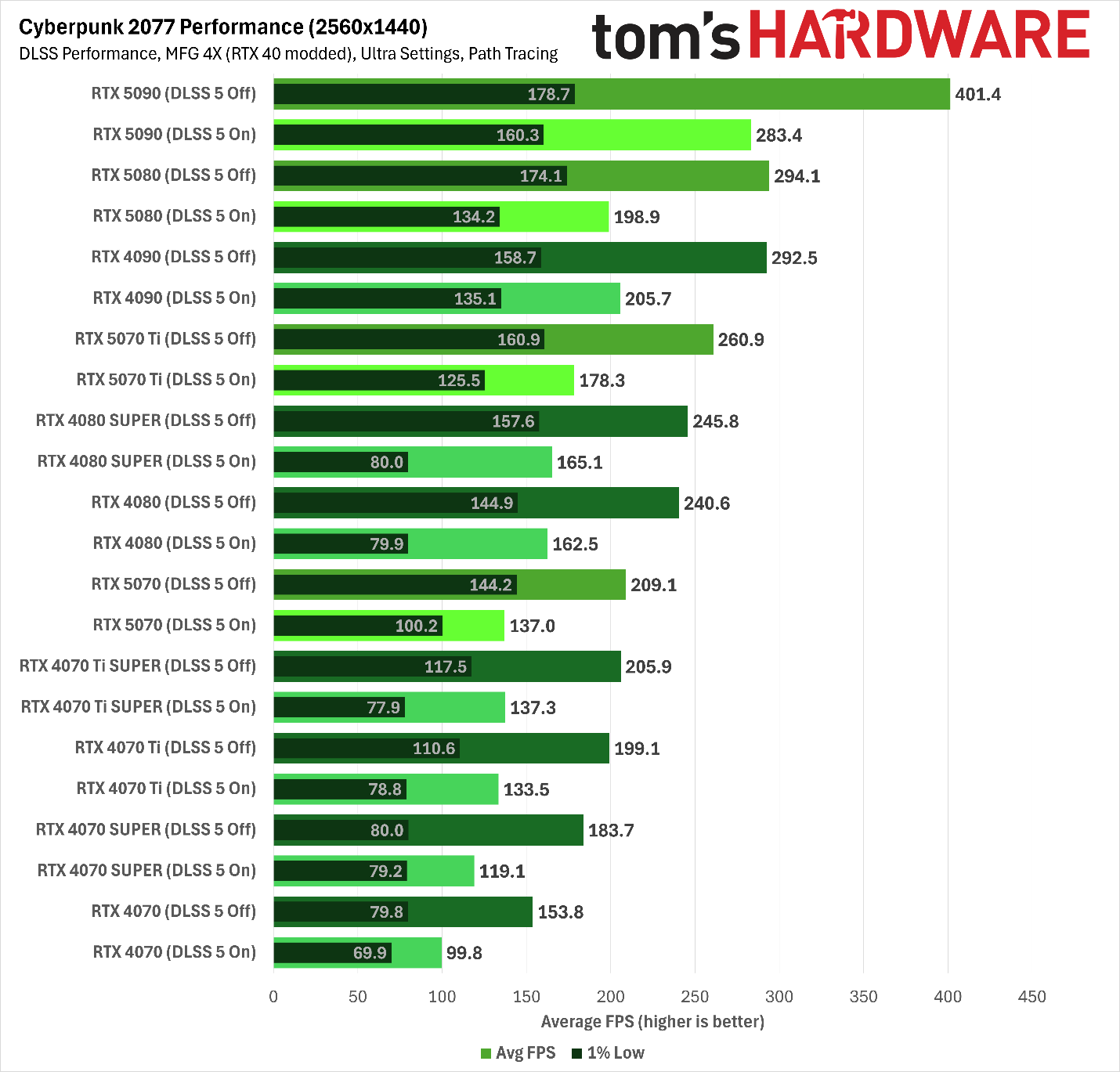
To understand whether this mod is truly a viable solution for gamers, we conducted a rigorous test bench analysis. We focused on the RTX 4090 down to the RTX 4070, pushing these cards through the most demanding rendering scenarios possible: maxed-out rasterization, path tracing, and the addition of DLSS 5.
The Latency Question
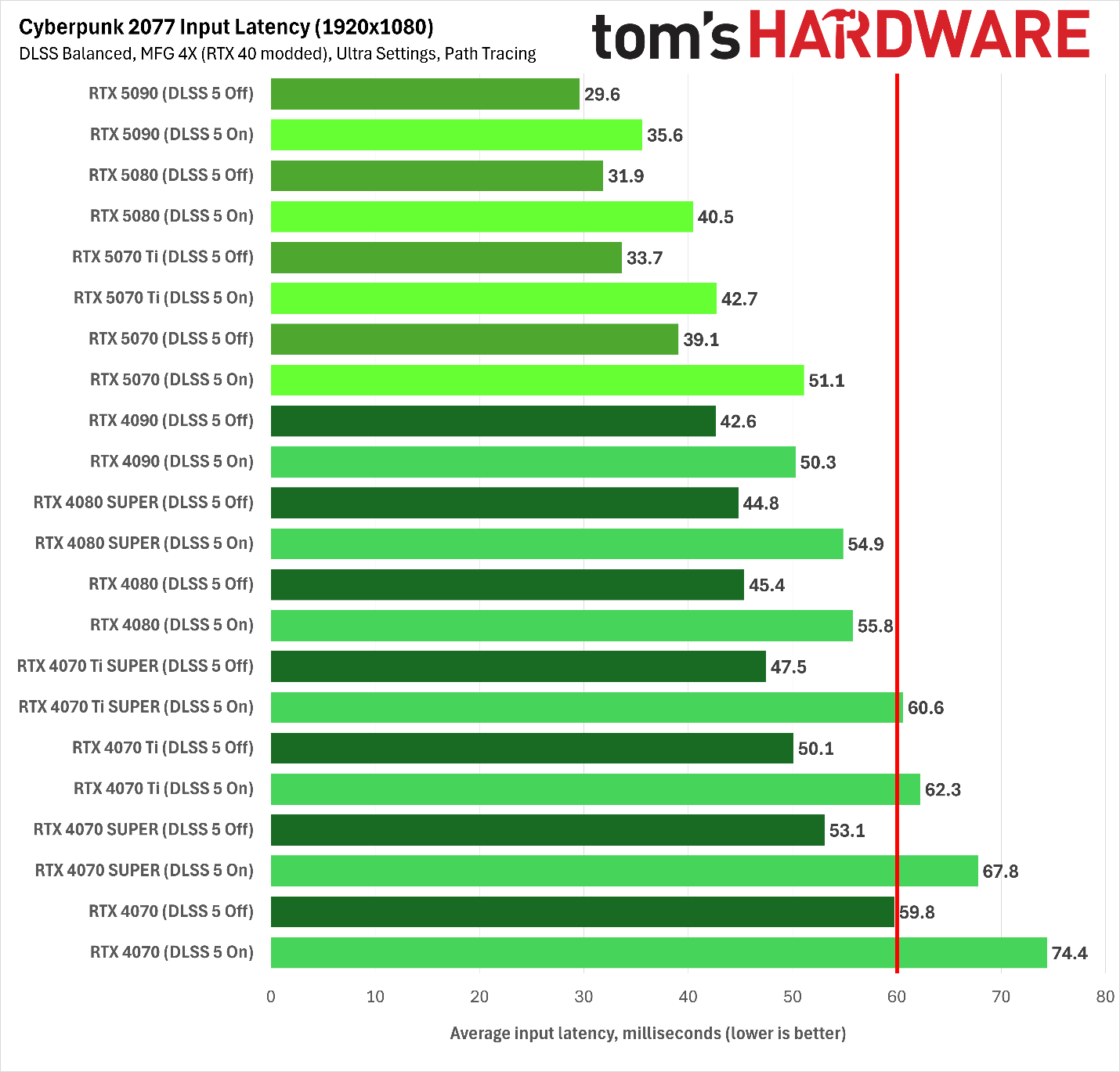
The most critical metric in any frame generation discussion is not the raw frame count, but input latency. Frame generation creates new frames based on motion vectors, but it does not process user input. If the "base" frame rate is too low, the latency between a mouse click and the action on screen becomes agonizingly high.
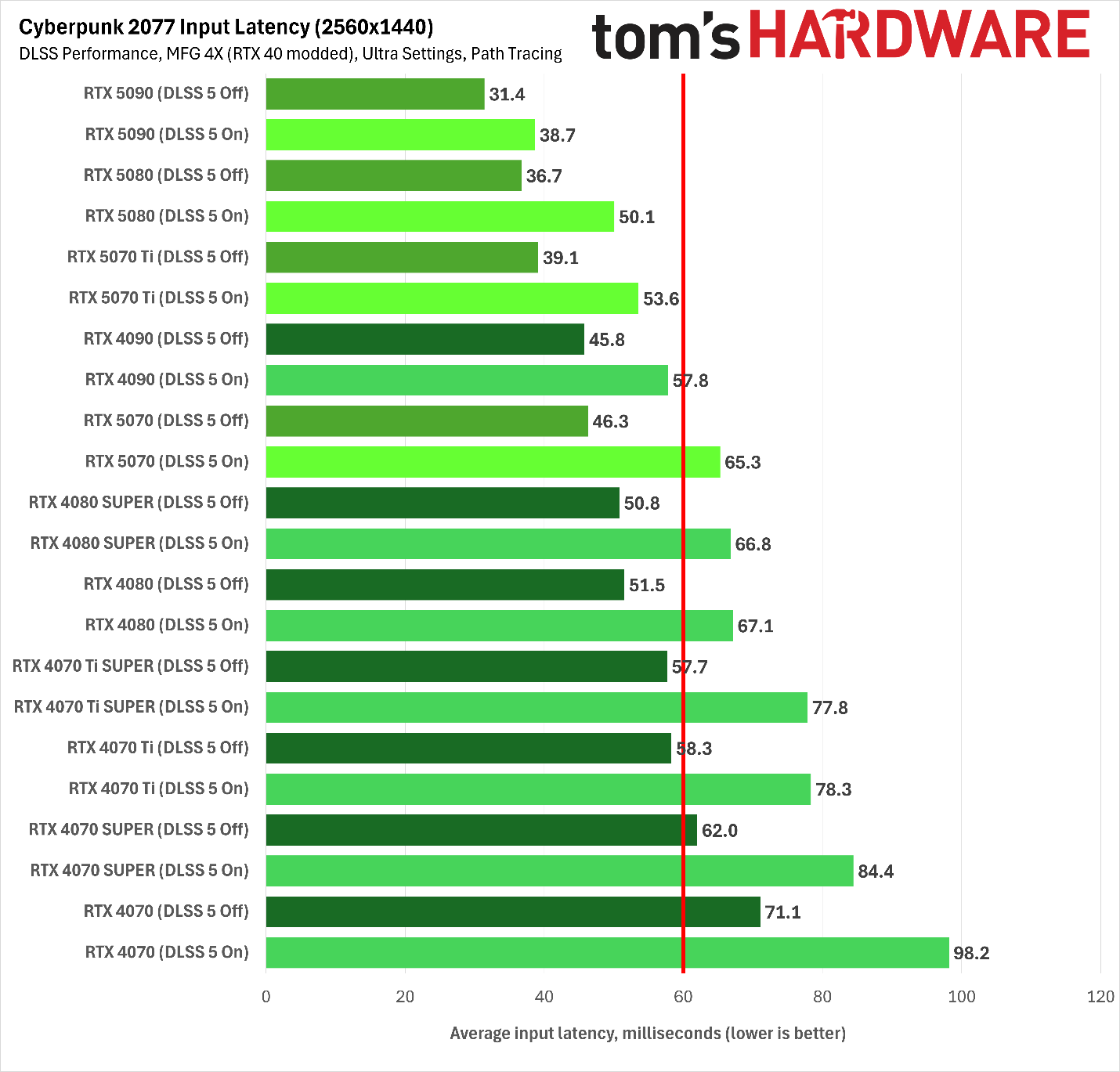
Our testing established a 60ms threshold as the "point of no return" for AAA gaming. We found that:
- MFG 4X Alone: In most scenarios, the RTX 40-series cards remained under this 60ms threshold.
- The DLSS 5 Factor: When we introduced a DLSS 5 mod to the mix, latency spiked. Only the higher-end cards (RTX 4090 and 4080) maintained acceptable responsiveness at 1440p and 4K resolutions.
- The 1440p Anomaly: We observed an unusual, reproducible latency spike at 2560×1440. While we are still investigating the root cause, it suggests that the mod is not yet perfectly optimized for all resolution pipelines, a hallmark of unofficial, community-driven software.
Visual Artifacts
MFG is not magic; it is an AI approximation. When pushed to 4X, we noticed "visual junk"—small, flickering artifacts—at the bottom of the screen. These are identical to the artifacts observed on native RTX 50-series hardware, confirming that the mod is indeed utilizing the underlying neural models exactly as Nvidia intended, rather than simply "faking" the motion.
Official Responses and Industry Context
To date, Nvidia has remained silent regarding the specific capability of Ada cards to run Multi Frame Generation. The company has historically maintained that their newer features require specific hardware blocks (like the dedicated AI acceleration found in the Blackwell architecture).
However, the fact that this mod works with minimal stability issues suggests that the "exclusivity" of MFG may be more of a marketing strategy than a hard engineering requirement. By keeping these features locked to the latest generation, manufacturers create a strong incentive for users to upgrade. If the community can prove that older silicon is perfectly capable of running these models, the pressure on Nvidia to justify these software walls will inevitably increase.
Implications for the Future of PC Gaming
This situation presents several far-reaching implications for the industry:
1. Extending the Lifecycle of Hardware
If an RTX 4070 can continue to deliver high-frame-rate experiences through software-side updates like MFG and DLSS 5, the incentive to upgrade every two years diminishes significantly. This is great for the consumer but poses a challenge to the traditional hardware sales model, which relies on a cycle of constant, marginal performance improvements.
2. The "Wild West" of Optimization
While this mod is a triumph for enthusiasts, it is not a "plug-and-play" experience for everyone. It requires technical know-how, carries the risk of crashes, and currently lacks the driver-level optimization that would make it "bulletproof." This serves as a reminder that official support is always superior to community-led hacks, even if the hardware is technically capable of the feat.
3. A Call for Official Support
Perhaps the most significant outcome of this project is the potential for community pressure to force official adoption. Nvidia is already working on bringing DLSS 5 to the RTX 40-series. It is not outside the realm of possibility that, seeing the success of these mods, Nvidia might eventually "unlock" MFG officially. This would provide a much more stable, optimized, and widely accessible performance boost for millions of users, far exceeding the impact of re-releasing older, entry-level cards into the market.
Conclusion
The successful porting of Multi Frame Generation to the RTX 40-series is a watershed moment for the PC gaming community. It proves that our hardware is often more capable than we are told, provided there is enough motivation to bridge the gap. While current implementations are raw, prone to occasional latency spikes, and require a degree of "tinkering," the results are undeniably impressive.
For now, the RTX 40-series remains a powerful platform, and with the help of community developers, it seems that the "Blackwell-exclusive" features might not be so exclusive after all. As we look toward the future of GPU-accelerated rendering, one thing is clear: the line between hardware capability and software limitation is becoming increasingly porous. Whether Nvidia chooses to embrace this by providing official support or continues to hold the line will be one of the most interesting narratives in the PC hardware space for the coming year.


 Ammar Sabilarrohman
 Reynand Wu