

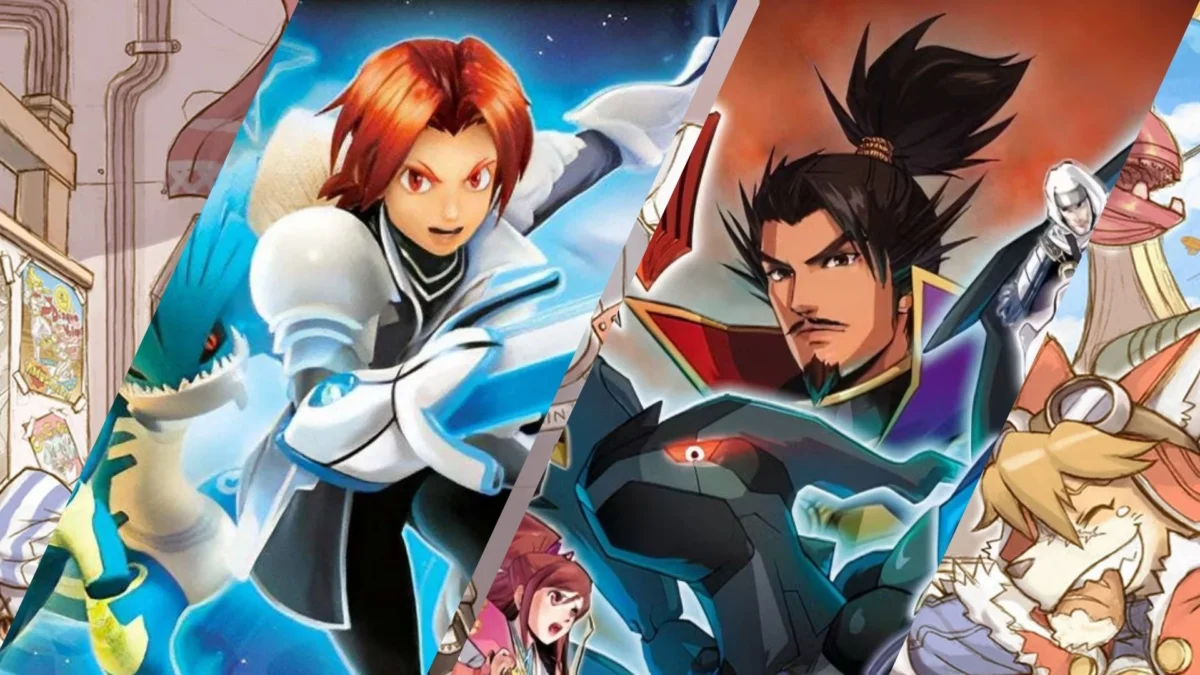
The Nintendo DS, a console renowned for its dual-screen innovation and expansive library, continues to surprise even seasoned gamers. Beyond the well-trodden paths of its most celebrated JRPGs lie a trove of titles that, despite their quality, often fly under the radar. What makes these discoveries even more compelling is the pedigree of the studios behind them. This article delves into ten Nintendo DS JRPGs that boast creators with impressive track records, often in genres far removed from the fantasy worlds and turn-based battles they crafted for Nintendo’s revolutionary handheld.
The Enduring Appeal of the Nintendo DS JRPG Landscape
The Nintendo DS holds a special place in the hearts of many gamers, and its JRPG library is a significant contributor to that affection. The console’s unique dual-screen setup, coupled with its robust processing power for its time, allowed developers to experiment with innovative gameplay mechanics and create immersive worlds. From grand, epic narratives to charming, character-driven adventures, the DS offered a JRPG experience for nearly every taste.
However, the sheer volume of releases on the platform means that some truly remarkable titles, often those developed by studios more commonly associated with different genres or flagship franchises, have been overlooked. This piece aims to shed light on these hidden gems, exploring the surprising origins of their creators and the unique qualities that make them worth rediscovering.
10. Solatorobo: Red the Hunter – A Decade-Long Dream Realized by CyberConnect2
The Genesis of a Steampunk Adventure
CyberConnect2 is a studio that evokes strong reactions, often for its work on the beloved .hack series and its subsequent action-heavy anime adaptations. However, their creative roots stretch back further, to the charming PlayStation title Tail Concerto. For a staggering decade, CyberConnect2 harbored a deep desire to create a spiritual successor to Tail Concerto. This ambition was reportedly met with initial resistance from Bandai’s executive producer, who deemed a sequel to a modestly selling game "ridiculous." Undeterred, CyberConnect2 continued to pursue other successful ventures, patiently waiting for the opportune moment to revisit their dream.
The Birth of Solatorobo
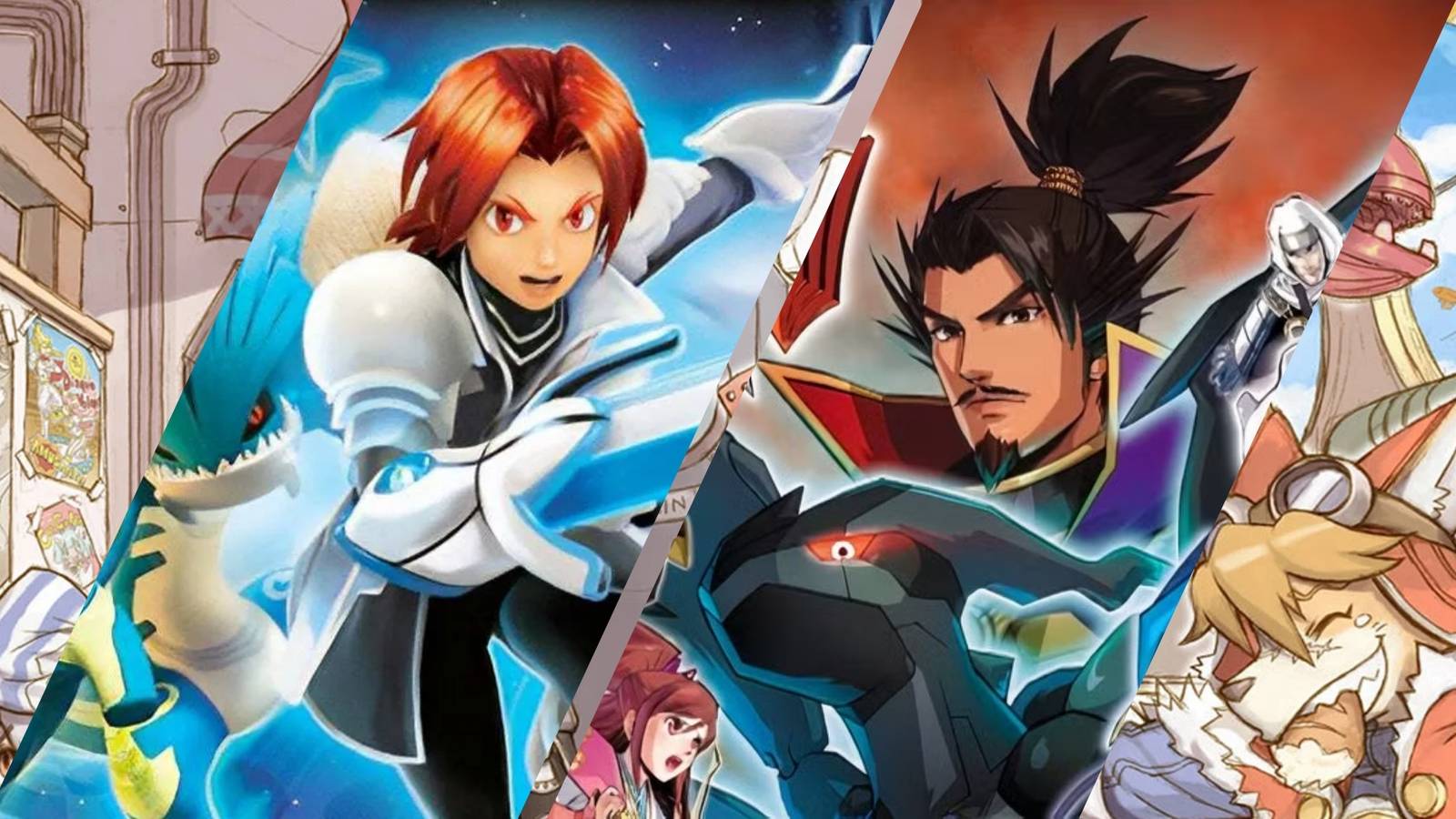
After years of persistence and building further commercial success, Bandai finally relented, albeit with a condition: the game could not be officially branded as Tail Concerto 2. This led to the birth of Solatorobo: Red the Hunter, a game that, in its own right, took an astonishing thirteen years from the initial concept to its release on the Nintendo DS.
A Steampunk World and Its Canine Hero
Solatorobo transports players to a vibrant steampunk world comprised of floating sky islands, inhabited by a menagerie of anthropomorphic canine and feline characters. Players step into the role of Red Savarin, a canine bounty hunter piloting a customizable flying mech. What begins as a routine bounty-hunting job soon spirals into a much larger, more complex adventure involving ancient secrets and impending doom.
Visuals and Legacy

The game’s visuals are nothing short of extraordinary, pushing the Nintendo DS hardware to its limits with detailed environments and fluid animations. Released towards the latter end of the DS’s lifecycle, Solatorobo unfortunately did not receive the widespread attention it deserved. Its physical copies have since become highly sought after and command a significant price, a testament to its cult status. For any Nintendo DS owner seeking a visually stunning and narratively rich JRPG experience from an unexpected source, Solatorobo: Red the Hunter is an essential, albeit costly, acquisition.
9. Spectrobes – Disney’s Ambitious Leap into Original IP with the Picross Experts
Jupiter Corporation: More Than Just Puzzle Masters
Jupiter Corporation is a name that might not immediately spring to mind when discussing action RPGs. Their reputation is largely built on a foundation of beloved puzzle titles, most notably the Picross series. They also contributed to significant Nintendo franchises like Chain of Memories and the critically acclaimed The World Ends With You. Therefore, when Disney Interactive approached them to develop their very first original intellectual property, the choice of developer was certainly intriguing.
The Birth of Spectrobes
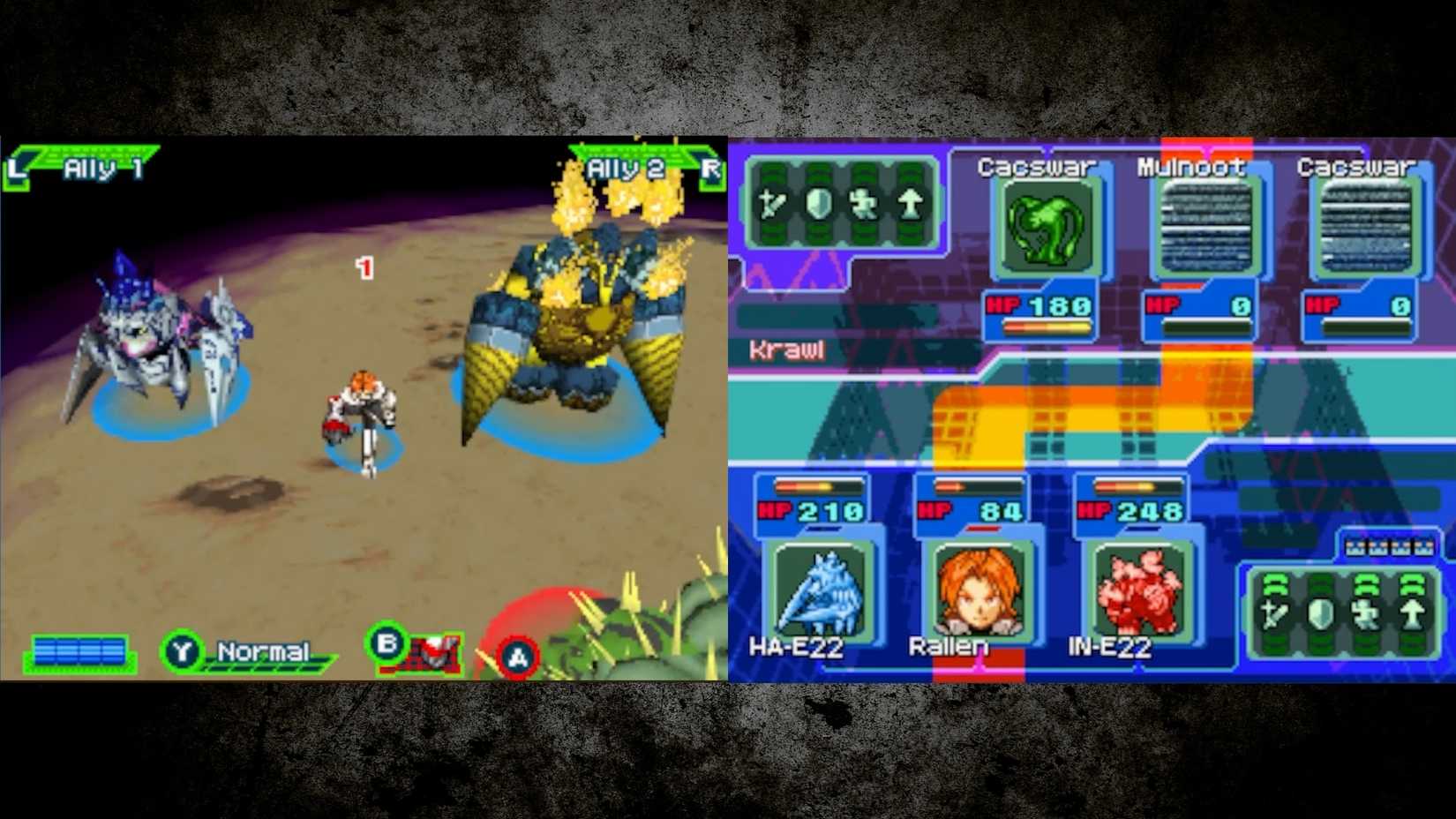
The result of this unexpected collaboration was Spectrobes, an action RPG that offered a refreshing take on creature collection and combat. The game centers around Rallen, a Planetary Patrol officer who unearths ancient creatures, known as Spectrobes, from fossils buried across various planets. The awakening process itself is a unique mechanic, often requiring the player to use the Nintendo DS’s microphone.
Tactile Gameplay and Pokémon Parallels
The excavation and digging mechanics are designed to be tactile and satisfying, making excellent use of the DS’s touchscreen capabilities. Following this engaging discovery phase, players engage in creature battles that, while drawing parallels to the familiar rhythm of the Pokémon series, possess a distinct personality and strategic depth of their own.
A Franchise Forged from an Original Idea
Spectrobes proved successful enough to spawn two sequels and expand into other media, a remarkable feat for a completely original IP developed by a studio primarily known for puzzle games. Despite its initial success and the pedigree of its developers, the series never quite broke into the mainstream consciousness and remains a somewhat overlooked gem. Its blend of engaging mechanics, unique world-building, and the surprising creativity of Jupiter Corporation make it a title that absolutely deserves to be played.
8. Magical Starsign – The Picross and Mario Kart Studio’s Unexpected JRPG Masterpiece
1-UP Studio: A Legacy of Nintendo Excellence
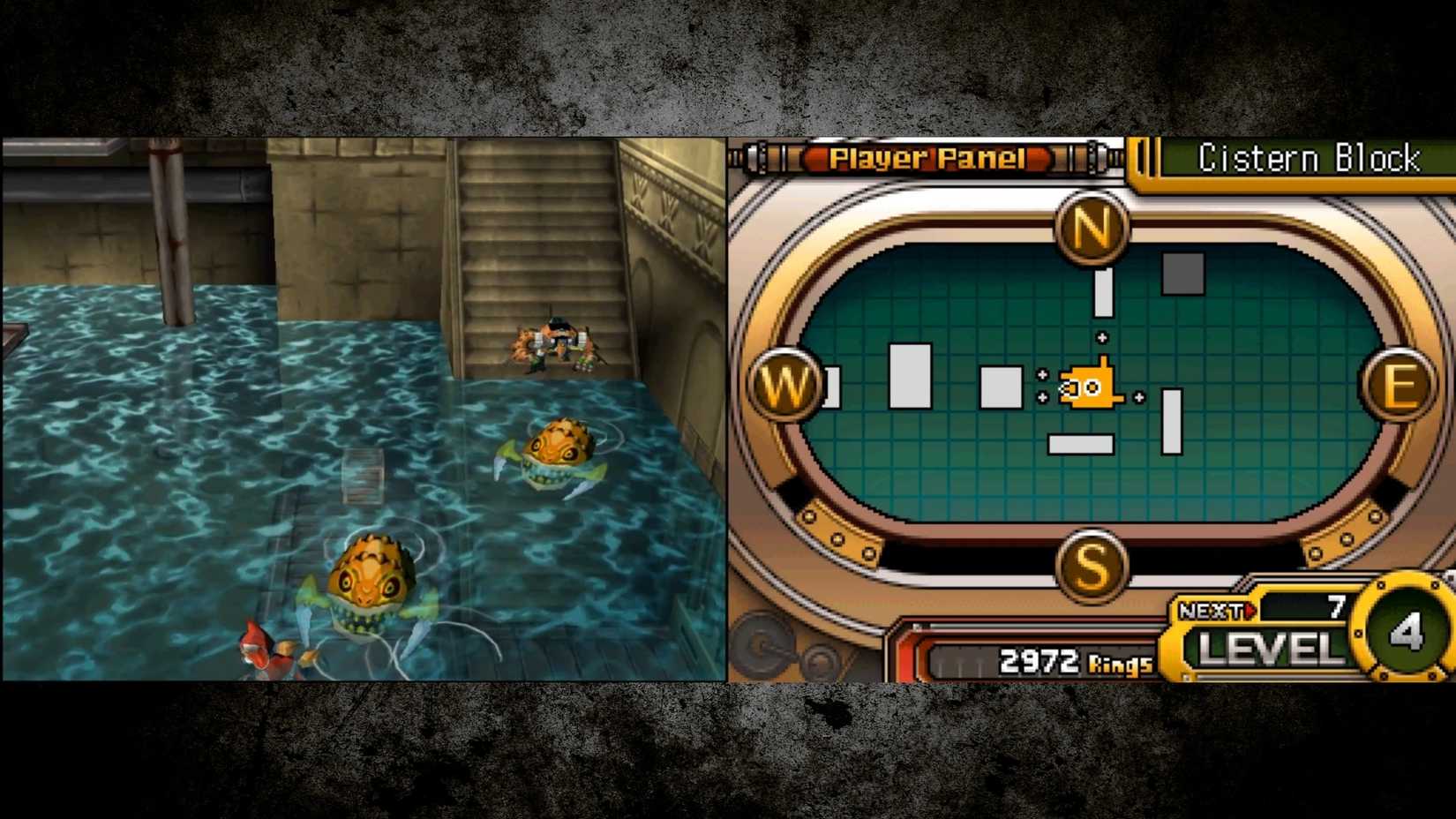
The studio now known as 1-UP Studio has a rather impressive resume, having been instrumental in the development of some of Nintendo’s most beloved titles. Formerly operating as Brownie Brown, they are credited with contributions to Super Mario 3D Land, Ring Fit Adventure, Super Mario Odyssey, and Mario Kart titles. This track record firmly places them among the elite developers within Nintendo’s ecosystem, primarily known for polished platformers and engaging action games.
A Departure into Traditional JRPGs
Given their established reputation, the notion of 1-UP Studio venturing into the realm of traditional JRPGs might seem counterintuitive. Yet, Magical Starsign stands as a testament to their versatility, offering a charming and mechanically interesting JRPG experience that belies its developers’ usual genre focus.
A Whimsical Journey Through the Cosmos
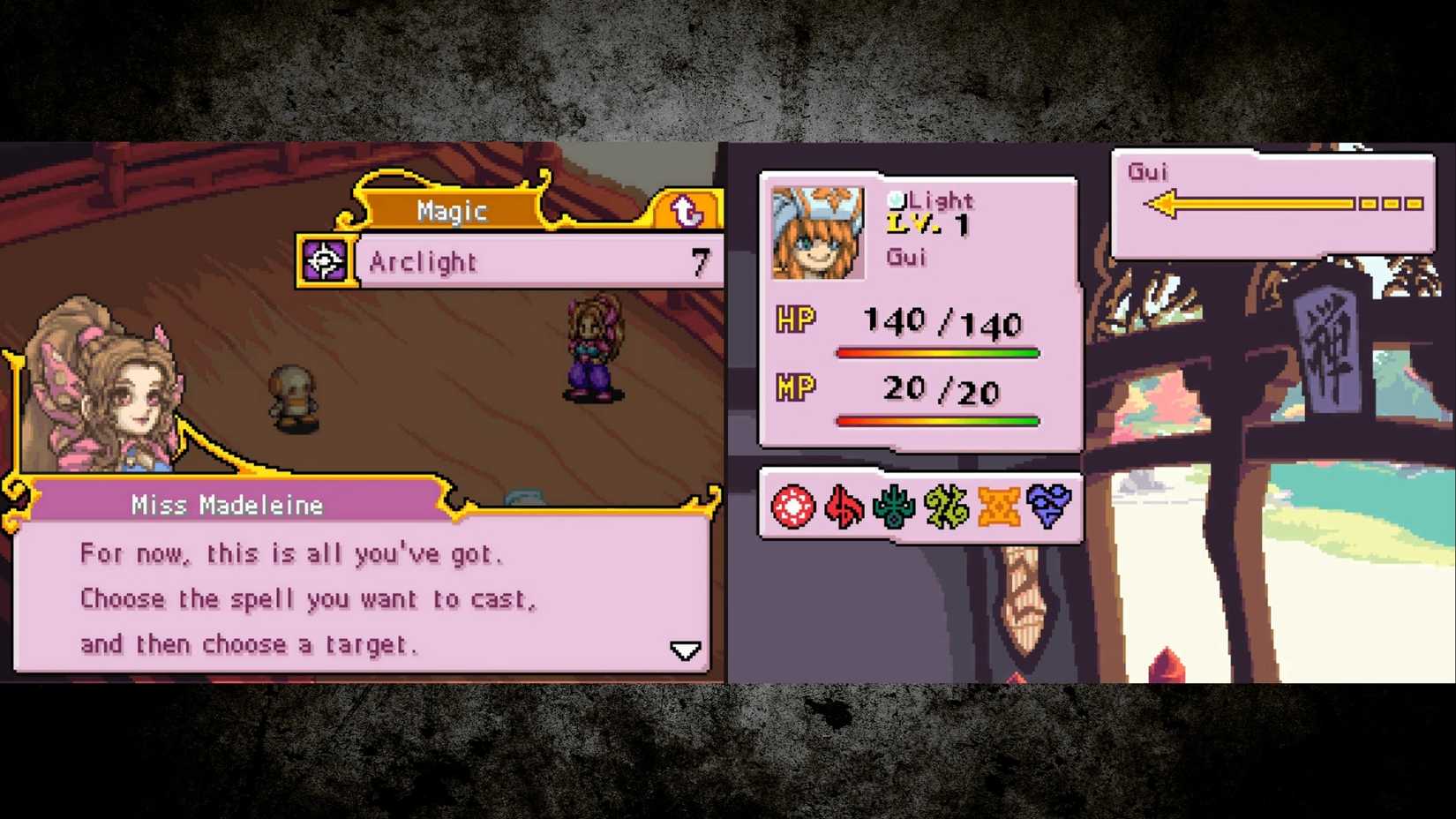
The premise of Magical Starsign is as delightful as it is classic: a group of young magic students commandeer their academy’s hidden rockets to embark on a quest across a vibrant solar system in search of their missing teacher. The game’s most distinctive feature is its innovative planetary orbit system. Planets move in real-time, and a character’s elemental alignment with their planet’s position grants them significant power boosts, adding a unique layer of strategic depth to exploration and combat.
Strategic Depth and Underrated Charm
The day-night cycle and the actual DS clock play crucial roles, influencing elemental magic and influencing combat encounters. Planning battles around these celestial mechanics becomes a genuinely strategic endeavor, offering a peculiar yet satisfying challenge. Magical Starsign is a warm, colorful, and thoughtfully designed JRPG that, despite its origins in a studio known for entirely different genres, deserved a far wider audience than it ultimately reached.
7. Advance Wars: Dual Strike – Fire Emblem’s Studio Tackles Modern Warfare
Intelligent Systems: Masters of Strategy
Intelligent Systems is a name synonymous with strategic brilliance within Nintendo’s development stable. They are the architects behind the revered Fire Emblem series, the whimsical Paper Mario titles, and the zany WarioWare games. Their expertise in crafting engaging tactical experiences is undeniable, and Advance Wars represents another significant pillar of their strategic prowess.
The Evolution of a Turn-Based Classic
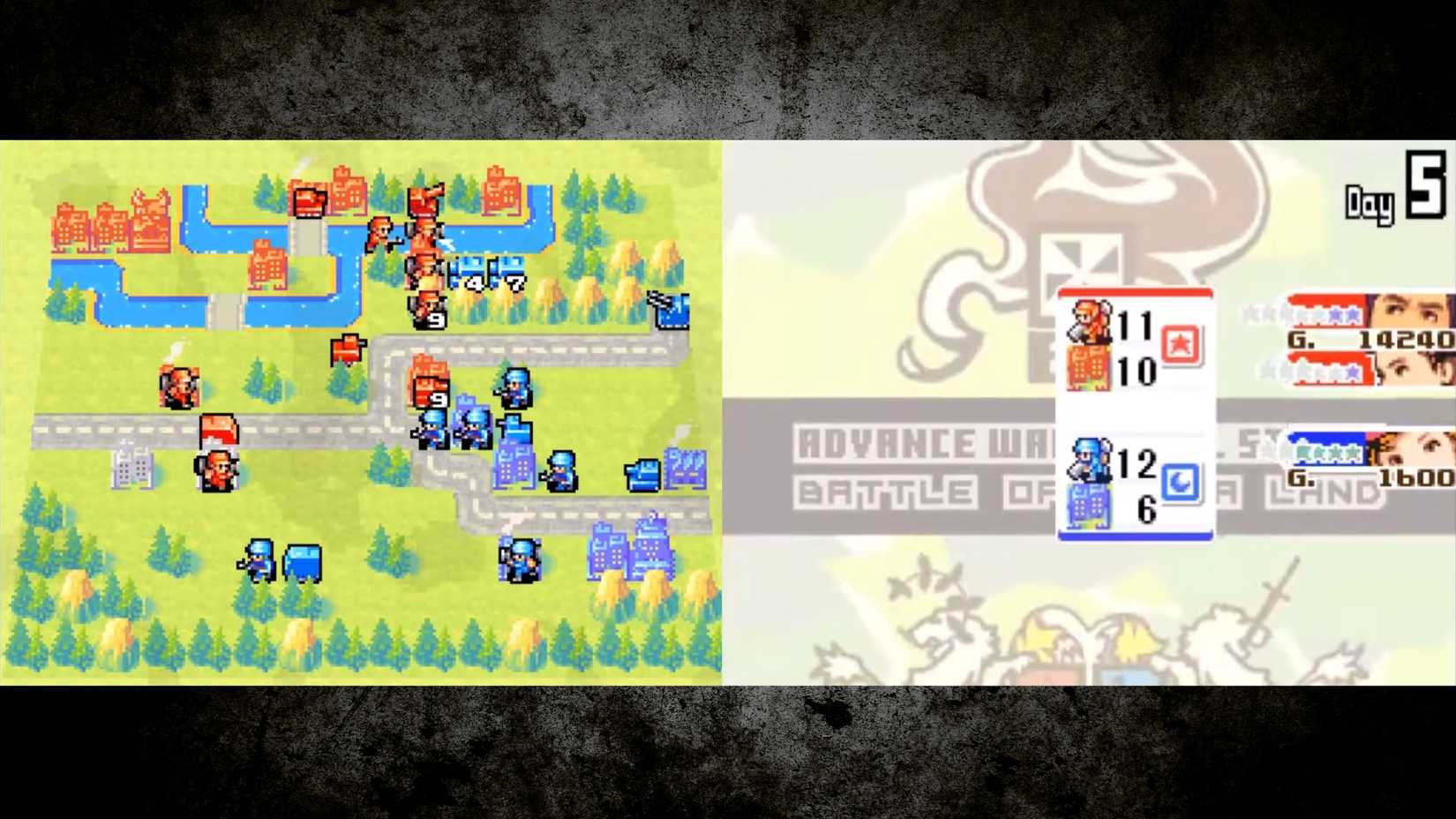
Advance Wars: Dual Strike marked the franchise’s debut on the Nintendo DS, bringing its signature turn-based tactical combat to a platform that proved exceptionally well-suited for the genre. The core gameplay loop remains familiar to fans: players command an army across a 2D tactical map, strategically moving units with distinct strengths and weaknesses across varied terrain. The objective typically involves eliminating enemy forces or capturing their headquarters.
Dual Commanding Officers and Tactical Depth
What Dual Strike introduced to elevate the gameplay was the innovative "Dual Commander" system. This allowed players to field two Commanding Officers (COs) simultaneously, enabling mid-battle switches for combined tactical advantages. The CO system has always been the heart of the Advance Wars series, with each commander possessing a unique personality and a distinct set of abilities. The challenge and reward lie in building strategies around these specific capabilities, presenting a puzzle-like experience that is both intellectually stimulating and accessible.
A Strategic Powerhouse
Advance Wars: Dual Strike exemplifies Intelligent Systems’ mastery of turn-based strategy. It offers deep, engaging gameplay that rewards careful planning and tactical foresight. While the series is well-regarded, the DS iteration, with its enhanced features and the studio’s proven track record, stands out as a particularly strong entry, showcasing the developers’ ability to adapt their strategic vision to new platforms and mechanics.
6. Lost in Blue – Konami’s Unexpected Survival RPG from the Silent Hill Team
Konami: A Spectrum of Genres
When the name Konami is mentioned, the immediate associations are often with monumental franchises like Metal Gear, Silent Hill, Pro Evolution Soccer, and Yu-Gi-Oh!. These titles represent the pinnacle of action, horror, sports simulation, and card-based strategy. However, Konami’s development studios have a history of exploring a far wider range of genres, a fact exemplified by the surprisingly engaging survival RPG, Lost in Blue.
A Castaway’s Tale on the DS
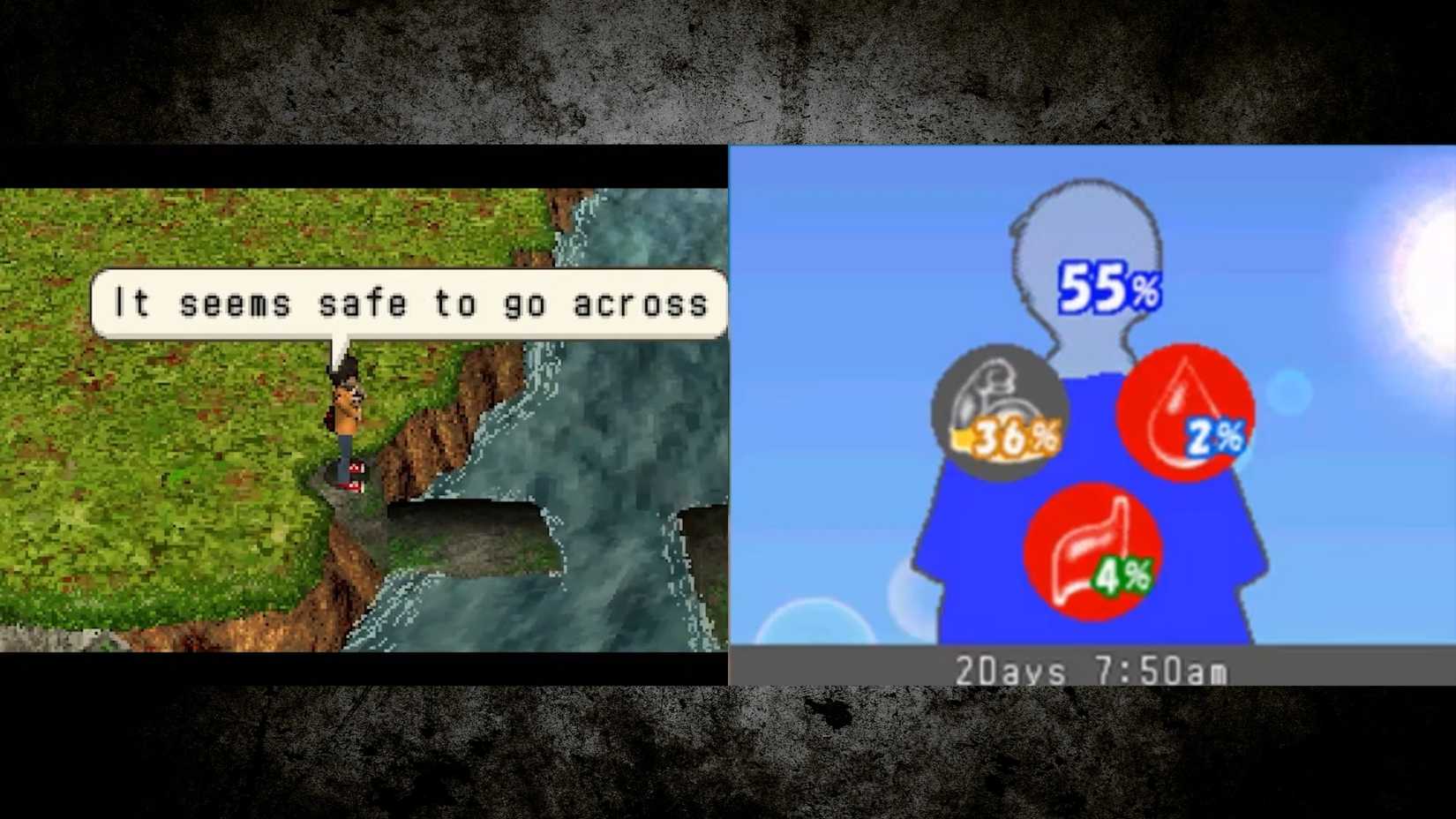
Lost in Blue thrusts players into the harrowing scenario of two teenagers shipwrecked on a deserted island. The core gameplay revolves around their struggle for survival, forcing players to manage their basic needs – hunger, thirst, stamina, and health – with meticulous attention. This survival aspect creates a palpable sense of tension, making the early hours of the game particularly gripping and immersive.
Innovative Use of DS Hardware
What truly sets Lost in Blue apart is its clever and inventive utilization of the Nintendo DS hardware. The game masterfully integrates the touchscreen and microphone into its mechanics, creating a deeply tactile experience. For instance, building a fire requires players to alternate L and R buttons to simulate friction, followed by blowing into the microphone to ignite the flames. Navigating menus, gathering resources, and managing shelter are all seamlessly handled through the touchscreen, lending a satisfying physicality to the gameplay.
A Unique Survival Experience
The dual-character management adds another layer of complexity, demanding players to balance the needs of both castaways simultaneously. While the game is not without its frustrations and some mechanics require patience to fully grasp, its status as a genuinely unusual and well-crafted survival RPG from a developer renowned for very different experiences makes it a standout title on the DS.
5. Pokémon Conquest – Koei Tecmo and The Pokémon Company’s Feudal Fusion
A Marriage of Strategy and Monsters
Koei Tecmo is a studio celebrated for its historical strategy games, particularly the Nobunaga’s Ambition series, as well as its contributions to franchises like Dead or Alive and Fatal Frame. The Pokémon Company, on the other hand, is the global juggernaut behind the iconic creature-collecting RPG phenomenon. On paper, the fusion of feudal Japanese warlord strategy with the world of Pokémon might sound like an improbable, even comical, concept. However, Pokémon Conquest defies expectations, emerging as one of the most creative and brilliantly executed crossovers in the history of either franchise.
Feudal Japan Meets Pokémon Battles
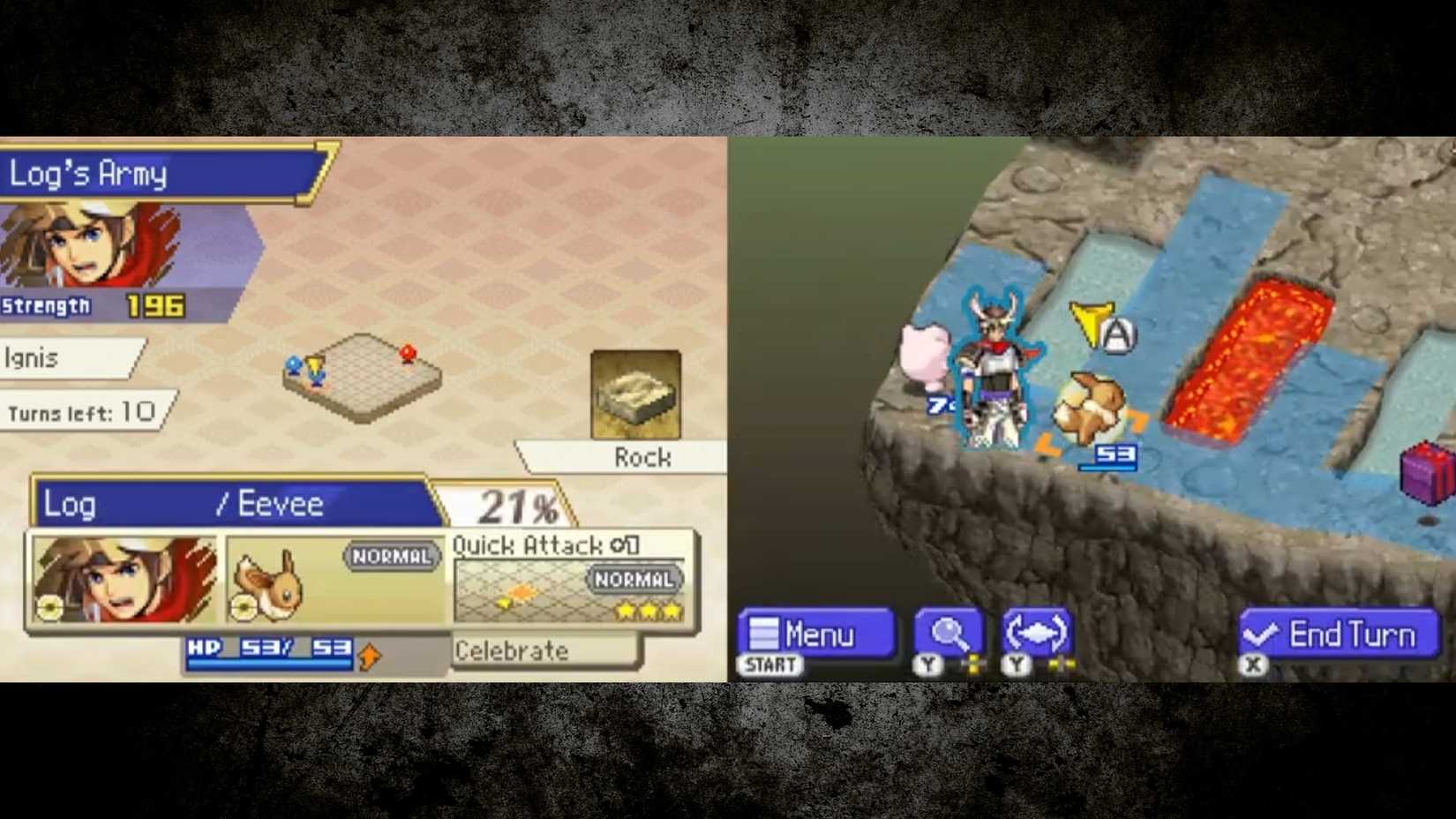
Set in the Ransei region, Pokémon Conquest reimagines feudal Japan where Warriors form deep, emotional bonds with Pokémon, leading armies of Warlords in their quest to conquer kingdoms. The game cleverly integrates historical figures from the Sengoku period, with many Warlords directly inspired by real historical personalities. These figures are paired with Pokémon that complement their historical personas or combat styles. For example, the legendary general Tadakatsu Honda, renowned for his undefeated battle record, can eventually form a bond with the mythical Pokémon Dialga.
Strategic Depth and Kingdom Management
Each Pokémon in Pokémon Conquest possesses a single, distinct move, and battles are turn-based affairs where strategic positioning is paramount. Beyond the engaging combat, the game incorporates a kingdom management layer, providing players with strategic considerations that extend beyond the battlefield. These thoughtful design choices contribute to a unique and surprisingly deep experience that continues to impress those who discover it.
4. Sonic Chronicles: The Dark Brotherhood – BioWare’s Unexpected Foray into the Sonic Universe
BioWare’s RPG Pedigree
BioWare is a name synonymous with some of the most influential RPGs of all time. Their legendary works include the Mass Effect trilogy, the epic Dragon Age saga, and the foundational Baldur’s Gate series. Their mastery of narrative, character development, and intricate RPG systems is undisputed. However, in an unexpected turn of events, BioWare also lent their considerable talents to the creation of a Sonic the Hedgehog RPG for the Nintendo DS.
A Sonic RPG Unlike Any Other
Sonic Chronicles: The Dark Brotherhood stands as the sole RPG entry in the Sonic franchise, representing the first and, to date, only attempt to translate the blue blur’s adventures into a turn-based combat system. The fact that BioWare was the studio behind this unique endeavor is a fascinating tidbit for gaming history enthusiasts.
Narrative Depth and Familiar Mechanics
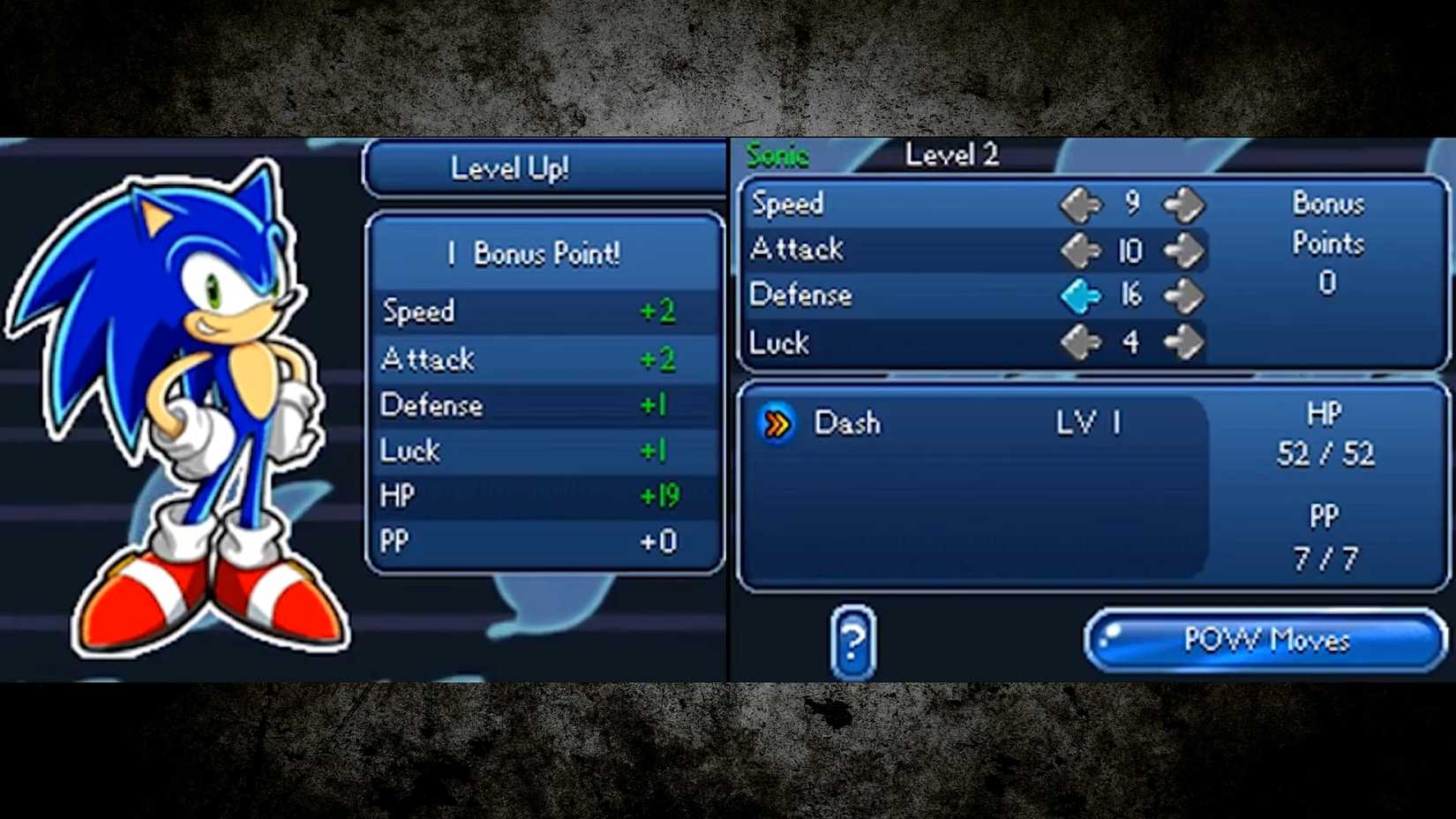
The game’s plot centers on the kidnapping of Knuckles and the subsequent disappearance of the Chaos Emeralds. Structurally, it adheres to classic RPG conventions: exploration, random encounters triggered by touching enemies in the overworld, and turn-based battles enhanced by stylus-driven "POW" moves. Players can level up their characters, equip gear, and even engage with a "Chao" system for stat bonuses. BioWare’s signature touch is evident in their inclusion of dialogue and relationship systems, imbuing the cast of characters—Sonic, Tails, Knuckles, Amy, and others—with a depth of personality often absent in their traditional action-oriented titles.
A Curio from a Master Studio
Despite some rough edges and its unfortunate status as non-canon due to subsequent legal issues, Sonic Chronicles: The Dark Brotherhood remains a noteworthy title. As a genuine attempt by one of history’s most respected RPG developers to reimagine a beloved franchise in an unexpected genre, it earns its place on this list as a remarkable curio.
The Wizard of Oz: Beyond The Yellow Brick Road – Wild Arms Studio’s Journey to the Emerald City
Media.Vision’s Diverse Portfolio
Media.Vision is a studio with a diverse portfolio, perhaps best known for their work on the Wild Arms series. They have also contributed to the Digimon Story games and the Chaos Rings series. Their experience spans various RPG subgenres, showcasing a willingness to experiment with different settings and mechanics.
A Trackball Adventure in Oz
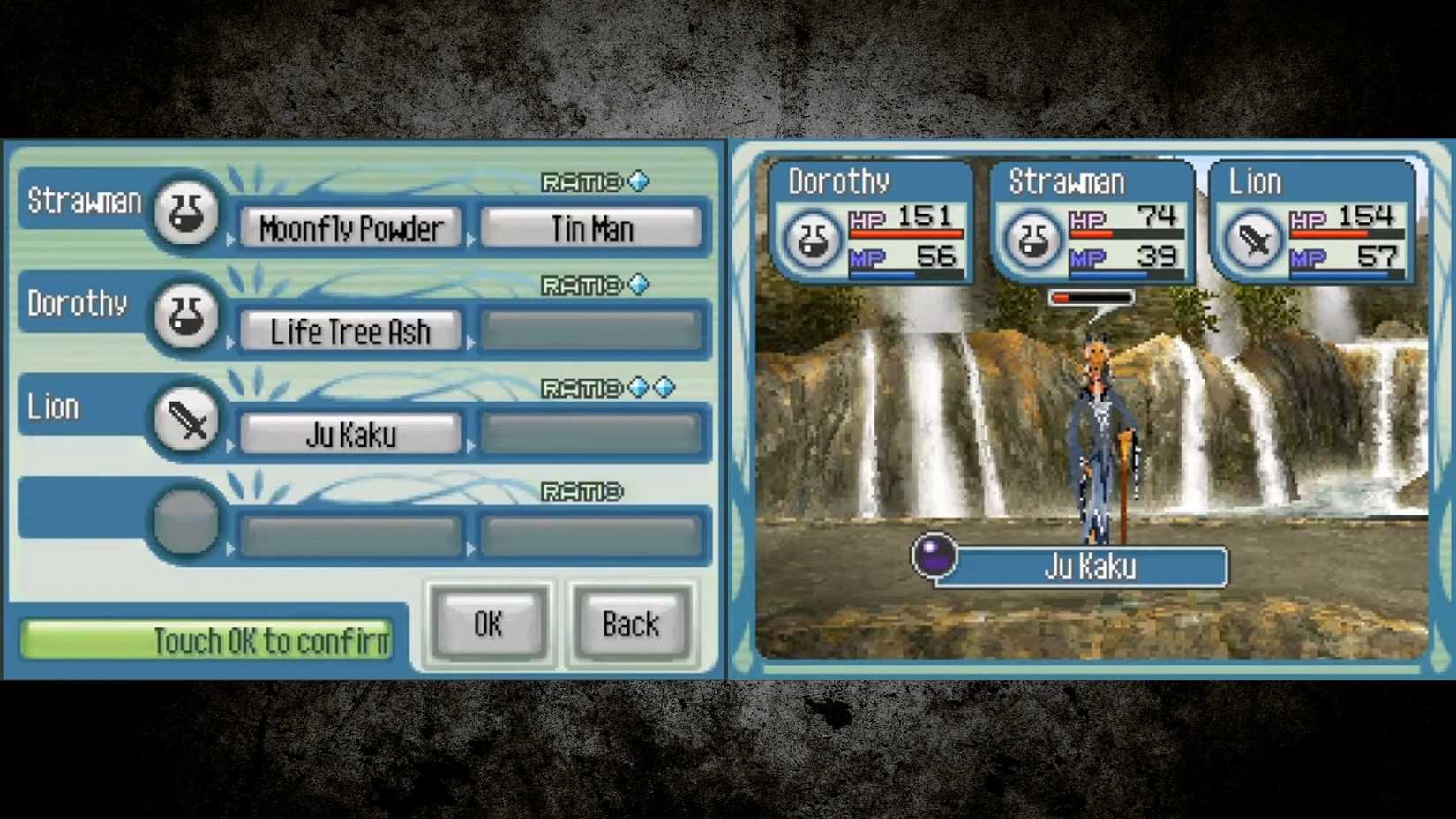
The Wizard of Oz: Beyond the Yellow Brick Road is an adaptation of L. Frank Baum’s classic 1900 novel, featuring its iconic characters and locations. What makes this JRPG particularly unique is its control scheme: the entire game is navigated using a trackball on the Nintendo DS’s bottom screen. Players roll Dorothy through the vibrant, three-dimensional world of Oz, and upon encountering enemies, the game transitions into first-person, turn-based battles reminiscent of the Dragon Quest series.
Character-Driven Abilities and Creative Interpretations
The abilities of each character are thoughtfully tied to their established personalities from the original story. For instance, the Cowardly Lion’s inclusion allows players to flee from encounters, a charming nod to his character arc. The game also takes creative liberties, such as dividing the Witches by seasons rather than cardinal directions, offering a fresh perspective on the familiar narrative.
An Underrated Gem with Unique Hardware Integration
The Wizard of Oz: Beyond the Yellow Brick Road is a relatively short and somewhat eccentric game that effectively utilizes the Nintendo DS hardware in an unconventional manner. Its gentle tone and considered pacing are well-suited to its source material. Despite originating from a respected studio with a history in JRPGs, it remains one of the lesser-known titles on this list, highlighting how easily some DS releases could fade into obscurity, even those with notable developers behind them.
2. Soma Bringer – Monolith Soft’s Japanese Diablo-Esque Action RPG
Monolith Soft: The Architects of Grand Narratives
Monolith Soft is a name that resonates with players who appreciate epic storytelling and expansive worlds. They are the creative minds behind the monumental Xenogears, the ambitious Xenosaga trilogy, and the critically acclaimed Xenoblade series. Their expertise lies in crafting deep, character-driven narratives and vast, explorable environments.
A Surprising Departure: Action RPG Prowess
Soma Bringer, released in 2008 by Nintendo exclusively in Japan, represents a significant departure from Monolith Soft’s typical JRPG fare. Developed after Nintendo acquired the studio from Namco, this title is an action RPG that draws clear parallels to the loot-driven dungeon crawling of games like Diablo. It’s a testament to the studio’s versatility that they could pivot so effectively to this genre.
Dungeon Crawling and Cooperative Play
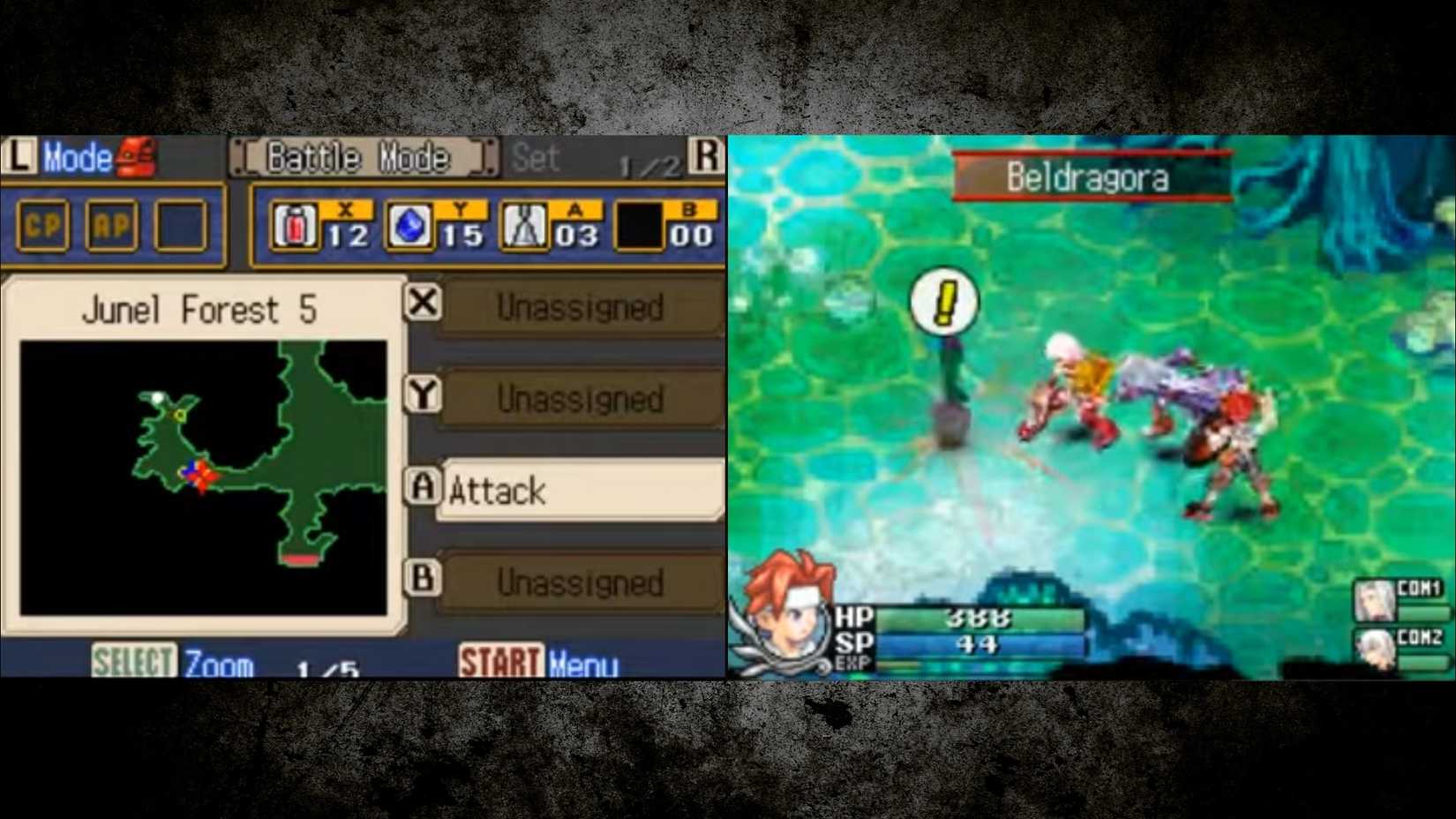
The game features a top-down perspective, focusing on intense real-time combat, extensive dungeon crawling, and the acquisition of valuable loot. A standout feature is its cooperative multiplayer mode, allowing up to three players to team up via wireless connection. Soma Bringer boasts six distinct character classes, each with a unique combat style, and a weapon upgrade system utilizing "Orbs." The "Break" system, where sustained attacks can stun enemies for bonus damage, adds another layer of tactical engagement.
A Loss for Western Audiences
The mechanics are as tight and polished as one would expect from Monolith Soft’s best work. The fact that Soma Bringer never received an official localization is a genuine loss for players outside of Japan. Fortunately, a dedicated fan translation exists, making this excellent action RPG accessible to a wider audience. The effort to track down and play this title is well worth it for anyone interested in Monolith Soft’s broader creative output.
1. Dragon Quest Monsters: Joker – Tose’s Hidden Hand in a Beloved Franchise
Tose: The Ghost Developer
Tose is arguably one of the most fascinating and enigmatic companies in the video game industry. Since its founding in 1979, Tose has been involved in the development or co-development of thousands of games. Yet, they are almost never formally credited for their work, operating as a veritable "ghost developer" that quietly powers a vast swathe of the gaming landscape. They are the largest non-publishing game developer in the world, a studio whose contributions are often unrecognized by the general public.
A Rare Showcase for Tose’s Talent
Dragon Quest Monsters: Joker is one of the rare instances where Tose’s involvement is widely known, and it stands as a testament to their considerable skill. This entry in the Dragon Quest Monsters series was notable for being the first to feature a fully 3D environment outside of battles, utilizing the graphical engine from Dragon Quest VIII. The cel-shaded visuals hold up remarkably well, lending a timeless charm to the game.
Monster Synthesis and Exploration
The core appeal of Dragon Quest Monsters: Joker lies in its intricate monster-catching and synthesis system. Instead of traditional monster evolution, players combine monsters to create new, often more powerful, offspring. The results can be delightfully unpredictable, adding a layer of strategic depth to team building. Enemies are visible on the overworld map, allowing players to initiate battles strategically, often with the advantage of a surprise attack.
A Sense of Discovery
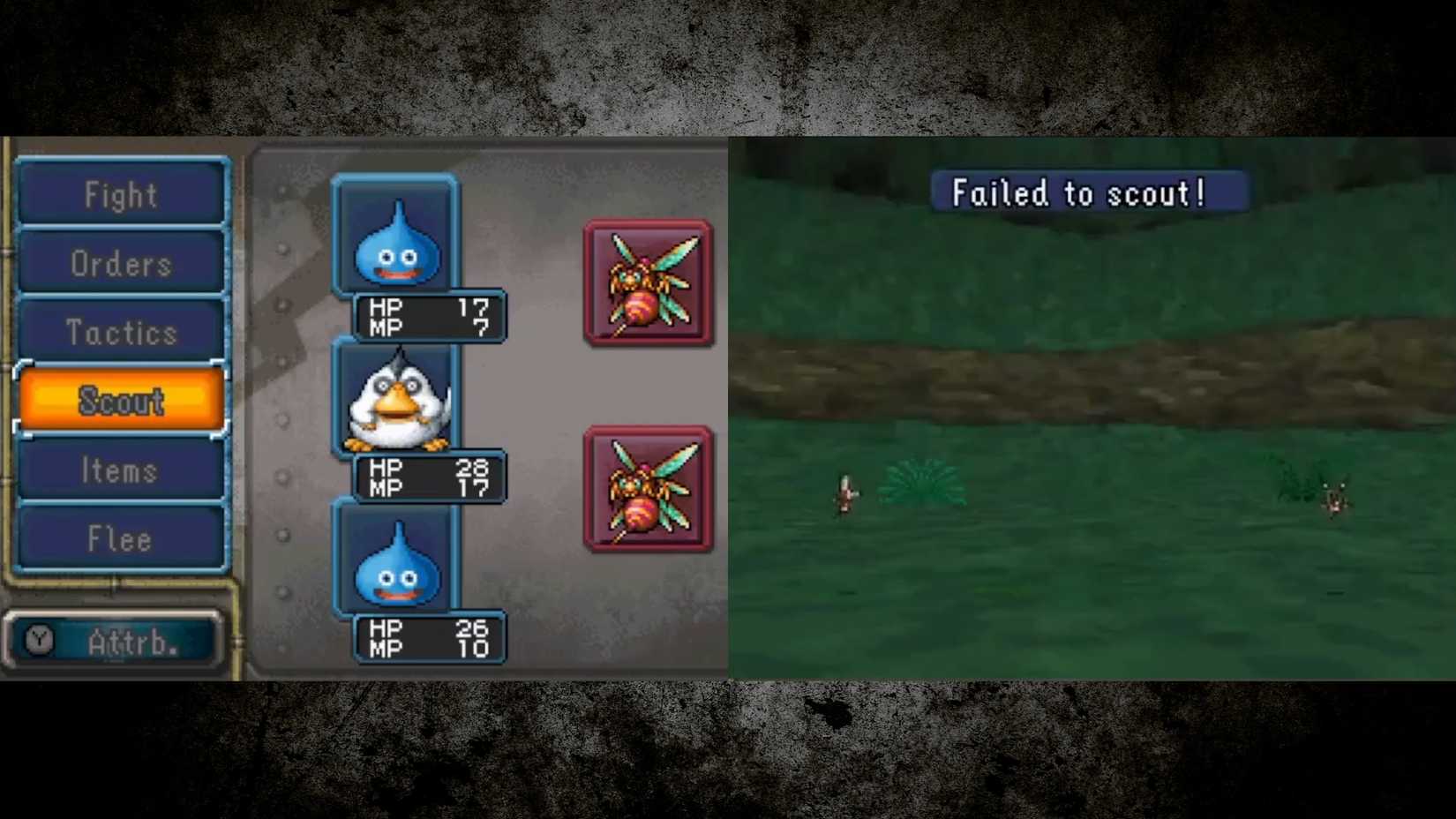
Adding to the exploration element, Joker features randomly appearing "uncharted islands" beyond the main map, providing a genuine sense of discovery and encouraging players to delve deeper into the game’s world. It’s a confident, well-crafted game from a studio that has consistently delivered excellence for decades, and it exemplifies the surprising quality that could be found within the Nintendo DS library.
Conclusion: The Enduring Legacy of the DS and Its Surprising Creators
The Nintendo DS was a platform that defied expectations, offering a diverse and rich library of games. As this exploration has shown, some of its most compelling JRPGs were born from studios with unexpected backgrounds, often demonstrating a remarkable ability to adapt their core strengths to new genres and beloved franchises. From CyberConnect2’s steampunk epic to BioWare’s foray into the world of Sonic, these games represent the depth and breadth of creativity that characterized the Nintendo DS era. They serve as a reminder that some of the most memorable gaming experiences can emerge from the most surprising of creators, urging us to look beyond the obvious and delve into the rich tapestry of gaming history.











No comments yet. Be the first to join the conversation!