Nana Wu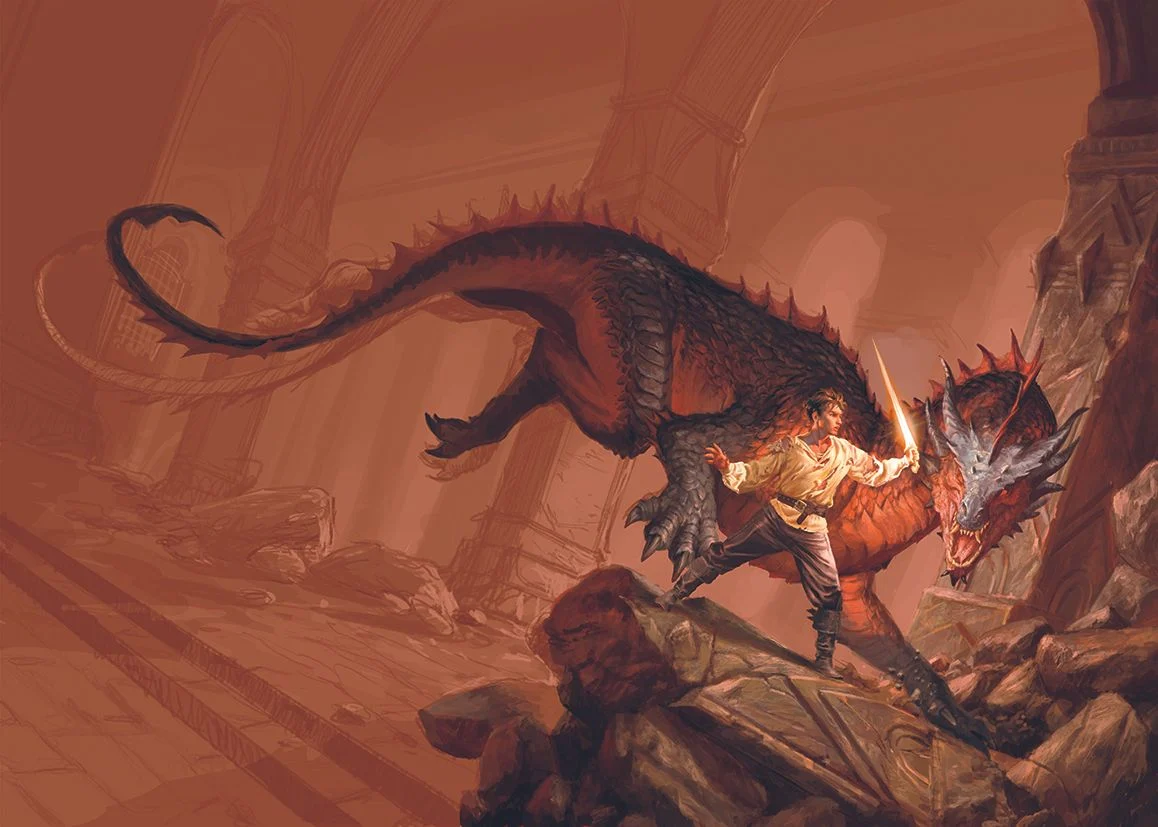
In the highly competitive world of fantasy publishing, the book cover is more than just a marketing tool; it is the visual gateway to a secondary world. When the publishing house Armenia Edizioni sought to capture the visceral intensity of RF Obsydios’s debut fantasy novel, they turned to a digital illustrator who could bridge the gap between classic epic sensibilities and modern digital mastery. The resulting artwork—a masterclass in texture, composition, and high-stakes atmosphere—offers a rare, behind-the-scenes look at the professional workflow required to bring a dragon-slayer’s final stand to life.
The Commission: Bridging Tradition and Digital Innovation
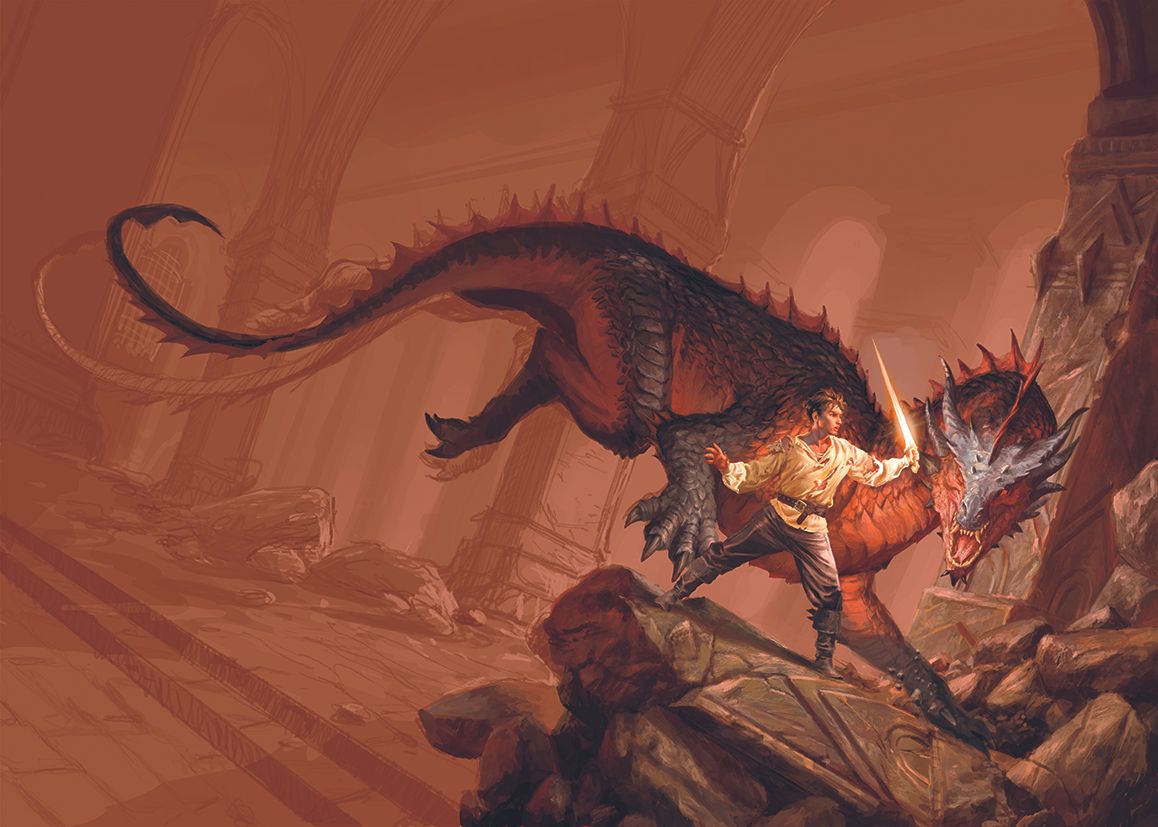
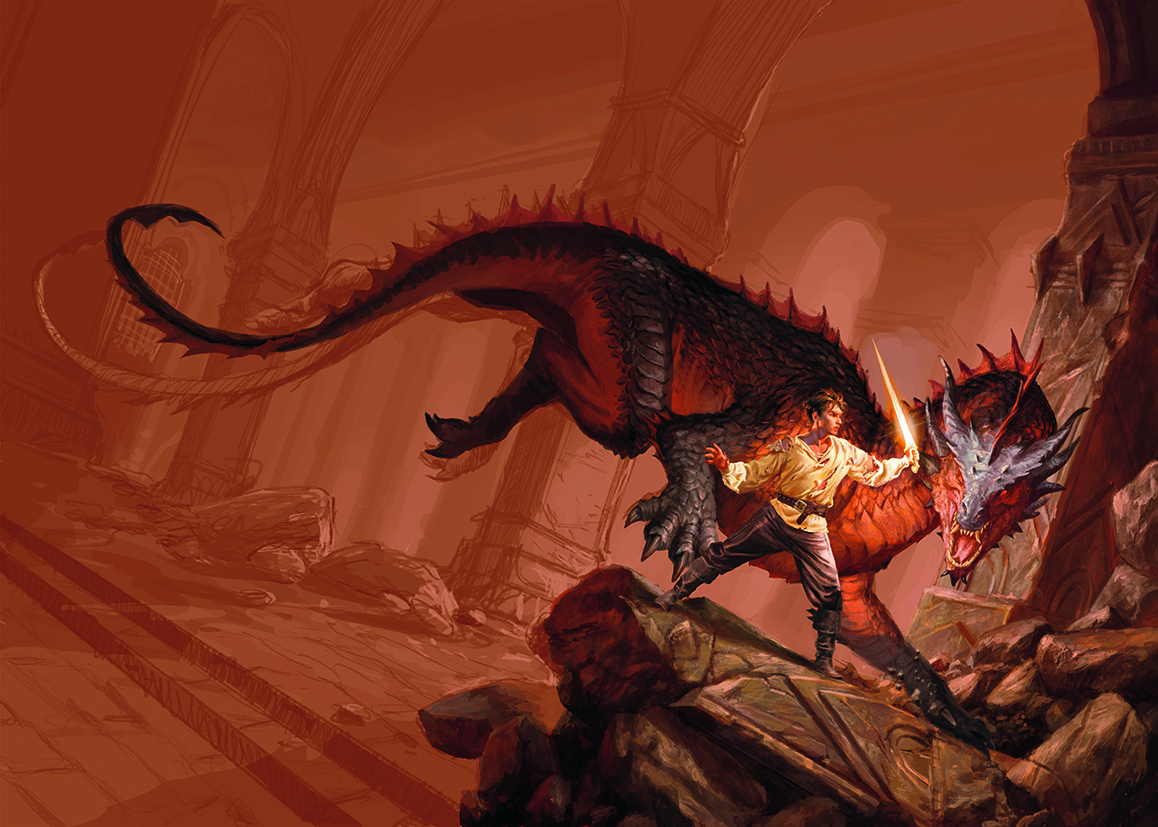
The assignment was clear but demanding: depict a battle-hardened young warrior, wounded and disheveled, standing his ground against an imposing, wingless dragon draped in crimson and obsidian scales. The setting—a crumbling, monolithic fortress—needed to echo the grandeur of classic epic fantasy.
For the artist, this commission was an exercise in nostalgia. Having grown up immersed in the golden age of fantasy illustration, the project provided an opportunity to channel the aesthetic influence of masters like Frank Frazetta and Alan Lee. "This aesthetic is what I grew up with," the illustrator explains. "It was easy for me to imagine a scene reminiscent of those types of covers." The client specifically pointed to Joe Abercrombie’s The Devils as a tonal benchmark, requesting a palette dominated by warm, aggressive hues of blood-red and burnt orange.
The Technical Foundation: Essential Tools
To execute a project of this magnitude, the artist emphasizes the necessity of a robust digital infrastructure. While creativity remains the primary engine, the precision of modern hardware is the steering mechanism. Achieving the intricate texture of dragon scales and the weathered grit of stone ruins requires high-end digital art software, often paired with professional-grade drawing tablets. These tools allow for the nuanced pressure sensitivity and speed required to balance complex lighting schemes without losing the raw, tactile "feel" of traditional oil painting.
Chronology of a Masterpiece: Step-by-Step Execution
The transformation of a blank canvas into a professional book cover follows a rigorous, multi-stage process that prioritizes structural integrity over stylistic flair.
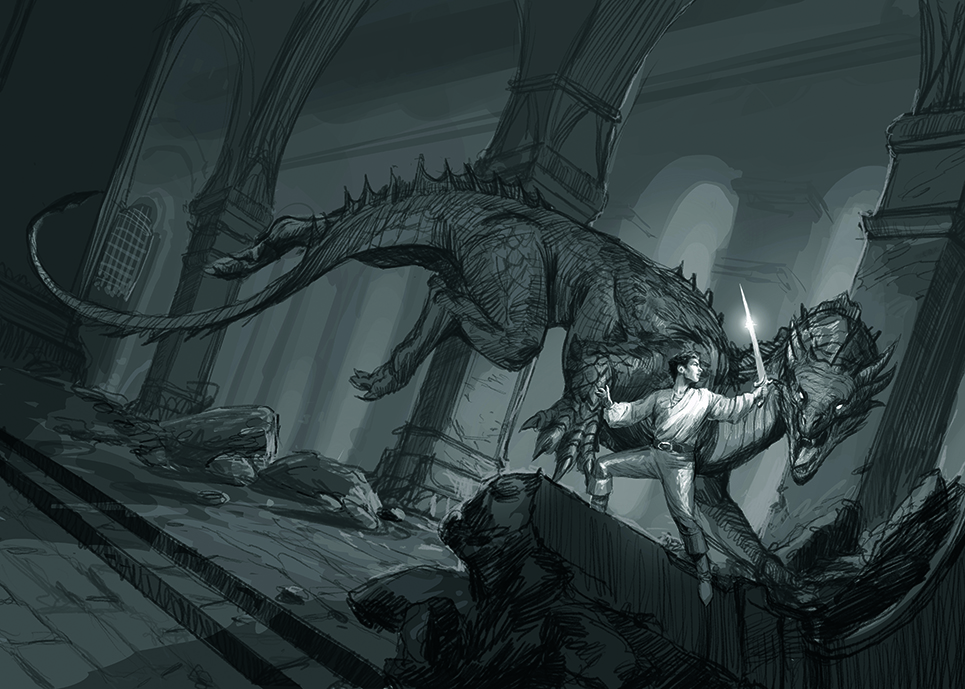
Phase 1: The Initial Sketch
The artist’s process begins with brevity. "I don’t usually make many sketches; at most, one or two, in black and white," the artist notes. This phase is less about detail and more about "intent." By focusing on composition, lighting, and volume at the start, the artist establishes a clear roadmap for the client, ensuring that the visual narrative aligns with the book’s thematic core before significant time is invested in color.
Phase 2: Isolating the Protagonist
To ensure the warrior commands the viewer’s attention, he was painted separately in a higher resolution. This "isolate-and-place" strategy is a common technique among digital illustrators. By working on the character as a standalone entity, the artist can obsess over the details of the warrior’s wounds, the fraying of his armor, and the strain in his posture. Once perfected, he was integrated into the larger composition, allowing for seamless scaling and positioning within the fortress environment.
Phase 3: Structural Composition
Building the scene requires a top-down approach. The warrior, the dragon, and the ruined architecture are developed in tandem. The artist explains that this holistic view is vital: "I need to see if everything works, and only then can I begin to understand what’s right and what needs fixing." This ensures that the interaction between the protagonist and the antagonist feels grounded in the space they occupy.
Phase 4: Anatomy and Dynamism
The most difficult technical challenge was the dragon’s anatomy. The artist aimed for a creature that felt both heavy and fast. By crafting a specific curvature in the dragon’s hind legs, the artist successfully drew the viewer’s eye through the composition, creating a "visual loop" that keeps the observer engaged with the conflict.
Phase 5: Texturing the Ruins
The fortress itself serves as a silent antagonist. To evoke the ruin-heavy aesthetic of The Lord of the Rings‘ Moria, the artist employed "dry" brush techniques. By layering subtle color variations and emphasizing cracks and scratches, the stone surfaces transition from mere background to a narrative element that tells the story of the ancient battle that occurred before the current scene.
Phase 6: The Tilted Lens
To heighten the sense of instability and danger, the artist utilized a tilted camera angle. This "dutch angle" serves a dual purpose: it emphasizes the chaotic dynamism of the duel while framing the dragon as a looming, insurmountable force.
Supporting Data: The Importance of Physical References
Modern digital art often falls into the trap of looking "too clean." To combat this, the artist relies on a library of physical references. By purchasing historical-style clothing and fabric scraps, the artist creates a personal studio environment where they can simulate lighting conditions. Taking photographs of these fabrics allows for a level of accuracy in rendering folds and textures that is difficult to achieve through imagination alone. This blend of analog source material and digital execution is what separates high-end professional work from generic AI-generated content.

Implications for the Publishing Industry
The success of this cover highlights a growing trend in the publishing industry: the return to "painterly" fantasy art. As digital tools become more sophisticated, artists are finding ways to replicate the warmth and depth of traditional media, which resonates strongly with readers looking for an "epic" reading experience.
For aspiring artists, the takeaway is clear: software and hardware are secondary to the ability to compose a scene. Whether using a state-of-the-art tablet or a traditional canvas, the focus remains on storytelling. The use of clear light, balanced composition, and, crucially, a solid understanding of physical anatomy and material texture remains the cornerstone of the industry.
Official Responses and Industry Outlook
While the artist remains humble about the process, the reception from the publishing house was one of high satisfaction, noting that the cover accurately reflected the grit of the manuscript. The collaboration serves as a case study for future projects: when a publisher provides a clear thematic target—in this case, the visceral, high-stakes aesthetic of modern epic fantasy—and the artist is given the creative freedom to employ traditional techniques in a digital space, the result is a product that can hold its own on any bookstore shelf.
As technology continues to evolve, the demand for high-quality, human-led digital illustration is expected to remain high. In a market flooded with automated content, the "hand-touched" quality of this cover—the deliberate choice of color, the specific brushwork on the ruins, and the carefully staged lighting—serves as a testament to the enduring value of the professional artist in the digital age.
This article originally appeared in ImagineFX. To stay updated on the latest trends in digital art and design, subscribe to ImagineFX for expert tutorials, artist spotlights, and professional industry news.


 Lina Irawan
 Evan Lee Salim