Siti Muinah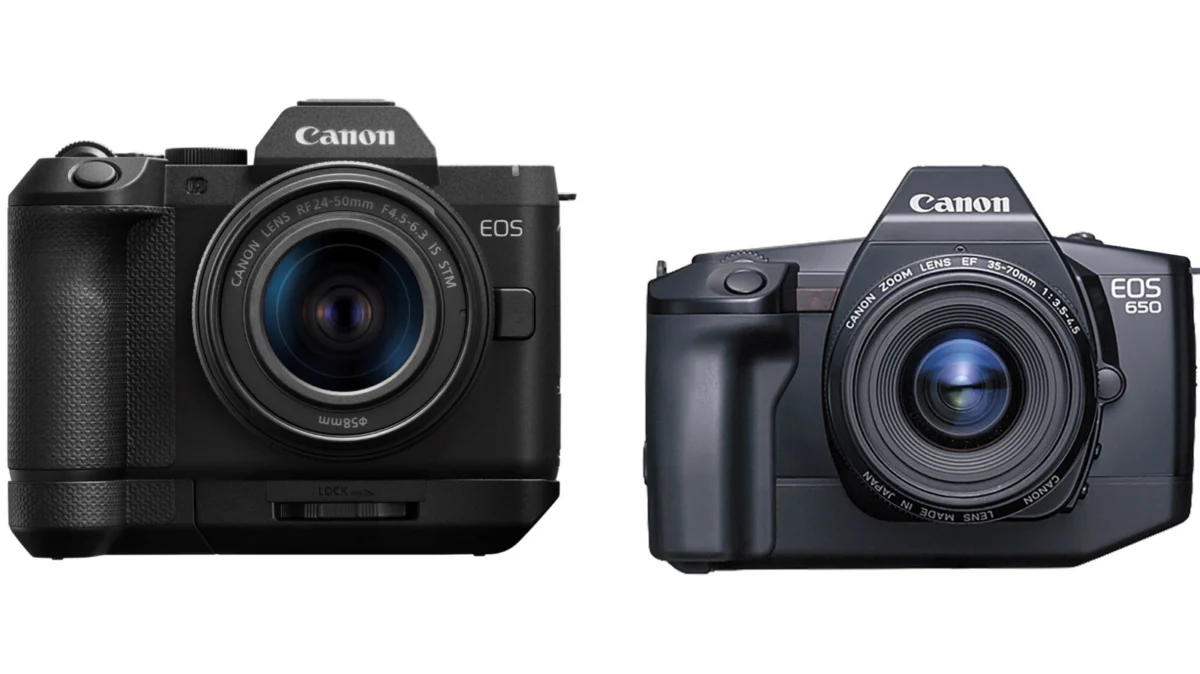
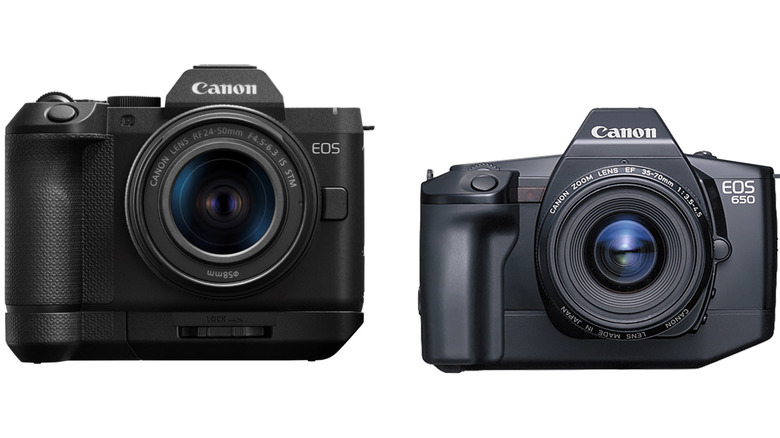
In a market increasingly dominated by streamlined, minimalist mirrorless designs, Canon is making a bold aesthetic statement. The company has officially unveiled the EOS R8 II, a 24-megapixel entry-level full-frame mirrorless camera that marries cutting-edge internal specifications with a nostalgic design language. By drawing clear inspiration from the legendary EOS 650—Canon’s first-ever EOS SLR film camera—the R8 II seeks to capture the hearts of photographers who value tactile, ergonomic, and historically significant design without sacrificing the blistering performance of modern sensor technology.
Main Facts: A New Standard for Entry-Level Performance
The EOS R8 II arrives at a critical juncture for Canon. While the brand has spent recent years aggressively courting the vlogging and content-creation community, the R8 II serves as a definitive "back to basics" moment for dedicated still photographers.
At its core, the R8 II is defined by its speed and stability. It is officially the lightest full-frame camera on the market to feature 5-axis in-body image stabilization (IBIS), weighing in at a remarkably portable 1.2 pounds (546 grams). This technical achievement ensures that photographers no longer need to compromise on stabilization when opting for a lightweight, travel-friendly body.
Furthermore, the R8 II boasts a staggering 40 frames-per-second (fps) burst rate using its electronic shutter, complete with continuous autofocus and auto-exposure. This leap in performance is complemented by a significantly deeper buffer, allowing for 58 percent more JPEG captures and 30 percent more RAW images compared to its predecessor, the original EOS R8.
Chronology of the EOS Line: From Film to Future-Proofing
To understand the significance of the R8 II, one must look back at the lineage that birthed it. The original EOS (Electro-Optical System) launched in 1987 with the EOS 650. That camera set the stage for decades of autofocus innovation.
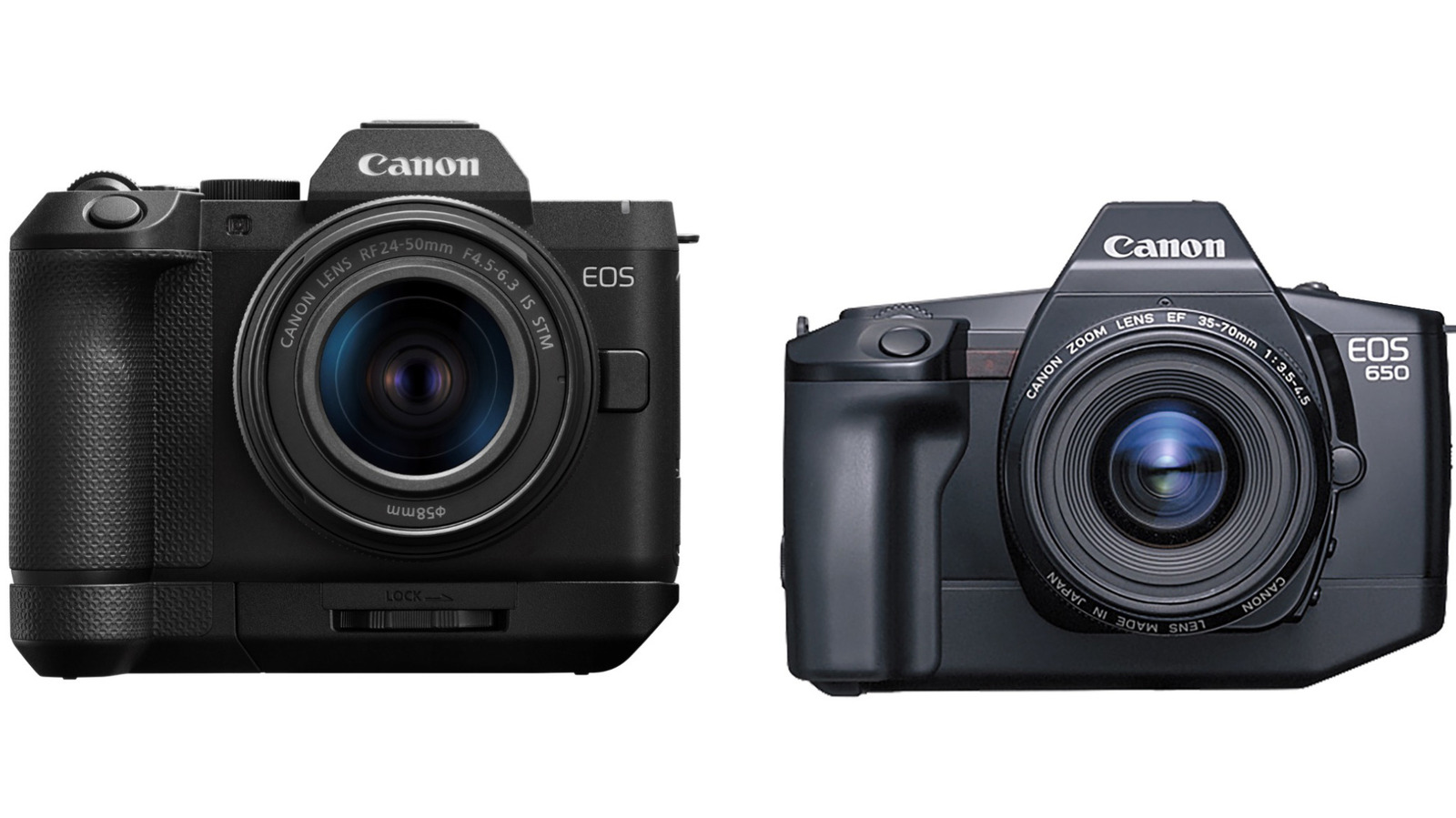
- 1987: The launch of the EOS 650, which introduced the EF mount and set the gold standard for SLR design.
- 2023: Canon releases the original EOS R8, a lightweight, compact full-frame mirrorless camera that focused on accessibility but lacked certain professional-grade controls like a dedicated AF joystick and IBIS.
- Late 2024: Canon announces the EOS R8 II. This model serves as a "course correction," reintroducing the squared-off, ergonomic silhouette of the 650 while integrating the advanced AI-driven autofocus systems found in the flagship R6 and R5 series.
By weaving the design cues of the 1980s into a 2024 digital powerhouse, Canon is attempting to foster an emotional connection with long-time users while providing the necessary technical tools for a new generation of creators.
Supporting Data: Under the Hood of the R8 II
Beyond its retro aesthetics, the EOS R8 II is a formidable piece of engineering. Its specifications are designed to cater to demanding enthusiasts who find entry-level bodies too restrictive.
The Autofocus Revolution
The camera features Canon’s Dual Pixel CMOS AF II, which provides 100 percent frame coverage. Unlike the previous generation, the R8 II utilizes advanced subject-tracking algorithms that are more "tenacious" when locking onto people, animals, and vehicles. Perhaps the most significant addition is the "Registered People" feature—a tool previously reserved for high-end professional bodies like the EOS R6 III. This allows photographers to prioritize specific subjects in a crowd, ensuring focus stays locked on the intended target even in chaotic shooting environments.
Pre-Continuous Shooting
In a nod to sports and wildlife photographers, the R8 II includes a pre-continuous shooting mode. This feature captures up to 20 frames (half a second of footage) before the user even fully depresses the shutter button, effectively mitigating human reaction time delays.
Optical and Physical Versatility
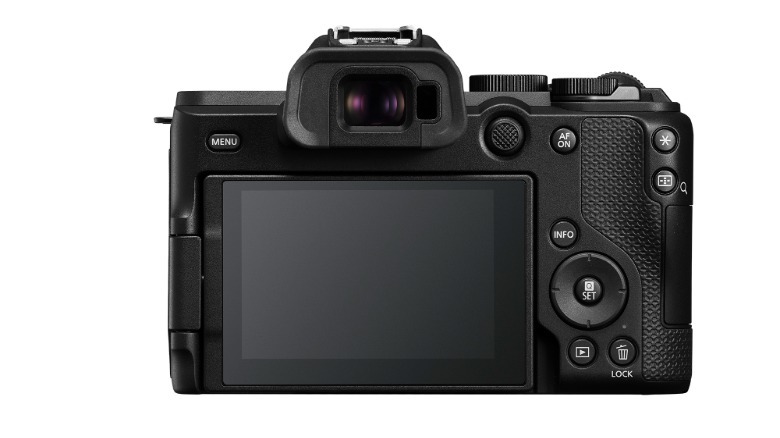
The inclusion of an AF joystick is perhaps the most requested update from R8 users. Its placement allows for rapid focus-point adjustments, a necessity for fast-paced street photography. The camera also includes a variety of creative "film looks," including Positive Filmtone, Negative Filmtone, and Night Scene, providing JPEGs with a distinct, nostalgic color science right out of the camera.
Official Responses and Strategic Positioning
During the unveiling, Canon representatives emphasized that the R8 II is not merely an iterative update, but a response to user feedback. When asked about the "entry-level" designation, the company noted that the definition of an entry-level full-frame camera has shifted due to global economic factors, including inflation and supply chain tariffs.
"The R8 II is designed to be the only camera an enthusiast needs," a company spokesperson stated. By packing pro-grade AF and IBIS into a body that feels like a classic SLR, Canon believes it has created a product that transcends traditional market tiers. While the $1,899 price tag may cause sticker shock for some, Canon is positioning the R8 II as a long-term investment in a professional ecosystem, rather than a disposable entry-point.
Implications for the Mirrorless Market
The release of the R8 II carries several implications for the broader photography industry.
The "Retro" Trend as a Competitive Advantage
Canon is clearly following the lead of competitors like Fujifilm and Nikon, who have found immense success in selling cameras that "feel" like film gear. By reviving the aesthetic of the EOS 650, Canon is betting that users are tired of the "black box" uniformity of modern mirrorless cameras. The tactile experience of the angled shutter button and the squared-off grip provides a psychological satisfaction that touchscreens cannot replicate.
Video vs. Photography Parity
While the R8 II is marketed as a stills-first camera, its video specifications remain top-tier. The ability to shoot 4K 60p oversampled from 6K, combined with 10-bit 4:2:2 internal capture and C-Log3, ensures that hybrid shooters are not left behind. The integration of "Slow & Fast" modes and enhanced stabilization for video makes the R8 II a powerful tool for solo content creators who need professional-grade footage without the bulk of a cinema-line body.
The Challenges Ahead
Despite its strengths, the R8 II faces hurdles. The single UHS-II card slot may deter professional wedding or event photographers who require the redundancy of dual slots. Additionally, the limited battery life—rated at 340 shots in power-saving mode via the LP-E17 battery—remains a sticking point for high-volume shooters who will undoubtedly need to invest in multiple spare batteries or the optional EG-E2 Extension Grip.
Final Verdict: A Balanced Hybrid
The Canon EOS R8 II is a masterclass in compromise—in the best sense of the word. It takes the lessons learned from the R8’s initial launch and addresses them with a level of design sophistication that honors Canon’s past. For the photographer who wants the speed of a modern sensor, the precision of AI-driven autofocus, and the satisfying ergonomics of a classic film camera, the R8 II represents a compelling, if premium-priced, choice.
As the camera heads toward its late October release, it remains to be seen whether the market will fully embrace this hybrid of old and new. However, if the buzz around its design is any indication, Canon has succeeded in making a camera that is as much a joy to hold as it is to use. Whether you are a legacy fan of the EOS 650 or a newcomer to the full-frame mirrorless world, the R8 II is a sign that the future of photography is looking fondly, and effectively, at the past.


 Lina Hope