Siti Muinah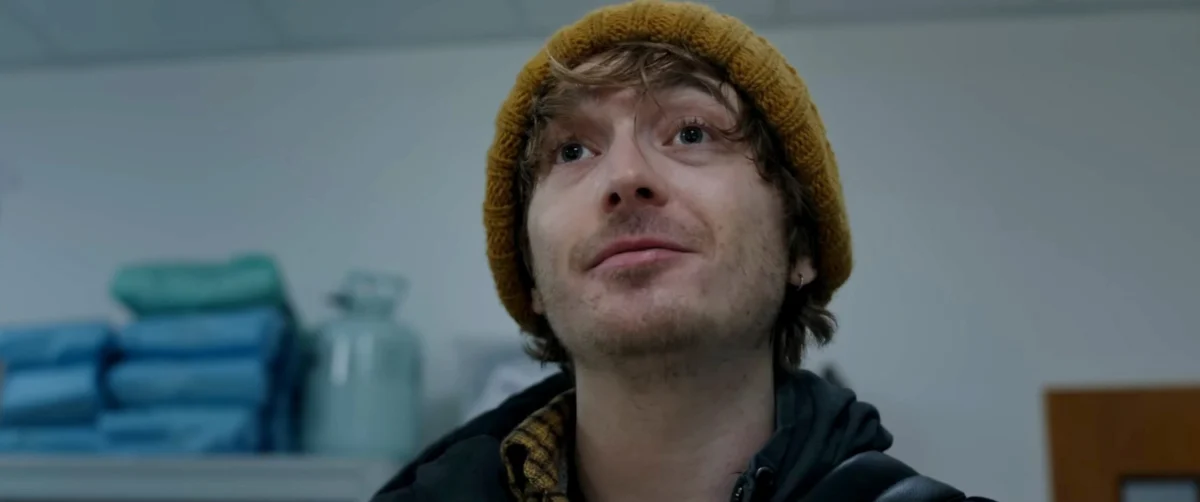
SPOILER ALERT: This article contains major plot details regarding the 2026 film "Resident Evil," now playing in theaters.
The "Resident Evil" franchise has long occupied a unique space in pop culture. Since its inception in 1996, Capcom’s survival horror juggernaut has evolved from a pixelated, B-movie-inspired nightmare into a global multimedia empire. While it once held the crown as the highest-grossing video game film series in history—a title eventually surrendered to Universal’s Super Mario juggernauts—the brand remains a touchstone for the horror genre.

Following a tumultuous cinematic history, which included the commercially successful but critically polarizing six-film series by Paul W.S. Anderson and the tepidly received 2021 reboot Welcome to Raccoon City, the property has undergone its most radical transformation yet. Directed by Zach Cregger, the creative force behind the sleeper hit Barbarian and the upcoming Weapons, the new Resident Evil represents a departure from the established lore, opting for a grounded, claustrophobic approach to the iconic Umbrella Corporation mythos.
The Genesis of a Survival Horror Icon
To understand the gravity of Cregger’s new film, one must revisit the bedrock of the source material. The 1996 original, developed by Shinji Mikami and Tokuro Fujiwara, revolutionized the industry by emphasizing resource scarcity and psychological tension over sheer firepower.

Players were introduced to S.T.A.R.S. (Special Tactics and Rescue Service) members Chris Redfield and Jill Valentine, whose investigation into a series of cannibalistic murders leads them to a secluded mansion on the outskirts of Raccoon City. Beneath the architecture lay the laboratory of the Umbrella Corporation, a pharmaceutical giant that had weaponized the T-Virus.
The 1998 sequel, Resident Evil 2, remains widely considered the high-water mark of the series. By moving the action to the urban sprawl of a collapsing Raccoon City and introducing fan-favorite characters Claire Redfield and Leon S. Kennedy, the series expanded its scope, establishing the "outbreak" trope that would define subsequent entries. From the rural horrors of Resident Evil 4 to the gothic vampire aesthetics of Village, the franchise has proven remarkably malleable, yet it has struggled to capture that same lightning in a bottle on the silver screen—until now.

A New Perspective: Zach Cregger’s Raccoon City
Zach Cregger’s Resident Evil (2026) is a bold exercise in subversion. Rather than centering the narrative on the well-trodden exploits of Chris, Jill, or Leon, Cregger shifts the focus to the "everyman" caught in the gears of corporate malice.
The film stars Austin Abrams as Bryan, a low-level medical courier. In a stroke of narrative genius, Cregger uses Bryan’s mundane employment as a lens through which to view the horrors of the Umbrella Corporation. Bryan is not a soldier or a super-cop; he is a man simply trying to survive a "not-so-routine" delivery in a city that is rapidly descending into biological chaos. By stripping away the heavy weaponry and military training of previous protagonists, Cregger emphasizes the visceral vulnerability that made the 1996 game so terrifying.

The production design of Raccoon City in the 2026 film is a love letter to the early games. The architecture reflects a decaying industrial hub, where the pristine, sterile aesthetic of the Umbrella Corporation’s labs clashes violently with the grime of the city streets.
Chronology of the Franchise: From Pixels to Prototypes
The trajectory of the Resident Evil cinematic universe serves as a case study in the evolution of franchise management:

- 2002–2016: The Paul W.S. Anderson Era. A six-film saga starring Milla Jovovich that prioritized high-octane action and stylized aesthetics over the survival-horror roots of the games.
- 2021: Resident Evil: Welcome to Raccoon City. An attempt to faithfully adapt the first two games into a single narrative, which failed to resonate with critics or audiences due to pacing issues and a compressed timeline.
- 2026: The Cregger Reboot. A total creative reset that prioritizes tone and atmospheric dread, positioning the film as a standalone thriller rather than a direct video game adaptation.
Supporting Data: The Commercial Landscape
The transition of Resident Evil into a "prestige horror" property is a calculated move by Sony Pictures. Industry analysts note that while the Jovovich-led films were profitable, they carried a "B-movie" stigma that limited their critical ceiling. By hiring Zach Cregger—a director known for his ability to blend dark comedy with intense, unpredictable horror—Sony is attempting to elevate the brand.
Early box office returns suggest that the strategy is working. By marketing the film as an original thriller with "Resident Evil DNA" rather than a fan-service adaptation, the studio has successfully courted both long-term fans of the games and general horror enthusiasts. The film’s budget, while substantial, was kept in check by focusing on practical effects and a centralized, claustrophobic setting, ensuring a higher return on investment compared to the CGI-heavy blockbusters of the 2010s.

Official Responses and Creative Intent
In recent interviews, Zach Cregger has been vocal about his desire to avoid the "lore-heavy" pitfalls of previous attempts. "I wasn’t interested in making a movie about a virus," Cregger told Variety. "I was interested in the human cost of a corporation that views life as a disposable asset. Bryan is the perfect vessel for that. He’s the person who gets left behind in the office cubicle when the alarm bells go off."
Sony Pictures executives have praised Cregger’s vision, noting that his approach to the "Resident Evil" brand is the most sustainable path forward. "We didn’t want to just recycle characters that people already have a fixed image of," a studio spokesperson stated. "We wanted to expand the world. Raccoon City is a setting, not just a list of cameos."

Implications: The Future of Game-to-Film Adaptations
The success of Cregger’s film carries significant implications for the future of video game adaptations. For decades, the industry operated under the assumption that an adaptation must "recreate" the experience of playing the game. This often led to disjointed narratives and "quest-like" pacing that failed to translate to film.
Cregger’s Resident Evil proves that the best way to honor a game series is to respect its atmosphere rather than its checklist of characters. By focusing on the feel of the source material—the isolation, the dread, and the systemic corruption of Umbrella—the film captures the essence of the experience without being beholden to the constraints of the controller.

As studios look toward the next generation of video game properties, the "Cregger Blueprint" will likely become the gold standard. We are seeing a move away from "fan-service" and toward "world-building." Whether or not this will lead to a new era of Resident Evil sequels remains to be seen, but for now, the series has finally escaped the "zombie-like" stagnation of its past.
The horror is no longer just in the creatures roaming the streets of Raccoon City; it is in the cold, corporate indifference that allowed them to exist. And in 2026, that is a message that resonates more than ever.


 Dwi Wanna
 Evan Lee Salim