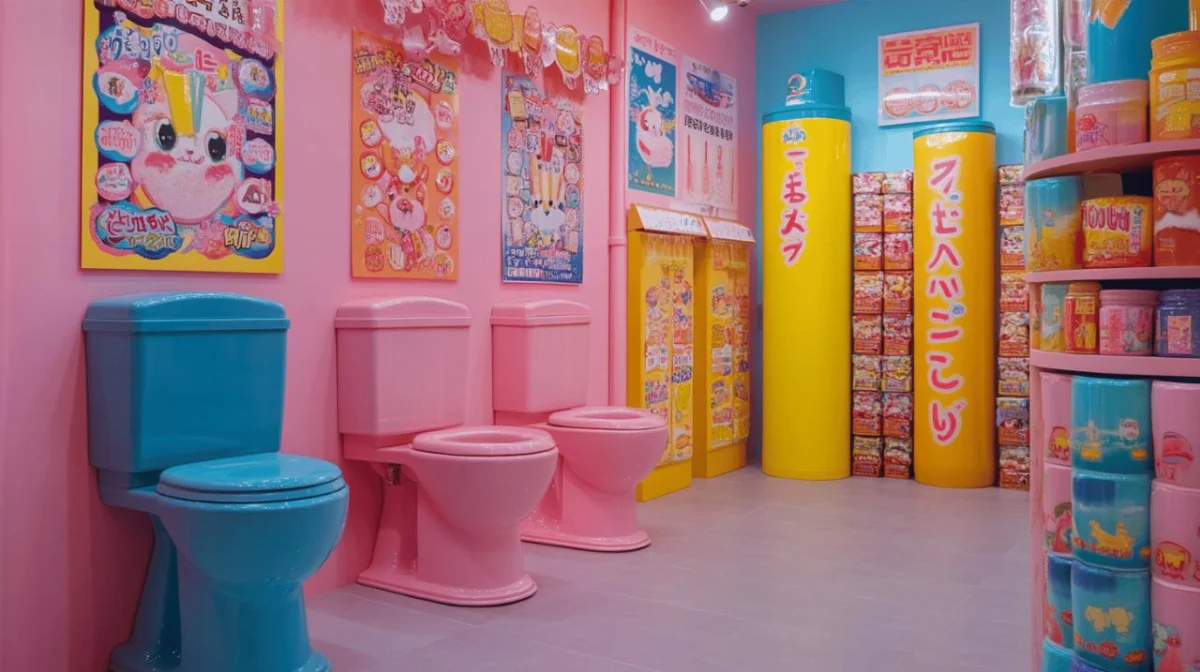
The world of confectionery is typically defined by predictable flavor profiles, colorful packaging, and established branding. Yet, in the bustling, neon-lit markets of Japan, the boundary between "snack" and "performance art" is perpetually blurred. Among the most iconic—and arguably most bizarre—examples of this creative ethos is the Moko Moko Mokoletto, a DIY candy kit that invites consumers to assemble a miniature plastic toilet and consume a fizzy, bubbling concoction directly from the bowl.
While it may elicit a smirk or a raised eyebrow from the uninitiated, the Moko Moko Mokoletto represents a masterful intersection of industrial design, sensory experience, and viral marketing. What began as a niche novelty in the Land of the Rising Sun has since evolved into a global symbol of Japanese "kawaii" (cute) and "wacky" culture, demonstrating how a simple, interactive sweet can transcend borders and become a digital-age phenomenon.
Main Facts: Deconstructing the Mokoletto Experience
At its core, the Moko Moko Mokoletto is not merely a piece of candy; it is a "Dagashi" (a term for traditional, inexpensive Japanese snacks) reimagined for the modern era. The product is sold as a flat-packed kit, requiring the user to perform a minor feat of engineering: snapping together the base, the tank, and the bowl of a miniature, realistic-looking toilet.
Once the structure is complete, the "culinary" experience begins. The kit includes sachets of flavored powder—typically fruit-based—which, when mixed with a precise amount of water in the tank, results in an effervescent, foaming reaction. As the liquid flows into the bowl, it creates a thick, edible foam that users drink through a straw.
The brilliance of this product lies in its subversion of taboos. By taking an object associated with the most private of human functions and turning it into a vessel for a sugary treat, the manufacturers have tapped into a specific strain of Japanese humor that values the juxtaposition of the mundane with the ridiculous. It is tactile, it is messy, and, perhaps most importantly, it is inherently shareable.
A Chronology of a Cultural Export
The trajectory of Moko Moko Mokoletto from a local curiosity to an international sensation is a case study in how global trends are formed in the 21st century.
2013: The Launch and Immediate Buzz
The product debuted in Japan in 2013, produced by the confectionery company Heart Corporation. It was not intended to be a serious dietary staple; rather, it was marketed as a "fun activity" for children and a tongue-in-cheek gift for adults. The reaction in Japan was immediate. It wasn’t long before images of the tiny, foaming toilets began appearing on Japanese social media platforms, sparking a wave of curiosity among the tech-savvy youth demographic.
2014: Crossing the Pacific
By 2014, the candy had begun to leak into Western markets. Through specialty import shops and online marketplaces like eBay and Amazon, the Mokoletto found its way into the hands of American and European consumers. During this period, the product was frequently labeled as "WTF Japan" content—a moniker used by Western bloggers and early YouTube content creators to describe the bizarre, inexplicable, yet fascinating products emerging from East Asia.
2015–Present: Digital Normalization
What was once considered "shocking" became a staple of the "Japanese candy box" subscription industry. Companies specializing in shipping curated Japanese snacks to global customers made the Mokoletto a recurring highlight. Today, the product is recognized not as a transgression of social norms, but as a standard, albeit eccentric, piece of Japanese pop culture.
Supporting Data: The Digital Footprint
The success of the Moko Moko Mokoletto cannot be attributed to traditional advertising campaigns. Instead, it thrived on the burgeoning "unboxing" and "reaction" culture of the mid-2010s.
The Role of Niche Blogs and Early Influencers
Platforms such as La Banane qui Parle and Un Loulou et une Poupette served as critical nodes in the dissemination of this product within the Francophone world. These blogs did more than just review the taste—which is often described as a sweet, tart, soda-like flavor—they documented the process.
For instance, detailed articles tracking the assembly process saw thousands of unique visits. One such report garnered over 6,500 views, a significant figure for a niche hobbyist blog. These sites created dedicated sections for "Fantaisyland" items, effectively framing the Mokoletto as a collectible, high-interest object rather than just a quick snack.
Engagement Metrics
The power of the Mokoletto is its "shareability." Because the product requires assembly and produces a visual, fizzy reaction, it is tailor-made for short-form video. Long before the era of TikTok, the product was gaining traction through YouTube "challenge" videos where creators would try to assemble and eat the product under time pressure. This generated an "organic marketing loop": a creator would film their experience, their viewers would express curiosity, and those viewers would eventually purchase the kit to film their own version, creating an endless cycle of visibility.
Official Responses and Manufacturer Intent
Heart Corporation, the manufacturer behind the Moko Moko Mokoletto, has largely maintained a strategic silence regarding the "gross-out" factor of their product, choosing instead to lean into the "cute" aspect of the design.
In various trade shows and press releases, the company has emphasized the process of the candy. They market it as a "Communication Tool," designed to foster family interaction. By framing the product as a way for parents and children to bond over a shared task, they successfully rebranded a potentially controversial item into a wholesome activity.
Furthermore, the brand has expanded the Mokoletto line into a series of collectibles. By releasing different colors, styles, and "deluxe" versions of the toilet—complete with tiny stickers and decorative elements—they have tapped into the collector’s mindset. This shifts the consumer’s focus away from the "toilet" aspect and toward the "completion" of a set, effectively stabilizing the brand’s long-term market presence.
Implications: The Future of Novelty Confectionery
The Moko Moko Mokoletto serves as a profound example of how sensory experiences are redefining the retail landscape.
The Rise of "Experience-Based" Eating
The traditional confectionery market is struggling with the shift toward healthier lifestyles. However, the Mokoletto bypasses this by selling an experience rather than just calories. Consumers are not paying for the nutritional value of the powder; they are paying for the 15 minutes of assembly, the visual satisfaction of the fizz, and the ability to share that moment with an online audience. This "experience economy" is likely to dictate the future of the snack industry.
Cultural Globalization and the "Weird"
The acceptance of the Mokoletto in the West is a testament to the power of cultural globalization. It signifies a transition where Western consumers no longer view foreign products solely through their own cultural lens of "normalcy." Instead, there is a growing appetite for "authentic weirdness." The Mokoletto proves that if a product is interesting enough, the social friction of its premise becomes its greatest asset.
The Sustainability Challenge
While the Mokoletto is a marketing triumph, it raises questions about sustainability. Each kit involves plastic packaging that is often discarded after a single use. As environmental awareness grows, the next iteration of such novelty products will need to address the ecological impact of their plastic-heavy design. Manufacturers who can marry the "Mokoletto experience" with biodegradable or reusable materials will likely lead the next wave of interactive confectionery.
Conclusion
The Moko Moko Mokoletto remains a titan of the novelty candy world. It is a product that defied the odds, turning a bathroom-themed joke into a cross-cultural phenomenon. By embracing the digital shift, fostering a community of collectors, and leaning into the inherent joy of the absurd, it has cemented its place in the history of modern snacks.
Whether one finds it charming or repulsive, the Mokoletto stands as a reminder that in the world of global commerce, creativity—even when it involves a miniature plastic toilet—is the most effective ingredient for success. As we look toward the future, the legacy of the Mokoletto will continue to influence how brands engage with their audience: not just by feeding them, but by giving them something to talk about.