Siti Muinah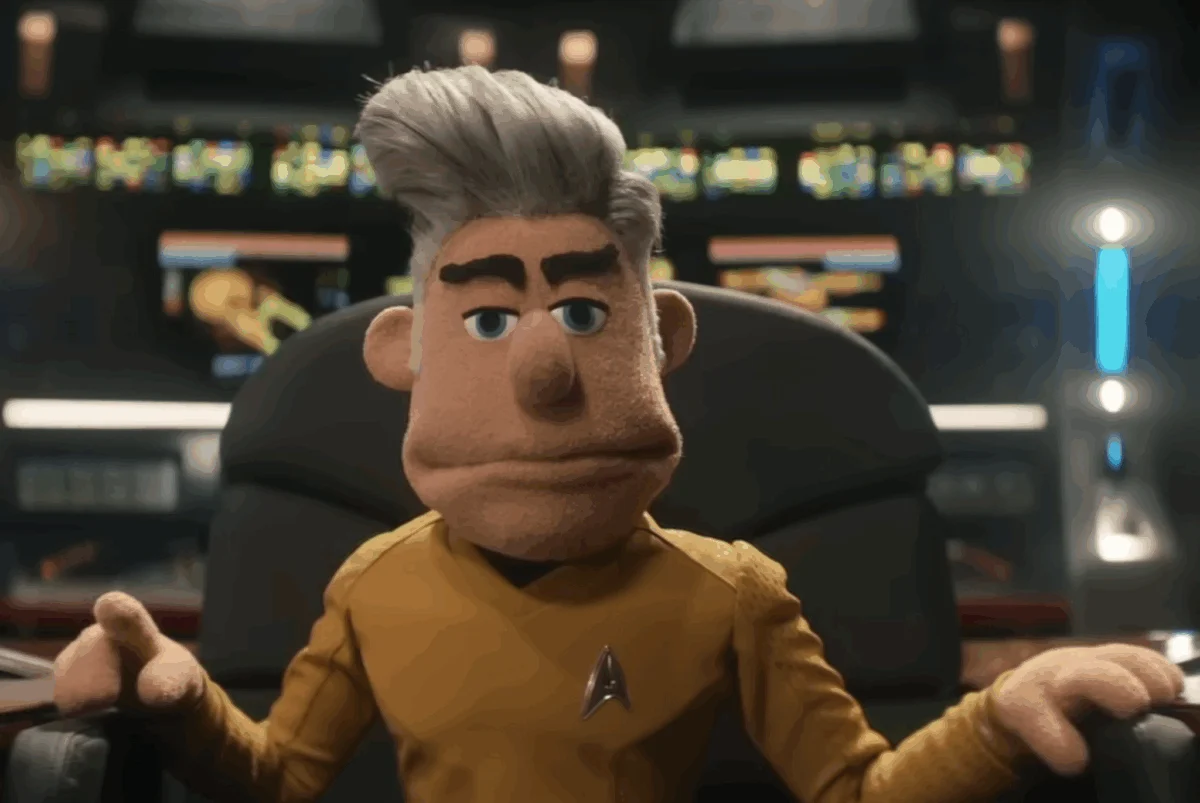
The fourth season of Star Trek: Strange New Worlds has cemented the series’ reputation as the most experimental entry in the modern Star Trek canon. By embracing a high-concept, genre-bending format, the show has systematically deconstructed the traditional procedural template, offering audiences everything from noir-inspired detective thrillers to whimsical puppet-led adventures. While this creative boldness has earned critical acclaim for its ingenuity, it has also sparked a spirited debate among the long-standing fan base. As the show approaches its fifth and final season, the discourse surrounding its "gimmick" episodes has moved to the forefront of the franchise’s narrative evolution.
The Evolution of the Genre-Bending Format
Since its inception, Strange New Worlds has consistently signaled its intent to break the mold. Unlike the serialized, heavy-handed dramas that defined much of the early Star Trek streaming era, this series has leaned into the episodic structure that defined the 1960s original series. However, it has taken this legacy a step further, using the format to play with established genre tropes.
The chronology of these narrative pivots highlights a clear commitment to stylistic diversity. In previous seasons and into the current fourth season, viewers have been treated to:
- Noir Detective Noir: Episodes utilizing high-contrast, black-and-white cinematography to explore archetypal crime-solving tropes within a sci-fi framework.
- Puppetry and Whimsy: A bold departure from live-action realism, utilizing puppetry to tell stories that prioritize character development through unconventional visual mediums.
- The Soap Opera: A narrative shift focusing on heightened interpersonal melodrama, typically reserved for daytime television, transposed onto a starship bridge.
- High Fantasy: The most recent foray, involving knights and dragons, which challenged the internal logic of the Star Trek universe by introducing elements of classic folklore into the science fiction setting.
These choices are not merely aesthetic; they are structural experiments designed to see how the crew of the U.S.S. Enterprise reacts when forced into environments where their standard Starfleet protocols are either obsolete or entirely rewritten.
The Case for Creative Risk-Taking
The primary question posed by skeptics—"Why?"—is one that executive producers Akiva Goldsman and Henry Alonso Myers have addressed with both transparency and defensive resolve. For the showrunners, these gimmicks are not intended to alienate the audience, but to honor the spirit of the franchise’s progenitor.
"I really do respect and hear the criticism," Goldsman stated in a recent interview. "For us, the answer was no [to having fewer gimmicky episodes], because the original series always jumped around in genre."
Goldsman’s argument centers on the historical precedent set by Gene Roddenberry’s original 1966 series. From horror-influenced episodes to lighthearted comedies, the original Star Trek was defined by its refusal to be tethered to a single tone. By emulating this variety, Goldsman and Myers argue that they are not just making a television show, but are actively engaging with the "Star Trek fan" within themselves. They contend that the goal is to use the genre as a vehicle for storytelling, rather than letting the science fiction setting dictate the limits of the narrative.
Balancing Tastes: The Executive Strategy
One of the most difficult challenges for a show with such a wide demographic reach is the balancing act of tone. Henry Alonso Myers notes that the intent behind these diverse episodes is to ensure that every viewer, regardless of their specific preferences, finds something to resonate with over the course of a season.
"Not every Star Trek is for everybody," Myers explained. "But I guarantee that the bulk of the episodes that we do in our season will be for most people." This philosophy suggests that while an episode involving singing, puppets, or dragons might alienate a segment of the audience looking for hard sci-fi, it serves to capture the imagination of another segment, creating a "mixed bag" that, when viewed as a whole, constitutes a well-rounded season of television.
The Cast’s Perspective: "The Mission Remains"
For the cast, these shifts in tone are a test of character consistency. Rebecca Romijn, who portrays Una Chin-Riley, has been a vocal proponent of the show’s creative swings. Her perspective provides a unique bridge between the production team’s artistic goals and the viewer’s experience.
"I think that if you remove the gimmick, the mission is still there," Romijn remarked. "Take away every gimmick, and it’s still a Star Trek episode. Every single last one. We stand behind every single swing that we took."
Romijn acknowledges the polarization, noting that these episodes have been a "mixed bag" in terms of public reception. However, she believes that the value of these episodes will become clearer with time. She suggests that on second or third viewings, the narrative substance—the core themes of leadership, ethics, and exploration—becomes more apparent, even through the lens of the "gimmick."
Looking Toward the Finale: Season Five
As the series prepares to conclude, the production team has indicated a shift in strategy. With the upcoming fifth season serving as the final chapter, the narrative focus will shift away from standalone experiments toward the resolution of long-standing character arcs.
According to Romijn, fans who have been vocal about their dislike of these genre shifts can look forward to a more grounded conclusion. "You won’t see so many gimmicks in season five," she said with a laugh. "Good news, gimmick haters!"
This pivot is strategic; as the series reaches its terminus, the audience’s emotional investment in the characters, such as Pike, Spock, and Una, will likely take precedence over the experimental playfulness that defined the middle seasons.
Implications for the Franchise
The "gimmick" era of Strange New Worlds has profound implications for the future of the Star Trek franchise. It has demonstrated that modern audiences are willing to accept tonal instability if the quality of production and the heart of the storytelling remain consistent. By proving that the Enterprise can survive a descent into fantasy or a detour into detective noir, the show has effectively expanded the boundaries of what is considered "Star Trek."
However, this experiment also serves as a warning. There is a delicate line between creative innovation and thematic dilution. The success of Strange New Worlds hinges on the fact that these episodes are still anchored in the established characters and their ongoing arcs. If the "gimmick" ever takes precedence over the character development, the emotional core of the show risks fracturing.
As we look toward the final season, the legacy of Strange New Worlds will likely be defined by its courage to try. Whether or not these episodes are viewed as masterpieces or missteps in the long run, they have undoubtedly kept the Star Trek brand vibrant and unpredictable. In an era of television defined by algorithmic predictability, the willingness to embrace the strange—and the occasionally gimmicky—is perhaps the most "Star Trek" thing the producers could have done.
As the crew of the Enterprise prepares for their final voyage, they do so having left an indelible mark on the franchise, proving that even in the vastness of space, there is always room to try something new, even if it involves a dragon or two.


 Ammar Sabilarrohman