Nana Muazin
The gaming industry is currently gripped by a familiar yet transformed debate. As we navigate the mid-point of 2026, the discourse surrounding Valve’s upcoming Steam Machine has reached a fever pitch. Early criticism focused heavily on the device’s perceived underpowered specifications, a lofty price tag, and a series of frustrating delays. Skeptics have been vocal, labeling the project a "hardware con" and questioning the value proposition of a machine that refuses to adhere to traditional console pricing models.
However, beneath the surface-level skepticism lies a more nuanced reality. Valve is not merely attempting to release a "PC in a box"; they are attempting to redefine the living room ecosystem. By leveraging the immense power of Steam, the efficiency of SteamOS, and a consumer-first philosophy that remains largely absent in the corporate boardrooms of its competitors, Valve is positioning the Steam Machine as a legitimate, disruptive rival to the PlayStation and the shifting landscape of Microsoft’s gaming hardware.
The Main Facts: Defining the Steam Machine
At its core, the Steam Machine is a dedicated hardware solution running SteamOS—a custom-built, Linux-based environment that has been refined through years of testing on the Steam Deck. The hardware specifications, while modest by enthusiast desktop standards, represent a carefully calibrated balance of efficiency and performance:
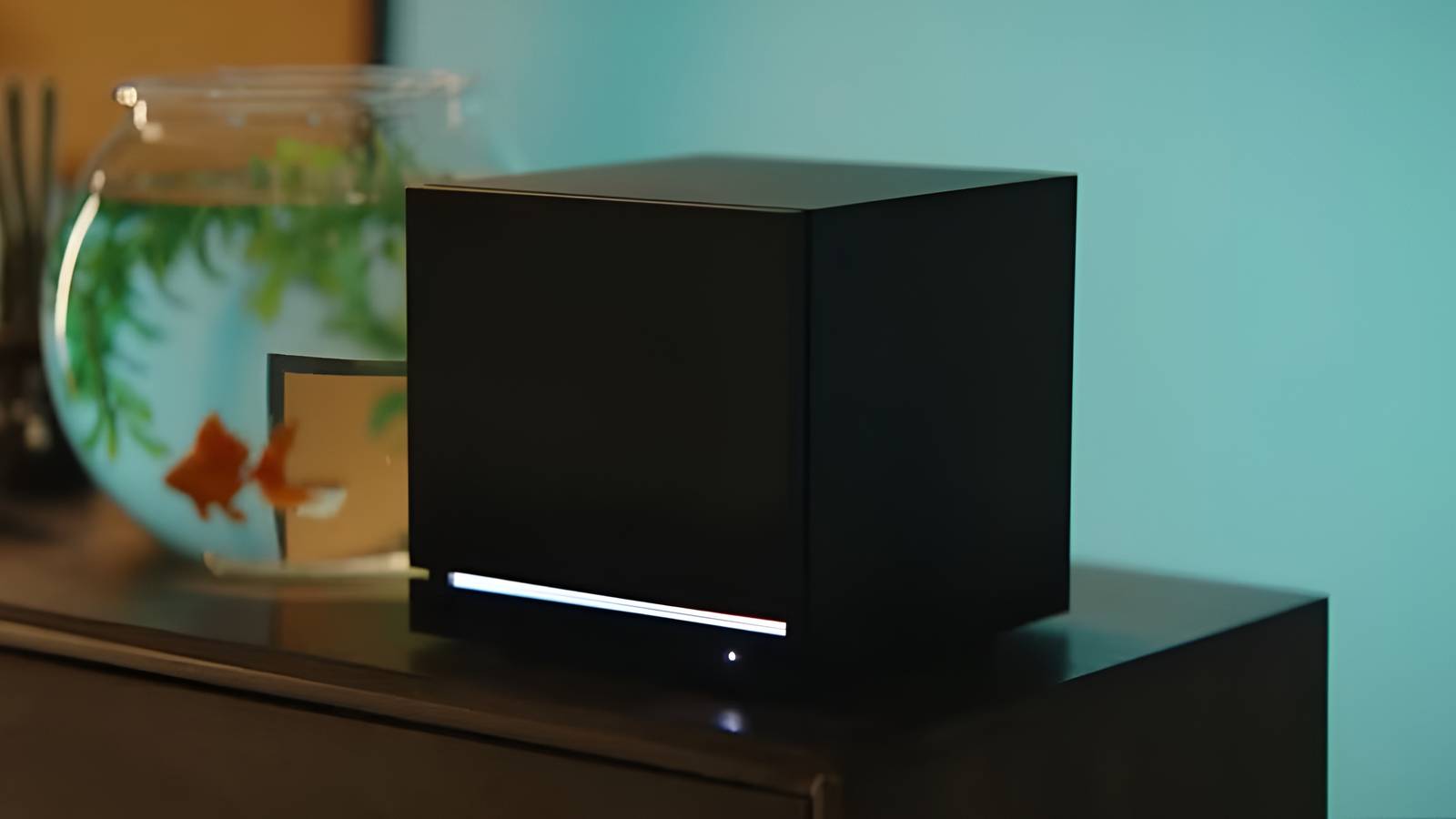
- Processor: AMD 6-core Zen 4 x86, clocking up to 4.8 GHz with a 30W TDP.
- Graphics: A semi-custom AMD RDNA3 28CU unit, boasting 8GB of GDDR6 memory and a 110W TDP.
- Memory: 16GB of high-speed DDR5 SODIMM RAM.
- Storage: Options for 512GB or 2TB internal storage, supplemented by a microSD card slot for expanded utility.
- Connectivity: Extensive I/O including DisplayPort 1.4, HDMI 2.0, Gigabit Ethernet, and a suite of USB Type-C and Type-A ports.
Unlike a standard gaming PC, which requires constant maintenance, driver updates, and OS tinkering, the Steam Machine is designed for the "console experience." It is intended to be a plug-and-play device that brings the vast library of PC gaming—spanning decades of history—directly to the television screen without the "bloat" associated with Windows.
A Chronology of the Return
The road to the current iteration of the Steam Machine has been long and fraught with challenges. Following the lukewarm reception of the original Steam Machines in the mid-2010s, Valve effectively went back to the drawing board.
The turning point was the 2022 launch of the Steam Deck. The handheld proved that Valve’s proprietary version of Linux was not only viable but superior to Windows for gaming in terms of resource management and sleep-wake functionality. Throughout 2024 and 2025, rumors of a "console-grade" Steam Machine began to circulate, fueled by supply chain leaks and cryptic updates to the Steam client.

By early 2026, the product was formally acknowledged, though it faced initial delays due to global semiconductor shortages and the need for further software optimizations. These delays, while frustrating to the impatient, have allowed Valve to refine the SteamOS interface, ensuring that the transition from a portable Steam Deck to a stationary living room console is seamless for the end-user.
Supporting Data: Why the Skeptics Are Looking at the Wrong Metrics
The primary argument against the Steam Machine is its price, with industry insiders anticipating a $1,000 entry point. Critics argue that for that price, one could build a more powerful desktop. However, this argument ignores the shifting economic reality of the console market.
With the PlayStation 5 Pro retailing at $900 and the standard PS5 seeing price hikes in various regions, the "premium" price of the Steam Machine no longer feels like an outlier. When you factor in the lack of subscription fees for online multiplayer—a massive cost-saving measure compared to PlayStation Plus or Xbox Game Pass—the total cost of ownership over a three-year period is significantly lower on the Steam Machine.
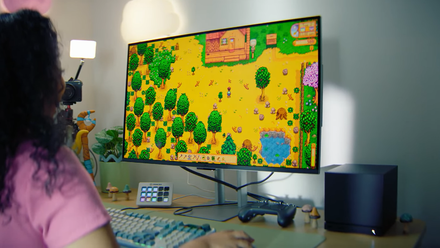
Furthermore, the "exclusives" argument is losing steam. Valve’s platform doesn’t need to lock users into a walled garden to keep them; it offers them a permanent library. Games purchased on the Steam Machine are the same games you own on your desktop, laptop, or Steam Deck. This cross-device interoperability creates a "stack" of gaming hardware that feels unified, rather than fragmented.
Industry Implications and Official Sentiments
The ripple effects of Valve’s strategy are already being felt at the highest levels of the industry. Former Xbox executive Mike Ybarra recently stoked the flames of industry speculation, noting that Sony is increasingly viewing Valve as a primary threat. According to Ybarra, as Microsoft shifts its focus away from traditional hardware cycles—under the umbrella of "Project Helix"—Sony is pivoting back to aggressive, console-exclusive strategies to differentiate itself.
Sony’s concern is not unfounded. Valve operates as a private company, shielded from the short-term, quarterly earnings pressures that force companies like Ubisoft, EA, or even Microsoft to make anti-consumer decisions. This autonomy allows Valve to invest in long-term infrastructure, such as the Steam Controller’s legacy and the upcoming "Steam Frame" VR headset, without needing to satisfy external shareholders.
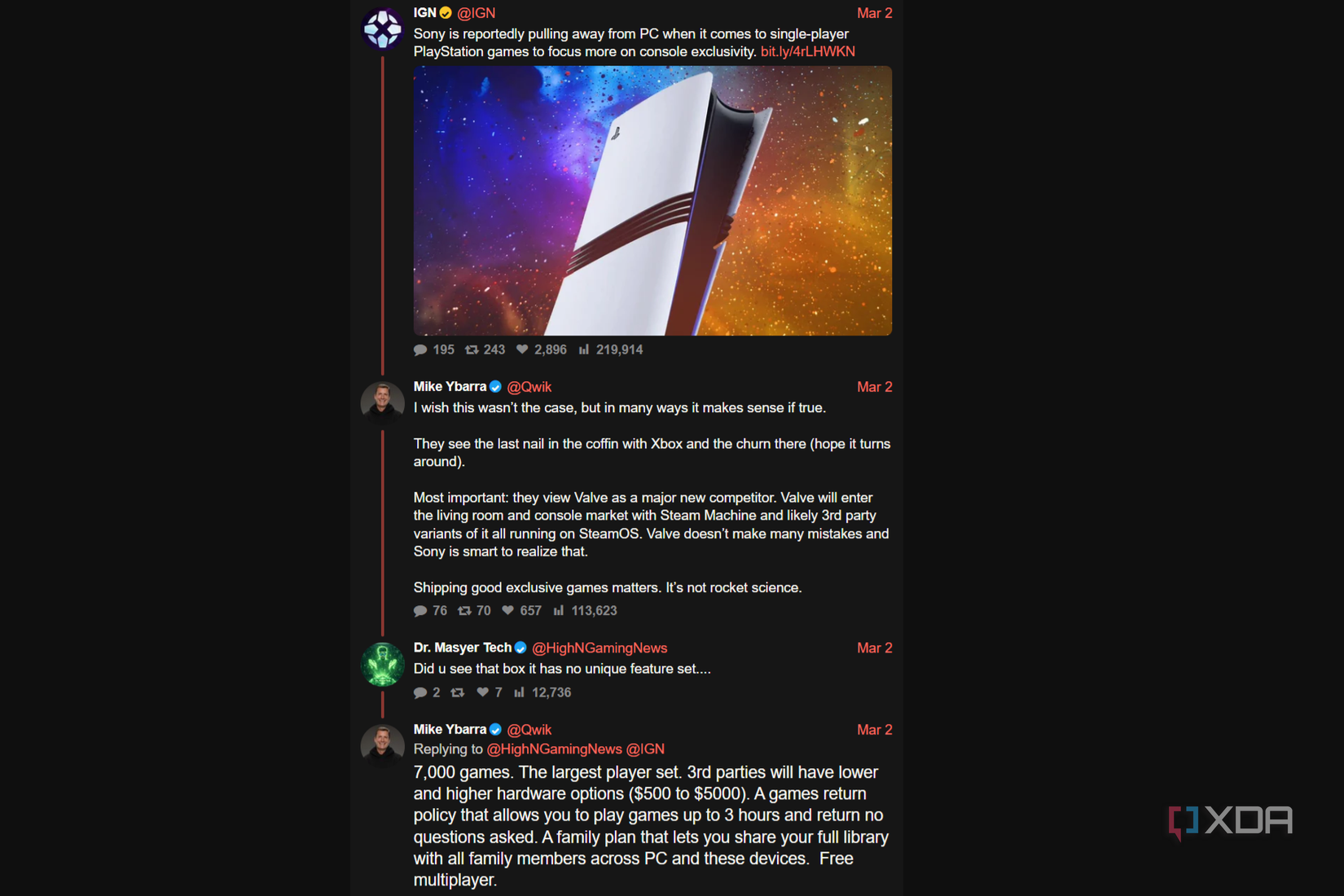
The industry is watching closely. If the Steam Machine succeeds, it could effectively end the era of closed console ecosystems. It signals a move toward an open-hardware standard where the software (SteamOS) is the platform, and the hardware is simply a vessel for that experience.
The Future: A New Age of Console Wars
The arrival of the Steam Machine in 2026 marks the beginning of a three-way tug-of-war for the living room.
- Sony remains the titan of high-fidelity, exclusive-driven hardware.
- Microsoft is transitioning into a software and service-first entity, focusing on cloud integration and cross-platform accessibility.
- Valve is positioning itself as the "Gamer’s Champion," providing a high-performance, open-ecosystem device that respects the user’s existing library.
For the average consumer, this competition is a net positive. It forces incumbents to justify their hardware pricing and, more importantly, it forces them to acknowledge the growing demand for consumer-friendly practices. The Steam Machine may not replace every console in every home, but it provides a compelling alternative for the millions of gamers who have already invested in the Steam ecosystem.

As we look toward the final launch date, the question is no longer "Will the Steam Machine survive?" but rather "How will the industry adapt to it?" Whether you are a die-hard console fan or a dedicated PC builder, the Steam Machine represents a significant shift. It is a bold statement that the living room is not just for consoles, but for anyone who values performance, choice, and the enduring legacy of their digital library.
In the final analysis, Valve is playing a long game. While its competitors are worried about the next fiscal quarter, Valve is focused on the next decade of gaming—and they have clearly decided that the best way to win the console war is to build a machine that doesn’t play by the traditional rules of the game.

 Jia Lissa
 Asro
Asro