Asro
Asro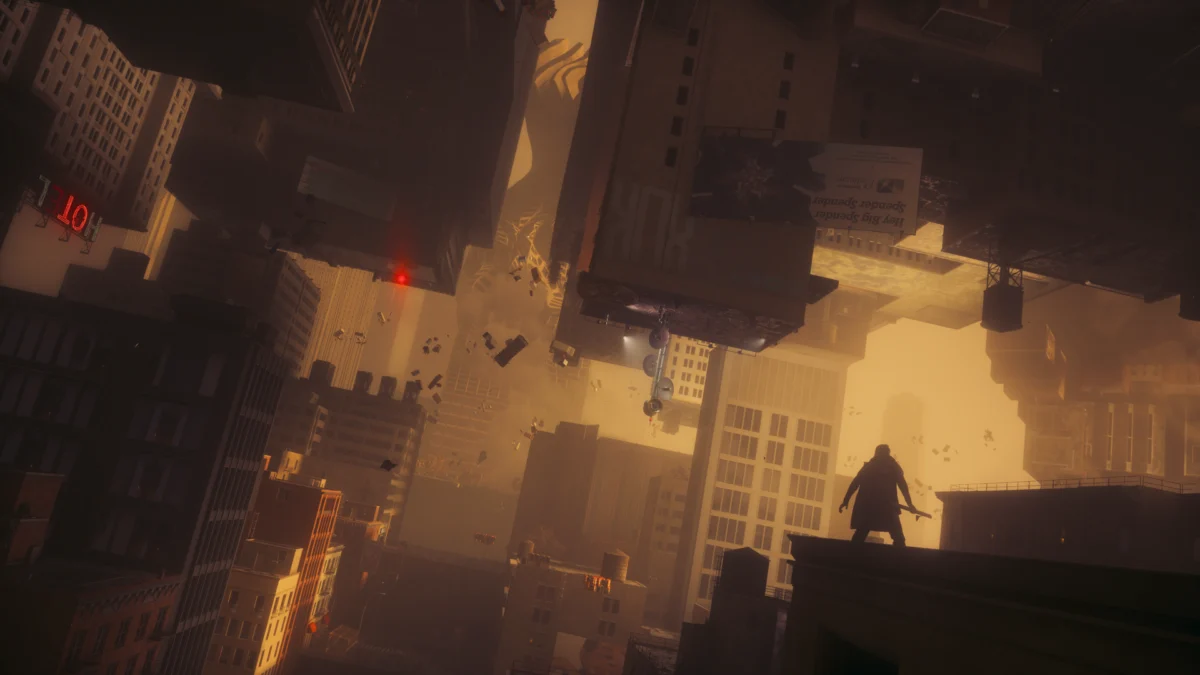
The Verdict: A Paranatural Masterpiece Held Back by Mechanical Friction
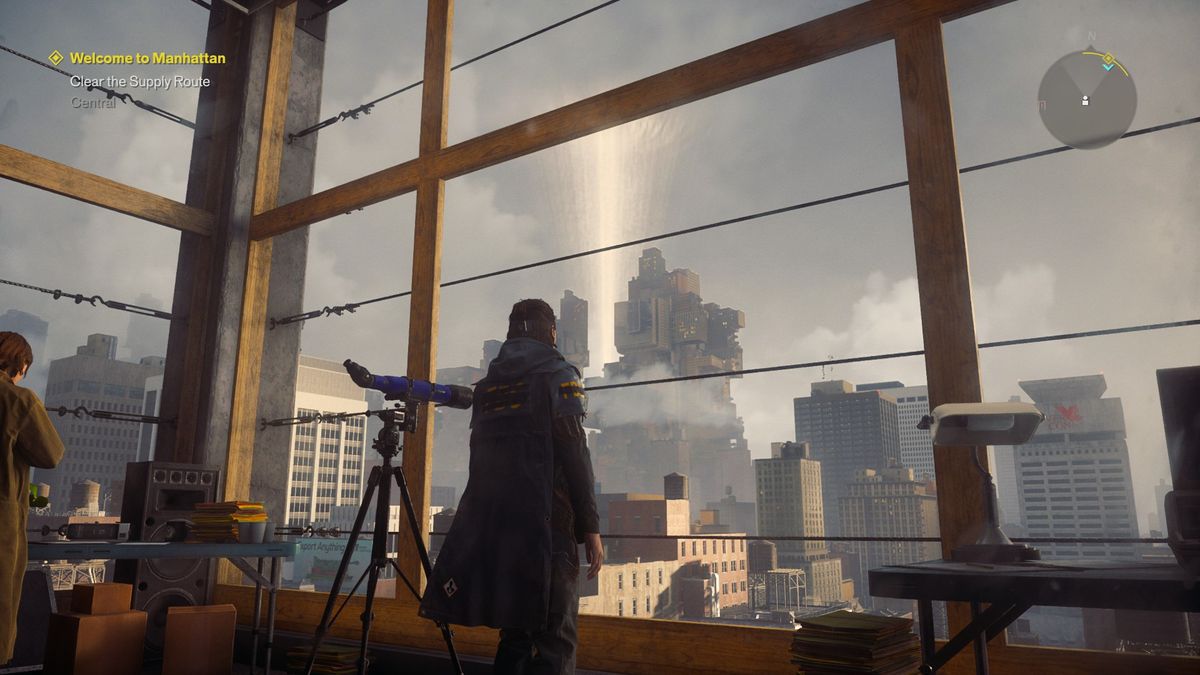
Remedy Entertainment has long been the industry’s torchbearer for the "New Weird," a genre of fiction that blends the mundane with the inexplicable. With Control Resonant, the studio pushes its vision to an unprecedented, ambitious scale. Every frame is a bold, calculated statement of impossible geometry—a visual feast where skyscrapers refract into light and gravity is merely a suggestion.
However, beneath the veneer of this paranatural masterpiece lies a complex tension. While the world-building is top-tier, the game’s restrictive design philosophy and a tendency toward repetitive, sponge-heavy combat occasionally undermine the very powers it grants the player. It is a game of breathtaking highs and frustrating, systemic lows.
Main Facts: The Evolution of the Hiss
Control Resonant, launching September 24, 2026, on PC, PS5, and Xbox Series X/S, serves as a radical departure from its predecessor. While the 2019 original was confined to the brutalist, shifting architecture of The Oldest House, Resonant forces the paranatural threat—the Hiss—out into the streets of New York City.
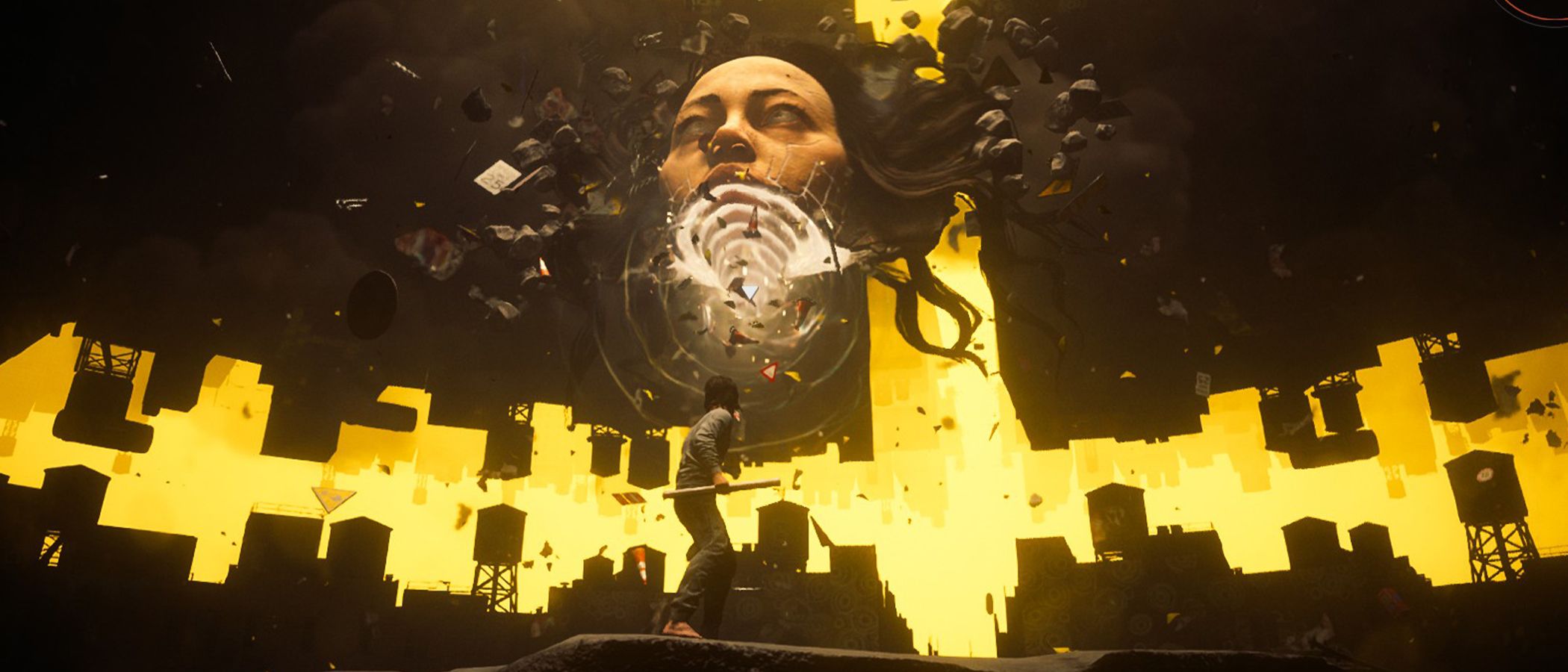
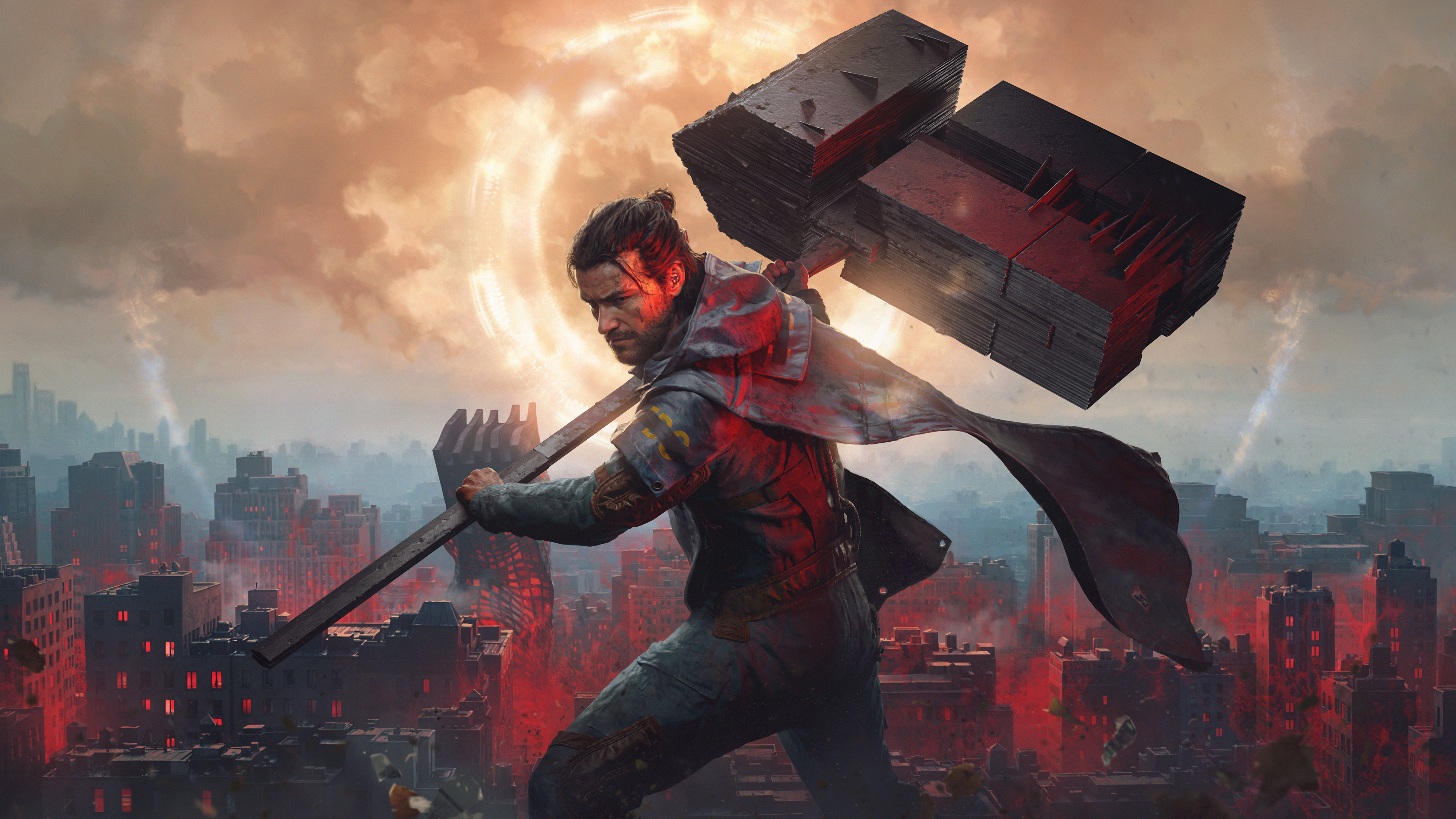
The game shifts focus from Jesse Faden to her brother, Dylan. Having spent the entirety of the first game as a subject of the Federal Bureau of Control’s (FBC) unethical experimentation, Dylan now wields a new, volatile form of power. This isn’t just a sequel; it is a metamorphosis of the Control formula, utilizing the cutting-edge Northlight Engine to render a cityscape that is as terrifying as it is beautiful.
Chronological Shift: From the Office to the Streets
The narrative progression of Control Resonant is marked by its departure from contained interior spaces.
- The Breach: The game opens with the Hiss leaking from the FBC’s headquarters into the streets of Manhattan. The transformation is immediate and jarring. Streets fold upward, and the skyline becomes a living, breathing entity of shifting debris and reality-defying physics.
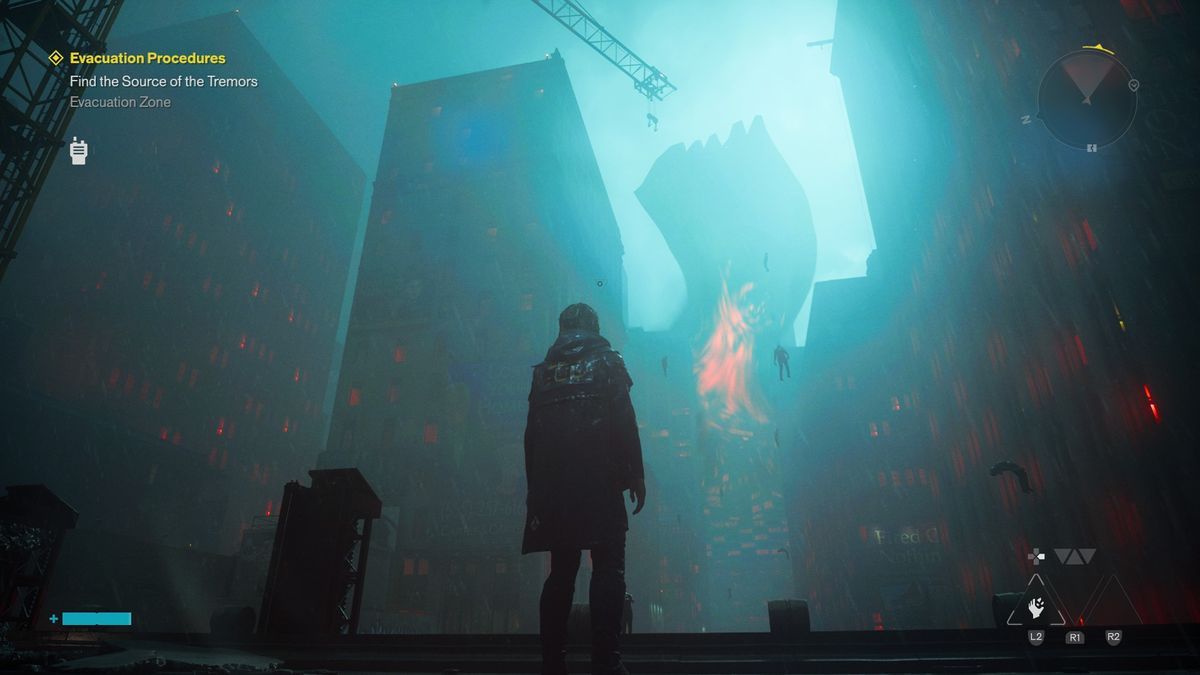
- The Transition: Players assume control of Dylan early, exploring a city where the sky is frequently choked by floating, suspended figures—a hallmark of the Hiss’s influence.
- The Deepening: As the story progresses, the "patterning" phenomenon—a surreal visual distortion that mimics the uncanny hallucinations of generative AI—begins to consume more of the environment, forcing players to navigate both the physical ruins of New York and the abstract, metaphysical "Gap," a mind-palace that serves as the player’s hub for skill customization.
Supporting Data: Technical Ambition and Design Choices
Remedy’s reliance on the Northlight Engine has paid dividends in terms of atmosphere. The game fully integrates path tracing, allowing for lighting effects that elevate the mundane—such as the interior of a random apartment or a flickering neon sign—into something eerie and profound.
Visual Fidelity vs. Performance
Even for players running on modest rigs, the art direction remains resilient. By toggling off ray tracing, the integrity of the game’s lighting—ominous, deep, and reflective—remains largely intact. The "New Weird" aesthetic is bolstered by the mundane: observing the detail in city advertisements or the architectural quirks of brownstones provides a grounding contrast to the reality-warping madness occurring elsewhere.
Movement and Traversal
Dylan’s traversal kit is expansive. From the start, players are equipped with elevated jumps, air-dashes, and gravity-defying maneuvers. However, this is where the game’s "restrictive design" becomes apparent. Despite the fluidity of movement, the city is not a true open-world environment in the vein of Marvel’s Spider-Man.
The city is partitioned into specific, gated zones. Players often encounter invisible walls or areas that are clearly visible but unreachable, creating a sense of frustration for those seeking to exploit the game’s verticality. The absence of traditional navigation markers—a deliberate choice to avoid "modern gaming crutches"—is admirable in principle but leads to aimless wandering, as the game’s lack of clear signposting makes navigating its complex, non-Euclidean environments a chore rather than an adventure.
Combat Mechanics: A Shift to Melee and Rhythm
The combat in Control Resonant marks a significant pivot from the shooter-heavy mechanics of the original Control.
The Aberrant Arsenal
Dylan utilizes a shape-shifting weapon known as the "Aberrant," which allows for multiple playstyles. The scythe offers wide-reaching crowd control, while twin blades cater to faster, critical-hit-focused combat. This is augmented by Resonant powers inherited from defeated bosses—abilities like shields or ground-pounds that are customized within "The Gap."
The "Sponge" Problem
Despite the satisfying variety of powers, the combat rhythm is frequently disrupted by "spongey" enemies. These adversaries require excessive button-mashing, which prevents the player from utilizing the game’s more creative combo finishers. As the game scales, enemy health increases in tandem with player power, leading to a sense of stagnation. One rarely feels truly "overpowered," as the game’s difficulty is often equated with longer, more drawn-out engagements rather than tactical complexity.

Official Responses and Accessibility
Remedy has anticipated the criticism regarding its challenging combat loop by including a robust suite of accessibility options. Players can manually adjust damage dealt, damage taken, and even enable one-hit kills. Importantly, these options do not disable achievement tracking, a design choice that acknowledges the player’s right to tailor their experience.
Despite these settings, the core design philosophy remains focused on the "grind." The question remains whether balancing difficulty through enemy health pools is the right direction for a game that otherwise prioritizes speed and fluidity.
Implications: A Return to Form for Remedy
Control Resonant arrives at a pivotal time for Remedy Entertainment, following the mixed reception of FBC: Firebreak. The studio has once again proven that its capacity for reality-bending storytelling is unmatched.
Narrative Highlights
The game’s strength lies in its meta-narrative experiments. Whether it is a jarring 16-bit pixel art sequence that plays like an Earthbound homage or the integration of live-action segments featuring Casper Darling (Matthew Porretta), the game is constantly reinventing its own delivery method. The soundtrack, a bespoke creation that avoids typical licensed filler, anchors the experience, turning every major encounter into a sensory event.
The Future of the Franchise
While the game suffers from pacing issues and a rigid, zone-based map that limits the freedom of its traversal mechanics, Control Resonant is an essential title for fans of the genre. It suggests that Remedy is not only interested in expanding the "Remedy Connected Universe" but is willing to take significant risks with gameplay mechanics—even when those risks result in a messy, occasionally frustrating experience.
In the final analysis, Control Resonant is a testament to the idea that a game can be deeply flawed and yet entirely essential. It is a bold, uncompromising vision of a world gone wrong, and for those willing to endure its mechanical quirks, it offers an experience that simply cannot be found anywhere else in the industry. It stands as a reminder that when a studio is this dedicated to its own unique aesthetic and narrative voice, even the rougher edges feel like part of the intentional, albeit surreal, design.

 Basiran
 Ammar Sabilarrohman