In the evolving landscape of global animation and manga, the traditional demarcations of genre are blurring. For decades, the industry relied on rigid demographic silos—shojo for young women, shonen for young men, seinen for adult men, and josei for adult women. However, a seismic shift is underway, spearheaded by titles that prioritize thematic depth and atmosphere over mere target-audience tropes. At the center of this movement sits Witch Hat Atelier, a series that is redefining what it means to be "fantasy" in the contemporary era.
The Convergence of Genre and Demographic
For years, the "cute girls doing cute things" (CGDCT) subgenre has been a cornerstone of anime and manga marketing. It is a formula often characterized by soft character designs, low-stakes social interactions, and an earnest focus on friendship. While these stories have historically served as a gateway for teen demographics, they have often been criticized for being structurally predictable—relying on tropes like the "plain" protagonist or the inevitable, often forced, romantic subplot.
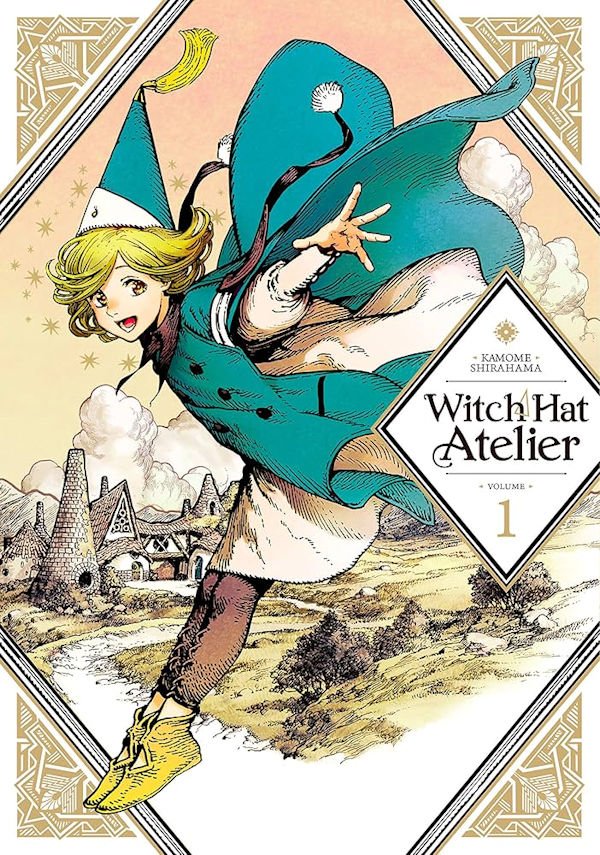
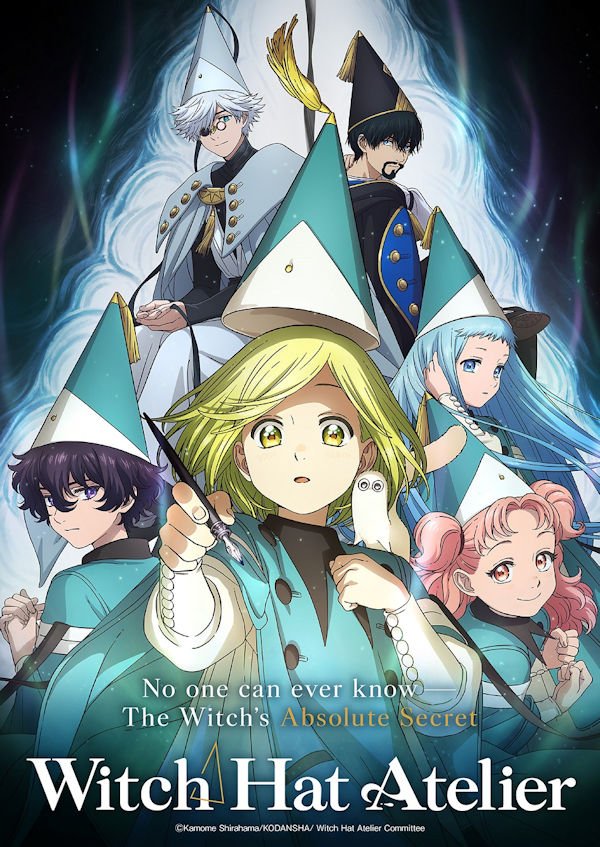
Witch Hat Atelier, created by the visionary Kamome Shirahama, occupies a fascinating paradox. Published in a seinen magazine—traditionally the domain of gritty, hyper-masculine, or highly intellectual adult narratives—the series follows a group of young girls learning the intricate, high-stakes craft of magic. It possesses the aesthetic warmth of a shojo classic, yet its narrative architecture is rooted in the complex, often melancholic world-building typically reserved for mature literary fantasy. By refusing to stay in its assigned lane, Witch Hat Atelier challenges the very utility of these demographic labels, proving that a story about "cute girls" can carry the weight of philosophical inquiry.
A Chronology of Discovery: Coco’s Fateful Path
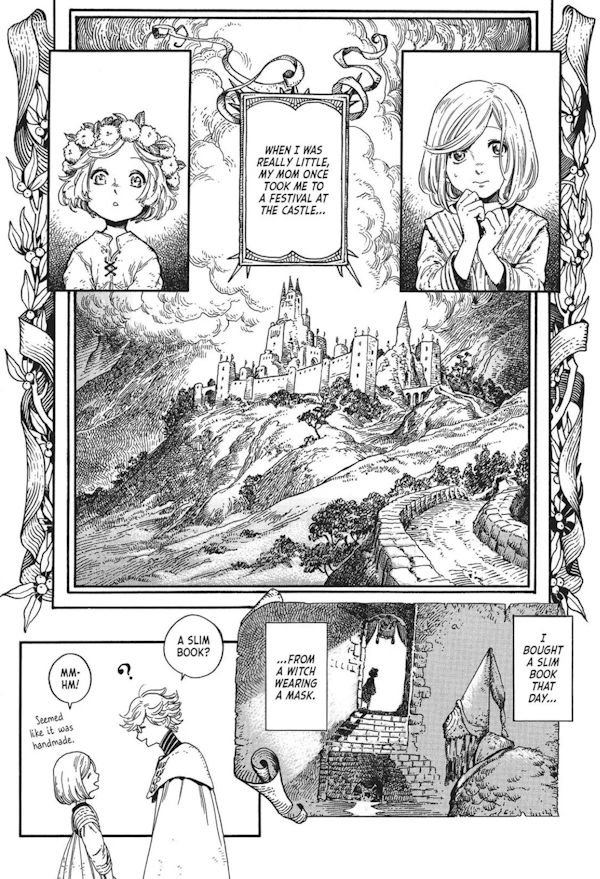
The narrative of Witch Hat Atelier begins with a deceptively simple premise that quickly descends into high-fantasy tragedy. Coco, a young girl living in a pastoral village, has long harbored a secret adoration for magic. Her fascination stems from a childhood encounter with a mysterious masked witch who sold her a book of symbols—a forbidden treasure that Coco keeps tucked away while working as a dressmaker alongside her mother.
The turning point occurs when a traveling witch named Qifrey visits their village. Through a series of accidental events, Coco discovers the fundamental truth of this world: magic is not an inherent trait bestowed by birth, but a technical, rigorous craft executed through precise, ink-drawn symbols. In a moment of irrepressible curiosity, Coco attempts a spell from her long-hidden book. The result is catastrophic. Her home is engulfed in a crystalline structure, and her mother is frozen in time, trapped within the very magic Coco sought to understand.
This event marks the transition from Coco’s mundane existence to her life at Qifrey’s atelier. As she begins her training alongside her peers—the vivacious Tetia, the reserved Richeh, and the fiercely antagonistic Agott—the story shifts from a simple "school of magic" tale to an exploration of power, ethics, and the consequences of knowledge.
The Anatomy of Magic: Artistry as World-Building
What distinguishes Witch Hat Atelier from its contemporaries is its dedication to the "mechanics of wonder." Shirahama’s world-building is meticulously realized; magic is not a deus ex machina, but a system of calligraphy and geometry. The art style itself acts as a narrative device, with each spell bursting onto the page with an organic, hand-drawn fluidity that mirrors the characters’ own efforts.
This focus on the process of creation draws favorable comparisons to the works of Studio Ghibli. Much like Hayao Miyazaki’s masterpieces, Witch Hat Atelier balances intimate character development with sweeping, world-altering stakes. The inclusion of the "Brimmed Caps"—a clandestine group of radical magicians who challenge the orthodoxy of the magical establishment—introduces an undercurrent of political tension. Qifrey, the mentor figure, is not merely a teacher; he is a man driven by a haunting, lifelong vendetta against these outcasts, adding a layer of moral ambiguity that grounds the series firmly in its seinen roots.
The Fantasy Big Three: A Cultural Shift
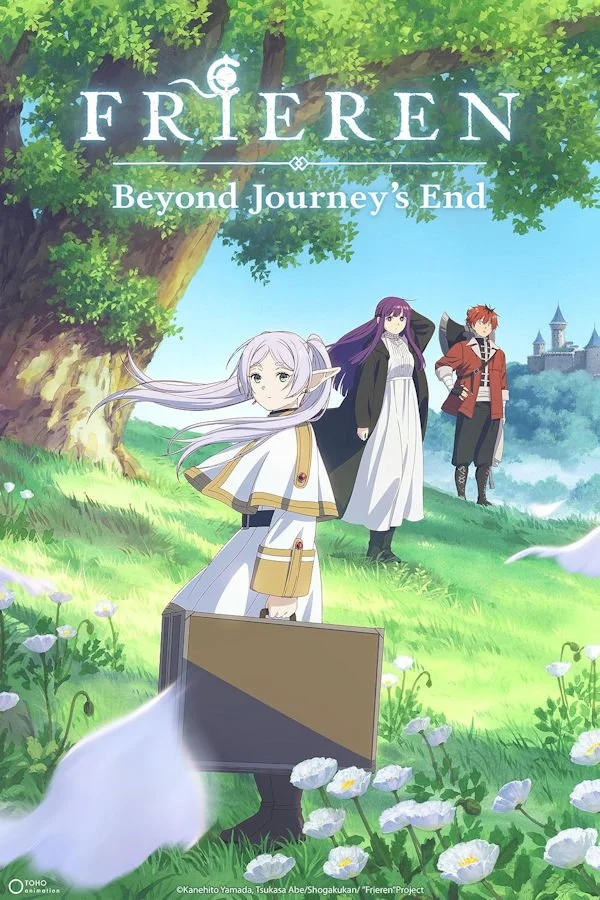
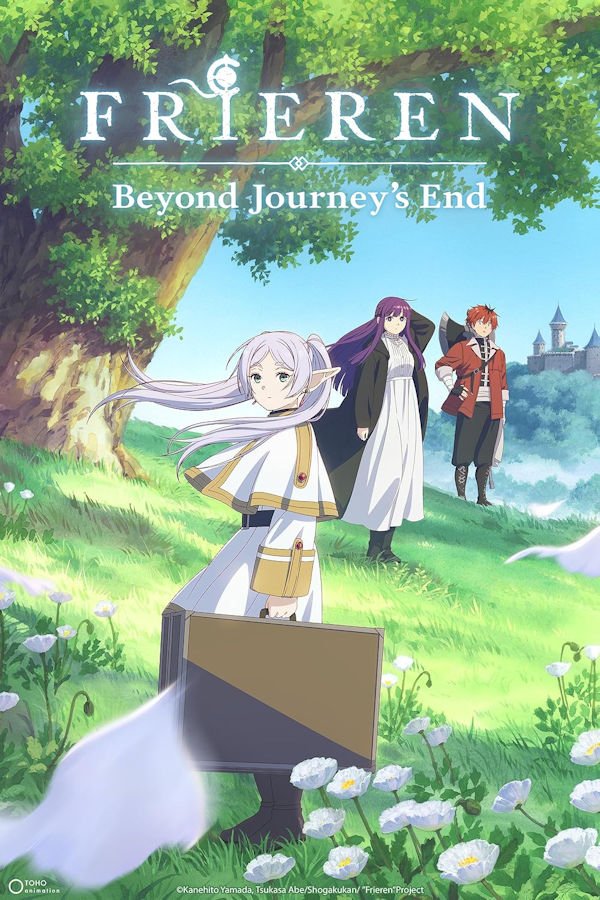
Witch Hat Atelier does not exist in a vacuum. It is widely considered the third pillar of what enthusiasts have dubbed the "Fantasy Big Three," alongside Frieren: Beyond Journey’s End and Delicious in Dungeon. These three series represent a significant departure from the action-heavy, high-octane fantasy of the early 2000s, such as Naruto or Bleach.
Comparative Data: The New Guard vs. The Old Guard
- Narrative Pacing: The "Old Guard" relied on high-intensity battle arcs and linear, explosive progression. The "New Guard" utilizes the "slow burn" technique, prioritizing atmosphere, character reflection, and world-discovery.
- Thematic Focus: While the original Big Three focused on the struggle for recognition and power, the new wave focuses on the legacy of history, the joy of discovery, and the importance of finding one’s niche in a wider world.
- Demographic Reach: These titles are increasingly finding audiences across all age groups and genders, proving that "cozy" does not equate to "simple."
The cultural resonance of these shows suggests a pivot in consumer appetite. In the wake of the Game of Thrones phenomenon, which dominated the fantasy space with its cynicism and political brutality, audiences appear to be experiencing "grimdark fatigue." The success of Frieren, Delicious in Dungeon, and Witch Hat Atelier demonstrates a massive, untapped demand for "cozy fantasy"—stories that, while capable of darkness and conflict, are fundamentally rooted in empathy, wonder, and the restoration of hope.
Implications for the Industry
The rise of these titles carries significant implications for publishers and studios. First, it validates the idea that female protagonists in fantasy need not be defined by romance or passive roles. Coco, in particular, is a proactive protagonist whose drive is intellectual curiosity. Second, it highlights the viability of the "soft-fantasy" aesthetic. T. J. Klune and Travis Baldree’s literary successes in the "cozy fantasy" subgenre have been mirrored by these anime hits, suggesting that this is a global trend rather than a regional quirk.
Official industry responses to this shift have been cautious but optimistic. Many production houses are now green-lighting projects that favor distinct artistic styles over standard commercial designs. There is a growing understanding that audiences are looking for experiences that "lift them up." While violent, high-stakes narratives will always maintain a place in the market, the dominance of these three series serves as a clear signal: the future of fantasy lies in the quiet, the meaningful, and the beautifully imagined.
Conclusion: A Call to the Uninitiated
For those who have long associated anime with the frantic, trope-heavy shonen battles of the past, Witch Hat Atelier offers an ideal entry point. It is a masterclass in visual storytelling that respects the intelligence of its audience. By stripping away the performative anxieties of traditional genre conventions, it invites viewers to experience the wonder of discovery alongside its characters.
Whether it is the intricate, ink-stained calligraphy of a spell or the complex, evolving dynamic between a teacher and his students, the series is a testament to the power of artistic vision. As we look toward the future of the medium, one thing is certain: the era of the "Fantasy Big Three" has arrived, and it is a world worth getting lost in.