Nana Muazin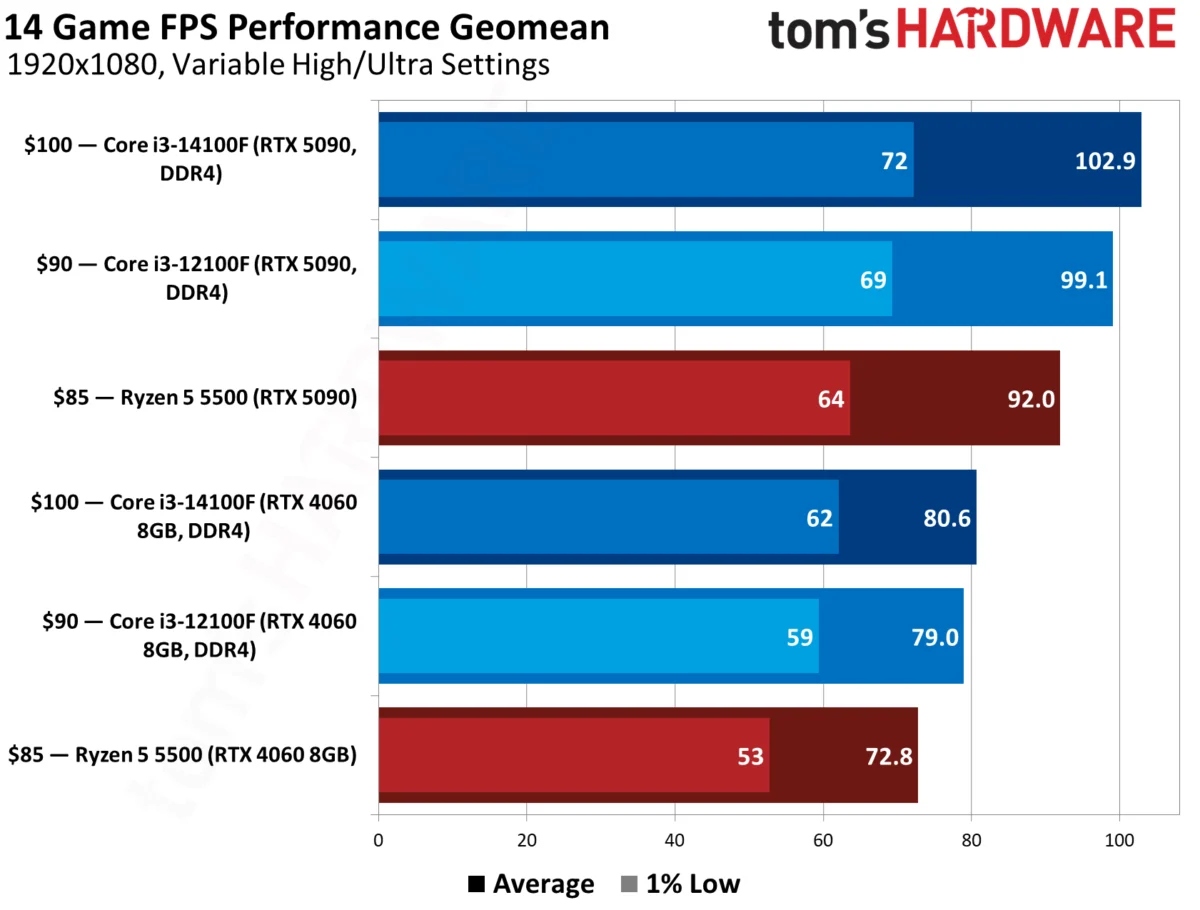
The landscape of budget-friendly computing has shifted once again as AMD officially brings the Ryzen 5 5500F and Ryzen 5 7500 to the consumer market. These processors, initially positioned by AMD as high-value, entry-level solutions designed to capture the price-conscious segment of the DIY PC market, have made their debut on Amazon. However, early adopters are finding that the "value" proposition is slightly dampened by a pricing premium.
Current listings show the Ryzen 5 5500F at $120 and the Ryzen 5 7500 at $210—both sitting exactly $20 above the manufacturer’s suggested retail price (MSRP). As these chips are sold directly by major retailers, the industry is left to wonder whether this represents a temporary launch-day markup or a permanent realignment of AMD’s budget strategy.
Main Facts: What Are the Ryzen 5 5500F and 7500?
The introduction of the "F" and non-X, non-G series suffixes in AMD’s lineup is a strategic maneuver to fill specific gaps in the mid-range and budget brackets.
The Ryzen 5 5500F serves as a budget-conscious option for those still operating on the aging yet robust AM4 platform. It is designed to offer a balance of multi-threaded performance and efficiency, aimed primarily at gamers who already possess a dedicated graphics card. By stripping away integrated graphics—a common move for "F" designated chips—AMD has aimed to provide higher clock speeds or lower power profiles that appeal to users looking to build a cost-effective gaming rig.
The Ryzen 5 7500, meanwhile, brings the power of the Zen 4 architecture to a more accessible price point for the AM5 platform. As users increasingly transition to DDR5 memory and PCIe 5.0 infrastructure, the 7500 acts as a gateway processor. It provides the necessary performance overhead to prevent bottlenecks in modern titles without the cost associated with the more expensive 7600X or 7700X variants.
Chronology: The Road to Market
The path to these processors hitting the shelves has been marked by a period of anticipation and, occasionally, confusion regarding regional availability.
- Initial Speculation (Q1 2024): Rumors began circulating early in the year regarding AMD’s intent to expand the AM4 lifecycle and flesh out the AM5 lineup with lower-TDP, lower-cost chips.
- The Announcement Phase: AMD officially confirmed the existence of these models, emphasizing their utility in pre-built systems and the DIY market, specifically targeting the "entry-to-mid" tier.
- Retail Arrival (Current Status): Following their quiet release, the chips appeared on major e-commerce platforms. The discrepancy between the announced MSRP and the actual retail price became immediately apparent, triggering discussions in enthusiast forums about the impact of logistics and retailer margins on final consumer costs.
Supporting Data: Understanding the Market Context
To understand why the $20 markup is causing ripples, one must look at the current CPU market density. The sub-$250 segment is perhaps the most contested space in computing.
Performance Benchmarks vs. Cost
When evaluating the Ryzen 5 5500F, users must compare it against the Ryzen 5 5600. If the 5500F retails at $120, it sits precariously close to the 5600, which often sees aggressive sales. If the performance delta between the two is negligible, the $20 premium for the 5500F becomes a difficult sell for budget builders who operate with a razor-thin margin for error.
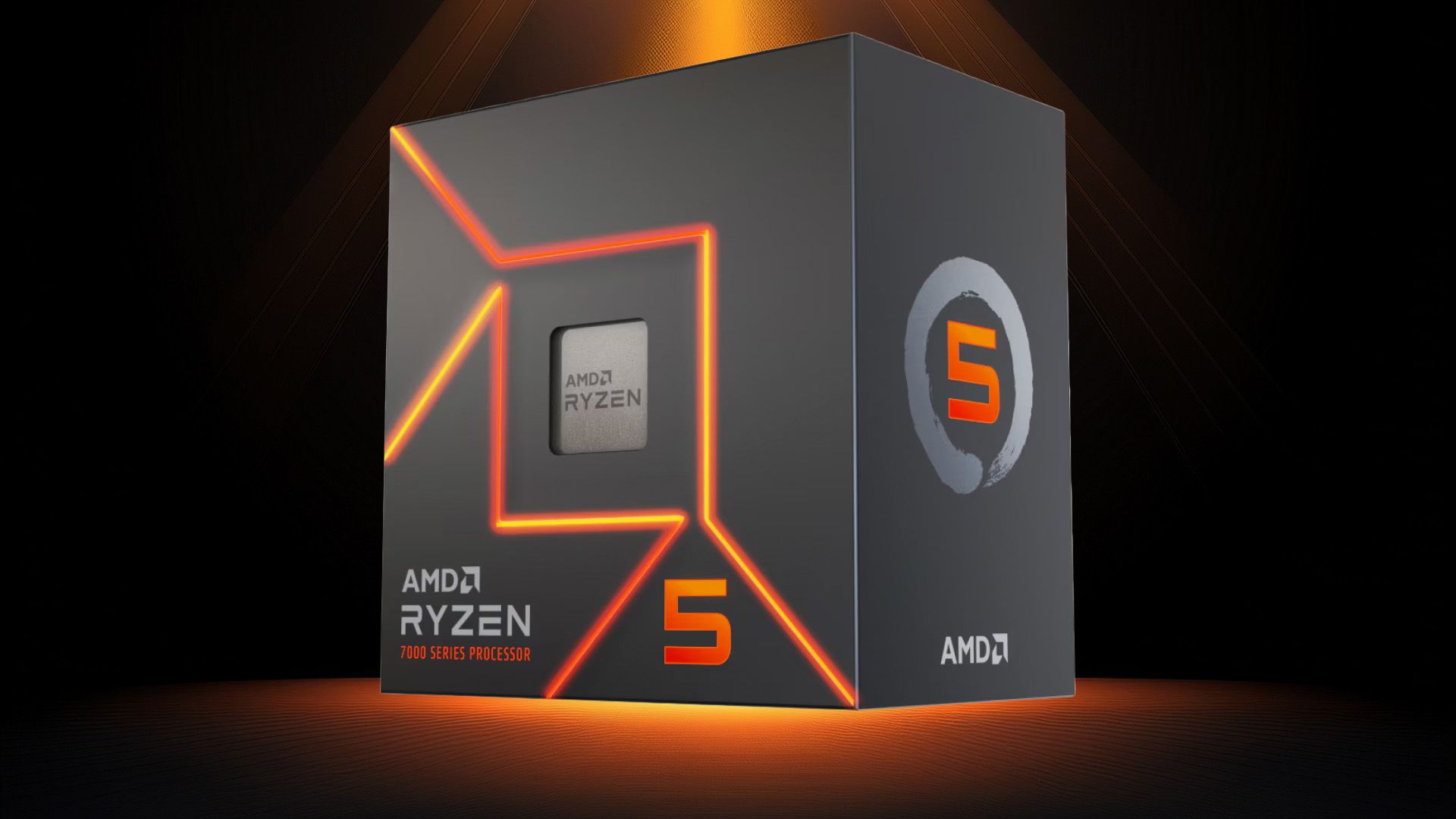
The Ryzen 5 7500, at $210, finds itself in a similar position. With the Ryzen 5 7600 frequently dipping in price during promotional events, the 7500 must provide a specific performance profile—likely thermal efficiency—to justify its price tag. If the 7500 is marketed as a lower-heat, lower-power solution, it may find a home in Small Form Factor (SFF) builds, where cooling constraints are more critical than raw clock-speed output.
The AM4 vs. AM5 Dilemma
The 5500F serves as a "swan song" of sorts for the AM4 platform. Millions of users worldwide are still using B450 and B550 motherboards. For these users, a $120 CPU is an attractive upgrade path. However, the 7500 forces users to commit to the AM5 ecosystem, which requires an investment in a new motherboard and DDR5 RAM. At a $210 entry point, the 7500 is competitive, but only if the surrounding platform costs continue to decline.
Official Responses and Industry Outlook
AMD has not issued a formal statement regarding the specific retail price inflation, which is standard practice as manufacturers generally do not control final pricing at the retail level. Retailers, facing rising shipping costs and fluctuations in currency exchange rates, often adjust prices based on supply chain dynamics.
Industry analysts suggest that the $20 increase might be a byproduct of initial low stock levels. As supply stabilizes and the chips reach a wider array of retailers, it is highly probable that the price will settle at or below the original MSRP. "The launch of these chips is a tactical move," says one analyst familiar with the semiconductor market. "AMD is trying to ensure that their platforms remain the default choice for budget builders. A $20 variance is a temporary friction point, not a long-term strategy."
Implications: What This Means for Builders
For the average consumer, the arrival of the Ryzen 5 5500F and 7500 carries several long-term implications:
- Platform Longevity: The continued release of new AM4 silicon confirms that AMD intends to support the legacy platform for years to come, providing a cost-effective path for users who aren’t ready to jump to DDR5.
- Market Segmentation: By creating specific "F" models, AMD is signaling a move toward more granular segmentation. This allows them to repurpose silicon that may have failed integrated graphics quality assurance, thereby increasing yield efficiency and reducing waste.
- The Pressure on Competitors: The existence of these chips puts significant pressure on Intel’s Core i3 and lower-end i5 offerings. By providing six-core, twelve-thread performance at these price points, AMD is effectively forcing the market to move toward higher core counts as the baseline for even the most basic gaming machines.
Should You Wait?
If you are currently building a PC, the immediate question is whether to buy now or wait for the price to normalize. Given that the premium is only $20, the impact on a total build budget is relatively minor. However, for those who are strictly tracking the "price-to-performance" ratio, waiting a few weeks to see if retailers normalize the price is the most logical step.
Conclusion
The release of the Ryzen 5 5500F and Ryzen 5 7500 marks a significant, if slightly overpriced, addition to AMD’s current lineup. While the $20 markup over the MSRP is a point of contention for enthusiasts, the underlying technology offers a compelling value for those looking to build or upgrade systems on both the AM4 and AM5 platforms.
As the retail market stabilizes, these processors are poised to become staples of the budget-gaming landscape. Whether they become the "go-to" chips for the next year will depend entirely on how quickly they hit the intended price targets and how well they perform in the rigorous testing of independent reviewers in the coming weeks. For now, they remain an intriguing option for builders who value the reliability of the Ryzen architecture and the continued support of the AMD ecosystem.

 Lina Hope
 Lina Irawan